
How Much Does a New AC Unit Cost for a Standard Zionsville Home?
A new air conditioning system for a typical Zionsville home ranges from $5,000 to $12,500 in 2026, depending on size, efficiency, and installation complexity. The final price depends on your home’s square footage, the SEER2 rating you choose, and whether your ductwork needs modification. Boone County’s humid continental climate means your system will run frequently during summer months, making efficiency a key factor in both upfront cost and long-term utility bills. Boone REMC incentives.
Before scheduling installation, you’ll need a Manual J load calculation to determine the correct tonnage for your home. Most Zionsville homes between 1,800 and 2,500 square feet require a 2.5 to 3.5-ton unit. Higher SEER2 ratings cost more initially but reduce monthly energy consumption significantly. Local utility rebates from Duke Energy and Boone REMC can offset 10-15% of the total investment. Duke Energy Indiana rebates.
Installation includes the outdoor condenser, indoor air handler or furnace coil, refrigerant lines, electrical connections, and testing. Permit fees from the Boone County Building Department typically add $75 to $150 to your project cost. Homes in the Village of Zionsville or Stonegate neighborhoods often have older ductwork that may need sealing or replacement, which can increase installation time and labor costs.. Read more about Affordable HVAC Replacement Options for Families in Noblesville.
Call (317) 688-8818 today to schedule your free in-home estimate and learn about current rebates available for Zionsville residents.
Average AC Installation Costs in Zionsville
AC unit prices in Zionsville follow national trends but include local factors like permit requirements and labor rates. The total investment breaks down into equipment, labor, permits, and any necessary modifications.
| System Size | SEER2 Rating | Equipment Cost | Installation Cost | Total Estimated Cost |
|---|---|---|---|---|
| 2.0-2.5 Ton | 14-16 SEER2 | $2,800-$4,200 | $1,800-$2,500 | $4,600-$6,700 |
| 2.5-3.0 Ton | 16-18 SEER2 | $3,500-$5,000 | $2,000-$2,800 | $5,500-$7,800 |
| 3.0-3.5 Ton | 18-20 SEER2 | $4,200-$6,500 | $2,200-$3,000 | $6,400-$9,500 |
| 3.5-5.0 Ton | 20+ SEER2 | $5,000-$8,000 | $2,500-$3,500 | $7,500-$11,500 |
Higher efficiency units cost more upfront but save $20-$50 monthly on utility bills. A 20 SEER2 unit might cost $1,500 more than a 16 SEER2 unit but could pay for the difference in 3-5 years through energy savings.
Key Factors Influencing Your HVAC Investment
Several variables affect your final AC installation price beyond the basic equipment cost. Understanding these factors helps you make informed decisions about your investment.. Read more about Professional AC Installation for Newer Homes in Westfield.
System Size and Tonnage for Indiana Homes
Proper sizing prevents short cycling and ensures efficient operation. An undersized unit runs constantly trying to cool your home. An oversized unit cools too quickly without removing humidity, leaving your home feeling clammy.
Manual J calculations consider your home’s square footage, ceiling height, insulation levels, window orientation, and local climate data. Zionsville’s 2,000-square-foot home with average insulation typically needs a 3-ton unit. Homes with many south-facing windows or poor insulation might need 3.5 tons or more.
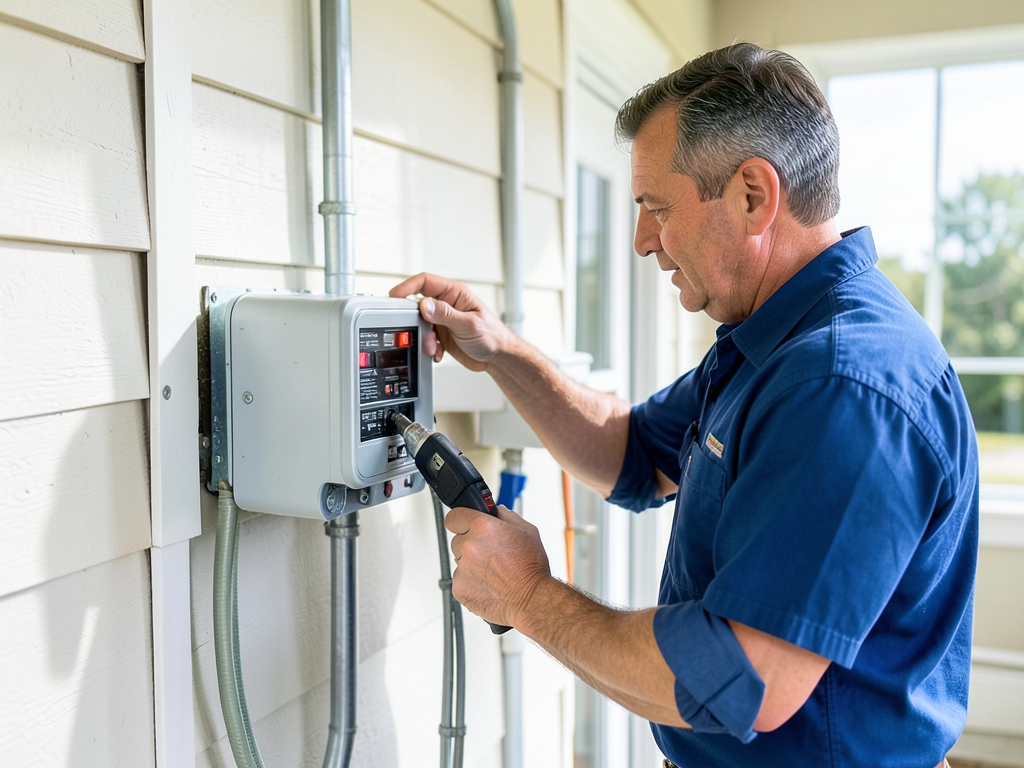
During installation, technicians measure static pressure and airflow to verify the system matches your home’s requirements. This testing ensures you get the comfort and efficiency promised by the manufacturer.
SEER2 Efficiency Ratings and Long-Term Savings
SEER2 (Seasonal Energy Efficiency Ratio 2) measures cooling output divided by electric input over a typical cooling season. The minimum allowed in 2026 is 14 SEER2, but most homeowners choose 16-20 SEER2 for better efficiency.. Read more about Reliable Heating and Cooling Experts Serving the Broad Ripple Area.
A 16 SEER2 unit uses about 12% less electricity than a 14 SEER2 unit. A 20 SEER2 unit uses about 30% less. In Zionsville’s humid climate, these differences translate to $200-$400 in annual savings for an average home.
Higher SEER2 units often include variable-speed compressors that adjust output based on cooling demand. This technology provides more consistent temperatures and better humidity control compared to single-stage units that run at full capacity or not at all.
<img decoding="async" src="
” alt=”Technician measuring static pressure during AC installation in Zionsville home”>
Local Zionsville Requirements: Permits and Regulations
Boone County requires permits for all new HVAC installations to ensure compliance with mechanical codes and safety standards. The permit process protects homeowners by requiring inspections at key installation points.
Permit fees range from $75 to $150 depending on system size and installation complexity. The Boone County Building Department reviews plans to verify proper sizing, ventilation, and electrical requirements. Most permits are issued within 24-48 hours for residential installations.
Indiana Residential Code mandates specific clearances around outdoor units, proper condensate drainage, and correct refrigerant line sizing. Local inspectors check that all work meets these standards before approving final installation.
Zionsville’s older homes in the historic district may have additional requirements for preserving architectural integrity. Some installations require approval from the Zionsville Historic Preservation Commission before work begins.
Available Rebates and Incentives (Duke Energy & Boone REMC)
Utility companies offer rebates to encourage energy-efficient upgrades. These incentives can reduce your installation cost by hundreds of dollars while promoting grid stability during peak summer demand.
Duke Energy Indiana offers rebates up to $400 for qualifying high-efficiency air conditioners and heat pumps. Systems must meet minimum SEER2 requirements and be installed by participating contractors. Rebates are applied as a credit on your utility bill after installation.
Boone REMC provides similar incentives for members, with rebates up to $450 for qualifying equipment. Their program focuses on reducing peak demand during summer afternoons when electricity costs are highest.
Federal tax credits through 2032 allow homeowners to claim 30% of installation costs for qualifying high-efficiency systems, up to $2,000 maximum. These credits apply to both equipment and installation labor.
| Utility Provider | Rebate Amount | Minimum SEER2 | Application Process |
|---|---|---|---|
| Duke Energy Indiana | Up to $400 | 16 SEER2 | Contractor submits online |
| Boone REMC | Up to $450 | 16 SEER2 | Member application required |
| Federal Tax Credit | 30% up to $2,000 | 16 SEER2 | Claim on IRS Form 5695 |
Financing Options for Zionsville Homeowners
New AC installation represents a significant investment for most families. Several financing options make this essential home improvement more manageable through monthly payments rather than a single large expense.
Many HVAC contractors partner with financing companies to offer 12-60 month payment plans with competitive interest rates. These programs often feature promotional periods with deferred interest or reduced rates for qualified buyers.
Home equity loans or lines of credit provide another option with potentially lower interest rates. These loans use your home’s equity as collateral and may offer tax-deductible interest, though you should consult a tax advisor about your specific situation.
Some utility rebate programs partner with local lenders to provide special financing terms for energy-efficient upgrades. These programs recognize that energy savings help offset monthly payments while improving home comfort.
Choosing Between AC and Heat Pump Systems
Heat pumps provide both heating and cooling in one system, making them increasingly popular in Indiana’s climate. While installation costs are similar to AC systems, heat pumps offer year-round comfort and potential energy savings.
Modern heat pumps operate efficiently in temperatures well below freezing, though they may need supplemental heat during extreme cold snaps. Zionsville typically experiences 1-2 weeks annually where backup heat becomes necessary.
The initial cost difference between a standard AC system with a gas furnace versus a heat pump system is minimal. Heat pumps eliminate the need for separate heating equipment, potentially saving $1,000-$2,000 in equipment costs.
Energy savings depend on your home’s insulation and local utility rates. Heat pumps typically cost less to operate than electric resistance heat or propane, but may be comparable to natural gas in areas with low gas prices.
Installation Timeline and Process
A standard AC replacement typically takes 4-8 hours for a professional crew. The process includes removing the old equipment, preparing the installation site, setting new equipment, connecting refrigerant lines, and testing the complete system.
Day one involves assessment and planning. Technicians measure existing components, check electrical capacity, and verify that new equipment fits the available space. They also confirm permit requirements and schedule inspections if needed.
Installation day begins around 8 AM with equipment removal. The crew protects your home’s interior, disconnects power, and removes old components. New equipment installation follows, including proper leveling of outdoor units and secure mounting of indoor components.
Final testing ensures proper refrigerant charge, airflow, and temperature differential. Technicians calibrate thermostats, demonstrate system operation, and review maintenance requirements before completing the job.
Maintenance Considerations for New Systems
Regular maintenance extends system life and maintains efficiency. Annual professional tune-ups cost $150-$250 but prevent costly breakdowns and maintain warranty coverage.
Monthly filter changes are essential for proper airflow and indoor air quality. Dirty filters reduce efficiency by up to 15% and can cause system damage. Zionsville’s pollen season may require more frequent changes during spring months.
Professional maintenance includes checking refrigerant levels, cleaning coils, inspecting electrical connections, and testing safety controls. These checks identify potential issues before they cause system failures during peak cooling season.
DIY maintenance includes keeping outdoor units clear of debris, trimming vegetation at least 2 feet from equipment, and ensuring condensate drains flow freely. These simple steps prevent many common AC problems.
Frequently Asked Questions
How long does a new AC unit typically last in Indiana?
Quality air conditioning systems in Indiana’s climate typically last 12-15 years with proper maintenance. Factors affecting lifespan include installation quality, maintenance frequency, and local weather conditions. Zionsville’s humid summers and occasional severe storms can impact longevity.
Should I replace my furnace at the same time as my AC?
If your furnace is over 12 years old, replacing both systems together often makes sense. Matched systems ensure optimal performance and efficiency. Combined installation can reduce labor costs and provide better warranty coverage than mixing old and new components.
What size AC do I need for a 2,000 square foot home?
Most 2,000 square foot homes in Zionsville require a 3-ton AC unit. However, factors like ceiling height, insulation quality, window orientation, and local climate affect sizing. A professional Manual J calculation provides the exact requirement for your specific home.
Call (317) 688-8818 today to schedule your free in-home estimate and learn about current rebates available for Zionsville residents.
You may also find this helpful. How to Choose an Honest AC Installer in Fishers.
{
“@context”: “https://schema.org”,
“@type”: “BlogPosting”,
“headline”: “How Much Does a New AC Unit Cost for a Standard Zionsville Home?”,
“description”: “Discover 2026 AC installation costs in Zionsville, IN. Compare SEER2 ratings, local permit fees, and utility rebates from Duke Energy & Boone REMC.”,
“wordCount”: 1632,
“datePublished”: “2026-02-13T09:11:00.000Z”,
“dateModified”: “2026-02-13T09:11:00.000Z”,
“inLanguage”: “en-US”,
“mainEntityOfPage”: {
“@type”: “WebPage”,
“@id”: “https://reliancehvacindianapolis.com”
},
“publisher”: {
“@type”: “LocalBusiness”,
“name”: “Reliance HVAC Indianapolis”,
“url”: “https://reliancehvacindianapolis.com”
},
“author”: {
“@type”: “Organization”,
“name”: “Reliance HVAC Indianapolis”,
“url”: “https://reliancehvacindianapolis.com”
},
“image”: {
“@type”: “ImageObject”,
“url”: “https://reliancehvacindianapolis.com/wp-content/uploads/2026/03/how-much-does-a-new-ac-unit-cost-for-a-standard-zi-1.png”
}
}
{
“@context”: “https://schema.org”,
“@type”: “HVACBusiness”,
“name”: “Reliance HVAC Indianapolis”,
“url”: “https://reliancehvacindianapolis.com”,
“address”: {
“@type”: “PostalAddress”,
“addressLocality”: “Indianapolis”
},
“areaServed”: {
“@type”: “City”,
“name”: “Indianapolis”
}
}
{
“@context”: “https://schema.org”,
“@type”: “FAQPage”,
“mainEntity”: [
{
“@type”: “Question”,
“name”: “How long does a new AC unit typically last in Indiana?”,
“acceptedAnswer”: {
“@type”: “Answer”,
“text”: “Quality air conditioning systems in Indiana’s climate typically last 12-15 years with proper maintenance. Factors affecting lifespan include installation quality, maintenance frequency, and local weather conditions. Zionsville’s humid summers and occasional severe storms can impact longevity.”
}
},
{
“@type”: “Question”,
“name”: “Should I replace my furnace at the same time as my AC?”,
“acceptedAnswer”: {
“@type”: “Answer”,
“text”: “If your furnace is over 12 years old, replacing both systems together often makes sense. Matched systems ensure optimal performance and efficiency. Combined installation can reduce labor costs and provide better warranty coverage than mixing old and new components.”
}
},
{
“@type”: “Question”,
“name”: “What size AC do I need for a 2,000 square foot home?”,
“acceptedAnswer”: {
“@type”: “Answer”,
“text”: “Most 2,000 square foot homes in Zionsville require a 3-ton AC unit. However, factors like ceiling height, insulation quality, window orientation, and local climate affect sizing. A professional Manual J calculation provides the exact requirement for your specific home.”
}
}
]
}
{
“@context”: “https://schema.org”,
“@type”: “BreadcrumbList”,
“itemListElement”: [
{
“@type”: “ListItem”,
“position”: 1,
“name”: “Home”,
“item”: “https://reliancehvacindianapolis.com”
},
{
“@type”: “ListItem”,
“position”: 2,
“name”: “Blog”,
“item”: “https://reliancehvacindianapolis.com/blog”
},
{
“@type”: “ListItem”,
“position”: 3,
“name”: “How Much Does a New AC Unit Cost for a Standard Zionsville Home?”
}
]
}
{
“@context”: “https://schema.org”,
“@type”: “Service”,
“serviceType”: “HVAC”,
“provider”: {
“@type”: “LocalBusiness”,
“name”: “Reliance HVAC Indianapolis”,
“url”: “https://reliancehvacindianapolis.com”
},
“areaServed”: {
“@type”: “City”,
“name”: “Indianapolis”
},
“description”: “Discover 2026 AC installation costs in Zionsville, IN. Compare SEER2 ratings, local permit fees, and utility rebates from Duke Energy & Boone REMC.”
}