
Menu

Furnace Maintenance Checklist in Indianapolis – Protect Your System Before Winter Hits

Our preventative heating maintenance guide helps Indianapolis homeowners avoid mid-winter breakdowns with a proven annual furnace inspection list that addresses freeze-thaw stress and high humidity challenges specific to our climate.

Slider Image 1
Slider Image 2
Slider Image 3
Slider Image 4
Slider Image 5
Slider Image 7
Slider Image 8
Slider Image 9
Slider Image 10
Slider Image 11

Why Indianapolis Furnaces Need More Than a Basic Check

Indianapolis heating systems face a brutal combination of challenges that generic furnace tune-up checklists miss. Our freeze-thaw cycles damage heat exchangers faster than in most regions. When temperatures swing 40 degrees in 24 hours, expansion and contraction stress metal components. Cracks form. Carbon monoxide risks increase.

High humidity creates another problem. Moisture accelerates rust inside your furnace cabinet and corrodes electrical connections. You will not see this damage during a quick visual inspection. It shows up as intermittent failures on the coldest nights.

Clay soil shifting in the Indianapolis metro area affects ductwork connections. Small gaps leak heated air into crawl spaces instead of your living room. Your furnace runs longer cycles. Your energy bills climb. The system wears out faster.

A proper heating system maintenance steps protocol addresses these specific threats. You need someone who checks heat exchanger integrity with combustion analysis tools, not just a flashlight. You need testing for proper gas pressure at Indianapolis altitudes and humidity levels. You need a seasonal furnace service schedule that accounts for our weather patterns.

Most furnaces fail between December and February because homeowners skip fall maintenance. The blower motor seizes. The ignitor cracks. The pressure switch fails. These components do not break randomly. They fail from accumulated stress that a November inspection catches before you need emergency heat.

Your annual furnace inspection list should happen in October or early November, before heating season demand peaks. Waiting until you hear strange noises or smell gas wastes money and risks your safety.

Why Indianapolis Furnaces Need More Than a Basic Check
What a Real Furnace Inspection Includes

What a Real Furnace Inspection Includes

A legitimate preventative heating maintenance guide covers more than filter changes. Reliance HVAC Indianapolis performs combustion analysis to measure flue gas composition. We look for carbon monoxide levels above 50 parts per million. We check flame sensor microamp readings to ensure proper ignition. We measure static pressure across the blower to catch airflow restrictions early.

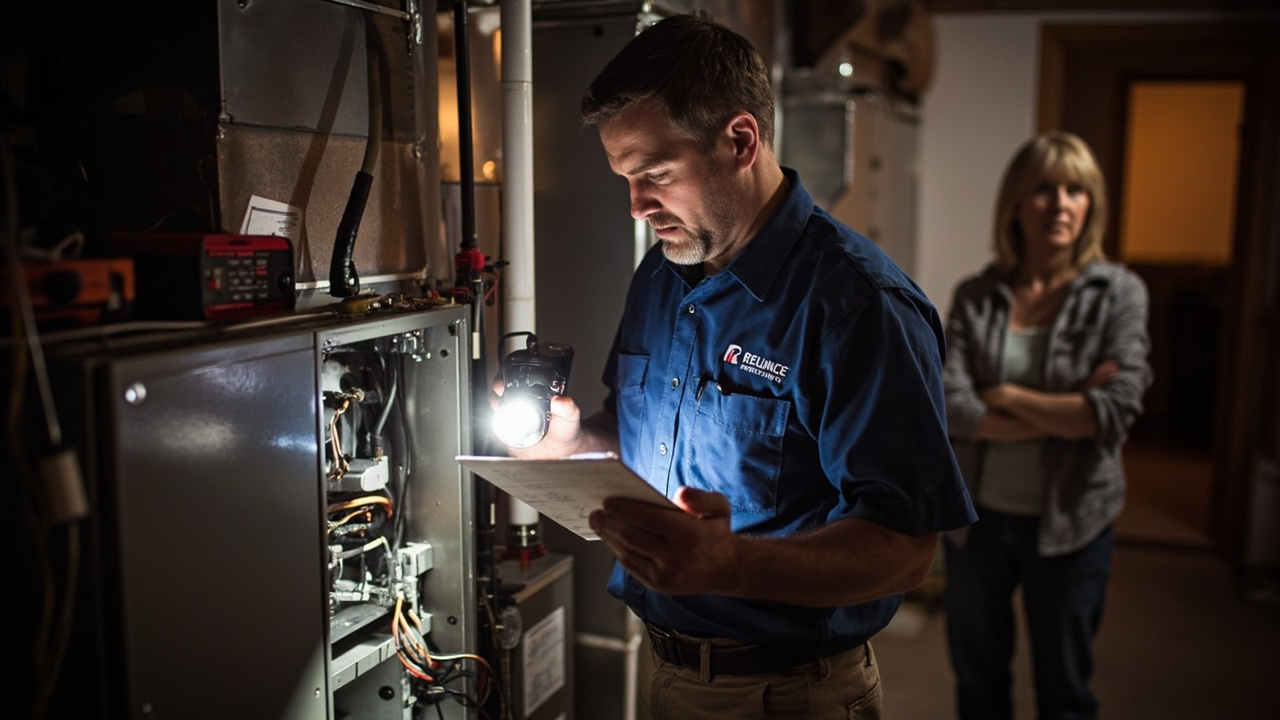
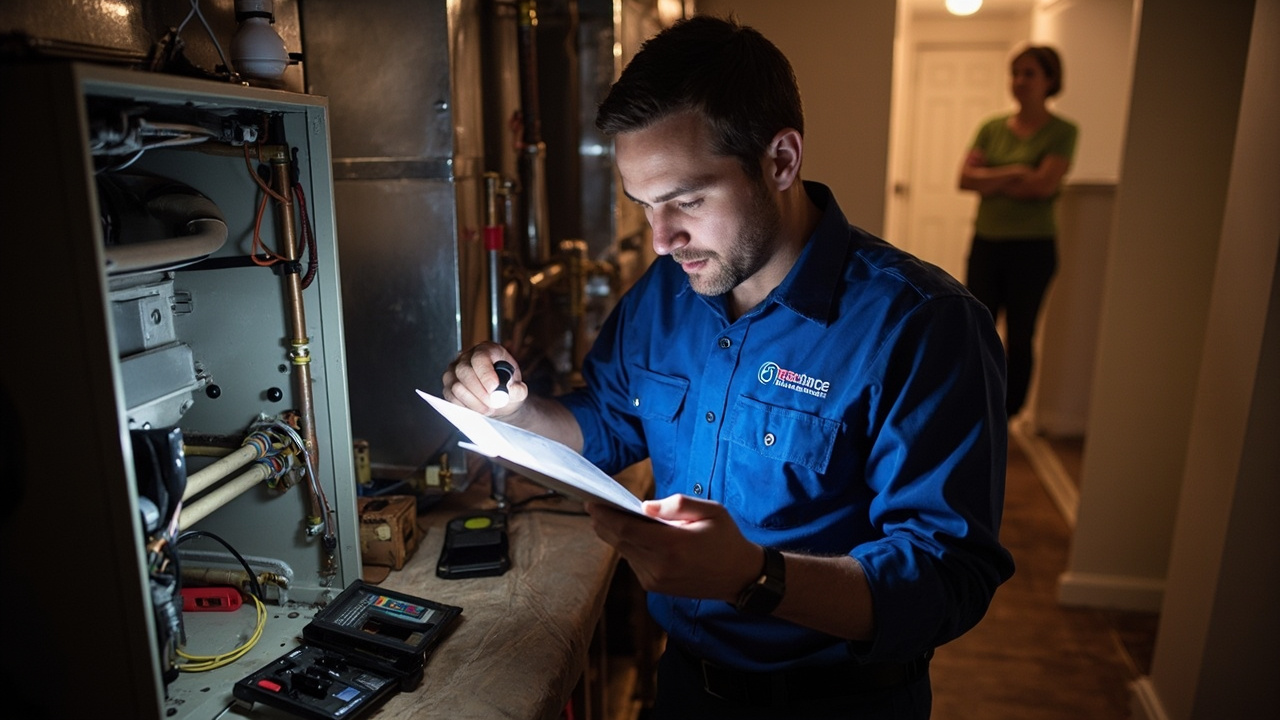
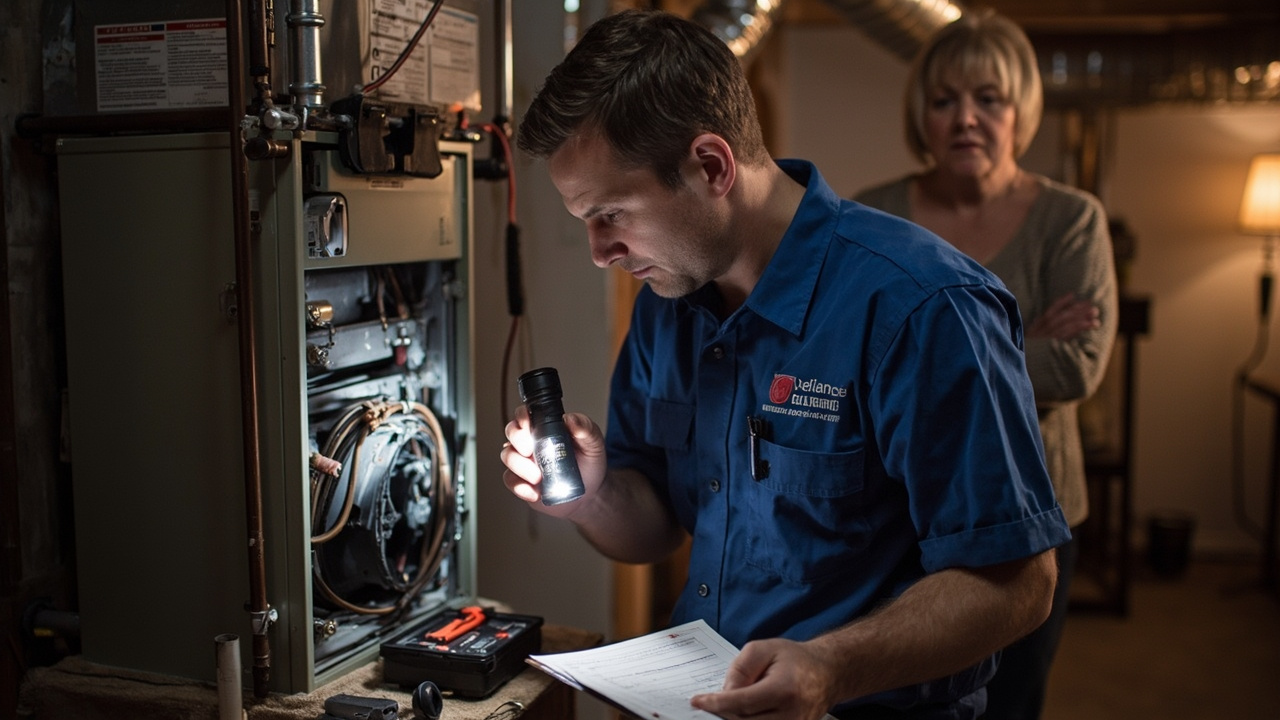
Heat exchanger inspection requires removing the blower assembly. We use a mirror and flashlight to examine every inch of metal for cracks, rust-through, or separation at welds. Hairline cracks leak combustion gases into your air supply. This step takes 20 minutes. Most companies skip it because it requires disassembly.

We test the pressure switch with a manometer to verify it closes at the correct negative pressure threshold. A failing pressure switch causes intermittent lockouts. We inspect the hot surface ignitor for micro-cracks that cause delayed ignition or complete failure. These ignitiors cost $150 to replace during a service call, but only $40 during planned maintenance.

Ductwork inspection matters as much as the furnace itself. We check supply and return plenums for air leaks. We verify damper operation if you have a zoned system. We measure temperature rise across the heat exchanger to ensure it falls within manufacturer specifications. Too high means restricted airflow. Too low means a gas pressure problem.

We clean flame sensors with emery cloth, not sandpaper. We vacuum burner assemblies to remove rust particles and debris. We lubricate blower motor bearings if accessible. We check capacitor microfarad ratings with a meter to catch weak capacitors before they fail.

This process takes 90 minutes. Rushed service calls miss critical details that lead to winter breakdowns.

How Your Furnace Maintenance Appointment Works

Furnace Maintenance Checklist in Indianapolis – Protect Your System Before Winter Hits
01

System Evaluation and Testing

We start with a complete operational test, running multiple heating cycles while monitoring ignition sequence, flame characteristics, and blower performance. Our technicians use digital manometers to measure gas manifold pressure and verify it matches your furnace nameplate specifications. We test thermostat operation and check for proper temperature differential between supply and return air. This baseline data tells us if your system operates within normal parameters before we begin the detailed inspection process.
02

Component Inspection and Cleaning

We disassemble the blower compartment and burner assembly for direct visual inspection of the heat exchanger. Our technicians examine ignition components, check for rust or corrosion on electrical connections, and clean the flame sensor and burner ports. We inspect the inducer motor for bearing wear and check the condensate drain system for clogs. Each component gets cleaned, tested, and evaluated for remaining service life. We document any parts showing wear patterns that suggest replacement within the next 12 months.
03

Documentation and Recommendations

You receive a detailed report showing combustion efficiency readings, temperature measurements, and component condition assessments. We explain any issues found and prioritize recommendations by urgency and safety impact. You get photos of worn components and clear cost estimates for suggested repairs. We provide a seasonal furnace service schedule recommendation based on your system age and usage patterns. This documentation helps you budget for future maintenance and proves system condition if you sell your home.

Why Indianapolis Homeowners Choose Local HVAC Expertise

Indianapolis building codes require specific venting configurations that out-of-town contractors miss. Homes in Broad Ripple, Fountain Square, and other historic districts often have older ductwork systems that need specialized knowledge. We understand how Indianapolis's high water table affects basement installations and condensate drainage issues.

Our technicians recognize the difference between a Carrier furnace installed in a 1960s ranch home in Lawrence Township and a high-efficiency modulating system in a new Fishers subdivision. The furnace tune-up checklist changes based on equipment age, installation location, and home construction type. Generic service protocols waste your time and miss critical issues.

We stock parts for common furnace brands installed throughout the Indianapolis metro area. When we find a cracked ignitor or failing pressure switch during maintenance, we replace it immediately. You do not wait three days for a part shipment. Your furnace maintenance checklist appointment solves problems that day.

Knowledge of local utility providers matters. Citizens Energy Group natural gas pressures vary by neighborhood. We adjust regulator settings to match your specific supply pressure. Incorrect gas pressure causes incomplete combustion, carbon monoxide production, and premature heat exchanger failure.

Indianapolis humidity levels require attention to condensate system performance. High-efficiency furnaces produce significant condensate during operation. Improper drainage leads to water damage, mold growth, and system lockouts. We verify proper slope on drain lines and test condensate pumps under load conditions.

We understand the seasonal demand patterns in Indianapolis. October through November is the ideal maintenance window. December through February means emergency service at premium rates. Planning your annual furnace inspection list around our climate patterns saves money and prevents mid-winter disasters.

Reliance HVAC Indianapolis maintains relationships with local suppliers and manufacturer representatives. When technical issues arise, we get direct support for complex problems that stump generic service companies.

What Happens During Your Scheduled Maintenance Visit

Appointment Scheduling and Arrival

We schedule furnace maintenance appointments in two-hour windows to give technicians adequate time for thorough inspections without rushing. You receive a confirmation call the day before and a text when the technician is 30 minutes away. Most appointments take 90 minutes, but we block extra time for older systems or if you have specific concerns. Fall scheduling fills quickly, so book your preventative heating maintenance guide appointment by mid-October. We offer evening and weekend appointments for homeowners with weekday work schedules.

Inspection Process and Communication

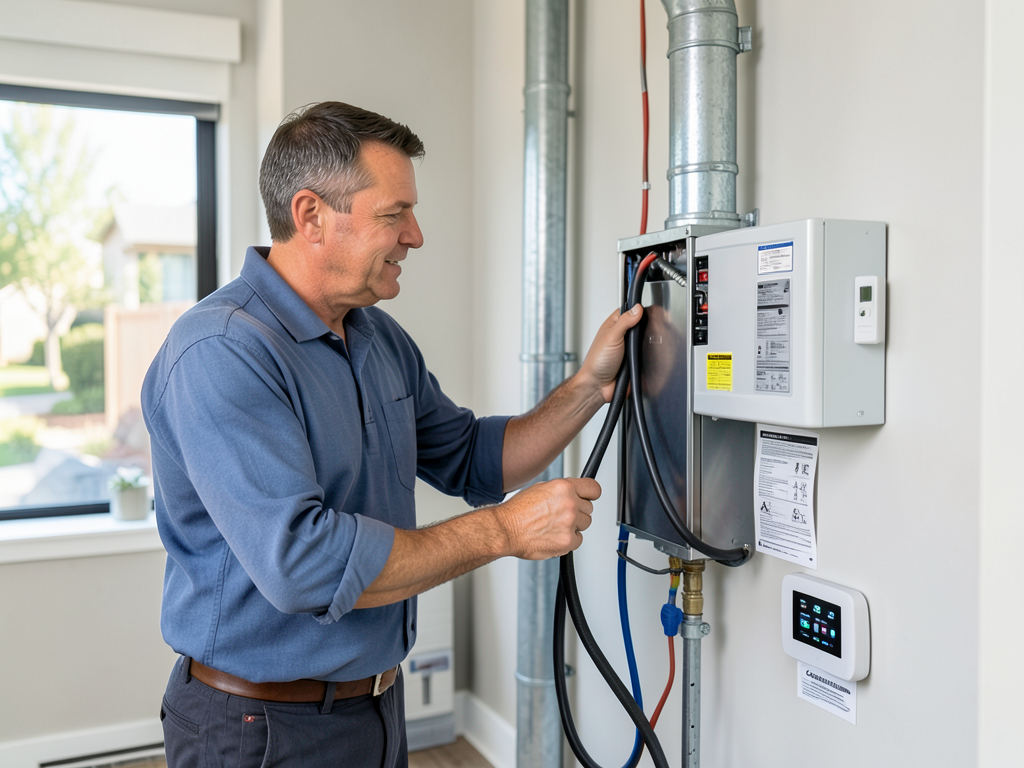
Our technicians explain each step of the heating system maintenance steps as they work. You see the components being tested and cleaned. We show you the condition of filters, heat exchangers, and blower assemblies. If we find issues, we stop and explain the problem, the safety implications, and repair options before proceeding. You make informed decisions about repairs, not rushed choices during an emergency breakdown. We take photos of any worn or damaged components and email you a complete inspection report within 24 hours.

System Performance Verification

After cleaning and inspection, we run complete heating cycles and verify all safety controls function correctly. You receive documentation showing combustion efficiency percentages, temperature rise measurements, and static pressure readings. We compare these numbers to manufacturer specifications and previous service records if available. Your furnace either passes inspection or we provide specific recommendations with cost estimates. We never leave your home with an unsafe heating system operating. If critical safety issues exist, we explain options for immediate repair or safe shutdown until repairs complete.

Maintenance Records and Future Planning

We maintain digital service records for every furnace we inspect. Your annual furnace inspection list history helps us track component wear patterns and predict future service needs. You receive a recommended service date for next year based on your equipment age and condition. We offer maintenance plan memberships that include priority scheduling, discounted repairs, and automatic appointment reminders. These plans make sense for furnaces over 10 years old or homeowners who forget to schedule seasonal maintenance. Consistent maintenance extends furnace lifespan by three to five years compared to neglected systems.

Frequently Asked Questions

You Have Questions,
We Have Answers

What maintenance should be done on a furnace? +

Proper furnace maintenance includes inspecting and cleaning the burner assembly, checking gas pressure and connections, testing the heat exchanger for cracks, replacing the air filter, and lubricating moving parts. A technician should verify proper ignition, inspect the blower motor and belts, clean the flame sensor, and test safety controls like the limit switch. In Indianapolis, humid summers create dust buildup that impacts winter performance, so cleaning blower components matters. The technician should also check thermostat calibration, inspect ductwork for leaks, and measure carbon monoxide levels to ensure safe operation through Indiana's cold season.

What is included in a furnace maintenance? +

A complete furnace maintenance visit includes filter replacement, burner cleaning, flame sensor inspection, and blower motor lubrication. The technician tests electrical connections, measures voltage and amperage, and inspects the heat exchanger for cracks or corrosion. They check gas pressure, clean or replace the igniter, and verify proper venting. Safety controls get tested, including the limit switch and pressure switch. Indianapolis homes face high humidity that accelerates wear, so condensate drain inspection matters too. The technician measures airflow, checks refrigerant levels if you have a heat pump, and calibrates your thermostat for accurate temperature control.

What is included in a furnace tune up? +

A furnace tune up covers filter replacement, burner assembly cleaning, and ignition system inspection. The technician lubricates the blower motor, tests electrical components, and checks gas connections for leaks. They inspect the heat exchanger, clean the flame sensor, and verify proper airflow through the system. Safety controls get tested to prevent malfunctions. In Indianapolis, where winters drop below freezing regularly, the technician measures carbon monoxide output and inspects venting to prevent dangerous buildup. They also calibrate the thermostat, tighten electrical connections, and check ductwork for leaks that waste energy during Indiana's cold months.

Can I do my own furnace maintenance? +

You can handle basic tasks like replacing filters monthly and keeping vents clear, but professional maintenance requires specialized tools and training. Indianapolis homeowners should avoid opening the furnace cabinet or adjusting gas components without expertise. Heat exchanger inspection needs a trained eye to spot dangerous cracks. Carbon monoxide testing requires calibrated equipment. Gas pressure adjustments and electrical diagnostics demand professional knowledge to prevent fire hazards or carbon monoxide poisoning. You risk voiding warranties by performing unauthorized repairs. Replace filters regularly and schedule annual professional service to keep your system safe and efficient through Indiana's heating season.

What is the $5000 rule? +

The $5000 rule helps homeowners decide between repairing or replacing a furnace. Multiply your furnace age by the estimated repair cost. If the result exceeds $5000, replacement makes better financial sense than repair. For example, if your 15-year-old furnace needs a $400 repair, that equals $6000, suggesting replacement. If your 8-year-old unit needs a $500 repair, that equals $4000, favoring repair. Indianapolis winters demand reliable heat, so factor in energy efficiency gains from newer models. Older furnaces waste energy, increasing utility bills. This calculation helps you make informed decisions about aging equipment.

What's the average cost of a furnace tune-up? +

Furnace tune up costs in Indianapolis typically range from $80 to $150 for a standard service visit. Pricing varies based on system complexity, accessibility, and whether repairs are needed beyond basic maintenance. High-efficiency models or dual-fuel systems may cost more to service. Many Indianapolis HVAC companies offer maintenance agreements that reduce per-visit costs and include priority scheduling during winter emergencies. Fall is the best time to schedule service before heating season begins. Annual maintenance prevents costly breakdowns during January cold snaps when service calls surge and emergency rates apply. Investing in regular tune ups extends equipment life and improves efficiency.

Do you really need to have your furnace serviced every year? +

Yes, annual furnace service prevents dangerous malfunctions and maintains efficiency. Indianapolis winters create heavy system usage from November through March, stressing components that fail without maintenance. Annual inspections catch small problems before they become expensive repairs. Carbon monoxide leaks develop gradually in cracked heat exchangers. Dirty burners waste gas and increase utility bills. Failed limit switches cause safety shutdowns during freezing weather. Most manufacturers require annual professional maintenance to keep warranties valid. Skipping service may void coverage when you need it most. Regular tune ups extend equipment life by 5 to 10 years and reduce energy consumption by up to 15 percent.

How much does it cost for someone to check your furnace? +

A basic furnace inspection in Indianapolis costs between $80 and $120 for a diagnostic visit. If you schedule a full maintenance tune up, inspection is included in the service price. Emergency diagnostic calls outside business hours cost more, often $150 to $200. Some companies waive diagnostic fees if you approve recommended repairs. During Indianapolis heating season, companies may offer promotional pricing to encourage off-peak scheduling. If you smell gas, hear unusual noises, or notice yellow flames instead of blue, get immediate inspection. Maintenance agreements often include free or discounted inspections. Investing in annual service prevents expensive emergency calls during winter.

Can I clean my furnace myself? +

You can replace filters and vacuum external debris, but deep furnace cleaning requires professional equipment and expertise. Indianapolis homeowners should avoid removing the blower assembly or cleaning burners without training. Improper cleaning damages delicate components like flame sensors and igniters. Gas burners need specific tools and knowledge to clean safely without creating fire hazards. Heat exchanger cleaning requires inspection for cracks that cause carbon monoxide leaks. Professionals use specialized brushes, vacuums, and cleaning solutions designed for HVAC equipment. Focus on changing filters monthly during heating season and keeping outdoor vents clear. Schedule professional cleaning annually for safe, thorough service.

What is the most expensive part to fix on a furnace? +

The heat exchanger is typically the most expensive furnace component to replace, often costing $1000 to $2000 plus labor. In Indianapolis, freeze-thaw cycles and high humidity accelerate corrosion in heat exchangers. Because heat exchanger replacement is so costly, many homeowners choose full furnace replacement instead, especially if the unit is over 15 years old. The blower motor ranks second, costing $400 to $600 with installation. Control boards run $200 to $600 depending on complexity. Induced draft motors and gas valves also carry significant replacement costs. Regular maintenance catches developing problems early, preventing catastrophic failures that require expensive component replacement.

How Indianapolis Temperature Swings Affect Your Furnace Maintenance Schedule

Indianapolis experiences some of the most dramatic temperature fluctuations in the Midwest, with 30 to 50 degree swings within 48 hours common from October through March. These rapid changes force your furnace to cycle on and off more frequently than in climates with stable cold weather. Heat exchangers expand and contract repeatedly, accelerating metal fatigue. Hairline cracks develop faster than in regions with steady winter temperatures. Your seasonal furnace service schedule needs to account for this stress by including detailed heat exchanger inspection every fall, not the quick visual check that works in milder climates.

Marion County enforces specific residential mechanical codes that differ from surrounding counties. Furnace installations in Indianapolis require carbon monoxide detectors within 15 feet of sleeping areas and proper clearances for combustion air supply. Our technicians verify code compliance during every maintenance visit because selling your home requires passing these inspections. We understand local permit requirements if your furnace needs replacement and work directly with Indianapolis building inspectors. This local knowledge prevents the permit delays and failed inspections that cost homeowners weeks of frustration and thousands in corrections.
HVAC Services in The Indianapolis Area

We are proud to serve the entire area, providing exceptional HVAC services to both residential and commercial clients. Our team is strategically located to ensure a fast response time, no matter where you are. View our service area on the map to see how we can bring our reliable, expert service right to your doorstep. Don't see your location? Give us a call anyway!

Address:
Reliance HVAC Indianapolis, 1225 N Meridian St, Indianapolis, IN, 46204

Additional Services We Offer

Our news updates

Latest Articles & News from The Blogs

The Pros and Cons of Inverter Driven AC Units for Temperature Stability in Meridian Hills Inverter-driven AC units offer a…

The Pros and Cons of Inverter Driven AC Units for Temperature Stability in Meridian Hills

The Pros and Cons of Inverter Driven AC Units for Temperature Stability in Meridian Hills Inverter-driven AC units offer a…

Cleaning Pine Needle and Sap Buildup from Your Outdoor AC Unit in The Old Northside

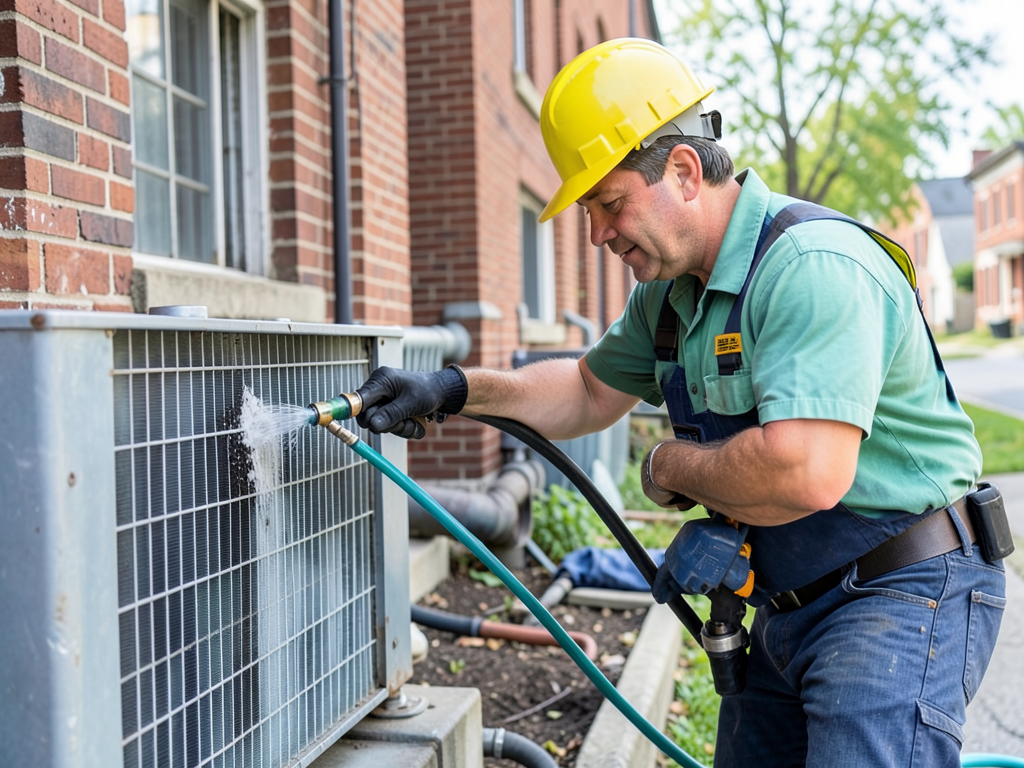
Cleaning Pine Needle and Sap Buildup from Your Outdoor AC Unit in The Old Northside Your outdoor AC unit works…

How an Upgraded HVAC System Boosts Your Resale Value in the Competitive Carmel Real Estate Market

How an Upgraded HVAC System Boosts Your Resale Value in the Competitive Carmel Real Estate Market Homeowners in Carmel face…

Contact Us

October appointments book solid by mid-September. Call (317) 688-8818 now to secure your maintenance slot before heating season starts. Same-week scheduling available through early October. Protect your furnace before winter demand hits.