
Menu

Geothermal Heating & Cooling in Indianapolis – Cut Your Energy Bills by Up to 70% Year-Round

Switch to ground source heat pump technology and eliminate your dependence on fluctuating natural gas prices while enjoying consistent indoor comfort through Indianapolis's humid summers and freezing winters with geothermal HVAC systems.

Slider Image 1
Slider Image 2
Slider Image 3
Slider Image 4
Slider Image 5
Slider Image 7
Slider Image 8
Slider Image 9
Slider Image 10
Slider Image 11

Why Indianapolis Homeowners Are Making the Switch to Geothermal Energy

Indianapolis sits in a climate zone where you need reliable cooling through 90-degree July afternoons and dependable heating when January temperatures drop below 20 degrees. Your conventional HVAC system works overtime to compensate for these swings, and your utility bills reflect that strain.

The soil temperature six feet below your property stays at a constant 50 to 55 degrees year-round. That stable thermal mass creates an opportunity. Geothermal heat pumps use that underground consistency as a baseline, requiring far less energy to condition your home compared to air-source systems that fight against outdoor temperature extremes.

Central Indiana's clay-heavy soil composition provides excellent thermal conductivity for ground-coupled heat pumps. The glacial till beneath most Indianapolis properties transfers heat efficiently, making geoexchange systems particularly effective in this region. You are not fighting against your geography. You are using it.

Conventional furnaces burn fuel to create heat. Air conditioners work against 95-degree air to cool your home. Geothermal HVAC systems simply move existing heat from one place to another, using the earth as a battery. That fundamental difference explains why ground source heat pumps use 25% to 50% less electricity than traditional heating and cooling equipment.

The upfront investment is higher. The operational savings are substantial and permanent. As natural gas prices fluctuate and electricity rates climb, your geothermal system's efficiency becomes more valuable every year. Indianapolis residents who installed these systems a decade ago are still seeing the same performance and savings today.

Why Indianapolis Homeowners Are Making the Switch to Geothermal Energy
How Geothermal Systems Deliver Consistent Comfort in Indiana's Variable Climate

How Geothermal Systems Deliver Consistent Comfort in Indiana's Variable Climate

A geothermal heat pump connects to a closed-loop pipe system buried in your yard. That loop contains a water and antifreeze mixture that circulates continuously. During winter, the fluid absorbs heat from the 55-degree ground and carries it to the heat pump inside your home. The heat pump concentrates that thermal energy and distributes it through your ductwork.

Summer reverses the process. Your heat pump extracts heat from your indoor air and transfers it into the ground loop, where the cooler earth absorbs it. The ground becomes a heat sink instead of a heat source. The same equipment handles both heating and cooling without burning any fuel.

The ground loop installation method depends on your lot size and soil conditions. Horizontal loops require about 1,500 to 3,000 square feet of yard space and run in trenches four to six feet deep. Vertical loops work for smaller properties, drilling boreholes 150 to 400 feet deep and installing U-shaped pipe configurations. Some Indianapolis properties near ponds or lakes can use open-loop systems that pull water directly from the source, extract or deposit heat, and return the water.

We size the system based on your home's heat loss and gain calculations, not rules of thumb. An undersized geothermal system will run constantly and fail to maintain comfort. An oversized system costs more upfront and cycles on and off too frequently, reducing efficiency and equipment lifespan. Proper load calculation accounts for your insulation levels, window quality, air sealing, and Indianapolis's specific climate data.

The indoor heat pump unit includes a desuperheater that captures waste heat to preheat your domestic hot water. This feature alone can reduce water heating costs by 30% to 40% and adds another layer of efficiency to the system.

What the Geothermal Installation Process Looks Like for Your Indianapolis Property

Geothermal Heating & Cooling in Indianapolis – Cut Your Energy Bills by Up to 70% Year-Round
01

Site Assessment and System Design

We evaluate your property's soil composition, available land area, and existing ductwork condition. A thermal conductivity test determines how efficiently your soil transfers heat. We perform a Manual J load calculation to size the heat pump correctly for your square footage, insulation levels, and window performance. This data drives every subsequent decision about loop configuration and equipment selection.
02

Ground Loop Installation

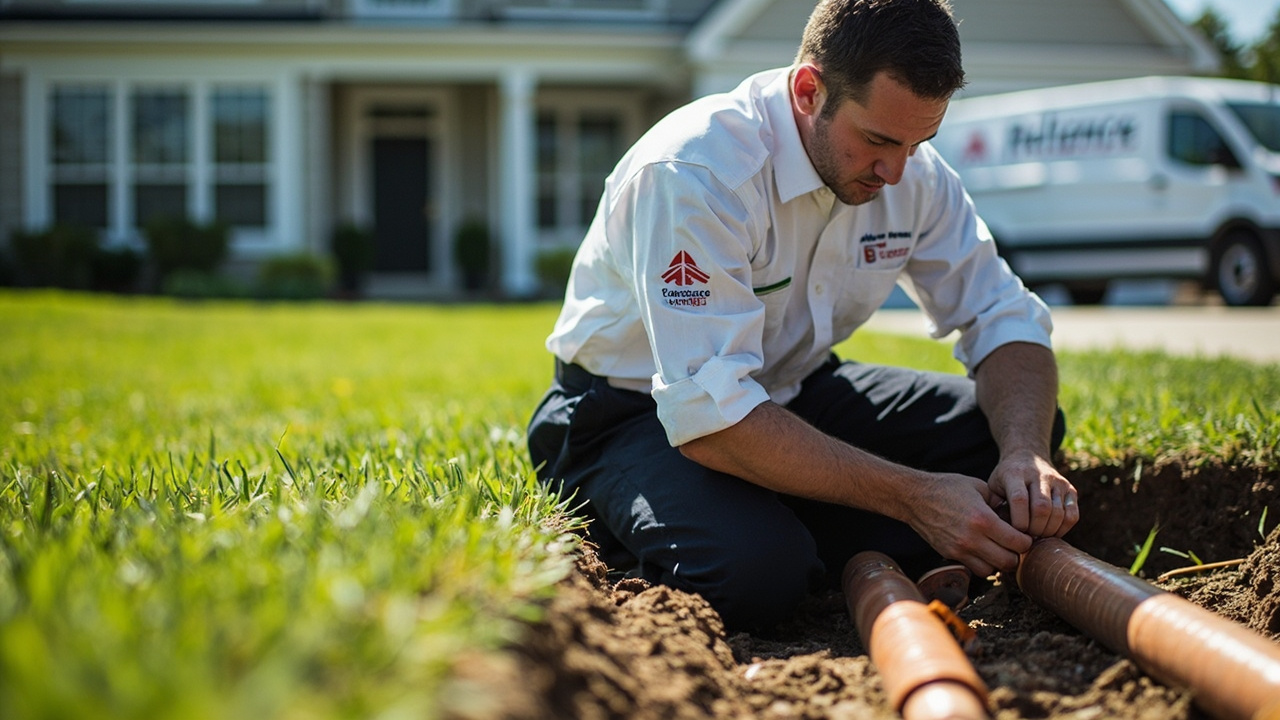
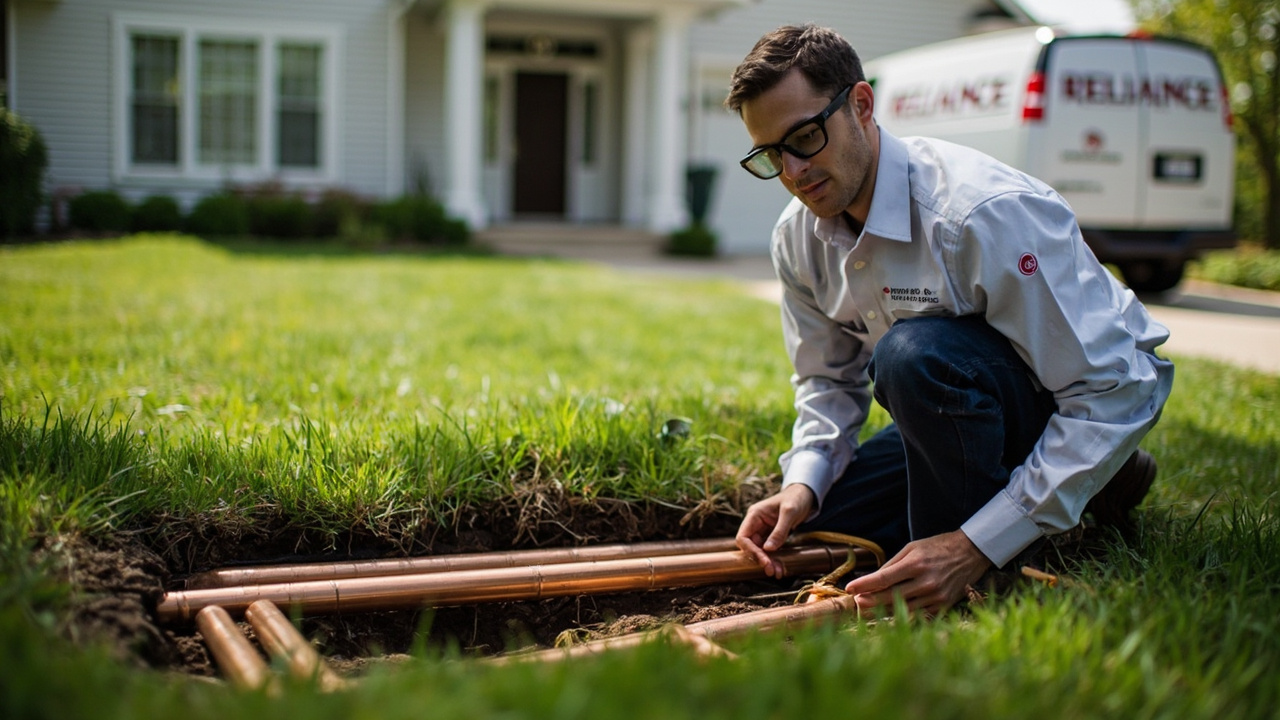
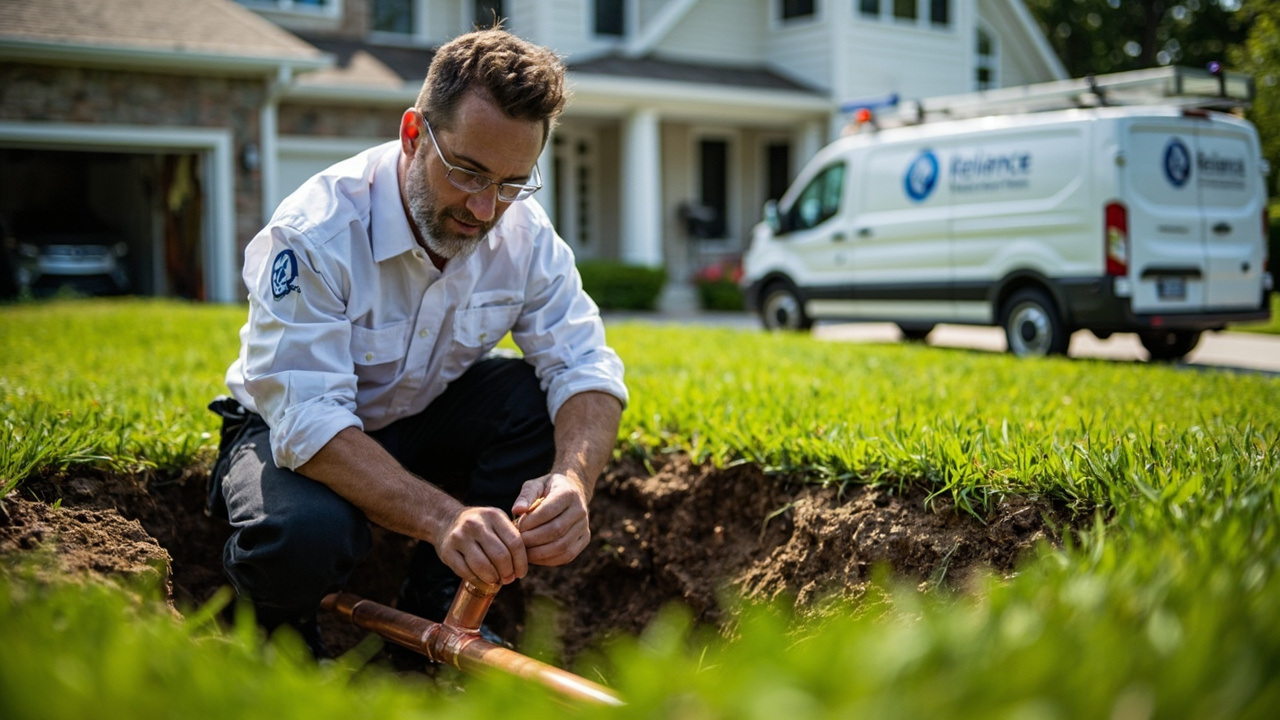
We excavate trenches for horizontal loops or drill boreholes for vertical installations. High-density polyethylene pipe goes into the ground with proper fusion welding at every joint to prevent leaks. The loop gets pressure-tested before backfilling to verify system integrity. We restore your landscaping and grade the soil to prevent drainage issues. This phase typically takes two to four days depending on loop type and soil conditions.
03

Heat Pump Connection and Commissioning

The indoor heat pump unit connects to your ground loop and ductwork. We charge the system with refrigerant, purge all air from the ground loop, and verify flow rates meet manufacturer specifications. Thermostat programming gets customized for your schedule and comfort preferences. We run the system through multiple heating and cooling cycles to confirm proper operation before walking you through the controls and maintenance requirements.

Why Indianapolis Properties Need Local Geothermal Expertise

Geothermal system performance depends entirely on correct installation. A loop field with inadequate pipe length will force your heat pump to work harder and eliminate your efficiency advantage. Improper purging leaves air pockets in the loop that reduce heat transfer. Poor fusion welds on underground piping can leak, requiring expensive excavation to locate and repair the failure.

Indiana's frost line sits at 36 inches below grade. Our horizontal loop installations account for this depth requirement while maintaining proper pipe spacing for thermal performance. We understand how the clay-heavy soils common in Marion County affect excavation methods and heat transfer rates. These details matter when your system needs to perform efficiently for 20 to 25 years.

Reliance HVAC Indianapolis has installed geothermal systems across the greater Indianapolis metro, from Carmel to Greenwood to neighborhoods in the historic districts downtown. We work with the local building departments regularly and understand their inspection requirements for mechanical systems and electrical connections. Your project moves forward without delays or compliance issues.

The federal tax credit for geothermal heat pump installation currently covers 30% of total project costs, including equipment and labor. We document your installation to meet IRS requirements for claiming this credit. The savings stack with utility company rebates that some Indianapolis residents qualify for, depending on their provider.

A poorly designed geothermal system will disappoint you. The equipment runs constantly, comfort suffers, and the promised savings never materialize. We have repaired installations from other contractors who skipped the thermal conductivity testing or undersized the loop field to save money. Those homeowners paid twice, once for the original installation and again for the corrections. Starting with proper design and execution eliminates that frustration and expense.

What to Expect When You Switch to Geothermal Energy

Project Timeline and Scheduling

The complete installation takes five to ten days from excavation to final commissioning. Weather affects the ground loop installation phase, so we schedule around rain forecasts to prevent muddy conditions that complicate excavation and restoration. Most homeowners remain in their homes during installation. The indoor work disrupts your daily routine for one to two days while we connect the heat pump and ductwork. We coordinate with your schedule to minimize inconvenience and keep you informed about each phase of the project as it progresses.

Initial Consultation and Cost Assessment

We walk your property to evaluate loop installation options and examine your current HVAC system and ductwork condition. You receive a detailed proposal that breaks down equipment costs, loop installation expenses, and any necessary ductwork modifications. We explain how the federal tax credit works and calculate your projected annual savings based on your current utility bills. This consultation typically takes 60 to 90 minutes and gives you the information needed to make an informed decision about moving forward with geothermal technology.

Performance and Comfort Results

Your geothermal system delivers steady, even temperatures without the hot and cold spots common with traditional furnaces. The heat pump runs longer cycles at lower intensity compared to conventional equipment, which creates more consistent comfort and better humidity control during Indianapolis's humid summer months. You will notice the difference in your utility bills within the first month of operation. Most Indianapolis homeowners see their heating and cooling costs drop by 40% to 70% compared to their previous system, with the exact savings depending on the equipment you replaced.

Maintenance and Long-Term Reliability

Geothermal heat pumps require minimal maintenance compared to furnaces and air conditioners. The ground loop is buried and protected from weather, animals, and debris. It requires no maintenance and will outlast the heat pump by decades. The indoor heat pump needs annual filter changes and periodic inspection of the blower motor and refrigerant charge, similar to any HVAC system. We recommend a professional maintenance visit every two years to verify system performance and clean the heat exchanger. The equipment typically lasts 20 to 25 years, significantly longer than conventional HVAC systems.

Frequently Asked Questions

You Have Questions,
We Have Answers

What is the downside of geothermal heating? +

The upfront cost is the main downside. Geothermal systems in Indianapolis require drilling bore holes or trenching your property, which costs more than traditional HVAC installations. You also need adequate yard space for the ground loop. Clay-heavy soil in many Indianapolis neighborhoods can increase drilling complexity and expense. Installation takes longer, sometimes weeks instead of days. If you lack the upfront capital or have a small urban lot, geothermal can be impractical. However, the long-term energy savings and federal tax credits offset this initial investment for most homeowners willing to plan ahead.

Is geothermal heating and cooling worth it? +

Yes, especially for Indianapolis homeowners planning to stay long-term. You will cut heating and cooling costs by 30 to 60 percent compared to traditional systems. The 30 percent federal tax credit reduces your upfront investment. Indianapolis experiences cold winters and humid summers, so your system runs year-round. Geothermal handles both efficiently without burning fossil fuels. You will recoup your investment in 5 to 10 years through lower utility bills. The indoor equipment lasts 25 years, the ground loop lasts 50 years. If you plan to move within five years, payback becomes tighter.

How does the 30% tax credit work for geothermal? +

The federal government offers a 30 percent tax credit on the total installed cost of your geothermal system through 2032. This applies to equipment, labor, and ground loop installation. You claim the credit when you file your taxes the year your system becomes operational. If your tax liability is lower than the credit amount, you can carry the remaining credit forward to future tax years. There is no cap on the credit amount. Keep all receipts and IRS Form 5695. Consult a tax professional to maximize your benefit and confirm eligibility for your specific situation.

What is the biggest problem when using geothermal energy? +

High upfront cost is the biggest problem. Drilling vertical bore holes or digging horizontal trenches for the ground loop requires specialized equipment and labor. Indianapolis soil conditions, particularly dense clay in many areas, can complicate installation and drive costs higher. You need enough land for the loop field. Urban lots or properties with limited yard space may not qualify. If your contractor lacks experience with geothermal, improper loop sizing or installation can reduce efficiency and cause costly repairs. Choose an installer familiar with Indianapolis geology and local building codes to avoid these pitfalls.

What is the life expectancy of a geothermal system? +

The indoor heat pump unit lasts 20 to 25 years with proper maintenance. The underground ground loop lasts 50 years or more because it has no moving parts and is protected from weather. This far exceeds traditional furnaces and air conditioners, which last 10 to 15 years. Indianapolis freeze-thaw cycles and soil shifting do not damage properly installed loops. You may need to replace the indoor components once, but the ground loop remains functional for decades. This longevity makes geothermal a smart investment for homeowners planning to stay in their Indianapolis property long-term.

What are 10 disadvantages of geothermal energy? +

High upfront cost. Requires significant yard space. Installation takes weeks. Not feasible for small urban lots. Clay soil in Indianapolis increases drilling difficulty. Needs specialized contractors. Longer payback period if you move soon. Ground loop leaks are expensive to repair. Performance depends on correct sizing. Not suitable for all property types. Refrigerant replacement can be costly. Less flexible for additions or renovations. Requires electrical supply for the pump. Can be noisy if improperly installed. Limited contractor availability in some areas. However, most disadvantages are offset by decades of low operating costs and reduced energy consumption.

How much does a geothermal system cost for a 2000 square-foot house? +

Installation costs range widely based on loop type, soil conditions, and system complexity. Horizontal loops are less expensive if you have yard space. Vertical drilling costs more but works on smaller lots common in older Indianapolis neighborhoods. Expect costs to reflect equipment, labor, and ground loop installation. The 30 percent federal tax credit reduces your net expense. Local utility rebates may be available. Get multiple quotes from contractors experienced with Indianapolis soil conditions. Factor in long-term energy savings and the system's 20 to 50 year lifespan when evaluating your investment.

Does geothermal require a lot of maintenance? +

No. Geothermal systems require less maintenance than traditional HVAC equipment. Change or clean air filters every one to three months. Schedule annual inspections to check refrigerant levels, electrical connections, and the pump. The ground loop is buried and maintenance-free. You avoid the seasonal furnace and AC tune-ups traditional systems need. Indianapolis homeowners appreciate the reduced hassle. No outdoor condenser means no coil cleaning or storm damage repairs. The simple design has fewer parts that can fail. Budget for occasional pump repairs or refrigerant top-offs, but overall upkeep is minimal compared to conventional systems.

Which is better, a heat pump or geothermal? +

Geothermal is a type of heat pump, just far more efficient. Air-source heat pumps extract heat from outdoor air. Geothermal extracts heat from the ground, which stays 50 to 55 degrees year-round in Indianapolis. This makes geothermal three to five times more efficient. Air-source pumps lose efficiency when outdoor temps drop below freezing, which happens often in Indianapolis winters. Geothermal performs consistently regardless of weather. Geothermal costs more upfront but saves more long-term. If you have the budget and property, geothermal is the better investment for Indianapolis climate conditions.

Is there an income limit for the geothermal tax credit? +

No. The 30 percent federal geothermal tax credit has no income limits or caps. You qualify regardless of how much you earn. The credit applies to your tax liability, not as a direct rebate. If your tax bill is less than the credit amount, you can carry the unused portion forward to future tax years. This makes geothermal accessible to a wide range of Indianapolis homeowners. You must own the property and use it as your primary or secondary residence. Rental properties do not qualify. Consult a tax advisor to confirm your eligibility and optimize your filing.

How Indianapolis's Soil Composition Creates Ideal Conditions for Geothermal HVAC Systems

Central Indiana sits atop thick layers of glacial till left behind when ice sheets retreated 20,000 years ago. This clay-heavy soil provides excellent thermal conductivity, meaning it transfers heat efficiently between your ground loop and the surrounding earth. Properties in Marion County and surrounding areas benefit from this geology, allowing geothermal systems to operate at peak efficiency year-round. The consistent soil moisture content in our region further enhances heat transfer rates, making Indianapolis one of the better locations in the Midwest for ground-coupled heat pump installations.

Indianapolis adopted updated energy codes in recent years that favor high-efficiency HVAC systems for new construction and major renovations. Our technicians understand these requirements and design geothermal installations that meet or exceed code standards without unnecessary complexity. We have established relationships with local inspectors and can navigate the permitting process efficiently. When you work with a contractor who understands Indianapolis's specific regulations and geological conditions, your project moves forward smoothly and delivers the performance you paid for.
HVAC Services in The Indianapolis Area

We are proud to serve the entire area, providing exceptional HVAC services to both residential and commercial clients. Our team is strategically located to ensure a fast response time, no matter where you are. View our service area on the map to see how we can bring our reliable, expert service right to your doorstep. Don't see your location? Give us a call anyway!

Address:
Reliance HVAC Indianapolis, 1225 N Meridian St, Indianapolis, IN, 46204

Additional Services We Offer

Our news updates

Latest Articles & News from The Blogs

The Pros and Cons of Inverter Driven AC Units for Temperature Stability in Meridian Hills Inverter-driven AC units offer a…

The Pros and Cons of Inverter Driven AC Units for Temperature Stability in Meridian Hills

The Pros and Cons of Inverter Driven AC Units for Temperature Stability in Meridian Hills Inverter-driven AC units offer a…

Cleaning Pine Needle and Sap Buildup from Your Outdoor AC Unit in The Old Northside

Cleaning Pine Needle and Sap Buildup from Your Outdoor AC Unit in The Old Northside Your outdoor AC unit works…

How an Upgraded HVAC System Boosts Your Resale Value in the Competitive Carmel Real Estate Market

How an Upgraded HVAC System Boosts Your Resale Value in the Competitive Carmel Real Estate Market Homeowners in Carmel face…

Contact Us

Call Reliance HVAC Indianapolis at (317) 688-8818 to schedule your property assessment. We will evaluate your lot, calculate your potential savings, and design a geothermal system sized correctly for your home. Stop paying for wasted energy and start using the ground beneath your property as a renewable heating and cooling source.