

Menu

HVAC Maintenance & Tune-Ups in Indianapolis – Keep Your System Running Through Midwest Temperature Swings

Professional seasonal HVAC check ups and preventative maintenance protect your heating and cooling system from Indianapolis's 60-degree temperature swings, high humidity summers, and subzero winter strain

Slider Image 1
Slider Image 2
Slider Image 3
Slider Image 4
Slider Image 5
Slider Image 7
Slider Image 8
Slider Image 9
Slider Image 10
Slider Image 11

Why Indianapolis Climate Demands Regular HVAC System Inspection

Indianapolis forces your HVAC system to work harder than most cities. Summer humidity regularly hits 70 percent, forcing your air conditioner to run longer cycles to remove moisture. Winter lows drop below zero, pushing your furnace into overdrive. Spring and fall bring 30 to 40-degree daily temperature swings that cycle your system on and off repeatedly.

This constant demand creates stress points. Your evaporator coil collects dust in our pollen-heavy springs. Condensate drain lines clog from humidity. Furnace heat exchangers expand and contract through freeze-thaw cycles. Blower motors strain under continuous use.

Most Indianapolis homeowners wait until something breaks. You hear a grinding noise or feel weak airflow. By then, a simple cleaning has become a compressor replacement or cracked heat exchanger. The repair bill jumps from routine maintenance to emergency replacement.

HVAC preventative maintenance catches problems early. A heating and cooling tune up identifies a failing capacitor before it burns out your compressor. An AC and furnace maintenance visit spots a cracked belt before it snaps on the coldest night. Regular HVAC system inspection extends equipment life by three to five years and cuts energy bills by 15 to 20 percent.

Indianapolis's climate does not allow you to skip maintenance. Your system runs nine months per year. The wear accumulates fast. Two seasonal HVAC check ups per year keep your equipment reliable when you need it most.

Why Indianapolis Climate Demands Regular HVAC System Inspection
What Professional HVAC Preventative Maintenance Actually Includes

What Professional HVAC Preventative Maintenance Actually Includes

Generic tune ups miss critical components. We perform comprehensive system diagnostics on both your condensing unit and air handler or furnace.

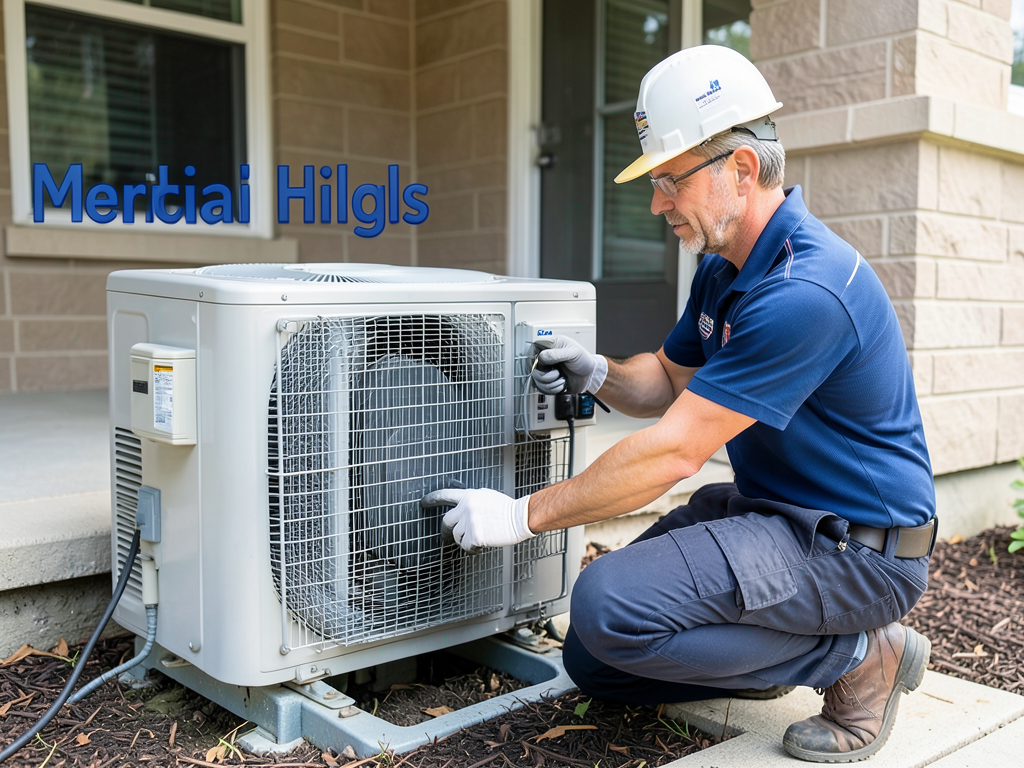
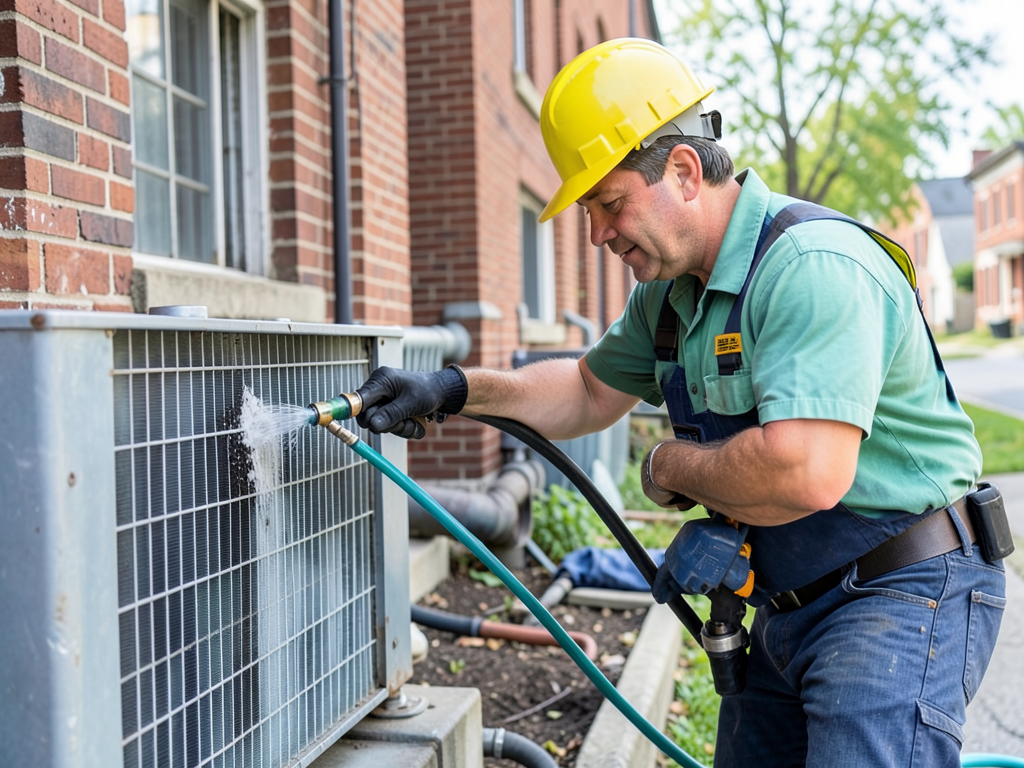
Air conditioning maintenance starts with refrigerant pressure testing. We measure superheat and subcooling to verify proper charge. Low refrigerant makes your compressor run hot and fail early. We check electrical connections at the contactor and capacitor, testing for voltage drop that signals corrosion. The condenser coil gets cleaned with specialized coil cleaner to remove cottonwood seeds and pollen that block airflow. We verify your condensate drain flows freely and is not backing up into your drain pan.

Furnace maintenance includes combustion analysis. We test your heat exchanger for cracks using a combustion analyzer that measures carbon monoxide and oxygen levels. A cracked heat exchanger leaks carbon monoxide into your home. We inspect your burner flames for proper color and shape. Yellow or orange flames indicate incomplete combustion. We test your ignitor resistance and flame sensor microamps to catch failures before they happen.

Both systems get blower motor inspection. We measure amp draw to verify your motor is not pulling excessive current. High amp draw signals bearing failure. We check your blower wheel for dust buildup that reduces airflow and strains the motor. Air filters get replaced with high-MERV filters appropriate for your system.

Thermostat calibration ensures accurate temperature control. We verify your system cycles properly and reaches temperature setpoint. This level of detail prevents breakdowns and maintains efficiency through Indianapolis's demanding weather.

How Your Maintenance Visit Works

HVAC Maintenance & Tune-Ups in Indianapolis – Keep Your System Running Through Midwest Temperature Swings
01

System Performance Testing

We start by running your system through a complete heating or cooling cycle. This shows us how your equipment performs under load. We measure temperature split across your evaporator coil, verify airflow at registers, and test thermostat response. Baseline readings tell us if your system operates within manufacturer specifications before we start the inspection. Any performance issues guide our diagnostic focus.
02

Component Inspection and Cleaning

Every critical component gets hands-on inspection. We remove access panels to examine your heat exchanger, evaporator coil, and blower assembly. Electrical connections are tightened. Moving parts are lubricated. Coils are cleaned with appropriate chemical cleaners. We test capacitors with a multimeter, check refrigerant pressures with manifold gauges, and verify combustion efficiency with a flue gas analyzer. This is where we catch problems before they cause failures.
03

Documentation and Recommendations

You receive a detailed report showing what we found and what we did. Photographs document any wear or developing issues. We explain which components have remaining life and which need monitoring. If we identify problems, you get clear options with explanations of urgency. You decide what gets fixed now and what can wait. No pressure, just professional guidance based on actual equipment condition.

Why Indianapolis Homeowners Choose Reliance HVAC for System Maintenance

Indianapolis HVAC systems face unique demands that generic maintenance plans miss. Reliance HVAC understands how our local climate affects your equipment. We know that homes near Eagle Creek or Geist Reservoir fight higher humidity that strains air conditioners. We recognize that older neighborhoods like Broad Ripple and Fountain Square have undersized ductwork that reduces efficiency. We understand that newer developments in Fishers and Carmel use high-efficiency equipment requiring specific maintenance protocols.

Our technicians carry diagnostic tools that most companies skip. Combustion analyzers verify your furnace burns cleanly. Refrigerant gauges ensure proper cooling capacity. Megohm meters test electrical safety. These tools find problems that visual inspection alone cannot detect.

We maintain detailed service records for every system we touch. When you call for maintenance, we know your equipment history. We remember that your compressor was replaced three years ago or that your heat exchanger showed minor corrosion last inspection. This continuity catches developing problems early.

Indianapolis building codes require proper combustion air for furnaces and water heaters. We verify your equipment meets current safety standards even if it was installed under older codes. This protects your family and prevents carbon monoxide issues common in tightly sealed homes.

You get transparent communication. If we find a problem, we explain what failed, why it failed, and what happens if you delay the repair. You receive options at different price points with honest guidance about urgency. We never create false emergencies or push unnecessary replacements.

Reliance HVAC operates year-round in Indianapolis. We are not a seasonal company that disappears in shoulder months. You get consistent service from technicians who know your system and your home.

What Your Maintenance Visit Includes

Service Timing and Scheduling

Most maintenance visits take 90 minutes to two hours depending on your equipment age and condition. We schedule appointments in two-hour windows and call 30 minutes before arrival. Spring and fall are peak seasons for tune ups. Book your heating and cooling tune up at least three weeks ahead during April, May, September, and October to secure your preferred date. We offer early morning, midday, and afternoon appointments to fit your schedule. Same-week availability is common during summer and winter months when demand is lower.

Comprehensive System Assessment

Your technician performs a 32-point inspection covering all system components. This includes electrical testing, refrigerant analysis, combustion efficiency testing, airflow measurement, and safety control verification. We use calibrated instruments to gather actual performance data rather than relying on visual inspection alone. You receive a printed report showing all test results and component conditions. Any problems are explained clearly with photographs showing what we found. The assessment identifies current failures, developing issues, and components with normal wear.

Performance Restoration

Standard maintenance includes cleaning that restores factory performance. Your evaporator coil gets chemically cleaned to remove dirt and biological growth. Your condenser coil is washed to remove cottonwood seeds, grass clippings, and pollen. Blower wheels are cleaned to restore proper airflow. Condensate drains are flushed to prevent backups. Air filters are replaced with high-quality filters matched to your system. These services alone typically improve efficiency by 10 to 15 percent and increase comfort by eliminating hot and cold spots caused by restricted airflow.

Ongoing System Monitoring

We track your equipment performance over time through detailed service records. Each visit builds a history showing how your system ages and which components develop wear patterns. This longitudinal data helps predict failures before they happen. If your compressor amp draw increases gradually over three years, we can schedule replacement during mild weather rather than waiting for emergency failure during a heat wave. You get proactive management rather than reactive crisis response. We recommend maintenance twice yearly in spring and fall to catch problems before peak demand seasons.

Frequently Asked Questions

You Have Questions,
We Have Answers

What does an HVAC tune-up include? +

An HVAC tune-up includes a thorough inspection and cleaning of your heating and cooling system. A technician checks refrigerant levels, tests thermostat calibration, inspects electrical connections, lubricates moving parts, and cleans or replaces air filters. The condenser and evaporator coils get cleaned to improve efficiency. Ductwork is examined for leaks. The blower motor and belt are inspected for wear. In Indianapolis, where humidity and seasonal temperature swings stress systems, technicians also check condensate drain lines to prevent clogs. This preventive service identifies small issues before they become expensive breakdowns and keeps your system running efficiently through Indiana's humid summers and cold winters.

What is the average cost of an HVAC tune-up? +

HVAC tune-up costs vary based on system type, age, and service package. Single-system tune-ups typically cost less than dual-system service for both heating and cooling. Older systems may require additional time and parts. Many Indianapolis HVAC companies offer seasonal maintenance plans that bundle tune-ups at a reduced rate compared to one-time service calls. Cost factors include refrigerant type, accessibility of your equipment, and whether ductwork inspection is included. While you should budget accordingly, focus on value rather than the lowest price. A thorough tune-up prevents breakdowns during Indianapolis's extreme weather and extends equipment lifespan, saving you money long-term.

What is the $5000 rule for HVAC? +

The $5000 rule helps homeowners decide whether to repair or replace a failing HVAC system. Multiply the age of your unit by the repair cost. If the result exceeds $5000, replacement makes more financial sense than repair. For example, a 12-year-old system needing a $500 repair equals $6000, suggesting replacement. This rule accounts for diminishing returns on older equipment. In Indianapolis, where freeze-thaw cycles and humidity accelerate wear, older systems lose efficiency quickly. While not absolute, this guideline helps you avoid throwing money into a system nearing end-of-life. Always get a professional assessment of remaining system lifespan before making your decision.

How often does HVAC need a tune-up? +

HVAC systems need professional tune-ups twice yearly in Indianapolis. Schedule air conditioning maintenance in spring before cooling season starts, and furnace maintenance in fall before heating season begins. Indianapolis's climate extremes demand this frequency. Humid summers stress cooling components while cold winters test heating elements. Seasonal maintenance catches problems early and maintains peak efficiency. If you run a heat pump year-round, biannual service is essential since the system works continuously. Homes with pets, high dust, or older systems may benefit from more frequent filter changes between professional visits. Consistent maintenance prevents mid-season breakdowns when you need your system most and weather creates high service demand.

How Indianapolis Humidity and Temperature Extremes Accelerate HVAC Wear

Indianapolis sits in a humid continental climate zone where summer dew points regularly exceed 70 degrees and winter temperatures drop below zero. This combination forces your HVAC system through extreme operational ranges. Your air conditioner works harder removing moisture than cooling air on humid July days. Your furnace cycles frequently through spring and fall temperature swings. The constant demand creates wear patterns specific to our region. Compressors fail from extended run times. Heat exchangers crack from thermal cycling. Blower motors burn out from continuous operation. Regular AC and furnace maintenance addresses these climate-specific stress points before they cause failures.

Indianapolis mechanical codes require annual HVAC system inspection for rental properties and commercial buildings. Residential systems benefit from the same maintenance schedule even though it is not mandated. Local HVAC contractors understand regional equipment challenges like cottonwood seed buildup in condenser coils each June and ice damming effects on outdoor units during January freezes. Reliance HVAC technicians work exclusively in the Indianapolis metro area. We know which equipment brands perform best in our climate, which local wholesalers stock parts quickly, and how Marion County permits affect system replacements. This local expertise ensures your maintenance visit addresses real problems rather than following generic checklists designed for different climates.
HVAC Services in The Indianapolis Area

We are proud to serve the entire area, providing exceptional HVAC services to both residential and commercial clients. Our team is strategically located to ensure a fast response time, no matter where you are. View our service area on the map to see how we can bring our reliable, expert service right to your doorstep. Don't see your location? Give us a call anyway!

Address:
Reliance HVAC Indianapolis, 1225 N Meridian St, Indianapolis, IN, 46204

Additional Services We Offer

Our news updates

Latest Articles & News from The Blogs

The Pros and Cons of Inverter Driven AC Units for Temperature Stability in Meridian Hills Inverter-driven AC units offer a…

The Pros and Cons of Inverter Driven AC Units for Temperature Stability in Meridian Hills

The Pros and Cons of Inverter Driven AC Units for Temperature Stability in Meridian Hills Inverter-driven AC units offer a…

Cleaning Pine Needle and Sap Buildup from Your Outdoor AC Unit in The Old Northside

Cleaning Pine Needle and Sap Buildup from Your Outdoor AC Unit in The Old Northside Your outdoor AC unit works…

How an Upgraded HVAC System Boosts Your Resale Value in the Competitive Carmel Real Estate Market

How an Upgraded HVAC System Boosts Your Resale Value in the Competitive Carmel Real Estate Market Homeowners in Carmel face…

Contact Us

Call Reliance HVAC at (317) 688-8818 to book your seasonal HVAC check up. We offer maintenance visits six days per week with flexible scheduling. Your system needs professional attention before the next temperature extreme hits Indianapolis. Book your appointment now.