
Menu

AC Unit Leaking Water in Indianapolis – Expert Diagnosis and Fast Repair to Stop Damage

When you spot an AC water leak, you need technicians who understand condensate drain clogs, frozen evaporator coils, and refrigerant issues. We diagnose the root cause and fix AC units leaking water the right way.

Slider Image 1
Slider Image 2
Slider Image 3
Slider Image 4
Slider Image 5
Slider Image 7
Slider Image 8
Slider Image 9
Slider Image 10
Slider Image 11

Why Your Air Conditioner Is Dripping Water in Indianapolis

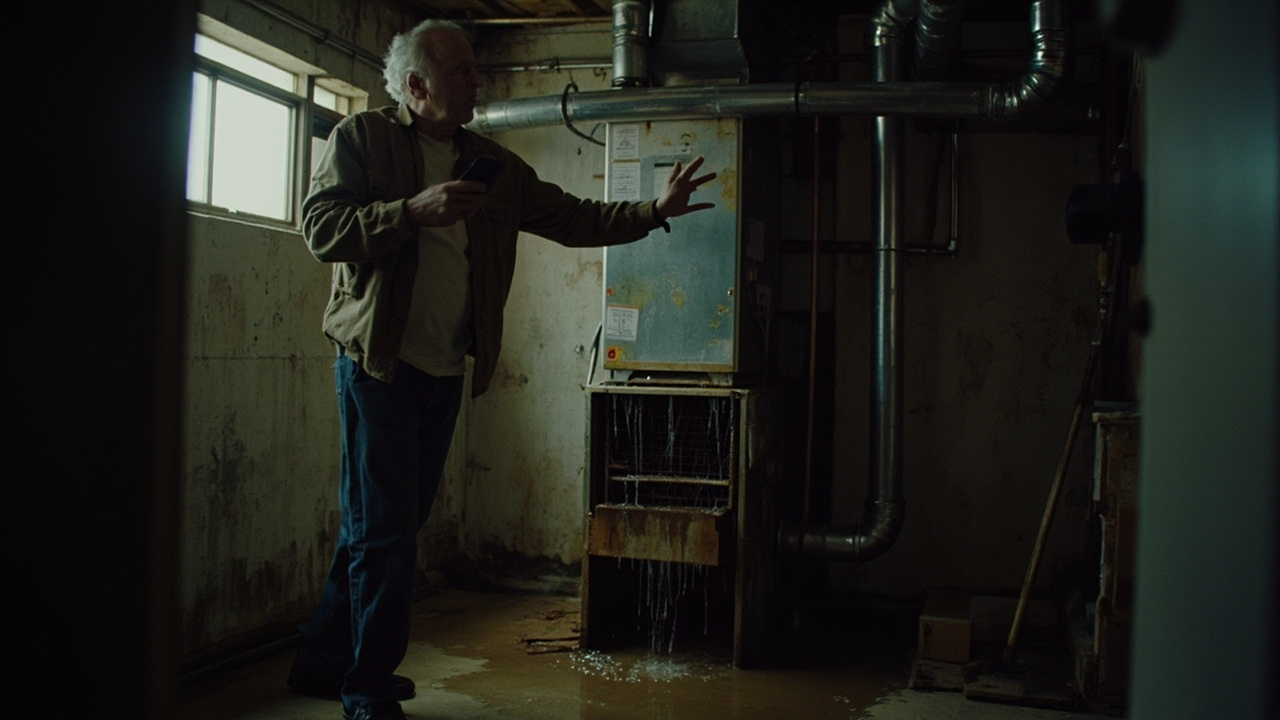
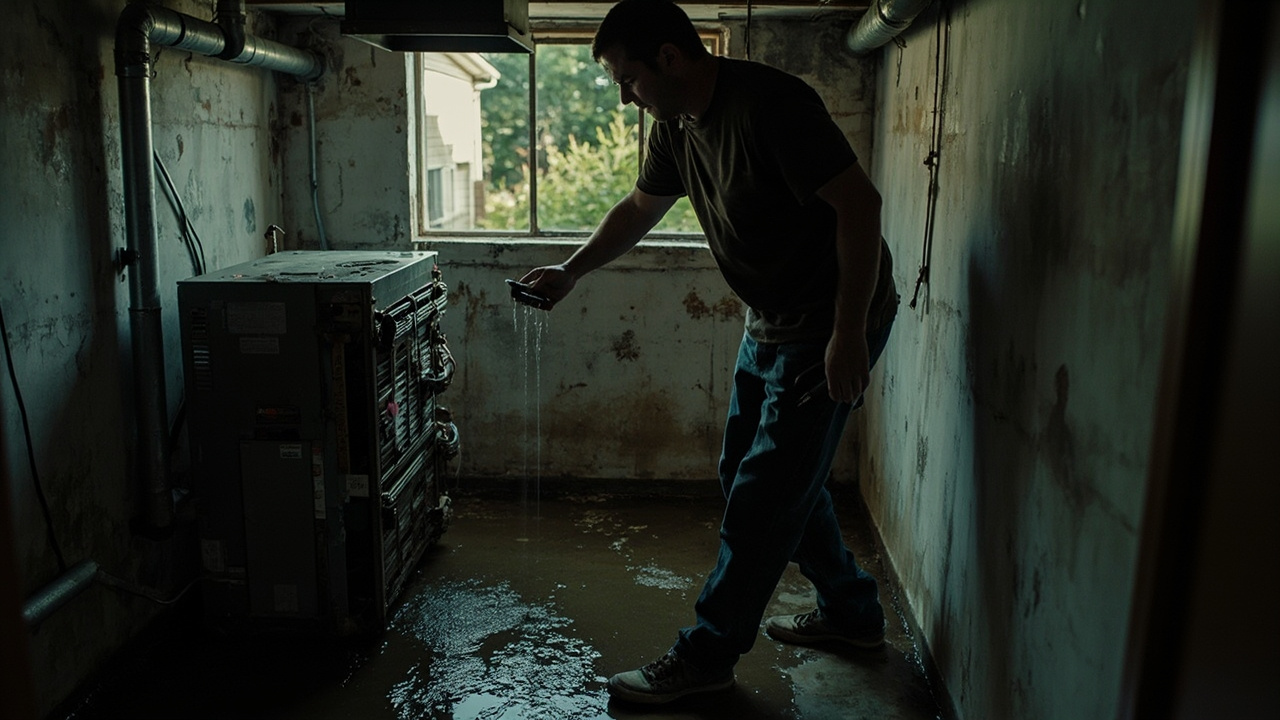
You walk past your air conditioner and see a puddle forming on the floor. Maybe water is dripping from the AC unit, or you notice moisture collecting around the indoor handler. This is not normal, and it signals a problem that will get worse if ignored.

Indianapolis's humid summers create the perfect storm for AC system leaking water. When outdoor humidity stays high for weeks, your evaporator coil works overtime to pull moisture from the air. That moisture normally drains away through the condensate line. But when that line clogs with algae, mold, or sediment, water backs up. It overflows the drain pan and leaks onto your floor, your ceiling, or into your walls.

Air conditioning leaking water can also mean your evaporator coil froze. Low refrigerant levels, restricted airflow from a dirty filter, or a failing blower motor can cause ice to form on the coil. When the ice melts, you get a sudden flood of water that overwhelms the drain pan.

Another common cause is a cracked drain pan. Older units develop rust or cracks in the pan that sits under the evaporator coil. Even a small crack lets water escape every time your system runs.

Water damage spreads fast. It ruins drywall, warps hardwood floors, and creates the damp conditions mold needs to grow. You might also see higher energy bills because a struggling AC system works harder to cool your home. The longer you wait, the more expensive the fix becomes.

When you see an air conditioner dripping water, the first step is to turn off the system. Then call a technician who can diagnose the real problem and stop the leak before it causes structural damage.

Why Your Air Conditioner Is Dripping Water in Indianapolis
How We Fix Water Dripping from AC Units

How We Fix Water Dripping from AC Units

We do not guess. We diagnose. When you call about an AC water leak, we send a technician who understands the mechanics of refrigerant cycles, condensate drainage, and evaporator coil operation.

First, we inspect the condensate drain line. We check for blockages caused by algae buildup, dirt, or mold. If the line is clogged, we clear it using a wet-dry vacuum or specialized cleaning tools. We also inspect the P-trap to make sure it is not dry or improperly installed. A dry P-trap lets sewer gases enter your home and disrupts proper drainage.

Next, we check the drain pan. If the pan is cracked or rusted, we replace it. Temporary fixes like sealant do not last, and we will not patch a problem that needs a permanent solution.

We also examine the evaporator coil and refrigerant levels. If the coil is frozen, we identify the cause. It could be low refrigerant from a leak, a dirty air filter restricting airflow, or a failing blower motor. We test refrigerant pressure using manifold gauges, inspect the filter, and measure airflow at the registers.

If refrigerant is low, we locate the leak using electronic leak detectors or UV dye. We repair the leak, evacuate the system, and recharge it to the manufacturer's specifications. We do not just add refrigerant and walk away. That band-aid fix wastes your money and damages the environment.

We also check the float switch in the drain pan. This safety device shuts off your AC system if water backs up. If the switch is faulty or bypassed, we replace it. A working float switch prevents catastrophic water damage.

Every repair comes with a full explanation of what we found, what we fixed, and what you can do to prevent future leaks.

What Happens When You Call About AC Water Leaks

AC Unit Leaking Water in Indianapolis – Expert Diagnosis and Fast Repair to Stop Damage
01

Initial System Assessment

We arrive and inspect your indoor air handler, condensate drain line, and drain pan. We check for visible water damage, measure refrigerant pressure, and test airflow. This diagnostic phase identifies whether you have a clog, a frozen coil, a refrigerant leak, or a failed component. We explain what we find before we touch a single tool.
02

Targeted Repair Work

We clear clogged drain lines, replace cracked drain pans, repair refrigerant leaks, or replace faulty float switches. We use OEM parts when possible and do not cut corners with generic components. If your evaporator coil froze, we thaw it safely, identify the airflow or refrigerant issue, and fix it. You get a permanent solution, not a temporary patch.
03

System Testing and Prevention

After the repair, we run your system and monitor the condensate drain. We verify proper drainage, check refrigerant levels, and make sure the evaporator coil maintains the correct operating temperature. We also walk you through simple maintenance steps, like changing your filter monthly and pouring a cup of white vinegar down the drain line every few months to prevent algae growth.

Why Indianapolis Homeowners Trust Reliance HVAC for AC Repairs

When your air conditioning is leaking water, you need a company that understands the specific challenges of Indianapolis's climate and housing stock. We have worked in everything from historic Meridian-Kessler bungalows to newer subdivisions in Fishers and Carmel. We know the quirks of older ductwork, the common drain line routing issues in split-level homes, and the ventilation challenges in finished basements.

Indianapolis building codes require specific condensate drain installations for new AC systems. We follow those codes during repairs and replacements. If your system was installed incorrectly by a previous contractor, we identify the violation and correct it. A drain line that slopes the wrong way will never drain properly, no matter how many times you clear it.

We also understand how Indianapolis's seasonal humidity swings affect your system. Spring and summer bring heavy moisture loads that stress condensate drains. Fall and winter bring freeze-thaw cycles that can crack outdoor line sets and create refrigerant leaks. We account for these factors during diagnostics and recommend preventive measures.

You will not get a sales pitch for a new system unless your current equipment is truly beyond repair. We fix what can be fixed. If replacement makes more sense, we explain why and give you options that fit your budget and your home's cooling needs.

Our technicians carry the tools and parts needed for most AC water leak repairs on the truck. That means we can often complete the job in one visit. No waiting days for parts to arrive while water continues damaging your home.

We also offer transparent pricing. You get a written estimate before we start work. No surprise charges, no hidden fees.

What You Can Expect When We Repair Your Leaking AC

Same-Day Service Availability

We know AC water leaks cause immediate damage. Water does not wait for a convenient appointment time. We offer same-day service for most repair calls. When you call, we provide a realistic arrival window and keep you updated if anything changes. Our goal is to get the leak stopped and your system running safely as quickly as possible. If we cannot complete the repair the same day, we will explain why and schedule the soonest available follow-up.

Thorough Diagnostic Process

We do not assume the first obvious issue is the only issue. A clogged drain line might be a symptom of a larger problem, like an oversized AC system that short-cycles and never runs long enough to establish proper drainage. We test refrigerant levels, measure airflow, inspect ductwork for leaks, and check electrical components. You get a complete picture of your system's health, not just a quick fix for the visible symptom. This approach prevents repeat service calls.

Clean, Professional Work

We treat your home with respect. Our technicians wear shoe covers, lay down drop cloths, and clean up after every repair. If we need to access your attic or crawl space, we leave it as clean as we found it. You should not have to mop up after an HVAC repair. We also take the time to explain what we did and answer your questions in plain language. You deserve to understand how your system works.

Ongoing Maintenance Support

After we fix the leak, we offer maintenance plans that include annual condensate drain cleaning, filter replacement reminders, and priority scheduling for future repairs. Regular maintenance prevents most AC water leaks. We inspect drain pans for early signs of rust, clear drain lines before they clog completely, and catch refrigerant leaks when they are small and inexpensive to fix. Prevention costs less than emergency repairs and water damage restoration.

Frequently Asked Questions

You Have Questions,
We Have Answers

How do I stop my air conditioner from leaking water? +

First, turn off your AC to prevent further water damage. Check the condensate drain pan under your indoor unit for clogs or cracks. If the pan is full, the drain line is blocked. Clear debris from the drain line opening. Replace your air filter if it looks dirty, as restricted airflow causes coil freezing and excess water. Indianapolis homes face high humidity from May through September, which increases condensation. If the leak continues after these steps, the drain line needs professional cleaning or your evaporator coil may have ice buildup from refrigerant issues.

Can I still use my AC if it's leaking water? +

You can run your AC temporarily if water leaks outside at the condensate line, as this is normal drainage. If water pools inside your home near the furnace or air handler, turn the system off immediately. Indoor leaks indicate a clogged drain line or frozen evaporator coil. Continuing to run the unit causes water damage to ceilings, walls, and flooring. Indianapolis humidity makes drain clogs common, especially in older systems. Running a leaking unit also strains the compressor and can lead to expensive repairs. Stop the leak first, then restore cooling.

Is a leaking AC unit an emergency? +

Indoor AC leaks require urgent attention but are not life-threatening emergencies. Water pooling near electrical components creates shock and fire risks. Ceiling leaks can collapse drywall and ruin insulation. If water spreads across floors or drips through ceilings, shut off the AC and call for same-day service. Indianapolis homes with finished basements face mold growth within 48 hours of water exposure. If the leak is minor and contained to the drain pan, you have time to schedule a repair within 24 hours. Never ignore indoor water, as damage compounds quickly.

How do I unclog my AC condensate drain line? +

Locate the condensate drain line, a PVC pipe near your outdoor unit. Pour one cup of white vinegar or bleach into the drain pan access port inside your home. Wait 30 minutes, then flush with water. For stubborn clogs, use a wet-dry vacuum on the outdoor drain opening to suction out debris. Indianapolis homes accumulate algae and mold in drain lines due to high humidity and warm summers. If the clog persists, a technician will use compressed air or a specialized brush to clear buildup. Flush your line every three months to prevent blockages.

Should I turn off my AC if it's leaking water outside? +

No. Water dripping outside from the condensate line is normal operation. Your AC removes humidity from indoor air, and that moisture drains outside through a dedicated line. In Indianapolis summers, a properly running system can drain several gallons daily. Only turn off your AC if water leaks inside your home or if ice forms on refrigerant lines. If no water drains outside during humid weather, your line may be clogged, causing water to back up indoors. Outside drainage is expected. Inside leaks are the problem.

What is the 3 minute rule for AC? +

The 3 minute rule prevents compressor damage after your AC cycles off. Wait at least three minutes before restarting the system. This allows refrigerant pressure to equalize between the high and low sides of the system. Restarting too quickly forces the compressor to start against high pressure, which burns out the motor over time. Indianapolis heat waves tempt homeowners to restart AC units immediately after thermostat adjustments. Let the system rest. Modern thermostats have built-in delay timers, but manual restarts bypass this protection. Patience saves your compressor.

Can I fix a leaking AC myself? +

You can fix minor leaks caused by clogged drain lines or dirty air filters. Replace the filter, clear visible debris from the drain pan, and flush the line with vinegar. These tasks require no special tools. However, refrigerant leaks, frozen coils, cracked drain pans, and damaged condensate pumps need professional diagnosis. Indianapolis building codes require licensed technicians to handle refrigerant. Misdiagnosing the problem wastes money on wrong parts. If basic cleaning does not stop the leak within an hour, call a technician. DIY fixes work for maintenance issues, not mechanical failures.

What happens if I ignore an AC leak? +

Ignoring an AC leak causes exponential damage. Water ruins drywall, insulation, and flooring. Mold grows within 48 hours in Indianapolis humidity, triggering allergies and respiratory problems. Electrical components near the air handler corrode and short out, creating fire risks. The underlying cause worsens. A clogged drain becomes a cracked pan. A frozen coil becomes a failed compressor. What starts as a simple drain cleaning escalates to thousands in repairs plus mold remediation. Address leaks immediately. Waiting transforms a minor fix into major property damage and system replacement.

Should I call a professional for AC leaks? +

Yes. Call a professional if basic troubleshooting does not stop the leak. Technicians diagnose refrigerant leaks, frozen evaporator coils, failed condensate pumps, and cracked drain pans that homeowners cannot fix. Indianapolis HVAC systems work hard against summer humidity, which accelerates wear on drain components. Professionals use pressure tests, leak detectors, and camera inspections to find hidden problems. Attempting refrigerant repairs without certification is illegal and dangerous. If water leaks inside your home or ice forms on refrigerant lines, you need expert service. Schedule a diagnostic visit to prevent permanent damage.

What is the $5000 rule for AC? +

The $5000 rule guides repair versus replacement decisions. If your AC repair costs more than $5000, or if the repair cost multiplied by the system age in years exceeds $5000, replace the unit instead. For example, a $1000 repair on a six-year-old system equals $6000, suggesting replacement. Indianapolis homeowners should factor in energy efficiency gains from new systems, which offset replacement costs through lower utility bills. A leaking AC rarely hits $5000 in repairs unless the compressor fails. Most drain and coil issues cost $200 to $800 to fix.

How Indianapolis's High Humidity Accelerates AC Condensate Problems

Indianapolis summers bring sustained humidity levels that push air conditioning systems harder than dry climates. When outdoor dew points stay in the 60s and 70s for weeks, your evaporator coil pulls gallons of water from the air every day. That moisture flows through the condensate drain line constantly. The warm, damp conditions inside that drain line create the perfect environment for algae and mold growth. A drain line that stays clear in Phoenix or Denver will clog in weeks here. Indianapolis homeowners need proactive drain line maintenance, not reactive emergency repairs after water has already damaged ceilings and floors.

Reliance HVAC understands the local building practices that affect AC drainage. Older Indianapolis homes often have condensate drains that terminate in basement floor drains or sump pits. These installations are prone to backups when heavy rains overwhelm municipal storm sewers. We have also seen drain lines routed improperly through unconditioned attics, where summer heat accelerates algae growth. We bring local knowledge to every repair. We know which neighborhoods have clay soil that shifts and cracks foundation drains. We know which subdivisions used builders who cut corners on HVAC installations. That local expertise helps us diagnose problems faster and recommend solutions that work long-term.
HVAC Services in The Indianapolis Area

We are proud to serve the entire area, providing exceptional HVAC services to both residential and commercial clients. Our team is strategically located to ensure a fast response time, no matter where you are. View our service area on the map to see how we can bring our reliable, expert service right to your doorstep. Don't see your location? Give us a call anyway!

Address:
Reliance HVAC Indianapolis, 1225 N Meridian St, Indianapolis, IN, 46204

Additional Services We Offer

Our news updates

Latest Articles & News from The Blogs

The Pros and Cons of Inverter Driven AC Units for Temperature Stability in Meridian Hills Inverter-driven AC units offer a…

The Pros and Cons of Inverter Driven AC Units for Temperature Stability in Meridian Hills

The Pros and Cons of Inverter Driven AC Units for Temperature Stability in Meridian Hills Inverter-driven AC units offer a…

Cleaning Pine Needle and Sap Buildup from Your Outdoor AC Unit in The Old Northside

Cleaning Pine Needle and Sap Buildup from Your Outdoor AC Unit in The Old Northside Your outdoor AC unit works…

How an Upgraded HVAC System Boosts Your Resale Value in the Competitive Carmel Real Estate Market

How an Upgraded HVAC System Boosts Your Resale Value in the Competitive Carmel Real Estate Market Homeowners in Carmel face…

Contact Us

Water dripping from your AC unit will not fix itself. Call Reliance HVAC Indianapolis at (317) 688-8818 right now. We will diagnose the problem, stop the leak, and protect your home from further damage. Same-day service available.