



Carmel sits in the humid continental climate zone where HVAC systems face extreme seasonal swings. Winter temperatures regularly drop below 20 degrees, forcing furnaces to run constantly through extended cold snaps. Summer brings humid 90-degree days where air conditioners battle both heat and moisture, working overtime to maintain comfort.
The clay-rich soil throughout Hamilton County creates drainage challenges that affect outdoor condensing units. Poor drainage around AC units leads to settling, refrigerant line stress, and premature compressor failure. Homes in neighborhoods like West Clay and Spring Mill Estates experience foundation movement that can pull ductwork apart at seams, causing massive energy loss.
Indiana's temperature swings also stress equipment. A 60-degree temperature difference between summer highs and winter lows forces both heating and cooling systems through intense seasonal workloads. Systems that aren't maintained properly fail when you need them most. The freeze-thaw cycles common to Carmel damage outdoor units, crack drain lines, and cause expansion joints to fail. Proper installation matters because shortcuts taken during construction show up as emergency service calls later.
Reliance HVAC Indianapolis built its reputation responding to emergency calls throughout the Indianapolis metro area, including every neighborhood in Carmel. When your system fails at 9 PM on Saturday, you need a company that actually answers the phone and dispatches a technician, not a voicemail promising a callback Monday morning.
We stock our trucks with the parts that fail most often in this climate. Capacitors, contactors, circuit boards, and thermostats are on every truck because we know what breaks in Indiana's weather extremes. This means we fix your problem on the first visit instead of ordering parts and rescheduling. You get cooling or heating restored the same day.
Our technicians train specifically on the equipment brands installed most commonly in Carmel homes. We work on every major brand, but we know the quirks of Carrier, Lennox, Trane, and Goodman systems because that's what builders install in Hamilton County subdivisions. This experience speeds diagnosis and prevents misdiagnosis that leads to unnecessary part replacement.
We also understand Carmel building codes and inspection requirements. When we install new equipment or modify existing systems, the work passes inspection the first time. We pull permits, coordinate inspections, and document everything properly. This protects your home value and prevents issues when you sell. Buyers walk away from homes with unpermitted HVAC work, and appraisers flag it as a defect.

No appointment windows three days out. When your heating or cooling fails, we dispatch a technician to your Carmel home the same day. Nights and weekends included. Our trucks carry the parts that fail most often so we fix problems on the first visit and restore comfort fast.

Misdiagnosis costs you money replacing parts that weren't broken. Our technicians use diagnostic tools and systematic troubleshooting to identify the actual problem, not just the obvious symptom. You pay for the repair you need, not trial-and-error guesswork that racks up bills.
We stock the components that fail most often in Indiana's climate. Capacitors, contactors, thermostats, and circuit boards are on every truck. This eliminates the parts-ordering delay that leaves you without heating or cooling for days waiting on shipments. We complete repairs the same visit.
Carmel building codes govern equipment installation, refrigerant handling, and ductwork modifications. We pull proper permits, pass inspections on the first attempt, and document work correctly. This protects your home value and prevents buyer objections when you sell. Unpermitted work shows up on inspections.
Reliance HVAC Indianapolis handles every aspect of residential heating and cooling in Carmel. Emergency repairs get systems running again when they fail. Preventive maintenance catches problems before they become expensive breakdowns. Complete system replacements handle equipment that's reached the end of its lifespan.
We service all major brands and system types. Central air conditioning, heat pumps, gas furnaces, and electric heating systems all require different diagnostic approaches and repair techniques. Our technicians carry specialized tools for refrigerant systems, combustion analysis equipment for furnaces, and electrical diagnostic meters for control circuits.
Ductwork problems cause half the comfort issues we diagnose. Disconnected ducts in crawl spaces, crushed flex duct in attics, and improperly sized returns all reduce system efficiency and create hot or cold rooms. We perform duct pressure testing to identify leaks and airflow measurement to verify proper system balance. Sometimes the problem isn't your equipment but how air moves through your home.
Indoor air quality services address humidity control, filtration, and ventilation. Carmel's humid summers create mold risk when air conditioners can't remove enough moisture. Whole-home dehumidifiers work with your AC to maintain healthy humidity levels. High-efficiency filters capture allergens and particulates that standard filters miss.
When your system fails, you need it fixed now, not next week. We dispatch technicians for same-day emergency service throughout Carmel. Our trucks carry the parts that fail most often so we complete repairs on the first visit. Failed capacitors, bad contactors, faulty thermostats, and tripped breakers get diagnosed and replaced quickly. We handle refrigerant leaks, compressor failures, blower motor problems, and ignition system faults. You get heat or cooling restored the same day.
Systems older than 15 years cost more to run and break down frequently. We handle complete changeouts when repair costs exceed replacement value. Proper sizing matters because oversized equipment short-cycles and undersized equipment runs constantly. We perform load calculations based on your home's square footage, insulation levels, window area, and orientation. New high-efficiency systems reduce energy bills while improving comfort. We pull permits, coordinate inspections, and dispose of old equipment properly.
Annual maintenance catches small problems before they become emergency repairs. We clean condenser coils, check refrigerant charge, test capacitors, inspect electrical connections, and verify proper airflow. Dirty coils reduce efficiency by 30 percent and cause compressor failure. Weak capacitors leave you without cooling on the hottest day. We measure amp draw, test control circuits, and inspect heat exchangers for cracks. Spring AC tune-ups and fall furnace inspections keep systems running efficiently.
Carmel's climate and construction characteristics create predictable HVAC problems. Clay soil movement affects outdoor units. Attic heat gain overworks air conditioners. Aging equipment in older neighborhoods breaks down more frequently. Understanding these common issues helps you recognize problems early.
Neighborhoods built in the 1990s and early 2000s now have equipment reaching 20-25 years old. These systems cost more to run and fail more often. Compressors quit, heat exchangers crack, and control boards fail. Refrigerant types have changed, making repairs on older systems expensive because replacement refrigerant costs have increased dramatically.
Poor installation shows up as chronic problems. Ductwork installed too tight around corners restricts airflow. Undersized return ducts starve systems for air. Refrigerant systems charged incorrectly reduce efficiency and shorten compressor life. We find these installation mistakes daily when diagnosing comfort problems that homeowners have fought for years.
Clay soil throughout Carmel expands when wet and shrinks when dry, causing outdoor condensing units to settle unevenly. This stresses refrigerant lines, cracks concrete pads, and throws fan blades out of balance. Units sink into soil after heavy rain, and vibration damage follows. Proper pad installation and drainage prevent these failures.
Foundation settling pulls ductwork apart at connection points. Flex duct in attics gets crushed by storage items or compressed by insulation. Return ducts develop gaps that pull humid attic air into your system, overworking the air conditioner. Disconnected supply ducts blow conditioned air into crawl spaces instead of rooms, wasting energy.
Summer humidity in Carmel regularly exceeds 70 percent. Standard air conditioners remove some moisture but can't maintain healthy indoor humidity when outdoor levels stay high for days. Oversized AC units short-cycle and fail to dehumidify properly. Mold grows in ducts, on coils, and in humid basements when moisture isn't controlled.
Programmable thermostats lose their settings after power outages. Wi-Fi thermostats stop communicating with systems when routers change. Incorrect wiring causes short-cycling or prevents heating and cooling modes from switching properly. Low batteries get ignored until systems stop responding completely. Simple thermostat problems often get misdiagnosed as expensive equipment failures.
When your heating or cooling fails, you're already stressed. You don't need confusion about when help arrives or what the repair will cost. We eliminate that uncertainty with clear communication from the first phone call through completed repair.
You speak with a person who answers your questions and schedules service, not an automated system that routes you through endless menus. We ask specific questions about your problem to dispatch the right technician with the right parts. If you have no cooling, we need to know if the outdoor unit is running or silent. If you have no heat, we need to know if you smell gas or hear the blower running. These details let us diagnose likely problems before arriving.
Our technicians call when they're on the way and arrive in marked trucks with company uniforms. They diagnose the problem systematically using testing equipment, not guesswork. You get an explanation of what failed, why it failed, and what it costs to fix before any work begins. No surprise bills for work you didn't approve. If your system needs parts we don't stock, we explain options clearly. Sometimes temporary repairs get you through until parts arrive. Sometimes renting equipment makes sense. You decide what works for your situation.
After diagnosing your problem, we explain what failed and provide a written price quote before starting repairs. You know exactly what the repair costs and what it includes. No surprise charges appear on your bill. If diagnostic testing reveals multiple problems, we prioritize repairs so you can decide what to fix immediately and what to schedule later. Critical repairs that affect safety or prevent further damage get addressed first.
Our trucks carry the components that fail most frequently. Capacitors, contactors, thermostats, and circuit boards are stocked because we replace them daily. This eliminates waiting days for parts shipments while you live without heating or cooling. We complete most repairs the same visit. When we do need to order parts, we explain realistic timelines and help you stay comfortable while waiting.
After completing repairs, we test system operation through complete heating and cooling cycles. We verify proper temperature output, check airflow at registers, and measure amp draw to confirm components are running correctly. You see the system working properly before we leave. We explain what we fixed, what to watch for, and when to schedule your next maintenance visit.
Getting your heating or cooling fixed shouldn't be complicated. We break the process into three simple steps that get you from broken system to restored comfort quickly.
Call Reliance HVAC Indianapolis at (317) 688-8818. Describe what's happening with your system. No heat? No cooling? Strange noises? We ask questions to understand the problem and schedule a technician for same-day service. For emergencies, we dispatch immediately. For maintenance or non-urgent repairs, we schedule at your convenience. You get a clear arrival window, not an all-day wait.
Our technician arrives in a marked truck with diagnostic equipment and common replacement parts. They inspect your system, test components, and identify what failed. You get a clear explanation of the problem and a written price quote before any repair work begins. If you approve the repair, we complete the work immediately. If you need time to consider options, we explain what's safe and what requires immediate attention.
After you approve the repair, we replace failed components and test the complete system. We verify proper operation through full heating or cooling cycles, check safety controls, and measure system performance. You see everything working correctly before we leave. We clean up our work area, explain what we fixed, and answer any questions about operating your system efficiently.
Professional HVAC service in Carmel requires adherence to multiple regulatory frameworks that protect homeowners and ensure system safety. The Indiana Mechanical Code governs equipment installation, ductwork construction, and combustion appliance venting. Carmel's building department enforces these codes through permit and inspection processes that verify work meets minimum safety standards.
Refrigerant handling falls under EPA Section 608 regulations that require technician certification and proper recovery procedures. R-22 refrigerant has been phased out and now costs ten times what it did five years ago. Systems using R-22 that develop leaks face expensive repair decisions. Recharging with recovered R-22 provides temporary fixes but doesn't address the leak source. Converting to replacement refrigerants works for some systems but requires component changes. Understanding refrigerant regulations helps homeowners make informed decisions when older systems fail.
Electrical code compliance matters because HVAC systems draw significant current. Undersized wire, improper disconnects, and missing breaker protection create fire hazards. Service equipment must be installed on dedicated circuits with proper amperage protection. Outdoor disconnects must be located within sight of the condenser and clearly marked. Indoor equipment requires proper clearances for service access. These aren't suggestions but code requirements that inspectors verify.
Manual J load calculations determine proper equipment sizing. Contractors who skip this step often install oversized equipment that short-cycles, fails to dehumidify, and wastes energy. Proper load calculations account for home square footage, insulation R-values, window area and orientation, air infiltration rates, and occupant loads. Ductwork sizing follows Manual D guidelines that balance airflow across all rooms. Supply registers and return grilles require specific sizing based on room loads and duct run lengths. Proper system design prevents the hot and cold room problems that plague poorly installed systems.
Heat exchanger inspection protocols require visual examination and combustion analysis testing. Cracked heat exchangers allow carbon monoxide to enter living spaces, creating deadly hazards. Visual inspection catches obvious cracks, but hairline fractures require pressure testing or camera inspection. Carbon monoxide testing at supply registers identifies combustion gas spillage before dangerous concentrations build up. These tests protect your family from invisible threats.
Equipment replacement, ductwork modification, and refrigerant line relocation require permits from Carmel's building department. Inspectors verify proper installation, adequate combustion air, correct venting, and code-compliant electrical connections. Unpermitted work creates problems during home sales when inspectors flag missing permits. We pull permits and coordinate inspections for all work requiring approval.
Proper equipment sizing requires Manual J load calculations, not rules of thumb based on square footage. Oversized systems cost more, short-cycle, and fail to dehumidify. Undersized systems run constantly and never maintain comfort during temperature extremes. Equipment efficiency ratings matter less than proper sizing because an oversized high-efficiency system wastes more energy than a properly sized standard-efficiency unit.
R-22 refrigerant has been phased out under EPA regulations. Systems using R-22 that develop leaks face expensive decisions because refrigerant costs have increased dramatically. Recharging systems without finding and fixing leaks wastes money and violates EPA regulations. Technicians must be EPA certified to handle refrigerants and use proper recovery equipment. Refrigerant type affects repair costs significantly.
Gas furnaces require annual combustion analysis testing to verify safe operation. Cracked heat exchangers and improper venting allow carbon monoxide into living spaces. Visual inspection catches obvious problems, but proper testing measures combustion efficiency and verifies correct draft. Carbon monoxide testing at supply registers identifies problems before dangerous concentrations build. These tests protect families from deadly but invisible hazards.
HVAC technician explains common heating and cooling failures in Carmel, Indiana homes. Video covers failed capacitors, cracked heat exchangers, refrigerant leaks, outdoor unit settling in clay soil, humidity problems, and age-related equipment failures in neighborhoods built during the 1990s and early 2000s. Reliance HVAC Indianapolis provides technical explanation of why these failures occur more frequently in Hamilton County's climate and discusses repair versus replacement decisions for older systems.
Reliance HVAC Indianapolis serves every neighborhood throughout Carmel and the greater Hamilton County area. From established neighborhoods near the Arts and Design District downtown to newer subdivisions in West Clay and Spring Mill Estates, we respond quickly when your heating or cooling fails.
Homes in the Village of West Clay present unique challenges with larger square footages and multi-zone systems. These executive homes often include finished basements, bonus rooms over garages, and vaulted ceilings that create comfort balance issues. Proper zone control and ductwork design are critical for maintaining even temperatures throughout these larger floor plans.
The Meridian Kessler area and neighborhoods along Keystone Parkway include homes built in multiple decades, from 1980s ranch styles to modern new construction. Equipment age varies significantly across these areas. Older neighborhoods often need complete system replacements while newer areas require maintenance and occasional repairs. We handle both.
Properties near Monon Trail and the Clay Terrace area mix residential and commercial spaces. These locations experience heavy traffic and need reliable HVAC service that doesn't disrupt business operations. We schedule service during convenient hours and complete work efficiently to minimize downtime.
East Carmel neighborhoods around Carey Road and areas extending toward Fishers include starter homes and mid-range properties where cost-effective repairs matter most. We provide honest assessments about repair versus replacement decisions, helping you get maximum value from existing equipment while planning for eventual upgrades.
The Gray Road corridor and western Carmel areas near Eagle Creek represent Carmel's ongoing expansion. New construction in these areas includes modern high-efficiency equipment that requires proper maintenance to preserve warranty coverage. We service all major brands installed by production builders and perform the maintenance visits that keep warranties valid.
Hamilton County's northern areas including Westfield and southern Noblesville fall within our service area. Rural properties with propane furnaces, homes with geothermal systems, and properties using well water for cooling all require specialized knowledge we bring to every service call. Distance doesn't limit our response. We maintain the same rapid service standards throughout the region because equipment failures don't wait for convenient locations.
The $5000 rule is a quick decision guide for repairing or replacing your HVAC system. Multiply the age of your unit by the estimated repair cost. If the result exceeds $5000, replacement often makes more financial sense than repair. For example, a 12-year-old system needing a $500 repair equals $6000, suggesting replacement is smarter. In Carmel, where units work hard through humid summers and cold winters, this rule helps homeowners avoid sinking money into aging equipment. Your contractor should explain repair costs, remaining lifespan, and efficiency gains before you decide.
A new HVAC system for a typical Carmel home runs between $5000 and $12,000, depending on system size, efficiency rating, and installation complexity. Single-stage systems cost less upfront but run less efficiently. Variable-speed and two-stage systems cost more but handle Carmel's humidity better and lower monthly bills. Factors affecting price include ductwork condition, your home's square footage, and whether you need a heat pump or traditional furnace and air conditioner split. Get multiple quotes and compare SEER ratings, not just price tags. Higher efficiency pays off over time.
The average HVAC job in Carmel varies widely by scope. A simple repair like replacing a capacitor or cleaning coils runs $150 to $400. Compressor or heat exchanger replacement can hit $1500 to $3000. Full system replacements range from $5000 to $12,000. Ductwork modifications, zoning systems, or smart thermostat installations add to the total. Carmel's older neighborhoods sometimes need duct sealing or insulation upgrades to meet efficiency standards. Always ask for itemized estimates that break down labor, parts, and disposal fees so you know exactly what you're paying for.
The $5000 rule is a quick decision guide for repairing or replacing your HVAC system. Multiply the age of your unit by the estimated repair cost. If the result exceeds $5000, replacement often makes more financial sense than repair. For example, a 12-year-old system needing a $500 repair equals $6000, suggesting replacement is smarter. In Carmel, where units work hard through humid summers and cold winters, this rule helps homeowners avoid sinking money into aging equipment. Your contractor should explain repair costs, remaining lifespan, and efficiency gains before you decide.
A new HVAC system for a typical Carmel home runs between $5000 and $12,000, depending on system size, efficiency rating, and installation complexity. Single-stage systems cost less upfront but run less efficiently. Variable-speed and two-stage systems cost more but handle Carmel's humidity better and lower monthly bills. Factors affecting price include ductwork condition, your home's square footage, and whether you need a heat pump or traditional furnace and air conditioner split. Get multiple quotes and compare SEER ratings, not just price tags. Higher efficiency pays off over time.
The average HVAC job in Carmel varies widely by scope. A simple repair like replacing a capacitor or cleaning coils runs $150 to $400. Compressor or heat exchanger replacement can hit $1500 to $3000. Full system replacements range from $5000 to $12,000. Ductwork modifications, zoning systems, or smart thermostat installations add to the total. Carmel's older neighborhoods sometimes need duct sealing or insulation upgrades to meet efficiency standards. Always ask for itemized estimates that break down labor, parts, and disposal fees so you know exactly what you're paying for.
Replacing HVAC for a 2000 square foot home in Carmel typically costs $6000 to $10,000. This assumes standard ductwork in good condition and a mid-efficiency system. Your final price depends on SEER rating, brand, whether you choose a single-stage or variable-speed system, and installation complexity. Homes in older Carmel neighborhoods may need duct modifications or electrical upgrades that add $1000 to $3000. Two-story homes often cost more than ranches due to zoning needs. Get load calculations done to ensure proper sizing, not just estimates based on square footage alone.
Yes, high-efficiency HVAC systems may qualify for federal tax credits in 2025 under energy efficiency incentive programs. Systems meeting specific SEER2 and EER2 ratings can qualify for credits up to $2000. Some units also qualify for manufacturer rebates or utility company incentives. Indiana's energy programs occasionally offer additional state-level rebates. You'll need proof of purchase, manufacturer certification sheets, and proper installation documentation. Consult your tax advisor before filing. Requirements change yearly, so verify current eligibility before purchasing. This can offset installation costs significantly for Carmel homeowners upgrading from older, inefficient systems.
A properly maintained HVAC system lasts 15 to 20 years on average. In Carmel, where systems run hard through humid summers and freezing winters, lifespan depends heavily on maintenance quality. Furnaces often outlast air conditioners by three to five years. Single-stage units typically last shorter spans than variable-speed systems due to constant on-off cycling. Skipping annual tune-ups, dirty filters, and neglected ductwork all shorten lifespan. If your system is over 12 years old and needing frequent repairs, start budgeting for replacement. Newer high-efficiency models also reduce energy bills significantly compared to older equipment.
The best months to buy an HVAC system in Carmel are late fall or early spring. Contractors are less busy between October and April, so you get better scheduling flexibility and sometimes lower pricing. Manufacturers often release rebates in spring and fall to move inventory. Avoid buying during peak summer or winter when emergency replacements force rushed decisions and higher prices. Planning ahead lets you research options, compare bids, and choose installation dates that work for your schedule. You also avoid the panic premium that comes with waiting until your system fails during a July heatwave or January cold snap.
Installing central AC in a 1500 square foot Carmel home costs $4000 to $8000, depending on whether ductwork exists. If you're adding AC to a home with existing ducts from a furnace, costs stay lower. Homes without ducts need full installation, which can push costs toward $10,000. Ductless mini-split systems offer an alternative for $3500 to $7000 and work well in older Carmel homes where adding ducts is impractical. System efficiency, brand, and whether you need electrical upgrades all affect final pricing. Get load calculations done to avoid oversizing or undersizing your new system.
Replacing HVAC costs significant money because you're buying complex mechanical systems, refrigerant, skilled labor, and proper installation. Equipment alone runs $3000 to $7000 for quality brands. Labor includes load calculations, removing old equipment, installing new units, connecting refrigerant lines, testing airflow, and ensuring code compliance. Carmel's building codes require proper permitting and inspections, adding administrative costs. Skilled technicians command fair wages because improper installation voids warranties and causes expensive failures. Refrigerant handling requires EPA certification. Cheap installations often mean undersized equipment, poor ductwork connections, or skipped steps that cost you thousands in premature failures and high energy bills.
The 3-minute rule protects your air conditioner's compressor from damage. After your AC shuts off, wait at least three minutes before restarting it. This allows refrigerant pressure to equalize throughout the system. Restarting too quickly forces the compressor to start against high pressure, which strains electrical components and shortens equipment life. Modern thermostats have built-in delay timers to prevent short cycling. If you notice your AC turning on and off rapidly, call a technician. This behavior wastes energy, reduces comfort, and signals problems like refrigerant leaks, dirty coils, or faulty controls that need professional diagnosis.
Replacing HVAC for a 2000 square foot home in Carmel typically costs $6000 to $10,000. This assumes standard ductwork in good condition and a mid-efficiency system. Your final price depends on SEER rating, brand, whether you choose a single-stage or variable-speed system, and installation complexity. Homes in older Carmel neighborhoods may need duct modifications or electrical upgrades that add $1000 to $3000. Two-story homes often cost more than ranches due to zoning needs. Get load calculations done to ensure proper sizing, not just estimates based on square footage alone.
Yes, high-efficiency HVAC systems may qualify for federal tax credits in 2025 under energy efficiency incentive programs. Systems meeting specific SEER2 and EER2 ratings can qualify for credits up to $2000. Some units also qualify for manufacturer rebates or utility company incentives. Indiana's energy programs occasionally offer additional state-level rebates. You'll need proof of purchase, manufacturer certification sheets, and proper installation documentation. Consult your tax advisor before filing. Requirements change yearly, so verify current eligibility before purchasing. This can offset installation costs significantly for Carmel homeowners upgrading from older, inefficient systems.
A properly maintained HVAC system lasts 15 to 20 years on average. In Carmel, where systems run hard through humid summers and freezing winters, lifespan depends heavily on maintenance quality. Furnaces often outlast air conditioners by three to five years. Single-stage units typically last shorter spans than variable-speed systems due to constant on-off cycling. Skipping annual tune-ups, dirty filters, and neglected ductwork all shorten lifespan. If your system is over 12 years old and needing frequent repairs, start budgeting for replacement. Newer high-efficiency models also reduce energy bills significantly compared to older equipment.
The best months to buy an HVAC system in Carmel are late fall or early spring. Contractors are less busy between October and April, so you get better scheduling flexibility and sometimes lower pricing. Manufacturers often release rebates in spring and fall to move inventory. Avoid buying during peak summer or winter when emergency replacements force rushed decisions and higher prices. Planning ahead lets you research options, compare bids, and choose installation dates that work for your schedule. You also avoid the panic premium that comes with waiting until your system fails during a July heatwave or January cold snap.
Installing central AC in a 1500 square foot Carmel home costs $4000 to $8000, depending on whether ductwork exists. If you're adding AC to a home with existing ducts from a furnace, costs stay lower. Homes without ducts need full installation, which can push costs toward $10,000. Ductless mini-split systems offer an alternative for $3500 to $7000 and work well in older Carmel homes where adding ducts is impractical. System efficiency, brand, and whether you need electrical upgrades all affect final pricing. Get load calculations done to avoid oversizing or undersizing your new system.
Replacing HVAC costs significant money because you're buying complex mechanical systems, refrigerant, skilled labor, and proper installation. Equipment alone runs $3000 to $7000 for quality brands. Labor includes load calculations, removing old equipment, installing new units, connecting refrigerant lines, testing airflow, and ensuring code compliance. Carmel's building codes require proper permitting and inspections, adding administrative costs. Skilled technicians command fair wages because improper installation voids warranties and causes expensive failures. Refrigerant handling requires EPA certification. Cheap installations often mean undersized equipment, poor ductwork connections, or skipped steps that cost you thousands in premature failures and high energy bills.
The 3-minute rule protects your air conditioner's compressor from damage. After your AC shuts off, wait at least three minutes before restarting it. This allows refrigerant pressure to equalize throughout the system. Restarting too quickly forces the compressor to start against high pressure, which strains electrical components and shortens equipment life. Modern thermostats have built-in delay timers to prevent short cycling. If you notice your AC turning on and off rapidly, call a technician. This behavior wastes energy, reduces comfort, and signals problems like refrigerant leaks, dirty coils, or faulty controls that need professional diagnosis.
We are proud to serve the entire area, providing exceptional HVAC services to both residential and commercial clients. Our team is strategically located to ensure a fast response time, no matter where you are. View our service area on the map to see how we can bring our reliable, expert service right to your doorstep. Don't see your location? Give us a call anyway!
Address:
Carmel, IN, 46033
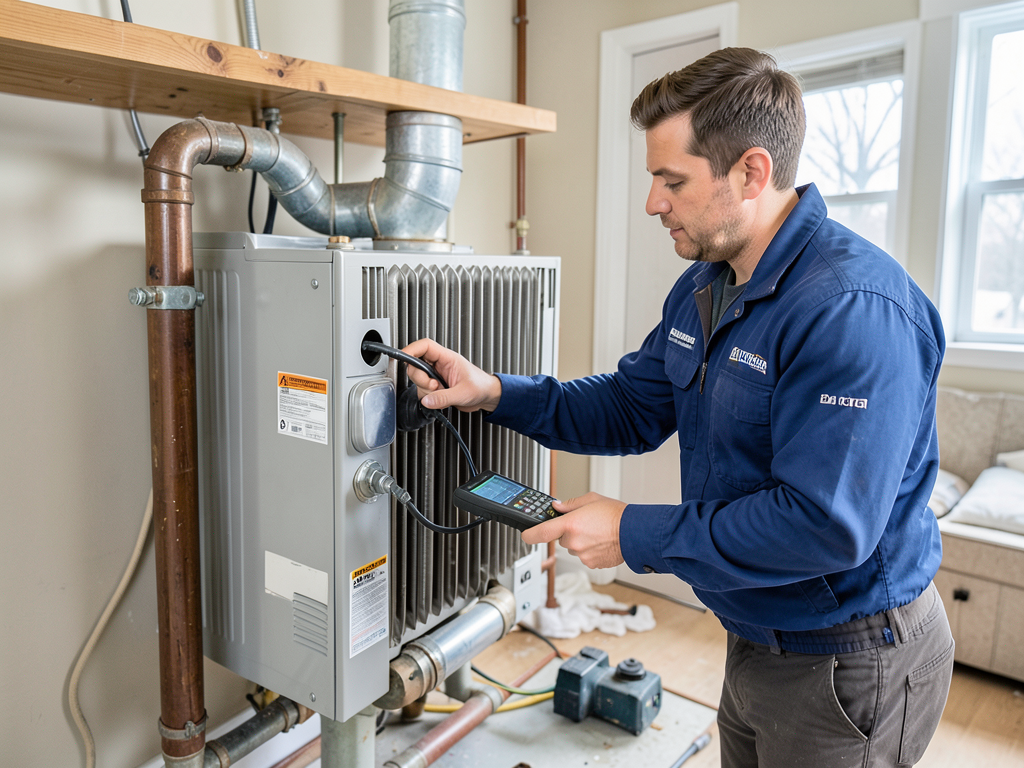
Using Your Heating System to Prevent Frozen Pipes during an Indianapolis Polar Vortex Indianapolis winters can turn brutal when a polar vortex sweeps through central Indiana. Sub-zero temperatures combined with wind chills below -20°F create…
The Pros and Cons of Inverter Driven AC Units for Temperature Stability in Meridian Hills…
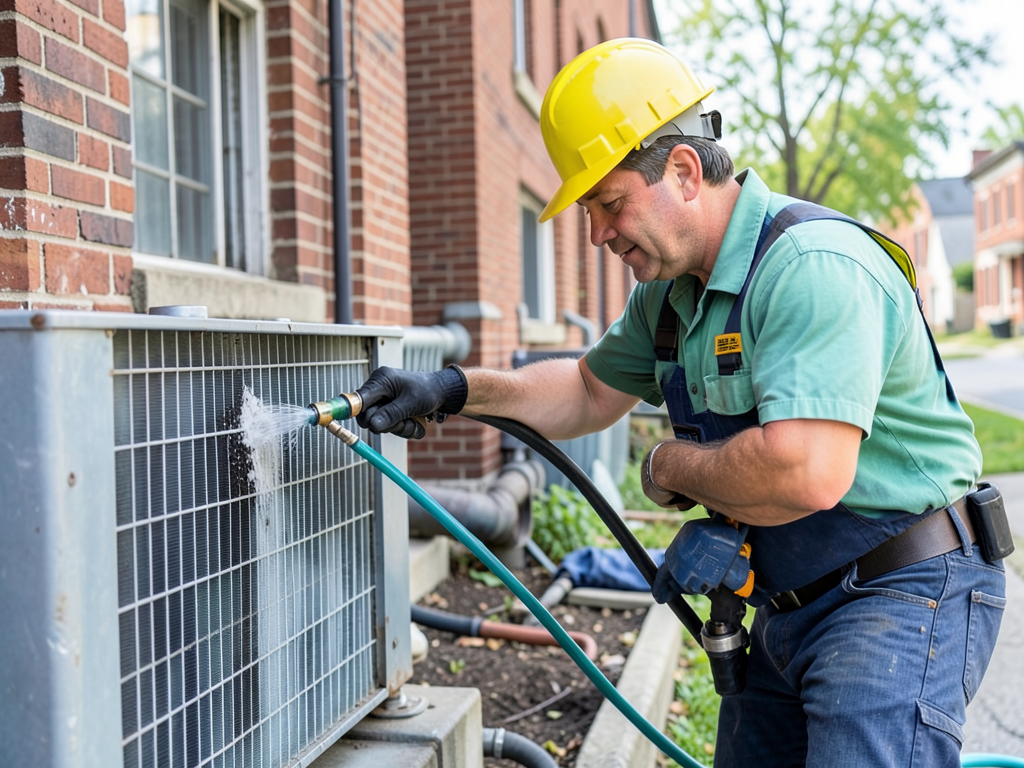
Cleaning Pine Needle and Sap Buildup from Your Outdoor AC Unit in The Old Northside…
How an Upgraded HVAC System Boosts Your Resale Value in the Competitive Carmel Real Estate…
Your comfort can't wait. Call Reliance HVAC Indianapolis now at (317) 688-8818 for same-day service in Carmel. Our technicians respond quickly with the parts and expertise to fix your problem and restore comfort to your home today.