
Menu

Commercial AC Repair in Indianapolis – Keep Your Business Running Without Interruption

When your commercial air conditioning fails, every minute costs you money, productivity, and customer comfort. Reliance HVAC Indianapolis delivers fast commercial AC repair and industrial cooling solutions that minimize downtime and protect your bottom line.

Slider Image 1
Slider Image 2
Slider Image 3
Slider Image 4
Slider Image 5
Slider Image 7
Slider Image 8
Slider Image 9
Slider Image 10
Slider Image 11

Why Commercial AC Failures Hit Indianapolis Businesses Harder Than You Think

Indianapolis's climate creates the perfect storm for commercial HVAC stress. Summer humidity regularly hits 70 percent, forcing commercial air conditioning systems to work overtime removing moisture while cooling large spaces. Your compressors cycle constantly. Your condensate drains clog faster. Your refrigerant lines strain under continuous load.

Winter freeze-thaw cycles compound the problem. When temperatures swing from 15 degrees to 50 degrees in 48 hours, your rooftop units expand and contract. Electrical connections loosen. Contactor points pit and fail. What worked fine Monday morning can leave your office sweltering by Wednesday afternoon.

Indianapolis sits at the intersection of manufacturing, healthcare, logistics, and hospitality industries. A failed air conditioning system in a warehouse means OSHA violations and worker compensation claims. In a restaurant, it means health code failures and lost revenue. In a data center, it means equipment damage and business continuity disasters.

The clay-heavy soil under Indianapolis buildings also affects your infrastructure. Ground shifts put stress on refrigerant line sets running between outdoor condensers and indoor air handlers. Small leaks become big problems. You lose cooling capacity gradually until the system quits completely.

Your commercial cooling repair needs differ from residential work. You need technicians who understand three-phase power, building automation systems, and commercial-grade compressors. You need someone who grasps that your 20-ton rooftop unit serves 50 employees, not just one family. You need industrial ac repair experts who minimize business disruption while fixing the root cause.

Why Commercial AC Failures Hit Indianapolis Businesses Harder Than You Think
How Professional Commercial HVAC Repair Protects Your Operations

How Professional Commercial HVAC Repair Protects Your Operations

Business ac repair requires a different methodology than residential service calls. We approach commercial air conditioning repair as an operational risk management issue, not just a mechanical fix.

Our diagnostics start with your building management system. We pull fault codes from your economizer controls, check your variable frequency drive parameters, and analyze your compressor amp draw under load. Most commercial failures stem from control logic problems or electrical issues, not mechanical component failure. A faulty pressure transducer can shut down a perfectly good compressor. A miscalibrated thermostat can short-cycle your system into early failure.

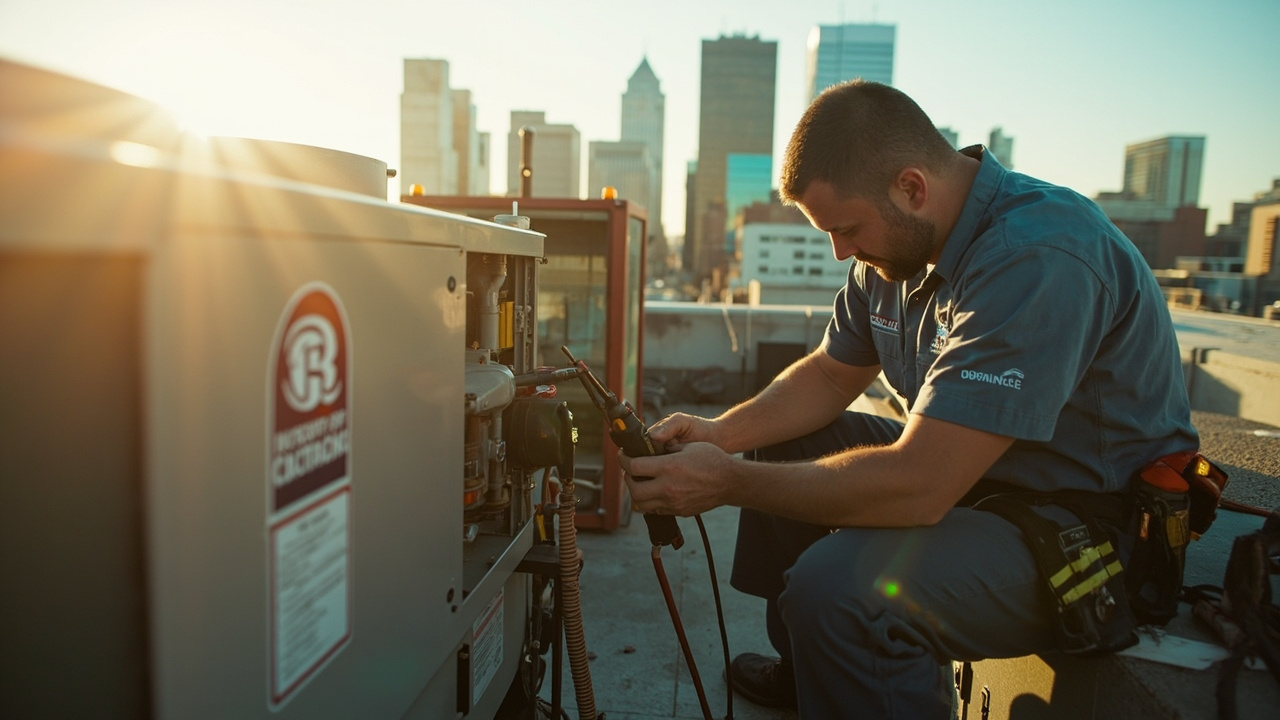
We map your entire refrigeration circuit. Commercial systems use scroll compressors or semi-hermetic reciprocating compressors that respond differently to refrigerant charge issues than residential units. We measure superheat and subcooling at multiple points, check your liquid line filter driers for restriction, and verify your thermal expansion valve operation under actual load conditions.

Your ductwork and air distribution matter more in commercial applications. We measure static pressure across your supply and return plenums. Restricted airflow kills commercial compressors faster than any other factor. A clogged filter bank or closed damper creates back pressure that forces your compressor to work against discharge pressures it was not designed to handle.

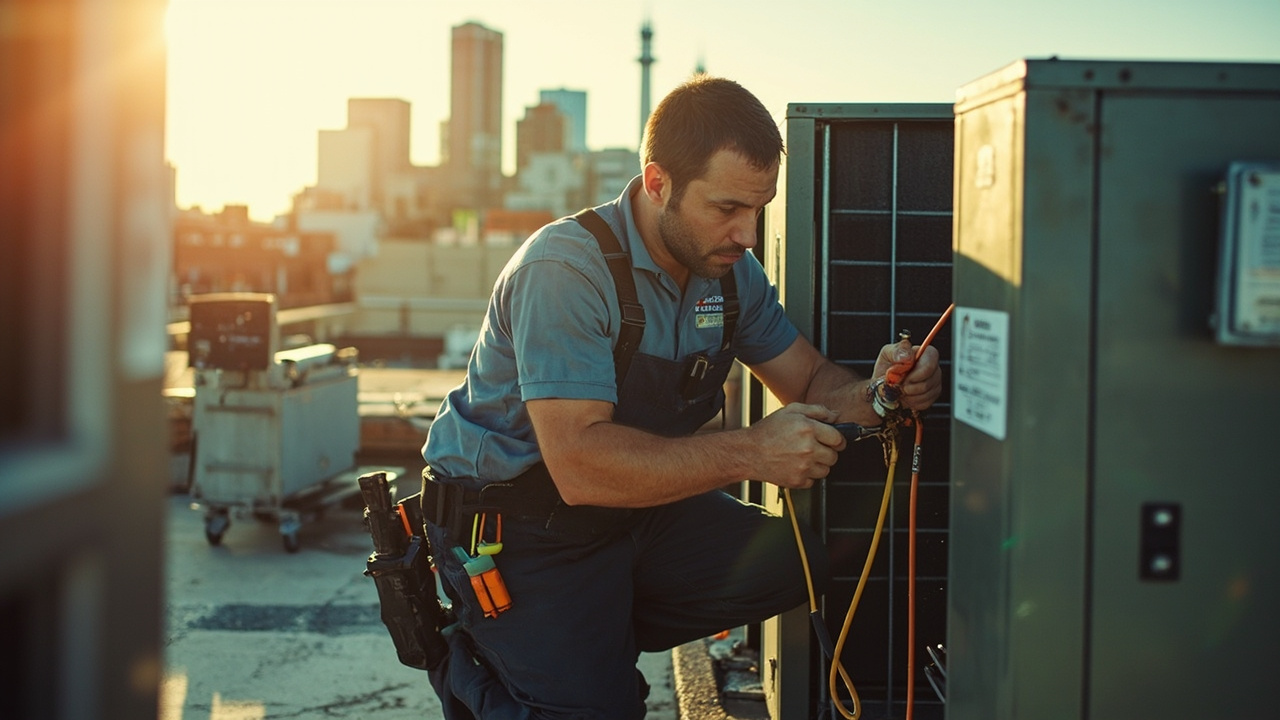
We test your electrical infrastructure thoroughly. Voltage imbalance across three-phase power destroys commercial compressors. We check each leg for proper voltage and verify your contactor points are not pitted or burned. Loose wire terminations create heat and resistance that cascade into complete system failure.

Our repairs focus on longevity and compliance. We follow manufacturer specifications for torque values on refrigerant fittings, use proper brazing techniques for line repairs, and pressure test all our work before charging the system. You get documentation for your maintenance records and building inspections.

What Happens During Your Commercial AC Service Call

Commercial AC Repair in Indianapolis – Keep Your Business Running Without Interruption
01

Immediate System Assessment

We arrive with commercial-grade diagnostic tools and begin by gathering information from your facility manager about when the failure occurred and what symptoms appeared. We check your electrical panels for tripped breakers, inspect your rooftop units or split systems for obvious damage, and pull diagnostic data from your thermostat or building automation system. This rapid triage identifies whether you need emergency component replacement or detailed troubleshooting.
02

Systematic Diagnostic Testing

We perform electrical measurements across your compressor windings and contactors, check refrigerant pressures on both high and low sides, measure temperature splits across your evaporator coils, and verify proper operation of safety controls like high-pressure cutouts and low-pressure switches. We test your condenser fan motors and blower assemblies for proper amp draw. This methodical approach isolates the failed component and identifies contributing factors that could cause repeat failures.
03

Repair and Verification

Once we identify the problem, we source commercial-grade replacement parts and complete repairs following manufacturer procedures. We pressure test refrigerant circuits, verify proper electrical connections, and run the system through multiple cooling cycles while monitoring performance parameters. You receive documentation of all work performed, parts replaced, and system operating parameters. We confirm your space is returning to target temperature before leaving the site.

Why Indianapolis Businesses Trust Local Commercial HVAC Expertise

Indianapolis operates under Indiana mechanical codes that require specific clearances, electrical disconnects, and refrigerant handling procedures for commercial installations. Marion County building inspectors expect documentation and compliance that differs from surrounding counties. Local knowledge matters when your repair might trigger permit requirements or inspection holds.

We understand the commercial building stock in Indianapolis. The older manufacturing facilities near Fountain Square use different HVAC configurations than the new Class A office towers downtown. The historic buildings along Massachusetts Avenue have unique constraints for equipment access and installation. The logistics centers near the airport need redundancy and rapid response that office buildings do not require.

Indianapolis's business mix creates specialized repair demands. Restaurant row on Mass Ave needs kitchen makeup air coordination with dining room cooling. The hospitals along North Meridian Street require humidity control that meets Joint Commission standards. Data centers in Carmel need precision cooling with tight temperature tolerances. We have worked across these sectors and understand the stakes.

Your commercial relationships matter. When we commit to a repair timeline, we meet it. When we say a part will arrive tomorrow, it arrives. Your operations team has our direct line. You do not navigate phone trees or wait for callbacks during a cooling emergency.

We maintain relationships with commercial equipment distributors throughout Indianapolis. When you need a commercial compressor for a Trane rooftop unit or a control board for a Carrier packaged system, we source genuine OEM parts quickly. Our supplier network reduces your downtime compared to contractors who order everything from out of state.

The Indianapolis commercial HVAC community is tight-knit. We work alongside the same mechanical engineers, general contractors, and facility managers repeatedly. Our reputation depends on delivering what we promise when we promise it.

What to Expect From Professional Commercial AC Repair

Response Time and Availability

Commercial cooling failures do not respect business hours. We respond to emergency service calls within two hours for most Indianapolis locations. Our trucks carry common commercial components like contactors, capacitors, and thermostats. For major component failures requiring compressor or condenser replacement, we provide temporary cooling solutions while sourcing parts. You get realistic timelines upfront. If we need to order a specialty part, you know exactly when it will arrive and when we will complete the repair. We coordinate our work around your business hours whenever possible to minimize disruption to your operations.

Comprehensive System Evaluation

Our assessment goes beyond fixing the immediate failure. We evaluate your entire system for underlying issues that contributed to the breakdown. Dirty condenser coils reduce efficiency and strain compressors. Refrigerant leaks decrease capacity and force longer run times. Failing capacitors cause hard starts that damage contactors and compressors. We document these findings and prioritize them by urgency. You decide what gets fixed immediately and what can wait for scheduled maintenance. Our diagnostic report gives you the information you need to budget for repairs and prevent future emergency calls.

Quality Repairs That Last

We install commercial-grade components designed for the continuous duty cycles your business demands. Residential parts fail quickly in commercial applications. We use proper tools for every job. Refrigerant work requires recovery equipment, vacuum pumps, and charging manifolds calibrated for accuracy. Electrical work requires torque drivers and heat shrink connections. We follow EPA regulations for refrigerant handling and document all refrigerant recovered and recharged. Your system returns to proper operating parameters verified by measurement, not guesswork. You receive documentation for your facility maintenance logs and compliance records.

Preventive Maintenance Programs

Emergency repairs cost more than scheduled maintenance. We offer commercial maintenance agreements that include quarterly inspections, filter changes, coil cleaning, and refrigerant level checks. Regular maintenance extends equipment life, maintains efficiency, and catches small problems before they become expensive failures. Our maintenance customers get priority scheduling and reduced rates on repairs. We track your equipment history and anticipate component failures based on age and operating hours. You get reminders when filters need changing or belts need replacement. Planned maintenance fits your budget and schedule better than surprise breakdowns during your busiest season.

Frequently Asked Questions

You Have Questions,
We Have Answers

What is the $5000 AC rule? +

The $5000 rule is an IRS guideline for commercial property owners. If your AC repair costs less than $5000 and does not extend the unit's life significantly, you can deduct it as a maintenance expense in the current tax year. Repairs exceeding $5000 or adding substantial value typically require capitalization and depreciation over time. This affects your business tax strategy in Indianapolis. Consult your CPA to determine if your commercial HVAC repair qualifies as an immediate deduction or must be depreciated. Proper documentation of repair scope and costs is critical for compliance.

What are common commercial HVAC problems? +

Commercial systems in Indianapolis face refrigerant leaks, compressor failures, and thermostat malfunctions due to constant operation. Dirty condenser coils reduce efficiency, particularly with Midwest dust and pollen buildup. Electrical failures from power surges or worn contactors cause unexpected shutdowns during peak cooling season. Ductwork leaks waste energy and increase operating costs. Failed capacitors prevent motors from starting. Indianapolis humidity accelerates drain line clogs, leading to water damage and mold growth. Neglected maintenance compounds these issues. Regular inspections identify problems before they halt operations and impact your bottom line.

What are the costs of commercial HVAC repair? +

Commercial HVAC repair costs vary widely based on system size, problem complexity, and equipment accessibility. Minor repairs like thermostat replacements or capacitor changes run lower, while compressor replacements or refrigerant leak repairs in multi-unit systems cost significantly more. Rooftop units common in Indianapolis commercial buildings require crane access, increasing labor costs. Emergency after-hours service carries premium rates but prevents revenue loss from downtime. Deferred maintenance escalates repair expenses. Request detailed diagnostics and written estimates before authorizing work. Factor repair frequency into replacement decisions. High repair costs signal end-of-life equipment requiring capital planning.

What is the average life of a commercial air conditioner? +

Commercial air conditioners typically last 15 to 20 years with proper maintenance. Indianapolis climate stress from humid summers and temperature swings affects longevity. Rooftop units exposed to weather wear faster than indoor equipment. Systems running continuously in retail or manufacturing environments experience shorter lifespans than office systems with reduced weekend operation. Poor maintenance, refrigerant issues, and deferred repairs shorten equipment life. High-quality installations with correctly sized units last longer. Track repair frequency and efficiency decline after year 12. Replacement planning prevents emergency failures during peak business periods when downtime costs revenue.

What is the 3 minute rule for AC? +

The 3 minute rule prevents compressor damage by allowing refrigerant pressure to equalize before restart. Commercial systems use time-delay relays that prevent compressor cycling for 3 to 5 minutes after shutdown. Restarting too quickly forces the compressor to start against high head pressure, causing electrical overload and potential failure. This protection is critical for Indianapolis businesses where power fluctuations occur. If your system short-cycles or restarts immediately after shutdown, the time-delay relay may have failed. Technicians check this during maintenance to prevent expensive compressor damage and extend equipment life.

Can I write off my new AC unit on my taxes? +

You can write off a new commercial AC unit, but the method depends on cost and tax strategy. Section 179 allows immediate expensing of qualifying equipment up to annual limits, providing immediate tax relief for Indianapolis businesses. Bonus depreciation permits deducting a large percentage in year one. Standard depreciation spreads deductions over the unit's 39-year real property life or shorter recovery period if classified as tangible personal property. Your CPA determines the optimal approach based on your business structure, income, and equipment classification. Proper documentation and installation invoices support your deduction.

What is the 2 foot rule for HVAC? +

The 2 foot rule requires 2 feet of clearance around outdoor condensing units for proper airflow and service access. Indianapolis commercial properties often violate this with landscaping, storage, or enclosures that restrict airflow. Blocked units run hotter, work harder, and fail sooner. Technicians need access for coil cleaning, refrigerant service, and component replacement. Rooftop units require clearance from HVAC curbs, exhaust vents, and parapet walls. Building codes enforce minimum clearances for safety and efficiency. Maintain clear zones around equipment. Remove debris, trim vegetation, and relocate stored materials to prevent airflow restriction and service delays.

What is the most common part to fail on an AC unit? +

Capacitors fail most frequently in commercial AC units. These components start motors and maintain consistent operation under load. Indianapolis temperature extremes and voltage fluctuations accelerate capacitor degradation. Failed capacitors prevent compressors and fan motors from starting, causing complete system shutdown. Symptoms include humming noises without startup, intermittent operation, or total failure. Capacitors are inexpensive parts but require immediate replacement to prevent motor damage from failed start attempts. Technicians test capacitors during maintenance visits. Regular testing identifies weak capacitors before failure, preventing downtime during critical business hours when AC loss impacts operations and customer comfort.

How often should a commercial HVAC system be serviced? +

Commercial HVAC systems require professional service twice yearly, before cooling and heating seasons. Indianapolis climate demands spring inspections before summer humidity and fall checks before winter operation. High-use facilities like restaurants, data centers, or manufacturing plants need quarterly service. Maintenance includes filter changes, coil cleaning, refrigerant checks, electrical testing, and control calibration. Rooftop units accumulate debris and weather damage requiring attention. Preventive maintenance contracts reduce emergency repairs by 40 percent and extend equipment life. Scheduled service prevents failures during peak business periods. Documentation supports warranty claims and demonstrates code compliance during inspections.

What is the most expensive repair on an AC unit? +

Compressor replacement is the most expensive commercial AC repair. Compressors are the system heart, compressing refrigerant to enable heat transfer. Replacement requires refrigerant recovery, brazing, vacuum testing, and recharging. Large commercial compressors cost substantially more than residential units. Labor-intensive rooftop access in Indianapolis buildings increases costs. Scroll compressors in modern systems sometimes justify full system replacement given age and efficiency gains. Compressor failure often results from deferred maintenance, refrigerant issues, or electrical problems. Regular oil level checks, refrigerant monitoring, and contactor replacement prevent compressor damage and avoid this capital expense.

How Indianapolis Humidity and Temperature Swings Accelerate Commercial AC Wear

Indianapolis averages 183 days per year with humidity above 60 percent. Your commercial air conditioning system must remove moisture while cooling your space. This dual load forces your compressor and evaporator coil to work harder than in dry climates. Condensate production increases, putting stress on drain pans and drain lines that clog with algae growth. The constant moisture exposure corrodes electrical connections and rusts cabinet panels on rooftop units. Summer temperatures that spike into the mid-90s followed by cool nights create thermal cycling that expands and contracts refrigerant lines, loosening flare fittings and creating slow leaks.

Indiana requires commercial HVAC contractors to hold proper licensing and follow state mechanical codes for refrigerant handling and electrical work. Indianapolis building inspectors enforce these standards strictly, particularly for work in commercial districts downtown and in Marion County. Choosing a local contractor means choosing someone who understands permit requirements, inspection procedures, and local code interpretations. We work with the same inspectors, engineers, and property managers throughout Indianapolis. Our local relationships mean faster permit approvals and smoother inspections when your repair requires documentation for building compliance or insurance purposes.
HVAC Services in The Indianapolis Area

We are proud to serve the entire area, providing exceptional HVAC services to both residential and commercial clients. Our team is strategically located to ensure a fast response time, no matter where you are. View our service area on the map to see how we can bring our reliable, expert service right to your doorstep. Don't see your location? Give us a call anyway!

Address:
Reliance HVAC Indianapolis, 1225 N Meridian St, Indianapolis, IN, 46204

Additional Services We Offer

Our news updates

Latest Articles & News from The Blogs

The Pros and Cons of Inverter Driven AC Units for Temperature Stability in Meridian Hills Inverter-driven AC units offer a…

The Pros and Cons of Inverter Driven AC Units for Temperature Stability in Meridian Hills

The Pros and Cons of Inverter Driven AC Units for Temperature Stability in Meridian Hills Inverter-driven AC units offer a…

Cleaning Pine Needle and Sap Buildup from Your Outdoor AC Unit in The Old Northside

Cleaning Pine Needle and Sap Buildup from Your Outdoor AC Unit in The Old Northside Your outdoor AC unit works…

How an Upgraded HVAC System Boosts Your Resale Value in the Competitive Carmel Real Estate Market

How an Upgraded HVAC System Boosts Your Resale Value in the Competitive Carmel Real Estate Market Homeowners in Carmel face…

Contact Us

Your business cannot afford extended downtime. Call Reliance HVAC Indianapolis now at (317) 688-8818. We diagnose the problem quickly, source the right parts, and restore your cooling system with minimal disruption to your operations. Commercial cooling failures demand immediate professional response.