
Menu

Signs of Carbon Monoxide in Indianapolis – Recognize the Warning Signs Before It's Too Late

Learn how to identify carbon monoxide symptoms, carbon monoxide poisoning symptoms, and warning signs of a carbon monoxide leak in your Indianapolis home before this silent threat puts your family at risk.

Slider Image 1
Slider Image 2
Slider Image 3
Slider Image 4
Slider Image 5
Slider Image 7
Slider Image 8
Slider Image 9
Slider Image 10
Slider Image 11

Why Indianapolis Homeowners Face Hidden Carbon Monoxide Risks Year-Round

Carbon monoxide kills without warning. You cannot see it, smell it, or taste it. In Indianapolis, where heating systems run hard during bitter January cold snaps and air conditioning units operate overtime through humid July heat waves, your HVAC equipment works constantly. This constant cycling creates more opportunities for combustion problems, cracked heat exchangers, and improper ventilation.

Indianapolis homes built before 1980 often lack proper fresh air intake systems. When you seal up your home to save on heating bills during those sub-zero nights, you reduce natural ventilation. Your furnace, water heater, and gas dryer all compete for oxygen. When combustion equipment cannot draw enough fresh air, incomplete burning produces carbon monoxide.

The carbon monoxide warning signs often mimic the flu. You feel tired, dizzy, or nauseous. Your head pounds. You feel confused or disoriented. These carbon monoxide symptoms appear gradually because the gas accumulates slowly in your bloodstream. By the time you recognize indicators of carbon monoxide poisoning, you may already be too impaired to act.

Indianapolis families face another risk during ice storms and power outages. When you run a generator too close to your home or use a gas oven to heat your kitchen, you pump carbon monoxide directly into your living space. Signs of a carbon monoxide leak escalate quickly in these situations. Within minutes, carbon monoxide poisoning symptoms can become severe.

Your furnace represents the most common source of household carbon monoxide. A cracked heat exchanger allows combustion gases to mix with the air circulating through your ductwork. You breathe carbon monoxide with every cycle of your heating system.

Why Indianapolis Homeowners Face Hidden Carbon Monoxide Risks Year-Round
How to Identify Carbon Monoxide Symptoms Before They Become Life-Threatening

How to Identify Carbon Monoxide Symptoms Before They Become Life-Threatening

Carbon monoxide poisoning symptoms appear in stages based on exposure concentration and duration. At low levels, you experience what feels like a mild headache or fatigue. You might blame your symptoms on a long workday or the start of cold season. This misdiagnosis allows continued exposure.

As carbon monoxide accumulates in your bloodstream, symptoms intensify. You feel nauseous. Your vision blurs. You struggle to think clearly or make decisions. Your chest feels tight. These moderate carbon monoxide symptoms indicate dangerous exposure levels. If multiple family members feel sick simultaneously, especially if symptoms improve when you leave the house, you face a carbon monoxide emergency.

High-level exposure produces severe indicators of carbon monoxide poisoning. You lose consciousness. Your breathing becomes shallow and irregular. Your skin turns cherry red, though this sign appears inconsistently. At this stage, permanent brain damage or death can occur within minutes.

Vulnerable populations show carbon monoxide warning signs earlier. Infants, pregnant women, elderly residents, and people with heart or lung conditions experience symptoms at lower concentrations. Your family pet may show distress before you feel anything. Watch for unusual behavior, lethargy, or difficulty breathing in your dog or cat.

The challenge with recognizing signs of a carbon monoxide leak lies in symptom variability. Some people develop severe headaches immediately. Others feel only mild drowsiness for hours. Your body's response depends on your health status, activity level, and the carbon monoxide concentration in your home. A properly calibrated carbon monoxide detector eliminates this guesswork. The alarm sounds before symptoms appear, giving you time to evacuate and call for help.

What to Do When You Suspect Carbon Monoxide in Your Home

Signs of Carbon Monoxide in Indianapolis – Recognize the Warning Signs Before It's Too Late
01

Evacuate Immediately

The moment you suspect carbon monoxide exposure, get everyone out of the house. Do not waste time investigating the source or grabbing belongings. Carbon monoxide accumulates in your blood with each breath. Move to fresh air immediately. Stand outside, away from doors and windows. Call 911 from your cell phone or a neighbor's house. Emergency responders will measure carbon monoxide levels and ventilate your home before allowing reentry.
02

Medical Evaluation

Paramedics will assess everyone who was inside your home. A blood test measures carboxyhemoglobin levels to confirm carbon monoxide poisoning. Even if you feel fine after reaching fresh air, you need medical evaluation. Carbon monoxide poisoning symptoms can worsen hours after exposure ends. Some people develop delayed neurological problems days or weeks later. Medical documentation also protects you if you need to file an insurance claim for hotel costs or equipment replacement.
03

Professional System Inspection

Before you return home, a qualified HVAC technician must identify and repair the carbon monoxide source. We use combustion analyzers to test every gas-burning appliance in your home. We inspect your furnace heat exchanger for cracks, check flue pipes for blockages, and verify proper draft through your chimney. We measure carbon monoxide levels in your supply air to confirm safe operation. Only after testing confirms zero carbon monoxide presence should you reoccupy your home.

Why Indianapolis Homes Need Specialized Carbon Monoxide Prevention

Indianapolis sits in a climate zone that demands both aggressive heating and cooling. Your HVAC system operates more days per year than equipment in milder regions. This extended runtime accelerates wear on critical safety components. Heat exchangers develop stress cracks from repeated thermal expansion and contraction. Burner assemblies corrode from condensation that forms during heating cycles. Flue pipes deteriorate from acidic combustion byproducts.

Many Indianapolis homes feature finished basements where families spend significant time. Your furnace typically sits in this lower level. If a carbon monoxide leak develops, the gas accumulates in occupied living space rather than dispersing through an unfinished basement or crawlspace. This configuration increases exposure risk for everyone in your household.

Indianapolis building codes have evolved significantly over the past four decades. Homes built before 1985 were not required to have sealed combustion furnaces or carbon monoxide detectors. If you live in neighborhoods like Broad Ripple, Irvington, or Butler-Tarkington, your vintage home may have original HVAC equipment that predates modern safety standards. These older furnaces use atmospheric burners and natural draft venting, both of which create higher carbon monoxide risk than current forced-draft designs.

We understand Indianapolis-specific installation challenges. Your home's masonry chimney may serve multiple appliances. Your furnace and water heater might share a common flue. This configuration can cause backdrafting when one appliance operates without the other. Combustion gases spill into your basement instead of venting outdoors. We test for these dangerous scenarios during every service call.

The technicians at Reliance HVAC Indianapolis receive specialized training in carbon monoxide safety protocols. We do not just fix broken equipment. We assess your entire home for potential carbon monoxide pathways. We check combustion air supply, verify proper venting, and confirm adequate makeup air for tight homes. This comprehensive approach prevents future incidents.

What You Need to Know About Carbon Monoxide Detection and Prevention

Detector Placement and Maintenance

Indiana law requires carbon monoxide detectors in any home with fuel-burning appliances or attached garages. Install detectors on every level of your home, including the basement. Place units within 15 feet of bedroom doors so the alarm wakes sleeping family members. Wall-mounted detectors should sit at typical breathing height, not near ceilings where carbon monoxide may not accumulate. Battery-powered units need fresh batteries twice yearly. Hardwired detectors with battery backup offer the most reliable protection. Replace all carbon monoxide detectors every seven years, regardless of whether they have triggered an alarm. The electrochemical sensors inside detectors degrade over time and lose sensitivity.

Annual HVAC Inspections

Your furnace needs professional inspection before each heating season. We disassemble your burner assembly to check for corrosion, debris, or flame pattern problems. We inspect the heat exchanger using a video borescope to identify cracks invisible to the naked eye. We test flue draft to confirm proper venting. We measure carbon monoxide in your supply air using a calibrated analyzer. This testing costs far less than an emergency room visit for carbon monoxide poisoning. Most carbon monoxide incidents occur in the first cold snap of fall when furnaces fire up after months of dormancy. Scheduling your inspection in September or early October prevents these dangerous scenarios.

Recognizing Equipment Failure Signs

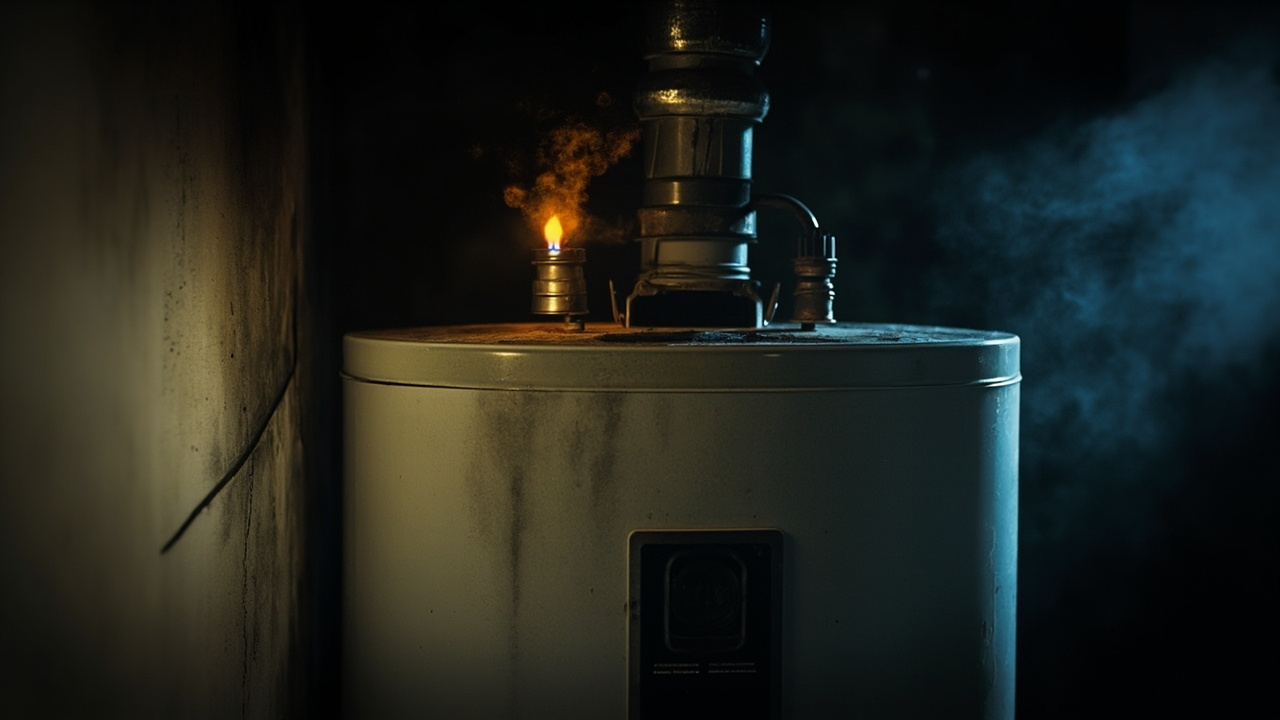
Your furnace gives warning signs before a catastrophic carbon monoxide leak develops. Watch for yellow or orange flames instead of crisp blue flames. Soot accumulation around your furnace cabinet indicates incomplete combustion. Moisture or rust on flue pipes suggests condensation from poor venting. A strong smell near your furnace means combustion gases are spilling into your home. Frequent pilot light outages or difficulty keeping your burner lit indicates air supply problems. If your carbon monoxide detector chirps intermittently, even without a full alarm, shut down your HVAC system and call for service immediately. Intermittent alarms often indicate low-level carbon monoxide that has not yet reached the full alarm threshold.

Emergency Response Protocol

If your carbon monoxide detector sounds, treat it as a genuine emergency every time. Do not reset the alarm and stay inside to see if it sounds again. Do not open windows and wait for levels to drop. Evacuate first, investigate later. Call 911 from outside your home. The Indianapolis Fire Department will respond with equipment to measure carbon monoxide levels and identify the source. They will ventilate your home and clear it for reentry only after confirming safe air quality. After the emergency response, call Reliance HVAC Indianapolis at (317) 688-8818. We offer same-day emergency service to repair the equipment failure that caused your carbon monoxide leak.

Frequently Asked Questions

You Have Questions,
We Have Answers

What are signs of carbon monoxide in the house? +

Carbon monoxide is colorless and odorless, so you cannot detect it with your senses. Watch for physical symptoms like persistent headaches, dizziness, nausea, confusion, or flu-like illness without fever. These signs often affect everyone in the home simultaneously. Listen for your CO detector alarm if you have one installed. Check fuel-burning appliances for yellow or orange flames instead of blue, soot buildup around vents, or excessive moisture on windows. In Indianapolis homes with older furnaces or gas water heaters, cracked heat exchangers are common culprits. If you suspect CO presence, evacuate immediately and call 911 from outside.

How soon will you know if you have carbon monoxide poisoning? +

Symptoms can appear within minutes at high concentrations or develop gradually over hours at lower levels. Mild exposure causes headaches, dizziness, and nausea within one to two hours. Moderate poisoning produces confusion, vomiting, and chest pain within 30 to 60 minutes. Severe exposure can cause loss of consciousness in under 10 minutes and death shortly after. The timeline depends on concentration levels and ventilation. Indianapolis residents using gas furnaces or fireplaces during winter months face higher risk during prolonged exposure periods. Young children, elderly adults, and those with heart conditions show symptoms faster than healthy adults.

How can I check if I have carbon monoxide? +

Install a UL-listed carbon monoxide detector on every floor of your home, especially near sleeping areas. Test detectors monthly and replace batteries twice yearly. If you suspect CO without an alarm, watch for simultaneous flu-like symptoms in multiple household members that improve when you leave the building. Contact your utility company or fire department for professional testing. Indianapolis fire crews respond to CO calls and use specialized meters to measure levels. HVAC technicians can inspect fuel-burning equipment for leaks or combustion issues. Never ignore symptoms or try to diagnose CO presence yourself without proper detection equipment.

What gas is known as the silent killer? +

Carbon monoxide earns the silent killer label because you cannot see, smell, or taste it. The gas displaces oxygen in your bloodstream, causing tissue damage and death without warning. Unlike natural gas, which contains a rotten egg odor additive, CO provides zero sensory clues. Victims often mistake early symptoms for common illnesses and continue exposure until serious harm occurs. Indianapolis homes rely heavily on gas furnaces, water heaters, and fireplaces during cold months, increasing winter CO risk. More than 400 Americans die annually from accidental CO poisoning, with thousands requiring emergency treatment. Only working detectors provide reliable warning.

Can a small gas leak make you feel sick? +

Yes, even small gas leaks cause health problems. Natural gas itself is non-toxic, but it displaces oxygen in enclosed spaces, causing dizziness, headaches, and nausea. Leaks also indicate potential carbon monoxide risk if the gas burns incompletely in your appliance. Watch for fatigue, respiratory irritation, eye discomfort, or concentration problems. Indianapolis homes with older gas lines or appliances face higher leak risk. You may notice a sulfur or rotten egg smell, hissing sounds near gas lines, or dead vegetation near underground pipes. If you smell gas, evacuate immediately and call your utility company from outside. Never use electronics or create sparks.

How to tell if your house is toxic? +

Monitor for persistent health symptoms that improve away from home, including headaches, respiratory issues, fatigue, or allergic reactions. Check for mold growth in damp basements, common in Indianapolis due to clay soil and seasonal flooding. Test for radon, which occurs naturally in Indiana bedrock and soil. Install carbon monoxide detectors near fuel-burning appliances. Look for lead paint in homes built before 1978. Watch for musty odors, excessive humidity, or poor ventilation. Professional indoor air quality testing measures volatile organic compounds, formaldehyde, and other contaminants. HVAC inspections reveal ductwork issues spreading allergens or combustion gases throughout your home.

Do you just fall asleep with carbon monoxide poisoning? +

Carbon monoxide poisoning does not simply cause peaceful sleep. While drowsiness is an early symptom, the progression includes severe headaches, confusion, vomiting, and loss of consciousness. Victims may fall unconscious rather than fall asleep naturally. The danger lies in being unable to recognize symptoms or evacuate once confusion sets in. Many fatalities occur during sleep because victims never wake to realize danger. Indianapolis residents using space heaters, gas fireplaces, or running vehicles in attached garages face this risk. CO detectors remain your only reliable nighttime protection. Never ignore persistent tiredness or morning headaches that resolve after leaving home.

Does opening windows help with carbon monoxide? +

Opening windows helps dilute carbon monoxide levels but does not eliminate the danger. Fresh air reduces concentration temporarily, but the source continues producing CO until turned off or repaired. In Indianapolis winter conditions, open windows may not provide sufficient ventilation to counteract a malfunctioning furnace or blocked chimney. After opening windows, evacuate immediately and call 911. Do not re-enter until professionals clear the home and identify the source. Window ventilation never substitutes for detector alarms or professional inspection. The safest response to suspected CO presence is complete evacuation and emergency response, not attempting to ventilate the space yourself.

Can you recover from mild carbon monoxide poisoning on your own? +

Mild carbon monoxide poisoning often resolves with fresh air and time away from the source. Your body naturally eliminates CO through breathing, with levels dropping as you inhale clean oxygen. However, seek medical evaluation even after mild exposure. Doctors can measure carboxyhemoglobin levels and assess potential tissue damage. Some victims experience delayed neurological symptoms days or weeks later. Indianapolis residents should visit emergency rooms for oxygen therapy, which accelerates CO elimination. Never return home until professionals identify and fix the source. Children, pregnant women, and those with heart conditions require immediate medical attention regardless of symptom severity. Professional monitoring prevents complications.

Can I detect carbon monoxide with my phone? +

No reliable smartphone apps detect carbon monoxide. Some apps claim to use phone sensors, but these lack accuracy and certification for life safety applications. Your phone cannot measure CO gas concentrations. Only UL-listed detectors with electrochemical sensors provide dependable protection. These devices cost between 20 and 50 dollars and last five to seven years. Indianapolis building codes do not recognize phone apps as acceptable CO detection. Apps may help you track detector maintenance schedules or provide CO safety education, but they never replace physical detectors. Relying on your phone for CO detection puts your household at serious risk. Install proper detectors immediately.

How Indianapolis Winter Weather Increases Carbon Monoxide Risk

Indianapolis experiences significant temperature swings throughout winter. A 50-degree afternoon can plunge to 15 degrees by midnight. Your furnace cycles on and off repeatedly during these temperature fluctuations. Each heating cycle expands and contracts your heat exchanger metal. Over years of use, this thermal stress creates hairline cracks that leak carbon monoxide into your ductwork. Heavy snow and ice accumulation can block your furnace exhaust vent or chimney. When combustion gases cannot escape through the flue, they backdraft into your home. Indianapolis's clay-heavy soil also allows foundation settling that can disconnect or damage flue pipes running through your basement.

As a locally owned Indianapolis company, Reliance HVAC Indianapolis understands the equipment challenges specific to central Indiana. We work on furnaces and boilers in historic homes throughout Meridian-Kessler and Fall Creek Place where original masonry chimneys require specialized venting solutions. We retrofit modern sealed-combustion furnaces into tight energy-efficient homes in Carmel and Fishers where inadequate combustion air causes problems. We service commercial buildings downtown where rooftop HVAC units face wind shear that disrupts proper venting. Our technicians train specifically on carbon monoxide safety protocols and carry professional-grade combustion analyzers on every service call. We do not leave your home until testing confirms zero carbon monoxide in your living space.
HVAC Services in The Indianapolis Area

We are proud to serve the entire area, providing exceptional HVAC services to both residential and commercial clients. Our team is strategically located to ensure a fast response time, no matter where you are. View our service area on the map to see how we can bring our reliable, expert service right to your doorstep. Don't see your location? Give us a call anyway!

Address:
Reliance HVAC Indianapolis, 1225 N Meridian St, Indianapolis, IN, 46204

Additional Services We Offer

Our news updates

Latest Articles & News from The Blogs

The Pros and Cons of Inverter Driven AC Units for Temperature Stability in Meridian Hills Inverter-driven AC units offer a…

The Pros and Cons of Inverter Driven AC Units for Temperature Stability in Meridian Hills

The Pros and Cons of Inverter Driven AC Units for Temperature Stability in Meridian Hills Inverter-driven AC units offer a…

Cleaning Pine Needle and Sap Buildup from Your Outdoor AC Unit in The Old Northside

Cleaning Pine Needle and Sap Buildup from Your Outdoor AC Unit in The Old Northside Your outdoor AC unit works…

How an Upgraded HVAC System Boosts Your Resale Value in the Competitive Carmel Real Estate Market

How an Upgraded HVAC System Boosts Your Resale Value in the Competitive Carmel Real Estate Market Homeowners in Carmel face…

Contact Us

Do not wait for symptoms to appear. Call Reliance HVAC Indianapolis at (317) 688-8818 now to schedule a comprehensive carbon monoxide safety inspection. We test every gas appliance in your home and provide same-day service throughout the Indianapolis metro area.