

Menu

Smart Thermostat Benefits in Indianapolis – Cut Energy Bills and Control Your Home from Anywhere

Discover how connected thermostats reduce your monthly utility costs, give you total climate control through your smartphone, and adapt to Indianapolis's unpredictable weather patterns automatically.

Slider Image 1
Slider Image 2
Slider Image 3
Slider Image 4
Slider Image 5
Slider Image 7
Slider Image 8
Slider Image 9
Slider Image 10
Slider Image 11

Why Indianapolis Homeowners Are Switching to Smart Thermostats

Indianapolis weather keeps you guessing. One day you're cranking the AC in May, the next week you're firing up the heat when a cold front rolls through. This constant climate whiplash wastes energy and drives up bills when you forget to adjust your thermostat before leaving for work.

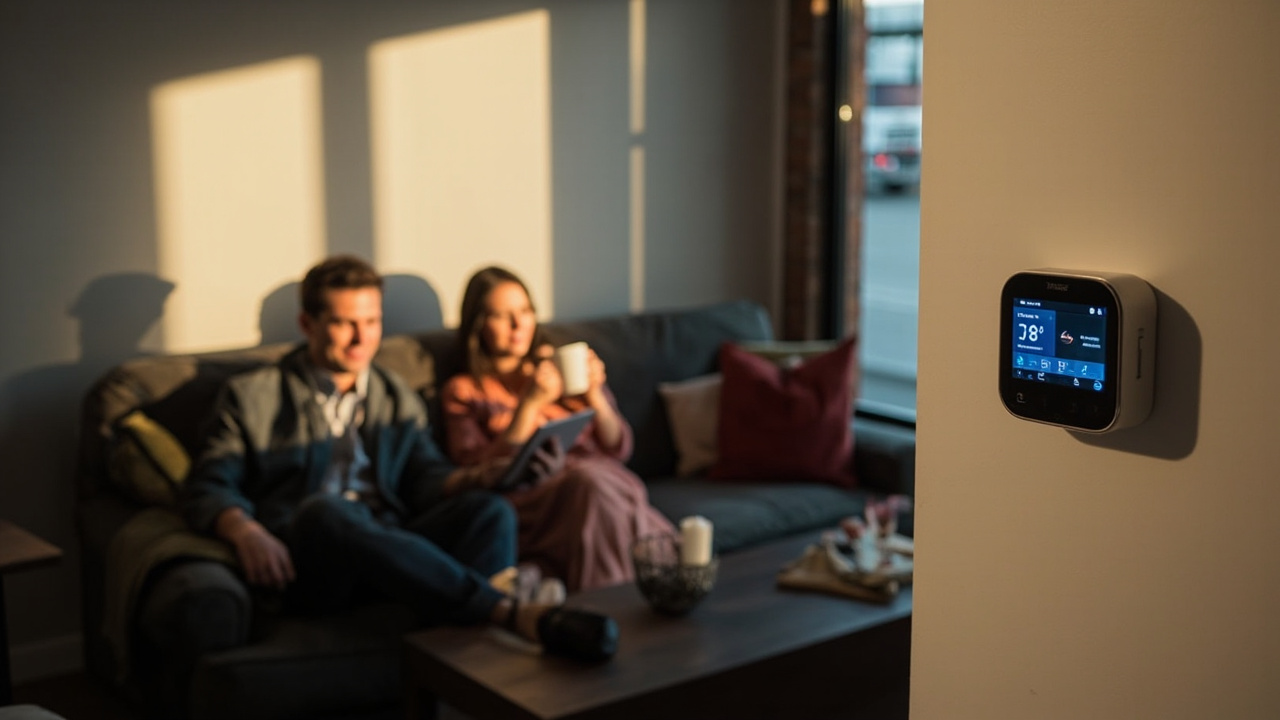
The advantages of smart thermostats solve this problem. A connected thermostat learns your schedule, adjusts temperatures automatically, and lets you control your HVAC system from anywhere. When you're stuck in traffic on I-465 or working late downtown, you can delay heating or cooling until you're actually on your way home.

The pros of wifi thermostats extend beyond convenience. Indianapolis's humid summers stress HVAC systems. Smart thermostats monitor system performance and alert you to maintenance needs before small issues become expensive repairs. This early warning system protects your investment and prevents breakdowns during the worst weather.

Reasons to upgrade to a smart thermostat include compatibility with zoned systems, which matter in Indianapolis homes with multiple floors. The temperature in your second-floor bedrooms can run 10 degrees warmer than your basement during summer. Smart zoning delivers precise comfort in every room without overcooling the entire house.

The value of smart thermostats shows up monthly on your utility bill. Most Indianapolis homeowners see 15-20% energy savings within the first year. The thermostat pays for itself through reduced consumption, and you gain total climate control from your phone.

Why Indianapolis Homeowners Are Switching to Smart Thermostats
How Smart Thermostats Actually Work in Your Indianapolis Home

How Smart Thermostats Actually Work in Your Indianapolis Home

Smart thermostats replace your existing wall-mounted unit and connect to your home's C-wire or use battery backup. The device communicates with your HVAC system through low-voltage wiring, sending signals to start heating or cooling cycles based on your programmed preferences and learned patterns.

The learning algorithm tracks when you adjust temperatures throughout the day. After one week, the thermostat builds a schedule that matches your routine. If you lower the temperature to 68 degrees every night at 10 PM, the system remembers and automates that adjustment. You override it anytime through the mobile app.

Geofencing uses your smartphone's location to trigger temperature changes. When you leave a preset radius around your home, the system switches to energy-saving mode. As you return, it restores comfort settings so you walk into a perfectly conditioned space. This feature eliminates wasted energy when everyone's gone and prevents the common mistake of leaving systems running all day.

Remote sensors address hot and cold spots common in Indianapolis's two-story homes and bungalows with finished basements. You place wireless sensors in frequently used rooms. The smart thermostat reads all sensors and averages the readings, or prioritizes specific rooms during certain hours. Your bedroom stays comfortable at night without freezing the first floor.

Energy reports arrive weekly through the app. You see exactly how much runtime your system logged, how outdoor temperature affected consumption, and how your usage compares to similar homes in Indianapolis. This data helps you fine-tune settings and identify efficiency opportunities. When your system runs longer than normal, you catch problems early.

What Happens During Your Smart Thermostat Upgrade

Smart Thermostat Benefits in Indianapolis – Cut Energy Bills and Control Your Home from Anywhere
01

System Compatibility Check

Our technician inspects your current HVAC setup to verify compatibility with smart thermostats. We check your wiring configuration, identify if a C-wire exists or needs installation, and confirm your system voltage matches the new device requirements. We also assess your wifi signal strength at the thermostat location to ensure reliable connectivity for remote access and updates.
02

Professional Installation

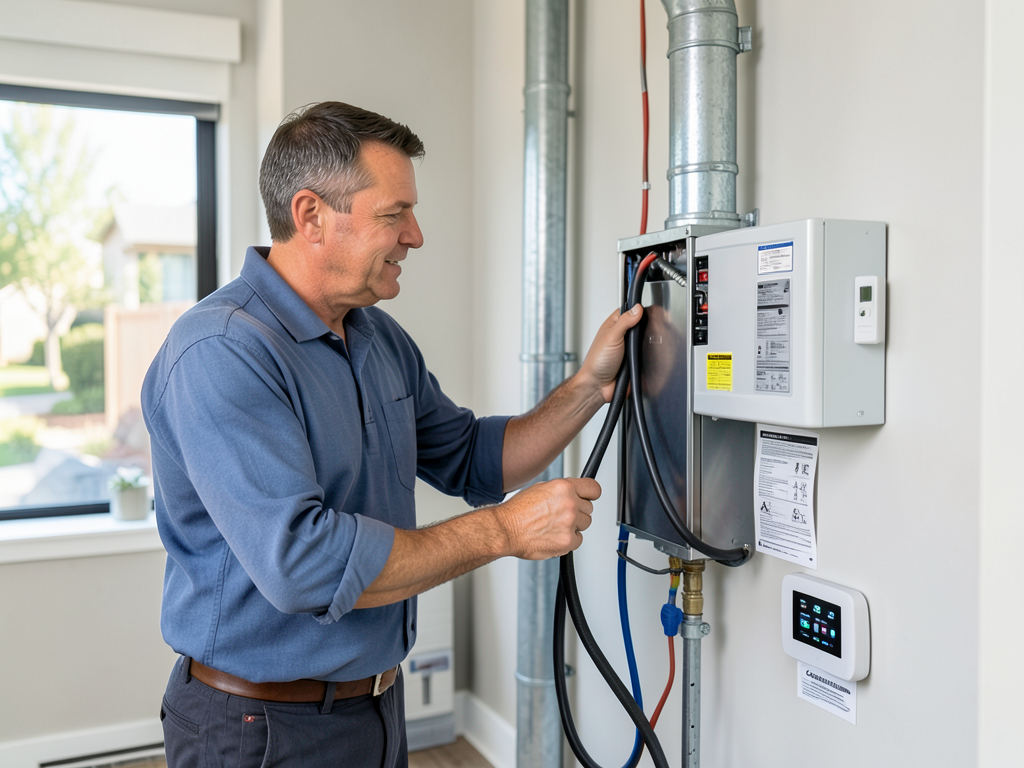
We remove your old thermostat, label existing wires, and mount the new smart unit according to manufacturer specifications. If your system lacks a C-wire, we install one or configure the alternative power adapter. We connect the device to your home network, pair it with your smartphone, and run test cycles to verify proper communication between the thermostat and your furnace, air handler, and outdoor condenser unit.
03

Custom Programming Setup

We program your initial schedule based on your daily routine and comfort preferences. You receive hands-on training with the touchscreen interface and mobile app, including how to create temperature holds, adjust schedules, and interpret energy reports. We configure geofencing boundaries, set up remote sensors if applicable, and show you how to troubleshoot common issues before we leave your home.

Why Indianapolis Residents Trust Reliance HVAC for Smart Thermostat Installation

Indianapolis homes range from century-old Craftsman bungalows in Broad Ripple to modern builds in Fishers. Each requires different wiring approaches. Older homes often lack the C-wire needed for continuous power to smart thermostats. We install C-wire adapters or run new wire through finished walls without damaging plaster or drywall. We know which solutions work for knob-and-tube wiring still found in Historic Meridian-Kessler neighborhoods.

Your HVAC system's age and type determine which smart thermostats will function correctly. A two-stage furnace requires a thermostat that can control both stages. Heat pumps with auxiliary electric heat need specific wiring configurations. We match the device to your equipment, preventing compatibility issues that cause short cycling or failure to reach set temperatures.

Local building codes in Marion County and surrounding areas require proper electrical work. We pull permits when necessary and ensure installations meet National Electrical Code standards. This matters for insurance claims and home sales. A DIY smart thermostat installation that causes system damage can void your HVAC warranty. Our professional installation protects your investment.

We service all major smart thermostat brands and stay current on firmware updates and known issues. When Nest releases a software patch or Ecobee changes its API, we know how it affects your system. This expertise prevents the frustration of a device that stops communicating with your HVAC system after an automatic update.

Indianapolis homeowners choose Reliance HVAC because we explain how smart thermostats integrate with your existing HVAC setup. We don't just mount a device and leave. You understand how to use every feature and what each setting actually does to your system.

What to Expect from Your Smart Thermostat Investment

Installation Timing

Most smart thermostat installations take 90 minutes to two hours. This includes removing your old unit, running new wiring if needed, mounting and configuring the new device, and walking you through all features. We schedule appointments that fit your availability, including evenings and weekends. You don't wait days for an installation window. We arrive on time, complete the work efficiently, and clean up completely before leaving your home.

Initial Assessment Process

We start by photographing your existing thermostat wiring before disconnection. This creates a reference if any questions arise during installation. We test your HVAC system's operation with the old thermostat, then again with the new smart unit to verify all functions work correctly. We check heating, cooling, and fan-only modes. If you have a heat pump, we test both heating modes and emergency heat. This thorough testing prevents callbacks and ensures you have full control from day one.

Performance and Accuracy

Smart thermostats maintain temperature within one degree of your set point. The precision sensor reads ambient conditions every few seconds and adjusts system runtime accordingly. You notice more consistent comfort compared to older thermostats that allowed two to three degree swings before triggering heating or cooling. The learning algorithms improve accuracy over time as the device understands how quickly your home heats and cools, accounting for insulation quality and system capacity.

Ongoing Support and Updates

Your smart thermostat receives automatic firmware updates that add features and improve performance. We provide phone support if you encounter issues with app connectivity or schedule programming. Most questions resolve with simple troubleshooting, but we'll come back if hardware problems develop. We also offer seasonal system checkups where we verify your thermostat's calibration and ensure it's communicating correctly with your HVAC equipment, maximizing efficiency and preventing premature system wear.

Frequently Asked Questions

You Have Questions,
We Have Answers

Which is the main benefit of the smart thermostat? +

The main benefit is energy savings. A smart thermostat learns your schedule and adjusts heating and cooling automatically, reducing wasted energy when you are away or asleep. In Indianapolis, where summers push AC hard and winters demand consistent heat, this adaptive control cuts utility bills by 10 to 23 percent. You also gain remote control via your phone, so you can adjust temperature before arriving home. The data tracking shows exactly when and how you use energy, helping you make smarter decisions about comfort and cost.

What are the disadvantages of a smart thermostat? +

Smart thermostats require Wi-Fi to access full features, which means connectivity issues can limit remote control. Initial cost runs higher than traditional thermostats, and installation sometimes requires a C-wire, adding complexity for older Indianapolis homes. Some models demand learning periods that feel disruptive if the system guesses wrong about your schedule. Privacy concerns exist since these devices collect usage data. Compatibility issues with older HVAC systems can block installation. If you prefer manual control and distrust tech, the automation may feel intrusive rather than helpful.

Is it worth installing a smart thermostat? +

Yes, if you want lower energy bills and remote control. Indianapolis homes face hot, humid summers and cold winters, making efficient HVAC operation critical. Smart thermostats pay for themselves within two to three years through reduced energy use. You gain scheduling flexibility, usage reports, and the ability to adjust temperature from anywhere. If your home has an older HVAC system or you rarely adjust your thermostat, the return shrinks. For most homeowners who value convenience and cost savings, installation makes financial and practical sense.

Is 72 a good temperature for a house? +

72 degrees works well for most people when home and active. In Indianapolis, where humidity climbs during summer, 72 feels comfortable if your AC dehumidifies properly. During winter, 68 to 70 degrees often suffices when you are awake, with nighttime temps dropping to 65 for better sleep and lower heating bills. Personal preference varies. The key is finding a balance between comfort and efficiency. Smart thermostats help by adjusting temperature based on occupancy, so you save energy without sacrificing comfort when you need it.

What happens to a smart thermostat if Wi-Fi goes down? +

Your smart thermostat reverts to basic programmable mode if Wi-Fi drops. It continues running your last saved schedule and maintains temperature control like a standard programmable thermostat. You lose remote access, usage reports, and voice control, but heating and cooling continue without interruption. In Indianapolis, where storms or service outages can disrupt internet, this failsafe prevents HVAC shutdown. You regain full smart features once Wi-Fi reconnects. The thermostat stores your settings locally, so no data or programming disappears during the outage.

Can you just replace a thermostat with a smart thermostat? +

Yes, most smart thermostats replace existing units directly, but your home must have compatible wiring. Many older Indianapolis homes lack a C-wire, which provides continuous power to smart thermostats. Some models include workarounds or adapters, but others require professional wiring upgrades. You need to confirm your HVAC system type, voltage, and wire count before buying. The physical swap takes 30 minutes, but setup and Wi-Fi configuration add time. If you feel uncertain about electrical work or compatibility, hire an HVAC technician to avoid damaging your system.

Is Google abandoning the Nest thermostat? +

No, Google continues supporting and updating Nest thermostats. The company integrates Nest into its Google Home ecosystem and releases firmware updates regularly. Confusion stems from Google discontinuing the standalone Nest app in favor of the Google Home app, which caused frustration but did not signal product abandonment. Nest remains one of the top-selling smart thermostats. For Indianapolis homeowners, this means long-term software support and compatibility with other smart home devices. The product line continues expanding with new features rather than phasing out.

Can a thermostat cause a high electric bill? +

Yes, a malfunctioning thermostat can spike your electric bill. If the sensor reads temperature incorrectly, your HVAC runs longer than needed. Faulty wiring or a stuck relay can cause the system to cycle constantly. In Indianapolis homes, where AC works hard during humid summers, even minor thermostat errors add up fast. Dirty contacts, dead batteries, or poor placement near heat sources also cause inefficiency. If your bill jumps without usage changes, check thermostat accuracy first. Upgrading to a properly installed smart thermostat often solves these problems and reduces costs.

Do smart thermostats still work without Wi-Fi? +

Yes, smart thermostats function without Wi-Fi, but you lose smart features. They revert to basic programmable mode, maintaining your last schedule and controlling temperature like a standard thermostat. You cannot adjust settings remotely, access energy reports, or use voice commands. For Indianapolis homeowners during internet outages, this means your HVAC keeps running without disruption. Heating and cooling continue based on stored programming. Once Wi-Fi reconnects, all smart features return. The thermostat does not need constant internet to regulate temperature, only to access advanced controls and data.

What are the common problems with smart thermostats? +

Common problems include Wi-Fi connectivity drops, incompatible wiring in older homes, and inaccurate temperature readings from poor placement. Some models struggle with multi-stage HVAC systems or require C-wire installation, adding cost. Software glitches or failed updates can freeze the interface. In Indianapolis, high humidity sometimes affects sensor accuracy. Learning modes may misread your schedule, causing discomfort until manually corrected. Battery drain in wireless models creates maintenance hassles. Compatibility issues with voice assistants or smart home platforms frustrate users. Most problems get resolved through firmware updates or professional recalibration.

How Indianapolis's Humidity Swings Make Smart Thermostats Essential

Indianapolis humidity levels spike from 45% in winter to 75% during summer months. This moisture variation affects how your home feels at any given temperature. A smart thermostat with humidity sensing adjusts cooling cycles to remove excess moisture without overcooling. When humidity rises, the system runs longer at lower fan speeds, maximizing dehumidification. This prevents that clammy feeling common in Indianapolis homes during June through August. Older thermostats ignore humidity, causing discomfort even when the temperature reads correctly. Connected thermostats solve this by treating moisture as a critical variable in comfort delivery.

We've installed smart thermostats in Indianapolis neighborhoods from Irvington to Zionsville for over a decade. We understand how different home construction styles affect HVAC performance. Brick bungalows in Fountain Square hold heat differently than vinyl-sided ranches in Lawrence. This local knowledge informs our programming recommendations. We know which settings work for Indianapolis's climate patterns and which features deliver real value versus marketing hype. When you work with Reliance HVAC, you get expertise shaped by thousands of installations across Marion County and surrounding communities, not generic advice from a national chain.
HVAC Services in The Indianapolis Area

We are proud to serve the entire area, providing exceptional HVAC services to both residential and commercial clients. Our team is strategically located to ensure a fast response time, no matter where you are. View our service area on the map to see how we can bring our reliable, expert service right to your doorstep. Don't see your location? Give us a call anyway!

Address:
Reliance HVAC Indianapolis, 1225 N Meridian St, Indianapolis, IN, 46204

Additional Services We Offer

Our news updates

Latest Articles & News from The Blogs

The Pros and Cons of Inverter Driven AC Units for Temperature Stability in Meridian Hills Inverter-driven AC units offer a…

The Pros and Cons of Inverter Driven AC Units for Temperature Stability in Meridian Hills

The Pros and Cons of Inverter Driven AC Units for Temperature Stability in Meridian Hills Inverter-driven AC units offer a…

Cleaning Pine Needle and Sap Buildup from Your Outdoor AC Unit in The Old Northside

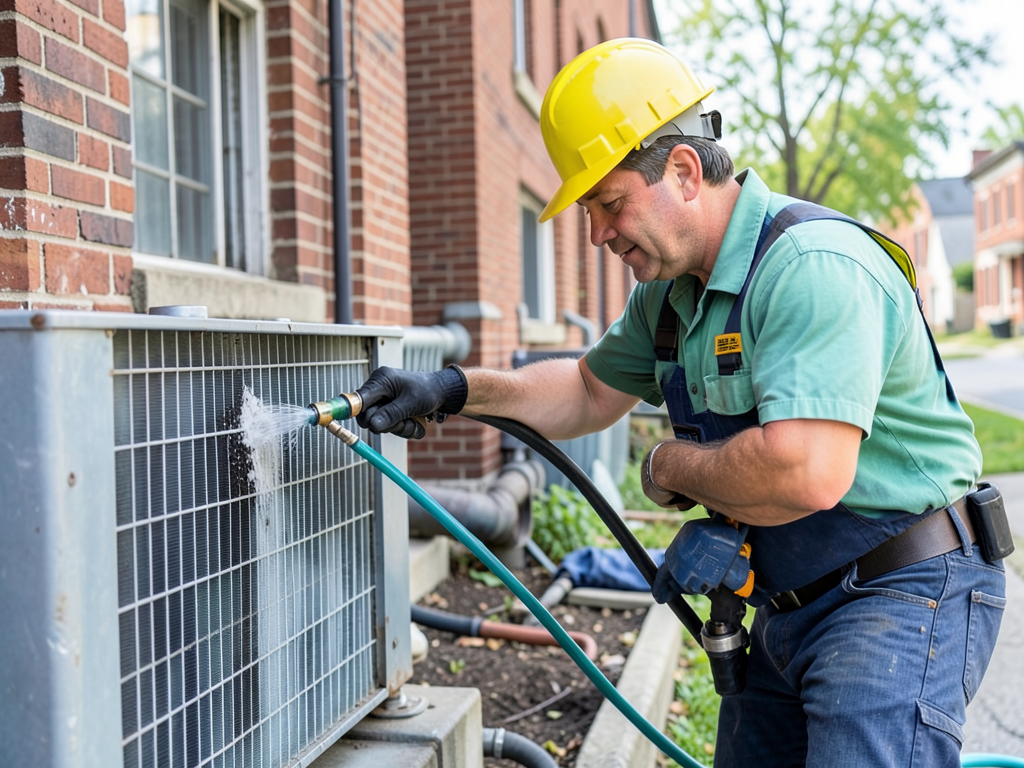
Cleaning Pine Needle and Sap Buildup from Your Outdoor AC Unit in The Old Northside Your outdoor AC unit works…

How an Upgraded HVAC System Boosts Your Resale Value in the Competitive Carmel Real Estate Market

How an Upgraded HVAC System Boosts Your Resale Value in the Competitive Carmel Real Estate Market Homeowners in Carmel face…

Contact Us

Stop wasting money on outdated climate control. Call Reliance HVAC at (317) 688-8818 to schedule your smart thermostat installation. We'll assess your system, recommend the right device, and complete installation in one visit. Take control of your comfort and energy bills now.