


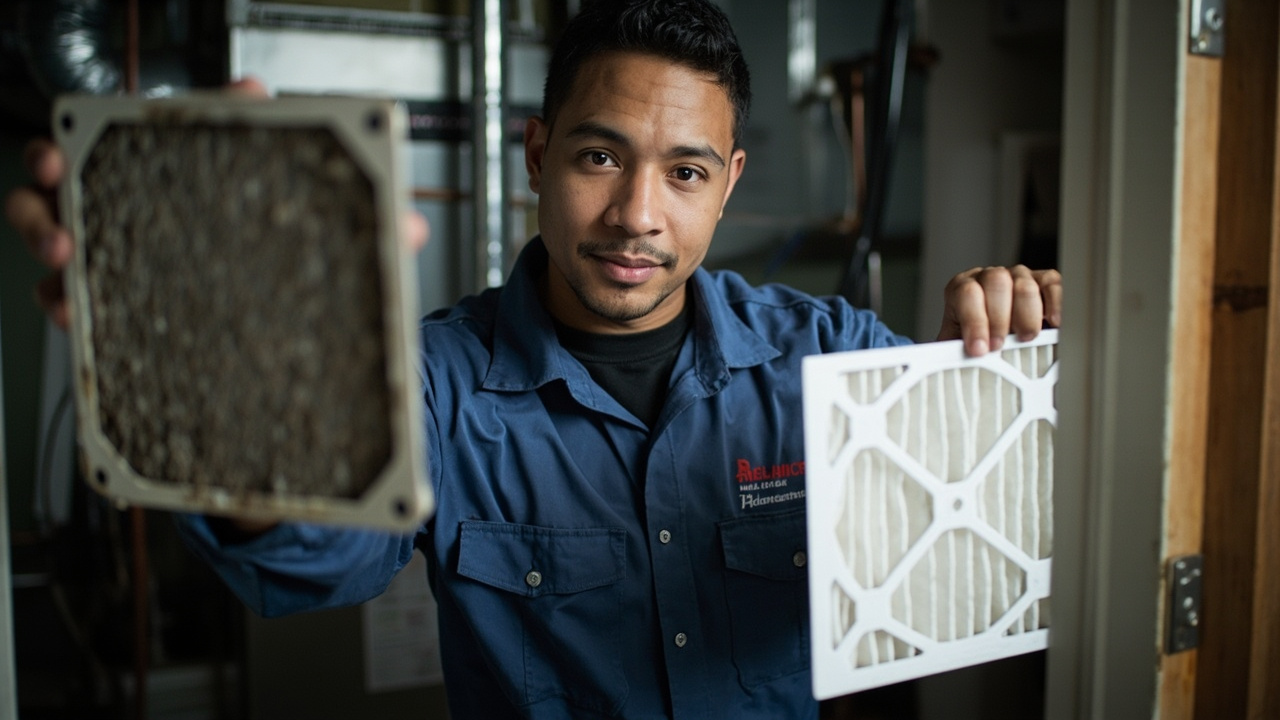
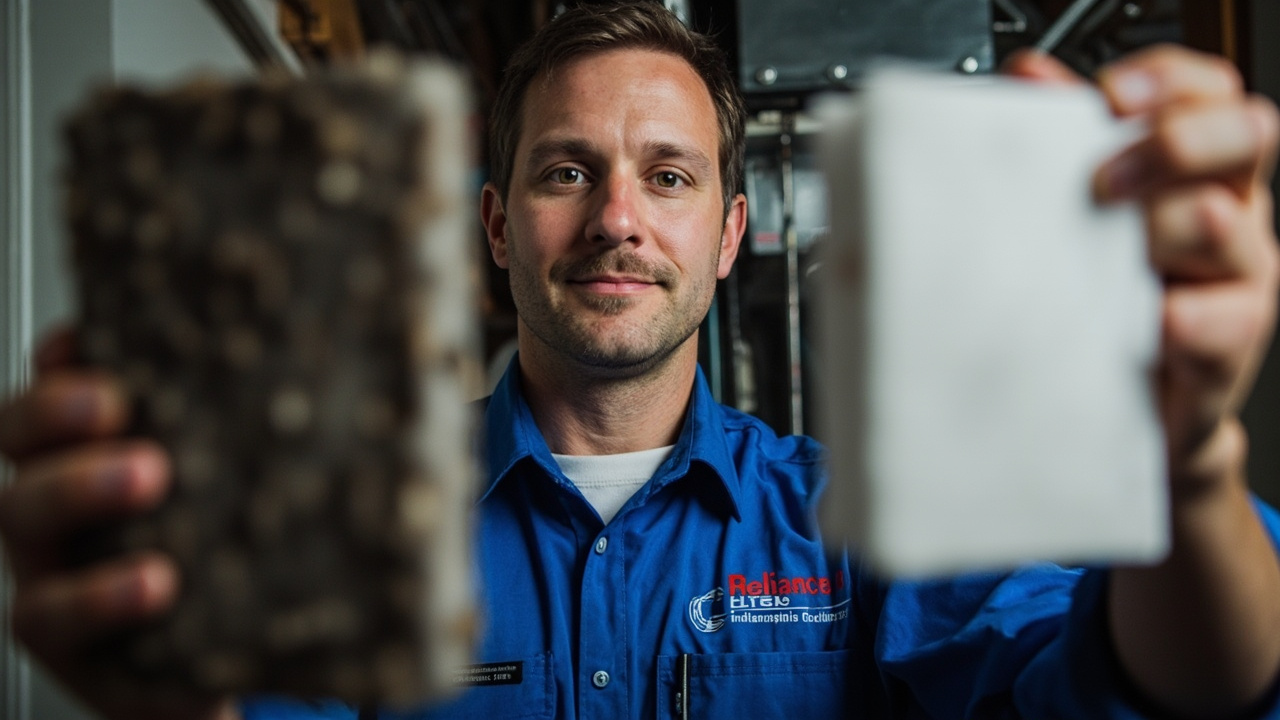
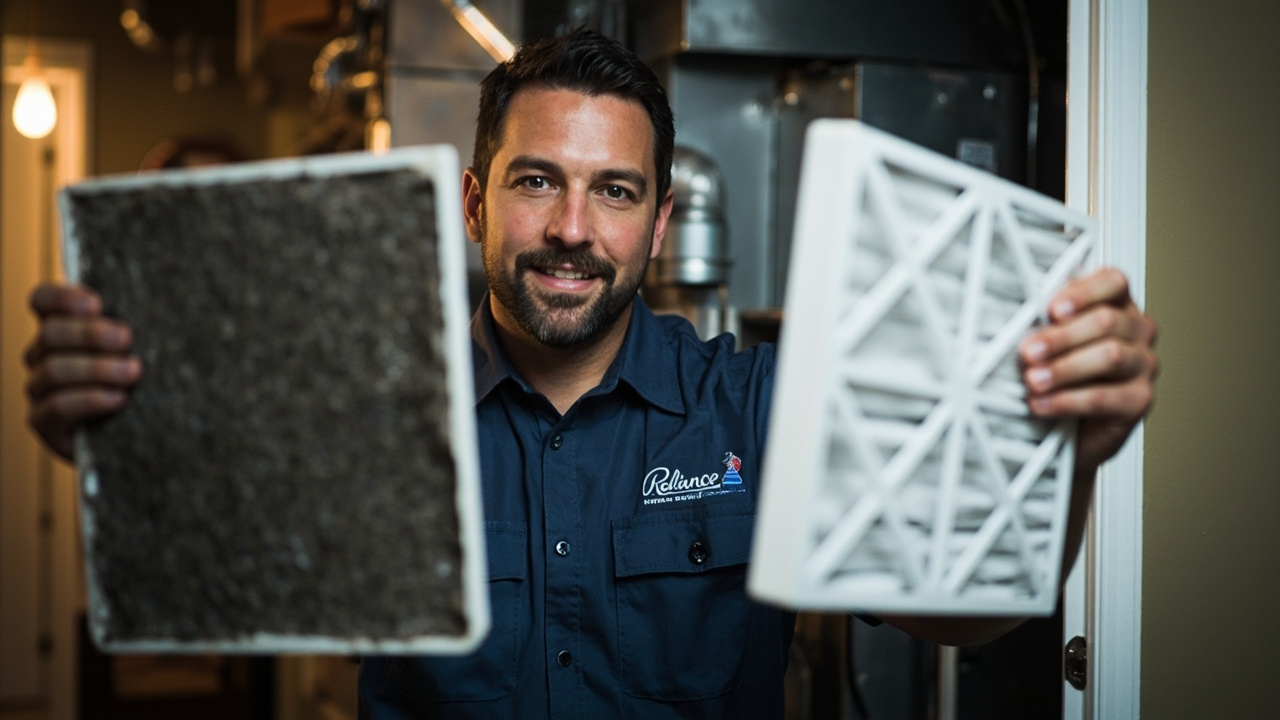
Indianapolis sits in the Ohio River Valley, which creates a bowl effect that traps pollen and particulate matter during spring and fall. Maple and oak trees produce heavy pollen loads from mid-March through May. Ragweed dominates from August through the first frost. Industrial activity along the I-465 corridor and rail yards near the east side adds fine particulate matter that clogs filters faster than in rural areas. Homes within 2 miles of Interstate 70 or Interstate 65 experience higher filter loading due to diesel exhaust and brake dust. These conditions mean Indianapolis filters need more frequent changes than the generic 90-day recommendations printed on filter packaging. A filter that lasts 3 months in rural Indiana might need replacement every 30 to 45 days in urban Indianapolis neighborhoods.
Indianapolis adopted the 2014 International Mechanical Code, which includes specific requirements for filter accessibility and minimum MERV ratings in new construction. However, thousands of older homes lack proper filter access or use outdated filter rack designs that create bypass gaps. Local HVAC contractors familiar with Indianapolis housing stock understand these challenges and know how to retrofit modern filtration into older systems without creating airflow problems. Working with companies that understand local building characteristics, seasonal air quality patterns, and proper filter specifications for different equipment types ensures you get recommendations based on real-world Indianapolis conditions rather than generic national guidelines that may not apply to your specific situation.