
Menu

Industrial Chiller Services in Indianapolis – Protecting Your Operations with Minimal Downtime

Industrial chiller maintenance, repair, and process cooling services engineered to keep manufacturing, food processing, and pharmaceutical operations running at full capacity across the Indianapolis metro.

Slider Image 1
Slider Image 2
Slider Image 3
Slider Image 4
Slider Image 5
Slider Image 7
Slider Image 8
Slider Image 9
Slider Image 10
Slider Image 11

Indianapolis Industrial Operations Face Unique Cooling Demands

The industrial corridor stretching from the northwest side through Speedway and into the east side manufacturing zones demands reliable cooling infrastructure. Your chiller plant is not a comfort issue. It is a production continuity issue. When a centrifugal chiller fails during a second-shift pharmaceutical batch run, you lose product, labor hours, and revenue. When a screw chiller serving injection molding equipment overheats, you face costly downtime and potentially damaged tooling.

Indianapolis's temperature swings, from subzero winters to humid 90-degree summers, stress industrial cooling systems year-round. These extremes force compressors, evaporators, and condensers to work harder. Your chiller plant maintenance schedule must account for refrigerant charge loss during freeze-thaw cycles and scale buildup in cooling towers fed by Indianapolis's hard municipal water supply. Facilities near the White River or Fall Creek also contend with humidity infiltration that accelerates corrosion in chiller barrels and heat exchangers.

Commercial HVAC providers who primarily service office buildings lack the technical depth to diagnose complex chiller issues. Industrial chiller repair requires understanding refrigeration system architecture, glycol loop dynamics, and process cooling loads. A misdiagnosed compressor bearing failure can cascade into a total system replacement. You need technicians who read pressure-enthalpy diagrams and understand the difference between air-cooled and water-cooled chiller configurations. Your facility's liability extends beyond equipment costs. Spoiled product batches, missed delivery windows, and regulatory compliance failures carry consequences that dwarf repair invoices.

Indianapolis Industrial Operations Face Unique Cooling Demands
How We Approach Industrial Cooling System Services

How We Approach Industrial Cooling System Services

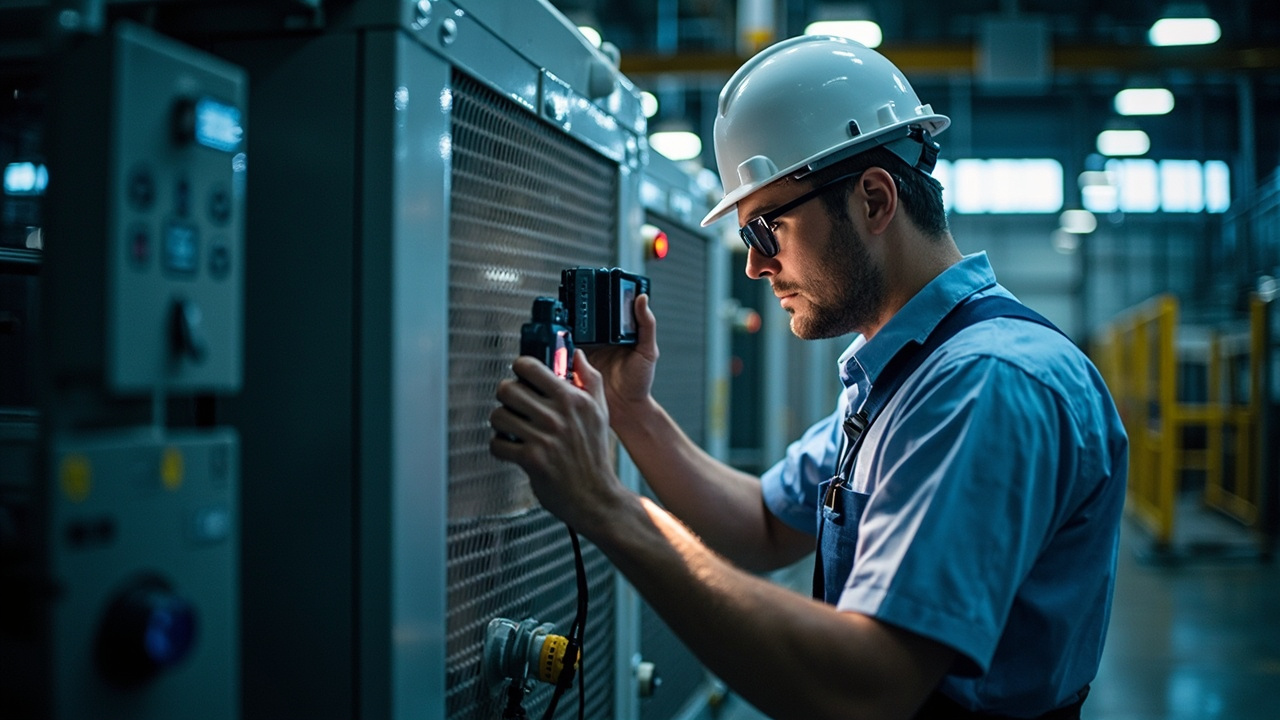
We start with system-level diagnostics, not component swapping. Our technicians use vibration analysis on compressor assemblies, refrigerant flow metering, and thermal imaging to identify inefficiencies before they trigger shutdowns. We analyze your current load profile against chiller capacity to determine if you are oversizing your system during shoulder seasons or undersizing during peak production hours. This data-driven approach prevents unnecessary capital expenditures and extends equipment life.

For industrial chiller maintenance, we follow manufacturer specifications while adapting to your operational schedule. We perform oil analysis on screw compressor systems, inspect tube bundles for fouling, and verify control sequence accuracy. Many facilities run 24/7 operations, so we coordinate maintenance during planned production slowdowns or implement redundancy protocols to maintain cooling during service windows. We also establish baseline performance metrics so you can track efficiency degradation over time and budget for major overhauls before catastrophic failures occur.

Industrial chiller repair requires precision fabrication capabilities. We do not simply patch leaking evaporator tubes. We perform hydrostatic testing, repack mechanical seals, and rebuild control panels with industrial-grade components rated for your environment. For facilities with ammonia or hydrocarbon refrigerants, we maintain proper safety protocols and EPA compliance documentation. Our service vehicles carry diagnostic tools specific to industrial systems, including refrigerant leak detectors sensitive to parts-per-million concentrations and pressure transducers calibrated for high-tonnage equipment. We also maintain relationships with OEM parts suppliers to reduce lead times on critical components like compressor motors and expansion valves.

Our Industrial Chiller Service Protocol

Industrial Chiller Services in Indianapolis – Protecting Your Operations with Minimal Downtime
01

System Assessment and Load Analysis

We begin with a comprehensive evaluation of your chiller plant configuration, current refrigerant charge levels, and thermal load requirements. Our technicians review control system data logs, measure superheat and subcooling values, and document any operational anomalies. This establishes performance baselines and identifies immediate failure risks. For facilities with multiple chillers operating in sequence, we verify staging logic and analyze energy consumption patterns to optimize efficiency.
02

Targeted Repair or Maintenance Execution

We execute repairs or maintenance tasks with minimal disruption to your operations. This includes compressor overhauls, condenser tube cleaning, refrigerant recovery and recharge procedures, and control system recalibration. For process cooling services supporting continuous manufacturing, we coordinate with your production team to implement temporary cooling solutions or shift loads to backup systems. All work follows lockout-tagout protocols and complies with ASHRAE standards for industrial refrigeration systems.
03

Performance Verification and Documentation

After completing repairs or maintenance, we run full-load performance tests to verify your chiller operates within design parameters. We provide detailed service reports documenting refrigerant pressures, compressor amp draw, water flow rates, and temperature differentials. This documentation supports your facility's preventive maintenance records and regulatory compliance requirements. We also schedule follow-up inspections to monitor system stability and adjust maintenance intervals based on observed wear patterns and operational demands.

Why Indianapolis Industrial Facilities Trust Our Chiller Expertise

Indianapolis's industrial base spans pharmaceutical manufacturing, food processing, plastics molding, and data centers. Each sector demands different cooling solutions. Pharmaceutical operations require precise temperature and humidity control to maintain product integrity. Food processing facilities need systems compliant with FDA sanitation standards. Data centers cannot tolerate even brief cooling interruptions without triggering costly server shutdowns. Generic HVAC contractors lack the specialized knowledge these applications require.

We understand the local regulatory environment. Marion County enforces strict refrigerant handling protocols under EPA Section 608 regulations. Facilities using ammonia refrigeration systems must comply with OSHA Process Safety Management standards and Indianapolis Fire Department emergency response planning requirements. We maintain proper certifications and documentation to keep your facility compliant during inspections. Our technicians also understand Indiana's energy efficiency incentive programs, helping you identify rebate opportunities for chiller upgrades or retrofit projects that improve coefficient of performance.

The industrial zones near Ameriplex, Airport Industrial Park, and Plainfield's warehouse district house hundreds of facilities dependent on reliable process cooling. We have worked in these areas long enough to understand common infrastructure challenges. Many older facilities operate chillers installed in the 1990s using R-22 refrigerant, now subject to phase-out restrictions. We help you plan refrigerant conversions or equipment replacements before regulatory deadlines force rushed decisions. Our familiarity with local mechanical contractors, controls integrators, and equipment suppliers also accelerates project timelines when you need emergency replacements or capacity expansions.

What to Expect from Our Industrial Chiller Services

Response Times Aligned with Production Schedules

We recognize that production delays cost you more per hour than our service fees. For maintenance contracts, we schedule work during planned downtime windows. For emergency repairs, we dispatch technicians with the diagnostic equipment and common replacement parts needed to restore operations quickly. Our service vehicles carry compressor oil, refrigerant cylinders, contactors, and pressure controls to minimize trips back to the shop. We also coordinate with your maintenance team to stage backup cooling equipment if repairs require extended shutdowns.

Detailed Diagnostic Procedures

We do not guess. Our diagnostic protocol includes compressor oil analysis to detect bearing wear, vibration testing to identify mechanical imbalances, and refrigerant circuit analysis using pressure-temperature charts. We inspect electrical components for voltage imbalances and contact wear. For water-cooled systems, we test condenser water quality and flow rates to identify scaling or fouling issues. This thorough approach prevents misdiagnosis and ensures repairs address root causes rather than symptoms. You receive a written assessment outlining findings, recommended repairs, and cost implications before we proceed.

Reliable System Performance

When we complete a repair or maintenance service, your chiller operates at design capacity with documented performance metrics. We verify refrigerant charge accuracy, confirm proper oil return to the compressor, and test safety controls including high-pressure cutouts and low-temperature alarms. For chillers serving critical processes, we run systems under load to confirm stable operation before signing off. You receive performance data showing actual versus expected efficiency, helping you track system health over time and plan for future upgrades.

Ongoing Maintenance Support

Industrial chillers require consistent attention to maintain reliability. We offer scheduled maintenance contracts tailored to your equipment type and operational intensity. These agreements include quarterly inspections, annual compressor overhauls, and priority response for breakdowns. We track your equipment history in our service database, monitoring trends in refrigerant loss, compressor performance degradation, and control system faults. This predictive approach identifies developing issues before they cause production interruptions. We also provide technical consultation for capacity planning when you expand operations or modify process cooling loads.

Frequently Asked Questions

You Have Questions,
We Have Answers

How often should chillers be serviced? +

Industrial chillers require quarterly inspections and annual comprehensive servicing to maintain peak efficiency. High-use facilities in Indianapolis should schedule service every 2,500 to 3,000 operating hours. This includes refrigerant level checks, electrical component testing, compressor oil analysis, and heat exchanger cleaning. Indianapolis' seasonal temperature swings create additional strain on chillers. Summer demand peaks require pre-season tune-ups in April, while winter freeze protection checks are necessary in November. Document all maintenance in compliance logs for insurance and code requirements. Neglecting routine service reduces efficiency by 15 to 30 percent and accelerates component failure.

How much does a 1000 ton chiller cost? +

1000-ton chiller costs vary significantly based on configuration, refrigerant type, and efficiency ratings. Air-cooled models typically cost less upfront but increase operating expenses. Water-cooled centrifugal chillers offer better efficiency for large Indianapolis facilities with adequate water resources. Installation complexity adds to the total project cost, including electrical upgrades, rigging, and structural reinforcement. Energy-efficient models with variable speed drives cost more initially but reduce utility expenses by 20 to 35 percent annually. Request detailed proposals that break down equipment, installation, and projected operating costs over the unit's lifecycle to calculate true ROI for your facility.

What does an industrial chiller do? +

Industrial chillers remove heat from process fluids or building systems through vapor-compression or absorption refrigeration cycles. The chiller circulates cooled water or glycol through your facility's equipment, absorbing thermal energy. This heated fluid returns to the chiller where refrigerant evaporation removes the heat, which is then expelled through condensers. Indianapolis manufacturing facilities use chillers for injection molding, pharmaceutical production, food processing, and data center cooling. Process cooling maintains consistent temperatures critical for product quality and equipment protection. Building comfort cooling supports employee productivity and protects sensitive inventory. Proper chiller sizing prevents inefficient cycling and ensures adequate cooling capacity during peak demand.

How to service chillers? +

Chiller service starts with shutdown procedures and lockout-tagout protocols. Technicians inspect refrigerant pressures, compressor oil quality, electrical connections, and control calibration. Water treatment analysis prevents scale buildup in condenser tubes. Evaporator and condenser coils require chemical cleaning or mechanical brushing to restore heat transfer efficiency. Motor bearings need lubrication and vibration analysis to detect wear. Refrigerant leaks are identified using electronic detectors and repaired before recharging. Control systems undergo functional testing to verify setpoints and safety interlocks. Indianapolis facilities must maintain service documentation for compliance audits. Professional service identifies minor issues before they cause expensive breakdowns or production downtime.

What is the $5000 rule for HVAC? +

The $5000 rule helps facility managers decide between repair and replacement. When repair costs exceed $5000 and the equipment has reached 50 percent of its expected lifespan, replacement often delivers better ROI. This calculation includes labor, parts, and downtime costs. For Indianapolis commercial facilities, factor in energy efficiency improvements and utility rebate programs. A 20-year-old chiller requiring $6000 in compressor repairs should be evaluated for replacement since modern units cut energy costs by 30 to 40 percent. Consider repair if the unit is under 10 years old and well-maintained. Total lifecycle costs determine the most economical decision.

What are the 5 types of preventive maintenance? +

The five preventive maintenance types for industrial chillers include time-based, usage-based, predictive, prescriptive, and condition-based maintenance. Time-based follows calendar schedules regardless of operating hours. Usage-based tracks runtime hours or cycles. Predictive maintenance uses vibration analysis, oil testing, and thermal imaging to forecast failures. Prescriptive maintenance applies data analytics and machine learning to optimize service intervals. Condition-based monitoring employs sensors to track real-time performance metrics. Indianapolis facilities with critical cooling needs combine these approaches. High-value operations benefit from predictive and condition-based strategies that prevent unexpected failures. Document all maintenance activities to demonstrate compliance and support insurance claims if equipment fails.

How long do industrial chillers last? +

Industrial chillers last 15 to 30 years depending on maintenance quality, operating conditions, and equipment type. Water-cooled chillers typically outlast air-cooled models due to lower condensing temperatures and reduced compressor stress. Indianapolis facilities with proper water treatment and quarterly maintenance reach the upper end of this range. Compressors usually require replacement or rebuilding at the 15 to 20-year mark. Inadequate maintenance shortens lifespan to 10 to 12 years and increases energy costs. Harsh operating environments, poor water quality, and refrigerant contamination accelerate wear. Budget for major component overhauls at year 15 and replacement planning at year 20 to avoid emergency purchases.

How much is the chiller fee? +

Chiller service fees depend on system tonnage, service scope, and facility location within Indianapolis. Quarterly maintenance visits range from basic inspections to comprehensive performance testing. Emergency service calls command premium rates, especially during cooling season peaks. Annual maintenance contracts reduce per-visit costs and prioritize response times. Complex repairs involving compressor work, refrigerant recovery, or control system upgrades require detailed quotes. Indianapolis facilities should request itemized proposals separating labor, materials, refrigerant, and disposal fees. Energy audits and efficiency upgrades represent additional investments that reduce operating costs. Compare total ownership costs rather than focusing solely on service pricing to maximize value.

Is a chiller the same as HVAC? +

Chillers are components within larger HVAC systems, not standalone equivalents. HVAC encompasses heating, ventilation, and air conditioning for building comfort. Industrial chillers specifically provide cooling through chilled water or glycol circulation. Indianapolis commercial buildings integrate chillers with air handlers, cooling towers, and pumps to create complete HVAC systems. Process cooling applications use chillers independently of comfort HVAC. Data centers and manufacturing facilities may operate chillers year-round while comfort HVAC systems cycle seasonally. Understanding this distinction helps facility managers communicate needs accurately when requesting service or upgrades. Chiller specialists focus on refrigeration systems while HVAC contractors provide broader building comfort solutions.

What are common chiller problems? +

Common chiller problems include refrigerant leaks, compressor failures, condenser fouling, and control malfunctions. Low refrigerant charge reduces cooling capacity and increases compressor wear. Condenser tubes accumulate scale and biological growth in Indianapolis water systems, reducing heat transfer efficiency. Compressor bearing failure causes catastrophic damage if vibration analysis does not detect early warning signs. Electrical issues include contactor failures, starter problems, and sensor drift. Water flow restrictions from clogged strainers reduce system performance. Freeze protection failures during Indianapolis winters can burst evaporator tubes. Regular maintenance and water treatment prevent most issues. Address warning signs immediately to avoid production interruptions and expensive emergency repairs.

How Indianapolis's Manufacturing Infrastructure Demands Industrial-Grade Cooling Solutions

The concentration of pharmaceutical manufacturers, food processors, and plastics operations in central Indiana creates intense demand for reliable industrial chiller systems. These facilities cannot tolerate cooling failures without triggering product loss or regulatory violations. Indianapolis's location at the intersection of multiple interstate highways made it a logistics hub, but that same geographic position subjects facilities to temperature extremes that stress cooling equipment. Winter temperatures drop below zero, forcing glycol systems to work harder. Summer heat and humidity push air-cooled condensers beyond their design limits. Facilities require chiller plant maintenance protocols that account for these seasonal stresses and prevent mid-production failures.

Marion County's industrial zones operate under strict environmental and safety regulations. The Indianapolis Fire Department enforces ammonia refrigeration safety standards for cold storage warehouses. The Indiana Department of Environmental Management monitors refrigerant handling practices and phase-out compliance for legacy R-22 systems. Choosing a service provider familiar with these local requirements protects your facility from compliance violations and ensures proper documentation during inspections. Local expertise also means faster response times when equipment fails, access to regional parts suppliers, and relationships with controls contractors who understand your facility's automation systems.
HVAC Services in The Indianapolis Area

We are proud to serve the entire area, providing exceptional HVAC services to both residential and commercial clients. Our team is strategically located to ensure a fast response time, no matter where you are. View our service area on the map to see how we can bring our reliable, expert service right to your doorstep. Don't see your location? Give us a call anyway!

Address:
Reliance HVAC Indianapolis, 1225 N Meridian St, Indianapolis, IN, 46204

Additional Services We Offer

Our news updates

Latest Articles & News from The Blogs

The Pros and Cons of Inverter Driven AC Units for Temperature Stability in Meridian Hills Inverter-driven AC units offer a…

The Pros and Cons of Inverter Driven AC Units for Temperature Stability in Meridian Hills

The Pros and Cons of Inverter Driven AC Units for Temperature Stability in Meridian Hills Inverter-driven AC units offer a…

Cleaning Pine Needle and Sap Buildup from Your Outdoor AC Unit in The Old Northside

Cleaning Pine Needle and Sap Buildup from Your Outdoor AC Unit in The Old Northside Your outdoor AC unit works…

How an Upgraded HVAC System Boosts Your Resale Value in the Competitive Carmel Real Estate Market

How an Upgraded HVAC System Boosts Your Resale Value in the Competitive Carmel Real Estate Market Homeowners in Carmel face…

Contact Us

Equipment failures cost you production time, wasted materials, and missed deadlines. Schedule a chiller system assessment or request emergency repair service by calling (317) 688-8818. We respond quickly and diagnose accurately.