
Menu

Iced Up Evaporator Coil in Indianapolis – Fast Diagnosis and Permanent Repair to Restore Your Cooling

When your air conditioner coil freezes up, you need more than a temporary thaw. Reliance HVAC Indianapolis identifies the root cause behind frozen cooling coils and fixes it right the first time, so you avoid repeat breakdowns and costly system damage.

Slider Image 1
Slider Image 2
Slider Image 3
Slider Image 4
Slider Image 5
Slider Image 7
Slider Image 8
Slider Image 9
Slider Image 10
Slider Image 11

Why Indianapolis Homeowners See Frozen AC Evaporator Coils More Often Than They Should

You walk past your AC and notice ice on the evaporator coil. The vents blow warm air. Your compressor runs nonstop, but nothing cools. This is not normal, and it is not just bad luck.

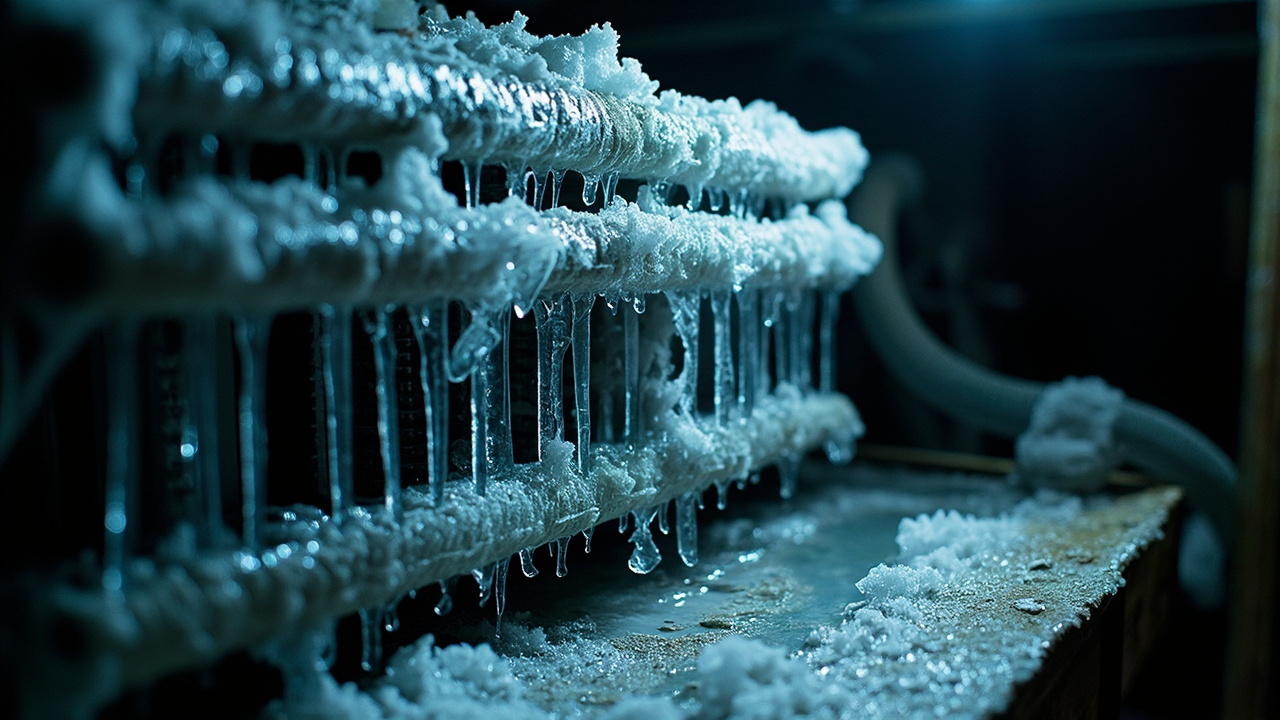
Indianapolis's muggy summer climate creates the perfect conditions for frozen ac evaporator coils. High humidity means your system works harder to dehumidify the air. When airflow drops, even slightly, refrigerant pressure shifts. The coil temperature plummets below freezing, and condensation turns to ice. The ice blocks airflow, which causes more ice, and the cycle feeds itself until your system shuts down.

Older homes in neighborhoods like Broad Ripple and Irvington often have undersized return ducts or vents blocked by furniture. New construction in Fishers and Carmel sometimes has flex duct crushed in tight attic spaces. Either scenario starves the evaporator coil of airflow, and the result is the same: a frozen cooling coil and a house that will not cool.

A frozen evaporator coil is a symptom, not the disease. The ice tells you something upstream is broken. Ignoring it leads to compressor failure, refrigerant leaks, and a replacement bill that could have been avoided. Indianapolis homeowners who treat the ice without diagnosing the cause end up calling again in two weeks when it freezes over again.

You need a technician who understands the why, not just someone who thaws the coil and leaves.

Why Indianapolis Homeowners See Frozen AC Evaporator Coils More Often Than They Should
How We Diagnose and Permanently Fix an Air Conditioner Coil Freezing Up

How We Diagnose and Permanently Fix an Air Conditioner Coil Freezing Up

We do not guess. We do not thaw the coil, reset the thermostat, and hope for the best. Reliance HVAC Indianapolis uses a systematic diagnostic process to isolate the exact failure point.

First, we measure airflow at the supply and return plenums. Low airflow is the leading cause of frozen cooling coils. We inspect the air filter, ductwork, and blower assembly. A clogged filter, collapsed flex duct, or a failing blower motor will starve the coil of air and drop the surface temperature below 32 degrees. We check static pressure across the system to confirm the airflow meets manufacturer specifications.

Next, we test refrigerant charge and pressures. An undercharged system will cause the evaporator coil to freeze because low refrigerant levels reduce pressure and temperature. We use manifold gauges to measure suction and discharge pressures, then compare those readings to the nameplate data. If the charge is low, we locate the leak before adding refrigerant. Topping off a leaking system is a waste of money and does not fix the problem.

We also inspect the metering device. A clogged or malfunctioning thermostatic expansion valve or orifice restricts refrigerant flow, which causes localized freezing on the coil. We clean or replace the metering device if needed.

Finally, we verify thermostat operation and cycling behavior. A thermostat that short-cycles or runs the blower fan intermittently can prevent proper defrost cycles. We correct the control logic and confirm the system cycles correctly under load.

Once we identify the root cause, we fix it. Then we monitor the system through a full cooling cycle to confirm the coil stays clear and the temperature drop across the coil is correct.

What Happens When You Call Us for an Iced Over Evaporator Coil

Iced Up Evaporator Coil in Indianapolis – Fast Diagnosis and Permanent Repair to Restore Your Cooling
01

Immediate System Shutdown

We shut down the system to prevent compressor damage. Running the compressor with ice on the evaporator coil sends liquid refrigerant back to the compressor, which causes slugging and internal damage. We switch the thermostat to fan-only mode to accelerate thawing. We inspect the condensate drain to confirm meltwater can escape without flooding the drain pan or damaging ceilings.
02

Root Cause Isolation

Once the coil thaws, we run a full diagnostic on airflow, refrigerant charge, and metering device operation. We use manometers to measure static pressure, manifold gauges to test refrigerant levels, and infrared thermometers to check temperature splits. We inspect blower wheels, ductwork, and filters for restrictions. We identify the specific failure and explain what caused the freeze-up before we make any repairs.
03

Verification and Testing

After the repair, we run the system through multiple cooling cycles and monitor coil temperature, airflow, and refrigerant pressures. We confirm the evaporator coil stays dry, the temperature drop is within spec, and the system cycles correctly. We document the before and after pressures and temperatures so you have a record of the fix. You get a system that cools properly and stays that way.

Why Indianapolis Residents Trust Reliance HVAC Indianapolis for Frozen Evaporator Coil Repairs

Indianapolis has hundreds of HVAC contractors. Most will thaw your coil and leave. Few will take the time to diagnose why the coil froze in the first place. That is the difference between a callback and a permanent fix.

Reliance HVAC Indianapolis has spent years working in Indianapolis's unique housing stock. We know the ductwork challenges in older homes in Fountain Square and the airflow issues in newer builds in Zionsville. We understand how Indianapolis's humidity affects refrigerant behavior and how poorly designed duct systems contribute to frozen coils.

We carry the tools to do the job right the first time. Manifold gauges, manometers, infrared cameras, and leak detectors are standard on every truck. We do not guess at refrigerant charge. We do not skip airflow testing. We follow a methodical process because that is what eliminates comebacks.

We also respect your time. We arrive on schedule, explain what we find in plain language, and give you options before we start any work. You will not get upsold on services you do not need. You will not get a generic diagnosis. You get the truth about what broke and what it takes to fix it.

Indianapolis homeowners who have been through the cycle of temporary fixes and repeat failures choose us because we solve problems instead of managing symptoms. We fix the airflow restriction, seal the refrigerant leak, or replace the failing component. Then we prove the repair works before we leave.

You deserve a contractor who knows the difference between a bandaid and a cure. That is what we deliver.

What You Can Expect When We Repair Your Frozen AC Evaporator Coil

Same-Day Service Availability

We know a frozen coil means no cooling. We prioritize these calls and offer same-day service for most Indianapolis neighborhoods. Our dispatch team will give you a clear arrival window, and our technicians call ahead when they are en route. We do not make you wait days in the heat while your system sits idle. Most frozen coil repairs are completed in a single visit, and we carry the common parts needed to fix airflow restrictions, refrigerant leaks, and metering device failures.

Thorough System Diagnostics

Our diagnostic process is non-negotiable. We do not skip steps to save time. We measure airflow, test refrigerant pressures, inspect ductwork, and verify thermostat operation. You get a written breakdown of what we found and what needs to be fixed. We explain the diagnosis in clear terms so you understand the cause and the solution. You make the decision on how to proceed, and we execute the repair to manufacturer specifications. No guesswork. No assumptions.

Verified Repair Performance

We do not consider the job finished until we confirm the system works correctly. After the repair, we run the system through multiple cooling cycles and monitor coil temperature, refrigerant pressures, and airflow. We verify the evaporator coil stays clear, the temperature split is correct, and the system cycles properly. You get documentation of the before and after conditions, so you know the problem is solved. We leave when your system cools the way it should.

Preventative Maintenance Recommendations

A frozen coil is often a warning sign of deferred maintenance. After the repair, we provide a clear list of recommendations to prevent future freeze-ups. This might include filter changes, duct sealing, or blower motor replacement. We do not pressure you into unnecessary work, but we give you the information you need to keep your system running. Many Indianapolis homeowners enroll in our maintenance plan to catch airflow restrictions and refrigerant leaks before they cause ice buildup.

Frequently Asked Questions

You Have Questions,
We Have Answers

What causes ice on the evaporator coil? +

Ice forms on your evaporator coil when airflow drops or refrigerant pressure changes. Restricted airflow is the most common culprit. Clogged air filters, blocked return vents, or dirty coils prevent warm air from reaching the coil surface. When warm air cannot exchange heat, the coil temperature drops below freezing and condensation turns to ice. Low refrigerant levels also reduce pressure, causing excessive cooling. In Indianapolis, high humidity during summer months makes this worse. The moisture in the air freezes faster when conditions are right. Faulty blower motors and closed dampers also starve the coil of airflow.

What is the best way to thaw out an iced up evaporator coil? +

Turn off your AC system completely at the thermostat. Switch the fan setting to "on" to circulate air and speed thawing. This moves warm air across the coil without adding refrigerant pressure. The ice typically melts within 2 to 4 hours. Place towels or a shallow pan under the indoor unit to catch water runoff. Never chip or scrape ice off the coil. You risk damaging the thin aluminum fins and refrigerant tubing. Once thawed, check your air filter and replace it if dirty. If ice returns after restarting, you need a technician to diagnose airflow or refrigerant issues.

Will low refrigerant cause an evaporator to ice up? +

Yes. Low refrigerant directly causes evaporator coil icing. When refrigerant levels drop due to leaks, the remaining refrigerant expands too much inside the coil. This expansion lowers the coil temperature below the normal 40 degrees. The coil gets cold enough to freeze moisture from the air. You will also notice weak cooling, longer run times, and hissing sounds near the refrigerant lines. Refrigerant does not get used up like fuel. If levels are low, you have a leak somewhere. A technician must locate the leak, repair it, and recharge the system to the correct pressure. Simply adding refrigerant without fixing leaks wastes money.

What would cause a coil to freeze up? +

Multiple issues cause coil freezing. Dirty air filters block airflow and are the most frequent cause in Indianapolis homes. Closed or blocked supply vents restrict circulation. A failing blower motor cannot move enough air across the coil. Low refrigerant from leaks drops coil temperature too far. Dirty evaporator coils trap dust and reduce heat exchange. Collapsed or kinked ductwork limits airflow. Thermostat problems can cause the system to overcool. Running your AC when outdoor temperatures drop below 60 degrees also risks freezing. Each cause requires a different fix. A technician will test airflow, refrigerant pressure, and component operation to isolate the problem.

Can I turn my AC back on after it thaws? +

Wait before restarting. First, identify why the coil froze. If you only thawed it without fixing the root cause, ice will return quickly. Check your air filter and replace it if clogged. Make sure all supply vents are open throughout your home. Inspect the outdoor unit for debris blocking airflow. If these are clear, turn the system back on and monitor it for 30 minutes. Watch for reduced airflow, ice reforming, or weak cooling. If any of these occur, shut it down and call a technician. Continuing to run a frozen system damages the compressor and costs more to repair.

What are the six common causes of evaporator freezing? +

The six common causes are dirty air filters, low refrigerant levels, blocked return or supply vents, dirty evaporator coils, blower motor failure, and thermostat malfunctions. Air filters trap dust and pet dander common in Indianapolis homes, restricting airflow within weeks. Refrigerant leaks reduce pressure and overcool the coil. Closed vents in unused rooms create pressure imbalances. Dust buildup on the coil itself blocks heat transfer. A weak or failing blower cannot push enough air. Faulty thermostats may run the system too long or at incorrect temperatures. Each issue reduces airflow or drops coil temperature below freezing, creating ice buildup.

Can a frozen evaporator coil be fixed? +

Yes, but you must address the underlying cause. The ice itself is a symptom, not the problem. Thawing the coil is the first step. Then a technician diagnoses why it froze. Simple fixes include replacing air filters, cleaning coils, or opening blocked vents. More involved repairs include fixing refrigerant leaks, replacing blower motors, or repairing ductwork. The coil itself rarely needs replacement unless damaged by corrosion or punctures. Most freezing issues stem from maintenance neglect or worn components. Regular filter changes and annual tune-ups prevent most coil icing in Indianapolis. Once repaired, the system operates normally without ice returning.

What is the 3 minute rule for AC? +

The 3 minute rule protects your compressor from damage. After shutting off your AC, wait at least 3 minutes before restarting it. This allows refrigerant pressure to equalize between the high and low sides of the system. If you restart too quickly, the compressor works against unbalanced pressure, straining internal components. This is critical after a frozen coil incident. The compressor already worked harder than normal trying to cool against ice blockage. Give it time to rest and stabilize. Modern thermostats have built-in delay timers, but manual restarts at the breaker bypass this protection. Always wait the full 3 minutes.

How long should I leave my AC off if it's frozen? +

Leave your AC off for 2 to 4 hours minimum. This gives the ice time to melt completely. Thicker ice buildup takes longer. Run the blower fan on "on" mode to speed the process. Check the drain pan under the indoor unit every 30 minutes to prevent overflow. Once thawed, inspect the air filter and replace it if dirty. Verify all vents are open. If you restart too soon, remaining ice blocks airflow and the coil refreezes immediately. The compressor also needs recovery time after working under stress. Patience now prevents compressor failure later, which costs thousands to replace.

What is the $5000 AC rule? +

The $5000 AC rule is a replacement decision guideline. Multiply the repair cost by the system age in years. If the total exceeds $5000, replace the unit instead of repairing it. For example, a $500 repair on a 12 year old system equals $6000, suggesting replacement. This accounts for diminishing returns on aging equipment. Older systems in Indianapolis face stress from humid summers and temperature swings. Frequent repairs add up fast. A frozen coil repair might cost $300 to $800 depending on the cause. Apply the formula to decide if continued repairs make financial sense or if a new, efficient system saves money long term.

How Indianapolis's High Humidity and Aging Ductwork Contribute to Frozen Evaporator Coils

Indianapolis's summer climate combines high temperatures with persistent humidity. Your AC does not just cool the air, it removes moisture. High humidity increases the latent load on your evaporator coil, which means the coil works harder and runs colder. When airflow drops due to a dirty filter, crushed flex duct, or undersized return grilles, the coil temperature falls below freezing. Condensation turns to ice, and the problem accelerates. Homes near the White River or in low-lying areas experience even higher humidity, which makes proper airflow and clean filters critical to preventing frozen cooling coils.

Indianapolis has a mix of housing stock, from pre-war bungalows in Broad Ripple to new construction in Fishers. Older homes often have undersized ductwork that was never upgraded when central air was added. New homes sometimes have poorly installed flex duct that gets crushed in attic spaces. Either scenario restricts airflow and causes frozen evaporator coils. Reliance HVAC Indianapolis understands these local challenges and knows how to correct them. We have repaired systems in every neighborhood and dealt with every ductwork mistake. That local experience means we diagnose faster and fix it right the first time.
HVAC Services in The Indianapolis Area

We are proud to serve the entire area, providing exceptional HVAC services to both residential and commercial clients. Our team is strategically located to ensure a fast response time, no matter where you are. View our service area on the map to see how we can bring our reliable, expert service right to your doorstep. Don't see your location? Give us a call anyway!

Address:
Reliance HVAC Indianapolis, 1225 N Meridian St, Indianapolis, IN, 46204

Additional Services We Offer

Our news updates

Latest Articles & News from The Blogs

The Pros and Cons of Inverter Driven AC Units for Temperature Stability in Meridian Hills Inverter-driven AC units offer a…

The Pros and Cons of Inverter Driven AC Units for Temperature Stability in Meridian Hills

The Pros and Cons of Inverter Driven AC Units for Temperature Stability in Meridian Hills Inverter-driven AC units offer a…

Cleaning Pine Needle and Sap Buildup from Your Outdoor AC Unit in The Old Northside

Cleaning Pine Needle and Sap Buildup from Your Outdoor AC Unit in The Old Northside Your outdoor AC unit works…

How an Upgraded HVAC System Boosts Your Resale Value in the Competitive Carmel Real Estate Market

How an Upgraded HVAC System Boosts Your Resale Value in the Competitive Carmel Real Estate Market Homeowners in Carmel face…

Contact Us

Your AC should cool your home, not grow ice. Call Reliance HVAC Indianapolis at (317) 688-8818 for same-day frozen coil diagnosis and repair. We find the root cause, fix it permanently, and get your system running right.