



Greenwood sits in the heart of central Indiana's humid continental climate zone, where temperature swings put constant stress on heating and cooling systems. Summer temperatures regularly hit the mid-90s with humidity levels that make heat indexes climb past 105 degrees. Your AC doesn't just cool air in these conditions. It works overtime removing moisture, straining compressors and blower motors. Winter brings the opposite extreme, with temperatures dropping into single digits and wind chills well below zero. Furnaces run continuously for days during cold snaps, testing heat exchangers and ignition systems.
The clay-heavy soil throughout Johnson County creates another challenge. Foundations shift with seasonal moisture changes, stressing ductwork connections and causing air leaks that waste energy. Homes near SR 135 and Interstate 65 face additional pressure from traffic vibrations that loosen mechanical connections over time. These conditions mean HVAC systems in Greenwood work harder than equipment in milder climates. Regular maintenance isn't optional here. It's protection against breakdowns during the worst possible moments.
We've built our reputation in Johnson County by showing up when other companies don't. While competitors shut down after 5 PM or take days to schedule service calls, we dispatch technicians 24 hours a day, seven days a week. Our trucks carry the parts that actually fail in Indiana's climate - capacitors that fry in humid summers, ignitors that crack in cold winters, and blower motors that wear out from constant use. We don't make second trips for parts. We fix problems the first time.
Our technicians live and work in the Indianapolis metro area. They know the Carrier, Trane, and Lennox systems common in Greenwood neighborhoods. They understand how homes built in the 1980s near Old Town differ from new construction along Worthsville Road. This local knowledge means accurate diagnosis and efficient repairs. We don't guess. We don't upsell. We fix what's broken and tell you honestly when replacement makes more sense than repair.
Every technician on our team completes ongoing training in refrigerant handling, electrical diagnostics, and building science. We follow Indiana mechanical code requirements for every installation and modification. Our work passes inspection the first time because we do it right. When we say a repair will last or a new system will perform as promised, that's not marketing language. It's a commitment backed by proper licensing, insurance, and a track record of callbacks that's among the lowest in the industry.

HVAC failures don't follow business hours. We answer phones and dispatch technicians around the clock, including weekends and holidays. When your system quits at midnight or during a holiday weekend, you get a trained professional at your door within hours, not days. Our emergency service covers all of Johnson County with no distance surcharges for Greenwood residents.

Our vehicles carry over 400 common replacement parts specific to Indiana's climate demands. Capacitors, contactors, motors, thermostats, and refrigerant stay on every truck. This means same-visit repairs for 85% of service calls. You don't wait days for parts orders while your family sweats through summer heat or shivers through winter cold.
You see the price before work starts. Our technicians diagnose the problem, explain what failed and why, then present options with clear costs. No hidden fees appear on the final bill. If you approve a repair for $400, that's what you pay. This straightforward approach eliminates the surprise charges and pressure tactics common in this industry.
We've serviced thousands of homes throughout Greenwood's established neighborhoods and new developments. Our technicians recognize the ductwork layouts common to local builders, the equipment brands preferred in this market, and the specific challenges posed by central Indiana's climate. This local experience translates to faster diagnosis and repairs that address root causes, not just symptoms.
Your heating and cooling system represents multiple connected components, each with different maintenance needs and failure patterns. We service every aspect of residential HVAC, from emergency repairs on failed equipment to planned replacements of aging systems. Our approach divides naturally into three categories based on urgency and scope.
Emergency repairs address immediate failures - a compressor that won't start, a heat exchanger leaking carbon monoxide, or a blower motor that stopped working. These situations demand fast response and accurate diagnosis. Our technicians carry diagnostic tools and replacement parts to resolve most emergencies in a single visit. Maintenance services prevent these emergencies through seasonal tune-ups and inspections that catch small problems before they become expensive failures. Finally, system replacements handle equipment that's reached the end of its useful life, typically 12 to 15 years for central air conditioning and 15 to 20 years for furnaces. We evaluate your current system honestly and recommend replacement only when repair costs approach 50% of new equipment value.
When your AC quits during a heat wave or your furnace stops working in January, you need help now. We dispatch technicians within two hours for emergency calls anywhere in Greenwood. Our trucks stock the capacitors, contactors, motors, and ignitors that commonly fail in Indiana's extreme weather. Most repairs finish during the first visit, restoring comfort fast. We diagnose the root cause, not just the obvious symptom, preventing repeat failures. Emergency service includes weekend and holiday availability with straightforward pricing presented before work begins.
Regular maintenance extends equipment life and prevents failures during extreme weather. Our spring AC tune-ups clean coils, test refrigerant levels, check electrical connections, and verify thermostat calibration. Fall furnace service inspects heat exchangers for cracks, tests ignition systems, measures combustion efficiency, and cleans blower assemblies. These inspections catch minor problems like worn belts or dirty filters before they cause complete system failure. Maintenance customers get priority scheduling for service calls and discounted repair rates when problems do occur.
Systems older than 12 years often cost more to repair than they're worth. We provide honest assessments about repair versus replacement, never pushing new equipment when repairs make financial sense. When replacement is the right choice, we handle everything - load calculations to size equipment correctly, ductwork modifications if needed, permit applications with Johnson County, and final inspections. New systems come with manufacturer warranties plus our installation guarantee. We install Carrier, Trane, Lennox, and other major brands, explaining the real differences in features and reliability so you choose equipment that fits your budget and needs.
Central Indiana's climate extremes create predictable stress patterns on heating and cooling equipment. Summer humidity doesn't just make you uncomfortable. It forces air conditioners to work double duty, cooling air while removing moisture. This constant operation strains compressors and evaporator coils. Winter cold has the opposite effect, making furnaces run for extended periods without breaks. Heat exchangers expand and contract with each heating cycle, eventually developing cracks that leak dangerous carbon monoxide.
The clay soil prevalent throughout Johnson County adds another layer of problems. As moisture content changes with seasons, foundations shift slightly. This movement stresses ductwork connections, creating air leaks that waste energy and reduce comfort. Homes in older neighborhoods near downtown Greenwood often have undersized ductwork from 1970s and 1980s construction, while newer developments along SR 135 sometimes suffer from poor installation practices during rapid building phases. These issues compound over time, making once-reliable systems progressively less efficient.
Greenwood's humid summers accelerate corrosion on evaporator coils and refrigerant lines. Small leaks develop at joints and connections, slowly draining refrigerant until your AC runs constantly without cooling properly. Low refrigerant forces compressors to work harder, increasing electricity bills and often causing complete compressor failure. We locate leaks using electronic detection, repair the source, then recharge to proper levels specified by the manufacturer.
Furnaces older than 15 years commonly develop cracks in heat exchangers from repeated thermal expansion cycles during Indiana winters. These cracks allow carbon monoxide to mix with circulating air, creating a serious safety hazard. Symptoms include rust around the furnace cabinet, excessive moisture near the unit, or soot buildup on furnace components. Heat exchanger cracks require immediate furnace replacement, as this component typically costs more to replace than installing new equipment.
Foundation movement from clay soil expansion and contraction separates duct connections over time. Air leaks waste 20 to 30 percent of heated or cooled air before it reaches living spaces. You'll notice rooms that never reach the right temperature, unusually high utility bills, or excessive dust accumulation. We pressure-test duct systems to locate leaks, then seal connections using mastic and metal-backed tape that withstands temperature changes better than standard duct tape.
These electrical components initiate compressor and fan operation. High heat and humidity degrade capacitors within three to five years in central Indiana. When a capacitor fails, your outdoor unit won't start or the compressor hums without running. Contactors develop pitting on electrical contacts, eventually failing to make connection. Both components are inexpensive parts that cause complete system shutdown. We carry multiple capacitor sizes and contactor ratings on every truck for same-visit replacement.
HVAC emergencies create stress and discomfort. You shouldn't have to guess about timing, costs, or whether the technician actually knows what they're doing. We've structured our service process to eliminate uncertainty at every step. When you call our dispatch center, you speak with someone immediately, not a voicemail system. We provide arrival windows in hours, not vague all-day appointments. Our technicians call 30 minutes before arrival and show up in marked vehicles with visible company identification.
The service visit follows a consistent pattern regardless of whether you need emergency repair or routine maintenance. Diagnosis comes first, using calibrated tools to measure system performance and identify specific failures. You receive a clear explanation of what's wrong, why it failed, and what's required to fix it. Pricing comes before any work begins, with options presented when multiple solutions exist. If you approve the repair, we complete the work and test the entire system to verify proper operation. You get documentation of everything we did, including parts replaced and warranty information.
Our dispatch center operates 24 hours a day with trained staff who understand HVAC issues. When you describe your problem, they ask relevant questions to determine urgency and help technicians prepare. You receive a specific arrival window, typically two to four hours for standard calls or under two hours for emergencies. We text and call before the technician arrives so you're not waiting by the door all day. If delays occur due to previous calls running long, you get updates every 30 minutes.
Technicians arrive with diagnostic tools including multimeters, refrigerant gauges, combustion analyzers, and temperature probes. They test system operation, measure electrical values, check refrigerant pressures, and inspect components visually. This process takes 20 to 45 minutes depending on system complexity. You receive an explanation of findings in plain language, not technical jargon. If repairs are needed, you see the failed part and understand why it stopped working before any work begins or charges apply.
All repair work includes a one-year warranty on parts and labor. If the same component fails again within that period, we fix it at no charge. New equipment installations carry manufacturer warranties plus our workmanship guarantee. Technicians protect your floors with shoe covers and drop cloths, clean up completely after finishing work, and remove all packaging and old parts unless you request otherwise. You sign off on completed work only after the system runs properly and you're satisfied with the results.
We've refined our approach over thousands of service calls to eliminate wasted time and surprise costs. You know what to expect at each stage, from initial contact through completion.
Call (317) 688-8818 anytime to reach our dispatch center. We collect basic information about your system and the problem you're experiencing. You receive a specific arrival window, usually two to four hours for standard service or under two hours for emergency calls. We assign the closest available technician with relevant experience for your equipment type. You get a text and phone call 30 minutes before the technician arrives with their name and photo. Emergency calls take priority over routine maintenance appointments.
The technician inspects your system using calibrated diagnostic equipment to identify specific failures. This includes measuring voltages, testing capacitors, checking refrigerant pressures, and verifying proper airflow. You receive a clear explanation of what failed and why, along with repair options if multiple solutions exist. Pricing appears in writing before any work begins. You approve the repair with full knowledge of costs, timeline, and warranty coverage. If you decline the repair, you pay only the diagnostic fee with no pressure tactics or surprise charges.
Once you approve the work, the technician completes repairs using parts from the truck inventory. After installing new components, they test full system operation through complete heating or cooling cycles. You see the system running properly before the technician leaves. All work receives a one-year warranty on parts and labor. You get documentation including parts replaced, warranty information, and maintenance recommendations. The technician answers questions about operating your system efficiently and scheduling future maintenance to prevent repeat failures.
Proper HVAC service requires more than replacing failed parts. It demands understanding of building science, refrigeration cycles, combustion chemistry, and electrical systems. Indiana mechanical code sets minimum standards for equipment installation, ductwork sizing, and ventilation requirements. These codes exist for good reasons - improperly sized equipment cycles on and off too frequently, reducing efficiency and shortening component life. Undersized ductwork creates excessive static pressure that forces blowers to work harder, increasing noise and energy consumption while reducing comfort.
Refrigerant handling has become increasingly regulated as older refrigerants like R-22 face phaseout due to environmental concerns. Systems using R-22 can still be repaired, but refrigerant costs have increased substantially. New installations use R-410A, which operates at higher pressures and requires specific tools and techniques. Technicians must hold EPA Section 608 certification to purchase and handle refrigerants legally. Proper charging requires measuring subcooling or superheat values, not just adding refrigerant until pressures look right. Incorrect charge by just 10 percent reduces efficiency by up to 20 percent.
Combustion analysis determines whether gas furnaces burn fuel completely and safely. We measure oxygen levels, carbon monoxide production, and flue gas temperature using electronic analyzers. High carbon monoxide readings indicate serious safety problems from cracked heat exchangers or inadequate combustion air. Modern high-efficiency furnaces require precise air-to-fuel ratios to achieve rated efficiency. Simply installing equipment without proper combustion analysis leaves money on the table and potentially creates dangerous conditions.
Load calculations determine the correct size equipment for your specific home. Many contractors skip this step, installing the same size unit that existed previously or guessing based on square footage alone. Proper load calculation accounts for insulation levels, window area and orientation, ceiling height, local climate data, and internal heat sources. Manual J calculations prevent oversized equipment that cycles rapidly or undersized systems that can't maintain comfort during temperature extremes. We perform load calculations on every installation to ensure equipment matches your home's actual requirements.
Proper refrigerant charge requires measuring subcooling for fixed-orifice systems or superheat for TXV systems, then adjusting based on outdoor temperature and humidity. Simply checking pressures against a chart leads to incorrect charge that reduces efficiency and damages compressors over time. We use calibrated gauges and temperature probes to achieve manufacturer specifications within two degrees. All refrigerant handling follows EPA guidelines with proper recovery and recycling of old refrigerant.
Manual J load calculations determine the correct tonnage for your home based on insulation, window area, orientation, and local climate data. Oversized equipment costs more upfront, cycles rapidly, fails to dehumidify properly, and wears out faster. Undersized systems run constantly during temperature extremes, never achieving comfortable temperatures. We calculate loads room by room to ensure proper equipment selection and identify potential ductwork modifications needed for balanced airflow.
Duct systems must deliver proper airflow to each room while maintaining acceptable static pressure at the blower. We measure actual airflow using calibrated instruments, not guessing based on duct size. Proper design limits static pressure to 0.5 inches water column or less, preventing excessive noise and reducing blower energy consumption. Restrictive ductwork forces equipment to work harder, increasing operating costs and shortening component life regardless of equipment quality.
Gas furnaces must receive adequate combustion air and vent products safely outdoors. We test carbon monoxide levels in flue gases and living spaces to verify safe operation. High-efficiency furnaces require precise air-to-fuel ratios to achieve rated efficiency, verified through combustion analysis measuring oxygen and CO levels. Cracked heat exchangers, blocked vents, or insufficient combustion air create dangerous conditions that standard service calls often miss without proper testing equipment.
Educational video explaining HVAC service standards and common problems in Greenwood, Indiana. Covers refrigerant leaks, heat exchanger failures, ductwork issues from clay soil foundation movement, and proper diagnostic procedures. Explains why central Indiana's humid continental climate creates unique stress on heating and cooling systems. Discusses emergency repair response, preventive maintenance timing, and system replacement considerations for homes throughout Johnson County including White River Township and neighborhoods near SR 135.
Reliance HVAC Indianapolis provides service throughout Greenwood and the surrounding Johnson County area. Our technicians know the local geography and respond quickly whether you live in established neighborhoods or newer developments. The original downtown Greenwood area near Madison Avenue features homes built primarily in the 1960s and 1970s, many with original HVAC equipment that's long overdue for replacement. These older systems often lack efficiency features standard in modern equipment, making upgrades particularly cost-effective for homeowners facing high utility bills.
The White River Township area north of Greenwood proper includes a mix of suburban development from the 1980s and 1990s. Homes here typically have central air conditioning and forced-air furnaces that are reaching the 20 to 30 year mark. This equipment vintage means higher failure rates and reduced efficiency compared to current technology. We service numerous homes in this area each summer when original compressors finally give out after decades of Indiana humidity.
Newer construction dominates areas along State Road 135 and near Interstate 65, where subdivision growth has been strong over the past 15 years. These homes generally have modern HVAC systems but often suffer from poor installation practices during rapid building phases. We frequently correct ductwork issues, fix improperly charged refrigerant levels, and address comfort problems in rooms that never quite reach the right temperature. Builders sometimes prioritize cost over quality in competitive housing markets, leaving homeowners with systems that don't perform as expected.
The Worthsville Road corridor east of downtown has seen significant residential development in recent years. Homes in this area face unique challenges from their proximity to agricultural land, where seasonal dust and pollen loads stress air filters and reduce indoor air quality. We recommend higher MERV-rated filters and more frequent filter changes for homes in these transitional areas between urban and rural environments. The Villages of White River, Freedom Springs, and other planned communities near County Line Road represent some of Greenwood's most recent growth, with modern homes that benefit from proper preventive maintenance to protect their newer HVAC investments.
We maintain service coverage throughout all of Johnson County, responding to calls from Bargersville to the south, Franklin to the east, and areas near New Whiteland to the west. Our central location in the Indianapolis metro area means quick response times regardless of where you live in the Greenwood service area. Whether you need emergency repair at 2 AM or scheduled maintenance during business hours, you get the same fast, professional service backed by our commitment to fixing problems right the first time.
The $5000 rule helps Greenwood homeowners decide between repair or replacement. If your HVAC system's age multiplied by the repair cost exceeds $5000, replacement makes more financial sense. For example, a 12-year-old unit needing a $500 repair equals $6000, suggesting replacement. This rule accounts for diminishing efficiency and increasing repair frequency as systems age. Given Greenwood's humid summers and cold winters, an older system working harder loses efficiency fast. You avoid throwing money at a failing unit. Consider energy savings from newer models when making your decision.
HVAC job costs in Greenwood vary widely based on scope. A simple repair like a capacitor replacement runs $150 to $400. Compressor replacement ranges $1200 to $2500. Full system replacement for an average home typically costs $5000 to $10000, depending on brand, efficiency rating, and ductwork condition. Installation complexity affects labor costs. Greenwood's mix of ranch homes and two-story builds influences pricing. Get multiple quotes and verify the contractor includes proper sizing calculations for Indiana's climate. Avoid the cheapest bid, focus on value and proper installation quality.
For a 2000 square foot home in Greenwood, expect to pay $6000 to $9000 for a complete HVAC system replacement. This includes a properly sized furnace and air conditioner matched to handle Indiana's temperature swings. Higher efficiency units cost more upfront but reduce monthly utility bills. Your home's insulation, ductwork condition, and layout affect final pricing. Older Greenwood homes may need duct modifications or electrical upgrades. Two-stage or variable-speed systems add $1500 to $3000 but provide better comfort control during humid summer months and moderate spring and fall weather.
The $5000 rule helps Greenwood homeowners decide between repair or replacement. If your HVAC system's age multiplied by the repair cost exceeds $5000, replacement makes more financial sense. For example, a 12-year-old unit needing a $500 repair equals $6000, suggesting replacement. This rule accounts for diminishing efficiency and increasing repair frequency as systems age. Given Greenwood's humid summers and cold winters, an older system working harder loses efficiency fast. You avoid throwing money at a failing unit. Consider energy savings from newer models when making your decision.
HVAC job costs in Greenwood vary widely based on scope. A simple repair like a capacitor replacement runs $150 to $400. Compressor replacement ranges $1200 to $2500. Full system replacement for an average home typically costs $5000 to $10000, depending on brand, efficiency rating, and ductwork condition. Installation complexity affects labor costs. Greenwood's mix of ranch homes and two-story builds influences pricing. Get multiple quotes and verify the contractor includes proper sizing calculations for Indiana's climate. Avoid the cheapest bid, focus on value and proper installation quality.
For a 2000 square foot home in Greenwood, expect to pay $6000 to $9000 for a complete HVAC system replacement. This includes a properly sized furnace and air conditioner matched to handle Indiana's temperature swings. Higher efficiency units cost more upfront but reduce monthly utility bills. Your home's insulation, ductwork condition, and layout affect final pricing. Older Greenwood homes may need duct modifications or electrical upgrades. Two-stage or variable-speed systems add $1500 to $3000 but provide better comfort control during humid summer months and moderate spring and fall weather.
The 3-minute rule protects your AC compressor from damage. After your air conditioner shuts off, wait at least 3 minutes before restarting it. This allows refrigerant pressure to equalize throughout the system. Restarting too quickly forces the compressor to start against high pressure, causing strain and potential failure. This matters in Greenwood during peak summer when thermostats cycle frequently. If your system short-cycles on its own, you have a problem requiring professional diagnosis. Modern thermostats include built-in delay timers. Never rapidly flip your thermostat on and off.
A 4000 square foot home in Greenwood typically requires $12000 to $20000 for a complete HVAC system. Larger homes often need zoned systems with multiple air handlers or a commercial-grade unit to maintain consistent comfort. Your home may require two separate systems rather than one oversized unit. Proper load calculations are critical for homes this size. Greenwood's climate demands equipment that handles high humidity and heating loads efficiently. Ductwork design becomes more complex in larger homes. Higher-end variable-speed systems offer better efficiency but increase upfront investment.
Yes, new HVAC systems may qualify for federal tax credits in 2025 under the Inflation Reduction Act. Energy-efficient systems meeting specific efficiency ratings can earn you up to $2000 in tax credits. The system must meet or exceed minimum SEER2 and HSPF2 ratings. You need proper documentation from your contractor showing equipment specifications. This applies to Greenwood homeowners filing federal returns. The credit reduces your tax liability dollar-for-dollar. Check current IRS guidelines as requirements change. Some high-efficiency heat pumps qualify for additional incentives. Consult your tax professional for specific eligibility.
HVAC systems in Greenwood typically last 15 to 20 years with proper maintenance. Air conditioners average 15 to 18 years, while furnaces reach 18 to 22 years. Heat pumps fall between 12 and 15 years due to year-round operation. Indiana's humidity and temperature extremes stress systems more than moderate climates. Systems without regular maintenance fail earlier. Oversized or undersized equipment shortens lifespan significantly. Proper installation matters as much as equipment quality. If your system approaches 15 years and needs major repairs, replacement becomes cost-effective. Annual tune-ups extend operational life.
Standard homeowners insurance typically does not cover HVAC repairs from normal wear and tear. Insurance may cover damage from covered perils like fire, lightning strikes, vandalism, or fallen trees. If a storm damages your outdoor condenser unit, you likely have coverage. Gradual deterioration or lack of maintenance is excluded. Some Greenwood homeowners purchase home warranty plans that cover mechanical breakdowns, but read the fine print carefully. These warranties often have service fees and coverage limits. Review your policy or call your agent to understand your specific coverage before filing a claim.
The most common HVAC repairs in Greenwood include capacitor failures, thermostat malfunctions, refrigerant leaks, and blower motor issues. Capacitors fail frequently due to heat stress during summer operation. Dirty filters cause airflow problems and system strain. Condensate drain clogs are common in humid months, causing water damage or shutdowns. Ignition problems affect furnaces during winter startup. Contactor failures prevent compressors from engaging. Many issues stem from deferred maintenance. Regular filter changes and annual tune-ups prevent most common failures. Strange noises, weak airflow, or inconsistent temperatures signal problems requiring professional diagnosis.
The best months to buy an HVAC system in Greenwood are October through March during the off-season. Contractors have lighter schedules, allowing more installation flexibility and attention to detail. You often get better pricing when demand drops after summer. Spring and fall offer moderate weather, making installation disruption less uncomfortable. Avoid buying during emergency breakdowns in July or January when you lack negotiating leverage. Plan replacement before your old system fails completely. Many manufacturers offer rebates in early spring before cooling season. Schedule consultations in winter to secure spring installation dates before the rush begins.
The 3-minute rule protects your AC compressor from damage. After your air conditioner shuts off, wait at least 3 minutes before restarting it. This allows refrigerant pressure to equalize throughout the system. Restarting too quickly forces the compressor to start against high pressure, causing strain and potential failure. This matters in Greenwood during peak summer when thermostats cycle frequently. If your system short-cycles on its own, you have a problem requiring professional diagnosis. Modern thermostats include built-in delay timers. Never rapidly flip your thermostat on and off.
A 4000 square foot home in Greenwood typically requires $12000 to $20000 for a complete HVAC system. Larger homes often need zoned systems with multiple air handlers or a commercial-grade unit to maintain consistent comfort. Your home may require two separate systems rather than one oversized unit. Proper load calculations are critical for homes this size. Greenwood's climate demands equipment that handles high humidity and heating loads efficiently. Ductwork design becomes more complex in larger homes. Higher-end variable-speed systems offer better efficiency but increase upfront investment.
Yes, new HVAC systems may qualify for federal tax credits in 2025 under the Inflation Reduction Act. Energy-efficient systems meeting specific efficiency ratings can earn you up to $2000 in tax credits. The system must meet or exceed minimum SEER2 and HSPF2 ratings. You need proper documentation from your contractor showing equipment specifications. This applies to Greenwood homeowners filing federal returns. The credit reduces your tax liability dollar-for-dollar. Check current IRS guidelines as requirements change. Some high-efficiency heat pumps qualify for additional incentives. Consult your tax professional for specific eligibility.
HVAC systems in Greenwood typically last 15 to 20 years with proper maintenance. Air conditioners average 15 to 18 years, while furnaces reach 18 to 22 years. Heat pumps fall between 12 and 15 years due to year-round operation. Indiana's humidity and temperature extremes stress systems more than moderate climates. Systems without regular maintenance fail earlier. Oversized or undersized equipment shortens lifespan significantly. Proper installation matters as much as equipment quality. If your system approaches 15 years and needs major repairs, replacement becomes cost-effective. Annual tune-ups extend operational life.
Standard homeowners insurance typically does not cover HVAC repairs from normal wear and tear. Insurance may cover damage from covered perils like fire, lightning strikes, vandalism, or fallen trees. If a storm damages your outdoor condenser unit, you likely have coverage. Gradual deterioration or lack of maintenance is excluded. Some Greenwood homeowners purchase home warranty plans that cover mechanical breakdowns, but read the fine print carefully. These warranties often have service fees and coverage limits. Review your policy or call your agent to understand your specific coverage before filing a claim.
The most common HVAC repairs in Greenwood include capacitor failures, thermostat malfunctions, refrigerant leaks, and blower motor issues. Capacitors fail frequently due to heat stress during summer operation. Dirty filters cause airflow problems and system strain. Condensate drain clogs are common in humid months, causing water damage or shutdowns. Ignition problems affect furnaces during winter startup. Contactor failures prevent compressors from engaging. Many issues stem from deferred maintenance. Regular filter changes and annual tune-ups prevent most common failures. Strange noises, weak airflow, or inconsistent temperatures signal problems requiring professional diagnosis.
The best months to buy an HVAC system in Greenwood are October through March during the off-season. Contractors have lighter schedules, allowing more installation flexibility and attention to detail. You often get better pricing when demand drops after summer. Spring and fall offer moderate weather, making installation disruption less uncomfortable. Avoid buying during emergency breakdowns in July or January when you lack negotiating leverage. Plan replacement before your old system fails completely. Many manufacturers offer rebates in early spring before cooling season. Schedule consultations in winter to secure spring installation dates before the rush begins.
We are proud to serve the entire area, providing exceptional HVAC services to both residential and commercial clients. Our team is strategically located to ensure a fast response time, no matter where you are. View our service area on the map to see how we can bring our reliable, expert service right to your doorstep. Don't see your location? Give us a call anyway!
Address:
Greenwood, IN, 46143
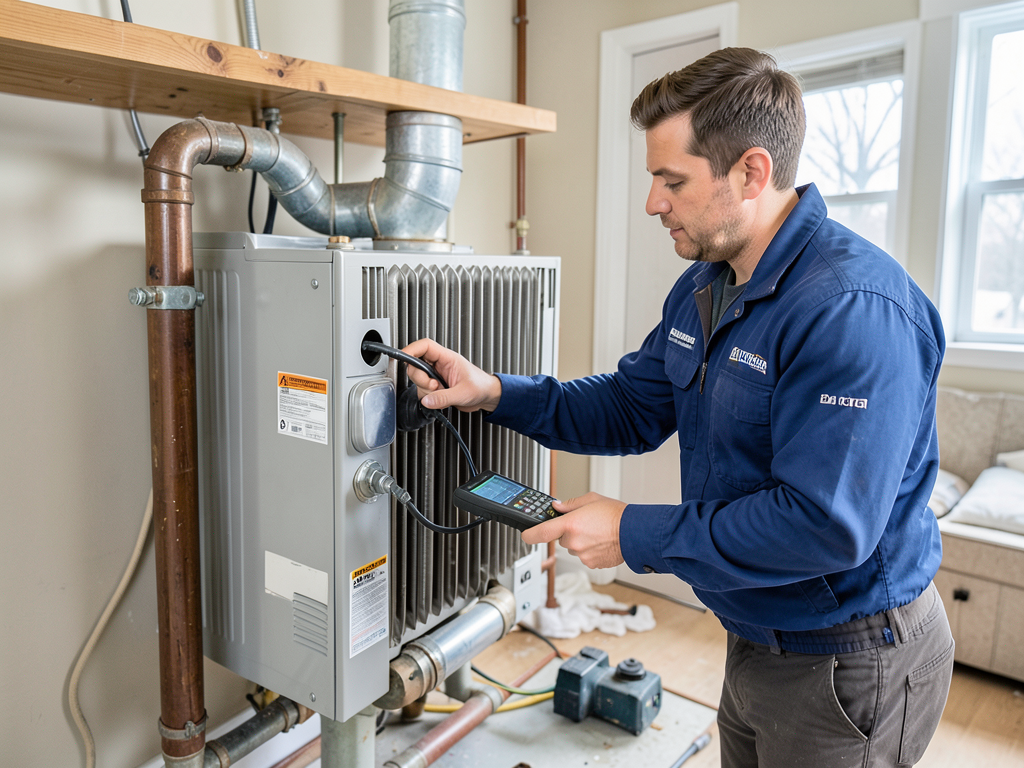
Using Your Heating System to Prevent Frozen Pipes during an Indianapolis Polar Vortex Indianapolis winters can turn brutal when a polar vortex sweeps through central Indiana. Sub-zero temperatures combined with wind chills below -20°F create…
The Pros and Cons of Inverter Driven AC Units for Temperature Stability in Meridian Hills…
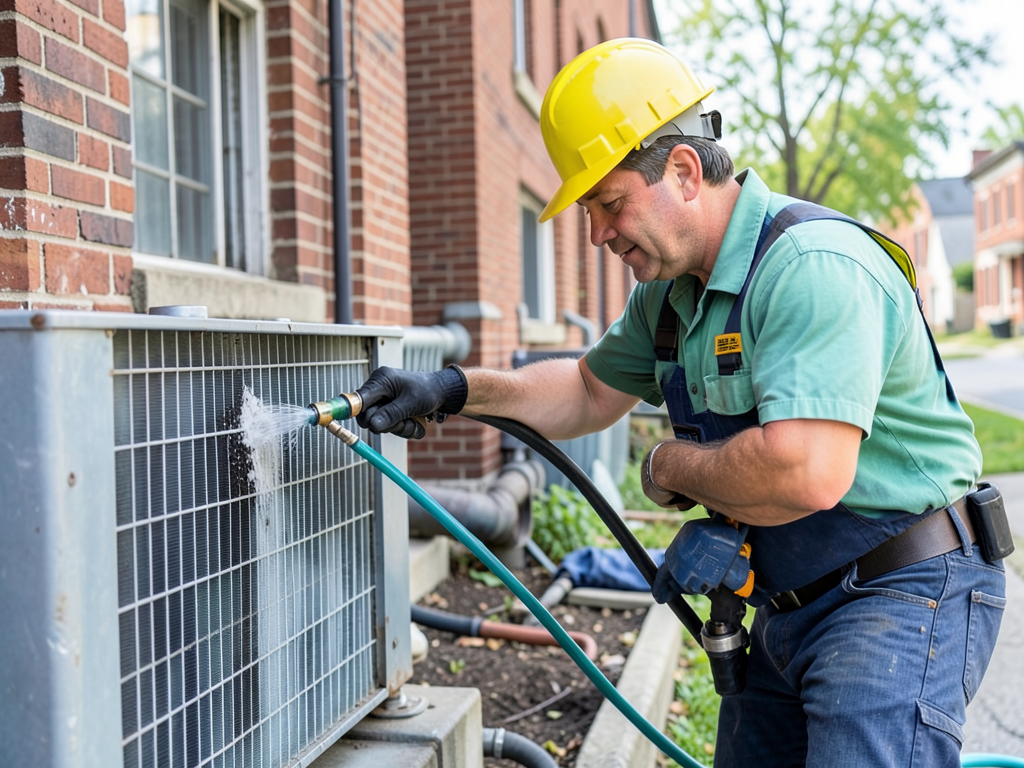
Cleaning Pine Needle and Sap Buildup from Your Outdoor AC Unit in The Old Northside…
How an Upgraded HVAC System Boosts Your Resale Value in the Competitive Carmel Real Estate…
Your comfort can't wait. Call Reliance HVAC Indianapolis now at (317) 688-8818 for same-day service on repairs, maintenance, or new installations. We answer phones 24/7 and dispatch technicians throughout Johnson County within hours, not days.