
Menu

Air Conditioning Installation in Indianapolis – Expert System Design for Peak Indiana Summers

From load calculations and ductwork analysis to refrigerant line sizing and zoning, Reliance HVAC Indianapolis delivers precision AC unit installation engineered for Indianapolis's 90-degree heat and crushing humidity.

Slider Image 1
Slider Image 2
Slider Image 3
Slider Image 4
Slider Image 5
Slider Image 7
Slider Image 8
Slider Image 9
Slider Image 10
Slider Image 11

Why Indianapolis Heat Demands More Than a Simple AC Swap

Indianapolis summers hit you with a brutal combination. Temperatures spike into the low 90s, but the real enemy is the humidity that rolls up from the Ohio River Valley and stagnates across Central Indiana. That moisture makes your 88-degree July afternoon feel like 102. Your old air conditioner is not just cooling air. It is pulling gallons of water vapor out of your home every single day.

Most homeowners think air conditioner replacement is just yanking out the old box and dropping in a new one. That approach fails in Indianapolis because humidity load varies wildly between Broad Ripple's tree canopy and the open subdivisions in Fishers. A proper central air installation starts with a Manual J load calculation that accounts for your home's orientation, insulation levels, window glazing, and even the mature oaks shading your north side.

Indianapolis homes built before 1980 often have undersized ductwork designed for smaller systems. When you upgrade to a high-efficiency unit without addressing duct capacity, you choke airflow and kill efficiency. The system runs longer, pulls more power, and still leaves your second floor 8 degrees warmer than your main level. AC installation done right means matching equipment capacity to actual load, not just replacing tonnage with tonnage.

Your new system will run 15 to 20 years in Indianapolis's freeze-thaw cycles and summer humidity spikes. The quality of the install determines whether you get two decades of reliable comfort or a decade of callbacks and rising utility bills.

Why Indianapolis Heat Demands More Than a Simple AC Swap
How We Engineer AC Unit Installation for Indianapolis Climate Realities

How We Engineer AC Unit Installation for Indianapolis Climate Realities

We do not walk in with a tape measure and a catalog. Reliance HVAC Indianapolis starts every new air conditioner install with a room-by-room load calculation using ACCA Manual J protocol. We measure window square footage, assess insulation R-values, calculate solar gain based on your home's orientation, and factor in occupancy and internal heat load. This tells us the exact BTU requirement for your home, not a guess based on square footage.

Next, we evaluate your existing duct system. We measure static pressure, check for leaks using a duct blaster, and calculate velocity through each supply register. Indianapolis homes in neighborhoods like Irvington or Butler-Tarkington often have original 1940s ductwork that is collapsed, disconnected in the attic, or routed through unconditioned crawlspaces. If your ducts cannot move the air, your new system fails.

Refrigerant line sizing matters more than most contractors admit. We calculate line length, measure elevation change between the condenser and air handler, and size linesets to maintain proper oil return. Undersized lines kill compressor life. Oversized lines cause oil logging. We also verify your electrical service can handle the new system's amperage draw and upgrade the disconnect and breaker if needed.

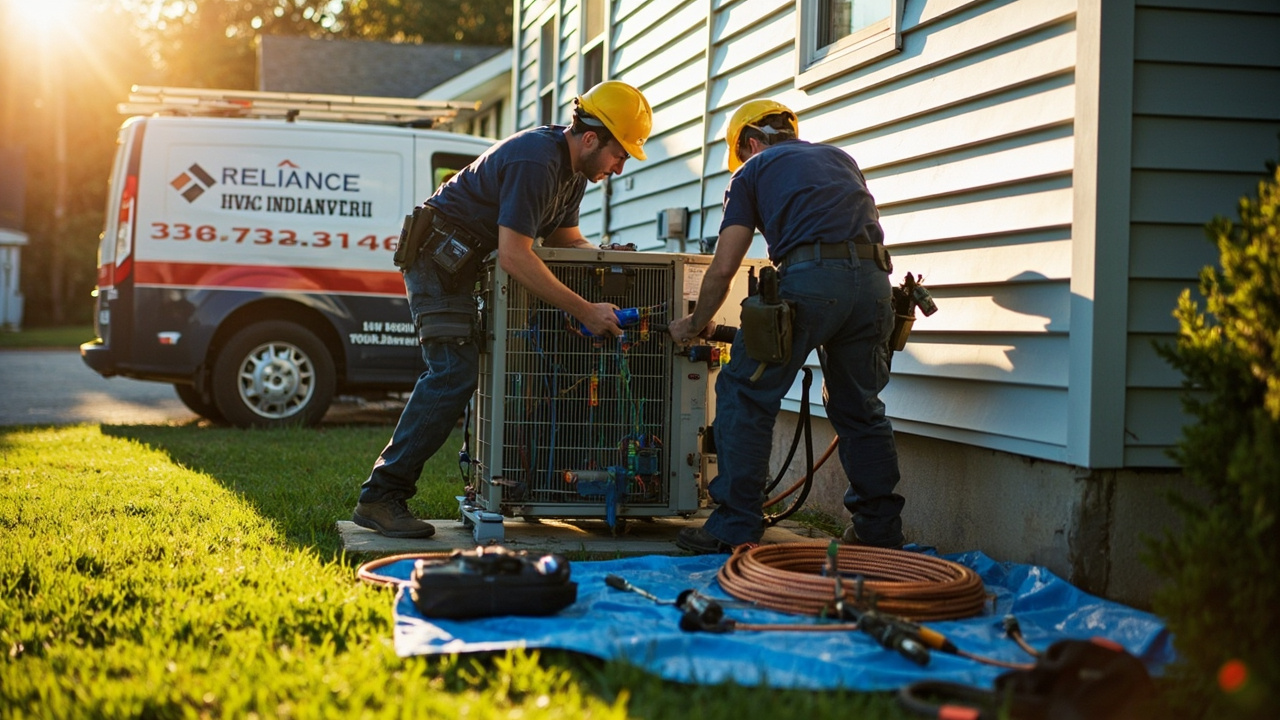
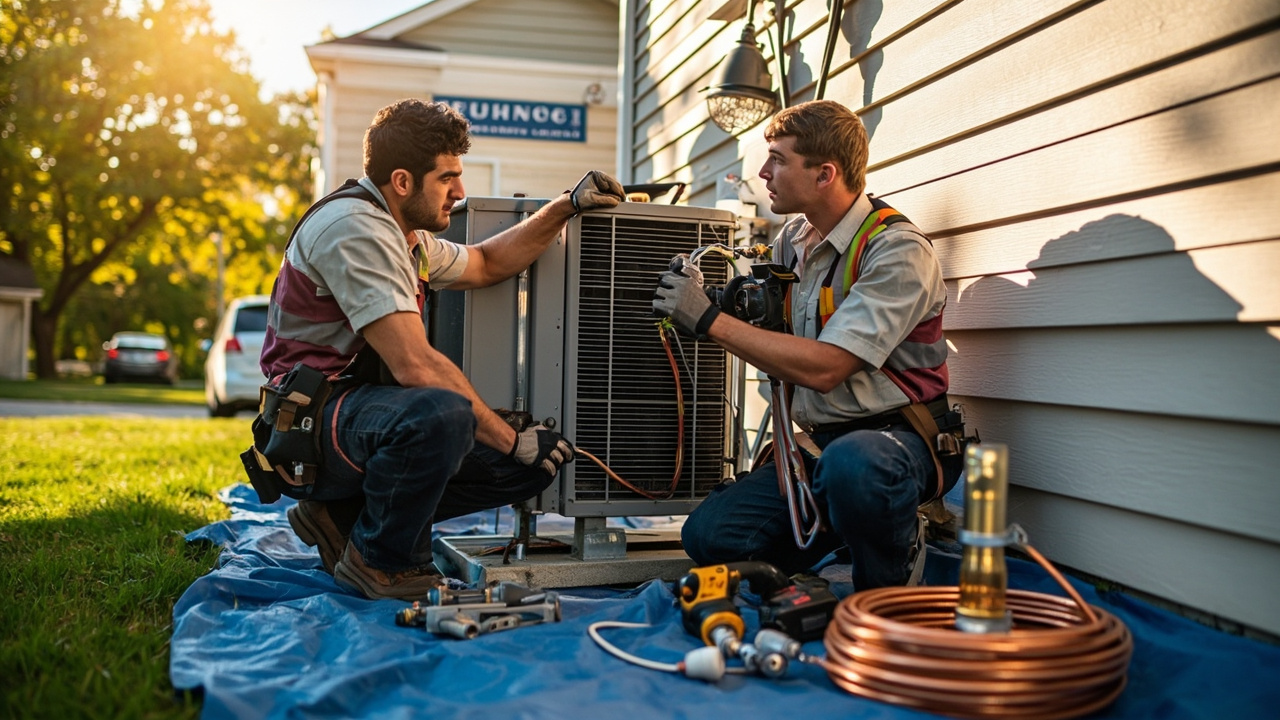
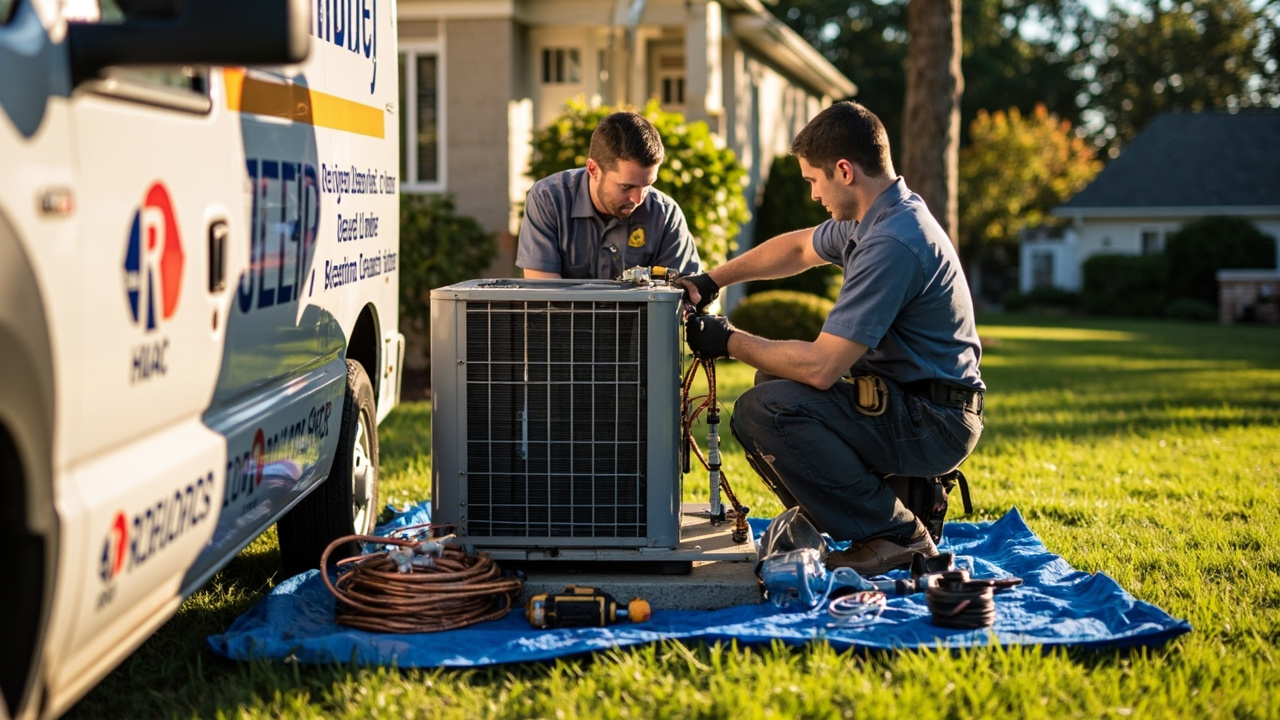
We install the condenser on a composite pad, not concrete, to isolate vibration. We pitch the lineset for proper drainage, use nitrogen purge during brazing to prevent oxidation, and pull a 500-micron vacuum before charging refrigerant. These steps take time, but they prevent the service calls that plague systems installed by volume contractors rushing through three jobs a day.

What Happens During Your AC Installation Appointment

Air Conditioning Installation in Indianapolis – Expert System Design for Peak Indiana Summers
01

System Sizing and Design

We perform an on-site Manual J load calculation and duct assessment. You get a detailed proposal showing equipment specifications, SEER rating, warranty coverage, and a breakdown of electrical or ductwork modifications required. We explain why we recommend specific tonnage and answer questions about zoning, air filtration, and humidity control. This is not a sales pitch. This is engineering.
02

Installation and Commissioning

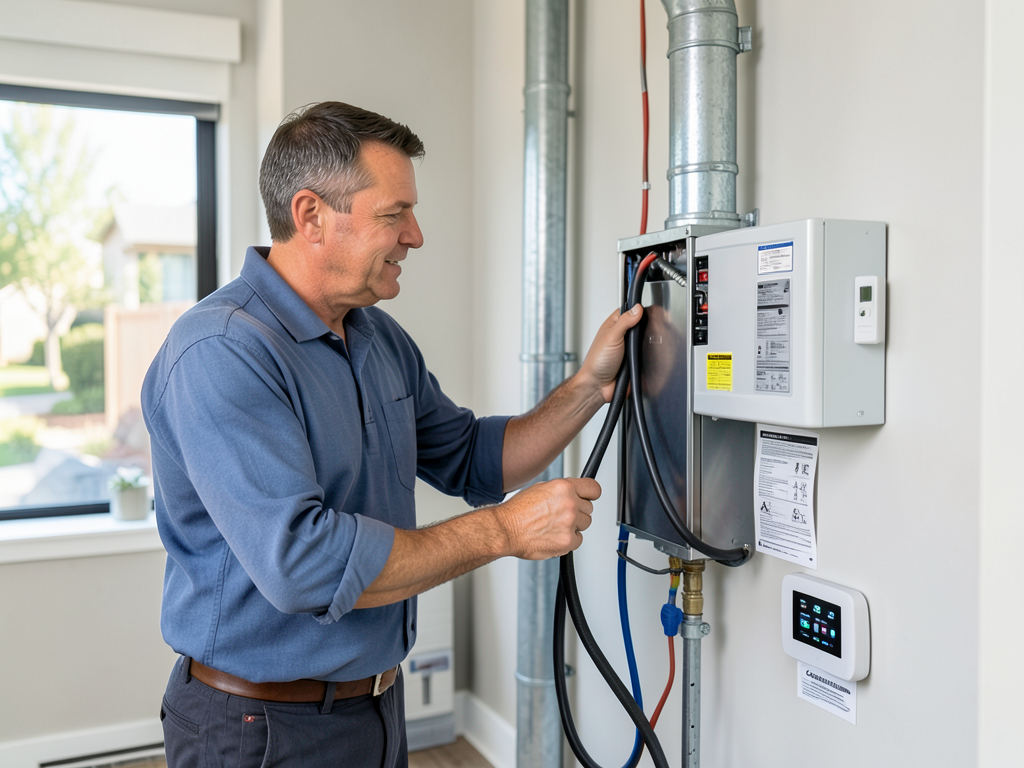
Our crew removes your old equipment, upgrades electrical and refrigerant lines, sets the new condenser, and mounts the air handler or furnace. We install the thermostat, charge refrigerant to manufacturer specs using superheat and subcooling measurements, and test airflow at every register. We check voltage, amperage, and capacitor function. You see the system run through a full cooling cycle before we leave your property.
03

Verification and Handoff

We walk you through thermostat programming, filter replacement, and maintenance expectations. You receive documentation showing refrigerant charge, static pressure readings, and temperature split across the coil. We register your equipment warranty and schedule your first maintenance visit. You get a system that is tuned, tested, and ready for the next Indianapolis heat wave without callbacks or surprises.

Why Indianapolis Homeowners Trust Reliance HVAC for AC Replacement

Indianapolis sits in a unique climate zone where summer cooling load rivals southern cities, but winter heating demands rival northern climates. Your HVAC contractor needs to understand both. We size systems for 92-degree design temperatures in July and 3-degree design temperatures in January. That dual load requirement eliminates contractors who only think about cooling capacity.

We know Indianapolis building stock. Homes in Fountain Square have different load profiles than new construction in Carmel. Bungalows in Woodruff Place have knob-and-tube wiring and minimal attic insulation. Ranch homes in Castleton have adequate attic space but undersized ducts. We have installed systems in every neighborhood from the Historic Districts downtown to the subdivisions pushing into Hendricks County. That experience shows up in system design, not just equipment selection.

Marion County requires permits for HVAC replacements, and inspectors check refrigerant line installation, electrical connections, and condensate drainage. We pull permits, schedule inspections, and fix any issues before final approval. You do not get stuck dealing with code enforcement because a contractor skipped the permit to save time.

Reliance HVAC Indianapolis employs NATE-certified technicians who understand psychrometrics, refrigerant chemistry, and airflow dynamics. We do not send installers who only know how to follow a wiring diagram. Our crews can troubleshoot duct leakage, diagnose inadequate return air, and fix the underlying issues that caused your old system to fail prematurely. You get a team that thinks, not just a crew that bolts equipment to the wall.

What You Can Expect From Start to Finish

Installation Timeline and Scheduling

A complete air conditioning installation takes six to ten hours depending on system complexity, ductwork modifications, and electrical upgrades. We schedule installations Monday through Saturday and provide a four-hour arrival window the morning of your appointment. If your project requires extensive duct modification or a panel upgrade, we split the work across two days to maintain quality. Emergency replacements during heat waves get priority scheduling, often within 48 hours. We protect your flooring, cover furniture near work areas, and remove all debris and packaging before leaving your property.

Pre-Installation Assessment and Planning

Your consultation includes a full system evaluation. We test airflow, measure temperature differential, inspect ductwork for leaks and restrictions, and photograph problem areas. You get a written proposal detailing equipment specifications, labor, permits, and any required electrical or structural work. We explain SEER ratings, staging options, and whether a variable-speed air handler makes sense for your home. You see exactly what we will install, how it will perform, and what the project costs before we touch a wrench. No surprises, no upselling once the crew arrives.

System Performance and Comfort Results

A properly sized and installed AC system will drop indoor temperature 15 to 20 degrees below outdoor temperature and maintain 45 to 55 percent relative humidity during Indianapolis summers. You will notice more consistent temperatures between rooms, quieter operation, and lower utility bills compared to your old system. We measure supply air temperature, return air temperature, and static pressure to verify the system meets design specifications. If airflow or temperature split is off, we diagnose and correct the issue before leaving. You get a system that performs as engineered, not just a box that blows cold air.

Maintenance Plans and Warranty Coverage

New equipment includes manufacturer warranty on parts. We register your system and provide all warranty documentation. Our maintenance plans include annual spring and fall service visits. We check refrigerant charge, clean coils, test capacitors, measure amperage draw, and inspect electrical connections. Regular maintenance prevents 80 percent of common failures and keeps your system running efficiently. You get reminder calls before each scheduled visit and priority service if issues arise between maintenance appointments. Maintenance plans also lock in discounted repair rates and waive diagnostic fees if service is needed.

Frequently Asked Questions

You Have Questions,
We Have Answers

How much would it cost to have air conditioning installed? +

Air conditioning installation costs in Indianapolis vary based on system size, efficiency rating, and your home's existing ductwork. A central AC unit for an average home typically ranges from several thousand to over ten thousand dollars. Factors include SEER rating, brand, and whether you need duct modifications. Indianapolis homes with older infrastructure may require additional electrical upgrades. High-efficiency units cost more upfront but lower your summer energy bills, which matters during our humid Midwest summers. Get multiple quotes from licensed contractors who assess your square footage, insulation, and cooling load to provide accurate pricing.

What is the $5000 rule for AC? +

The $5000 rule helps you decide between AC repair and replacement. If your system's age multiplied by the repair cost exceeds $5000, replacement makes more financial sense. For example, if your 12-year-old unit needs a $500 repair, that equals $6000, so consider replacement. Indianapolis homeowners should factor in R-410A refrigerant phase-outs and rising repair costs for older systems. This rule is not absolute. Consider efficiency gains, warranty coverage, and whether your current system can handle Indianapolis humidity levels. A professional load calculation determines if replacement provides better long-term value.

How much does it cost to get air conditioning installed? +

Air conditioning installation costs depend on system type, home size, and complexity. Central air systems require professional sizing based on BTU needs and square footage. Indianapolis homes face humid summers and variable spring weather, so proper sizing prevents short cycling. Costs include the equipment, labor, permits, refrigerant lines, electrical connections, and ductwork modifications if needed. Older homes in Historic Districts may need custom solutions. Higher SEER ratings reduce operating costs but increase installation price. Request itemized estimates from local contractors who understand Indianapolis building codes and can pull proper permits for your municipality.

How much to pay for air conditioning installation? +

You pay for air conditioning installation based on equipment quality, system complexity, and labor requirements. Expect costs to cover the AC unit, outdoor condenser, indoor air handler, refrigerant lines, electrical upgrades, and professional installation. Indianapolis contractors factor in local permit fees and inspections. Installation difficulty increases with multi-story homes, tight attic spaces, or homes lacking existing ductwork. High-efficiency systems cost more initially but qualify for utility rebates through AES Indiana. Licensed contractors provide written estimates detailing equipment specifications, warranty terms, and installation scope. Financing options help spread costs while you enjoy immediate comfort improvements.

How much does an air conditioner cost for a 2000 sq ft home? +

A 2000 square foot home in Indianapolis typically needs a 3 to 4-ton AC unit, costing between mid-range to higher-end pricing depending on efficiency. SEER ratings, brand reputation, and installation complexity affect total cost. Indianapolis homes with good insulation and newer windows may use smaller units, reducing expenses. Factor in ductwork condition, ceiling height, and sun exposure. Older homes near Broad Ripple or Fountain Square may need duct sealing or insulation upgrades. Two-story homes require careful zoning considerations. Get a Manual J load calculation to avoid oversizing, which wastes money and fails to control humidity properly.

What is the 3 minute rule for AC? +

The 3-minute rule protects your AC compressor from damage. After your system shuts off, wait three minutes before restarting it. This delay allows refrigerant pressure to equalize between the high and low sides of the system. Restarting too quickly forces the compressor to start against high pressure, stressing internal components and shortening lifespan. Modern thermostats often include built-in delay timers. Indianapolis homeowners should avoid rapidly adjusting thermostats during summer heat waves. If you experience frequent short cycling or your system struggles to restart, contact a technician to check refrigerant levels and compressor health before costly damage occurs.

How Indianapolis Humidity Impacts AC System Selection and Performance

Indianapolis averages 72 percent relative humidity during summer months. That moisture load forces your air conditioner to work harder removing latent heat than sensible heat. Oversized systems short-cycle and never run long enough to dehumidify effectively. You get a cold, clammy house that breeds mold and feels uncomfortable. Proper system sizing and variable-speed blower motors allow longer run cycles at lower capacity, pulling more moisture out of the air. This is why a 3-ton variable-speed system often outperforms a 4-ton single-stage unit in Indianapolis homes, even though conventional wisdom says bigger is better.

Marion County building codes require permits for AC replacement and mandate refrigerant recovery before system removal. Inspectors check electrical connections, condensate drainage, and refrigerant line installation. Unlicensed contractors skip permits to cut costs, leaving you liable for code violations and unsafe installations. Reliance HVAC Indianapolis pulls permits on every job, coordinates inspections, and provides documentation for your records. We also understand local nuances like the prevalence of older homes with inadequate electrical service and the ductwork challenges common in Indianapolis's historic neighborhoods. That local knowledge prevents costly mistakes and ensures your system meets code.

HVAC Services in The Indianapolis Area

We are proud to serve the entire area, providing exceptional HVAC services to both residential and commercial clients. Our team is strategically located to ensure a fast response time, no matter where you are. View our service area on the map to see how we can bring our reliable, expert service right to your doorstep. Don't see your location? Give us a call anyway!

Address:
Reliance HVAC Indianapolis, 1225 N Meridian St, Indianapolis, IN, 46204

Additional Services We Offer

Our news updates

Latest Articles & News from The Blogs

The Pros and Cons of Inverter Driven AC Units for Temperature Stability in Meridian Hills Inverter-driven AC units offer a…

The Pros and Cons of Inverter Driven AC Units for Temperature Stability in Meridian Hills

The Pros and Cons of Inverter Driven AC Units for Temperature Stability in Meridian Hills Inverter-driven AC units offer a…

Cleaning Pine Needle and Sap Buildup from Your Outdoor AC Unit in The Old Northside

Cleaning Pine Needle and Sap Buildup from Your Outdoor AC Unit in The Old Northside Your outdoor AC unit works…

How an Upgraded HVAC System Boosts Your Resale Value in the Competitive Carmel Real Estate Market

How an Upgraded HVAC System Boosts Your Resale Value in the Competitive Carmel Real Estate Market Homeowners in Carmel face…

Contact Us

Stop guessing about system size and efficiency. Call Reliance HVAC Indianapolis at (317) 688-8818 for a professional load calculation and transparent proposal. We answer questions, explain options, and deliver installations that perform exactly as promised.