



Menu

Excess Dust in Home in Indianapolis – Expert Diagnosis and Indoor Air Quality Solutions

Our certified technicians identify the root cause of excess dust in home, from failing HVAC filters to ductwork leaks, and deliver targeted solutions that restore clean air to Indianapolis households.

Slider Image 1
Slider Image 2
Slider Image 3
Slider Image 4
Slider Image 5
Slider Image 7
Slider Image 8
Slider Image 9
Slider Image 10
Slider Image 11

Why Indianapolis Homes Battle Constant Dust Buildup

You vacuum twice a week. You dust every surface. Three days later, a visible film covers your furniture again. Too much dust in home is not a cleaning problem. It is a mechanical problem.

Indianapolis sits in a transition zone where humid summer air collides with cold, dry winter conditions. This seasonal humidity swing causes homes to expand and contract, creating gaps in ductwork and around window seals. Every time your furnace or air conditioner cycles, it pulls in outdoor particulate through these cracks. Construction dust from Indianapolis's ongoing development, combined with pollen from sycamore and oak trees lining residential streets, compounds the issue. Once airborne particles enter your HVAC system, they circulate continuously.

Heavy dust buildup also signals failing filtration. A standard 1-inch fiberglass filter traps only 10 to 20 percent of airborne particulate. The remaining dust settles on your coils, clogs your blower motor, and reduces system efficiency by up to 15 percent. Homes near high-traffic corridors like I-65 or I-70 face additional challenges from diesel particulate and brake dust.

Unsealed return air plenums are another culprit. Many Indianapolis homes built before 2000 have return ducts that pull air directly from crawl spaces or attics. This draws in insulation fibers, rodent dander, and construction debris. Constant dust in house is not normal. It is a symptom of compromised indoor air quality that needs professional evaluation.

Your HVAC system should filter air, not distribute contamination. When excessive house dust persists despite regular cleaning, the problem originates in your ductwork, filtration, or air balance.

Why Indianapolis Homes Battle Constant Dust Buildup
How We Eliminate Unusually Dusty Home Conditions

How We Eliminate Unusually Dusty Home Conditions

We do not sell you a filter upgrade and disappear. We perform a complete airflow diagnostic to identify every dust entry point in your system.

Our process begins with static pressure testing. We measure resistance across your supply and return ducts to determine whether your blower is moving adequate CFM (cubic feet per minute). If static pressure exceeds 0.5 inches of water column, your ducts are either undersized or obstructed. Both conditions create negative pressure that pulls unfiltered air through every crack in your envelope.

Next, we inspect your return air pathways. We check for missing duct boots, unsealed plenums, and gaps around filter racks. A single quarter-inch gap in a return plenum allows 30 CFM of unfiltered air into your system. Multiply that by eight hours of daily runtime, and you introduce thousands of cubic feet of contaminated air into your living space.

We also evaluate your filtration media. A MERV 8 pleated filter captures 70 percent of particulate between 3 and 10 microns, including most pollen and mold spores. A MERV 11 filter traps 85 percent. If your system can handle the static pressure increase, we recommend MERV 13, which captures 90 percent of particles down to 1 micron. This includes fine dust, pet dander, and smoke particulate.

For homes with persistent dust infiltration, we install whole-home air cleaners. These units use electrostatic precipitation or HEPA filtration to remove submicron particles that standard filters miss. We also seal ductwork using mastic sealant and metal-backed tape, eliminating the leaks that allow dust to bypass your filtration entirely.

Every solution is matched to your system's capacity. We do not install equipment that compromises airflow or overworks your blower motor.

What Happens During Your Dust Evaluation

Excess Dust in Home in Indianapolis – Expert Diagnosis and Indoor Air Quality Solutions
01

System Airflow Analysis

We begin by measuring static pressure at your air handler and across each zone. This tells us whether your ductwork is delivering adequate CFM to each room. We also check for return air imbalance, which causes negative pressure and pulls unfiltered air through wall cavities. If pressure differentials exceed acceptable thresholds, we map the exact locations where dust enters your system.
02

Duct Integrity Inspection

Our technicians inspect every accessible duct joint, boot connection, and plenum seam. We look for missing screws, degraded flex duct, and gaps around filter housings. We also check your crawl space and attic for damaged insulation or rodent intrusion. If your return ducts pull air from unconditioned spaces, we identify the breach and recommend targeted sealing or rerouting.
03

Filtration and Remediation Plan

After diagnostics, we present a prioritized action plan. This includes sealing critical leaks, upgrading filtration media, and installing air cleaners if necessary. We explain the expected reduction in airborne particulate and provide a timeline for noticeable improvement. Most clients see a 60 to 80 percent reduction in visible dust within two weeks of remediation.

Why Indianapolis Homeowners Trust Our Dust Solutions

Indianapolis has over 900,000 residents and more than 350,000 housing units. Many were built during the 1950s through 1980s, when ductwork standards were less stringent. These homes were never designed for modern HVAC filtration, and many have never had their ducts professionally sealed.

We understand the unique challenges of Indianapolis housing stock. Homes in neighborhoods like Broad Ripple, Fountain Square, and Irvington often have knob-and-tube wiring, plaster walls, and uninsulated duct runs through unconditioned attics. We know how to navigate these older systems without damaging original construction. We also work extensively in newer developments in Fishers, Carmel, and Greenwood, where rapid construction sometimes results in poorly sealed duct connections.

Our technicians are trained in building science, not just equipment repair. We understand how air pressure, humidity, and thermal dynamics interact to create indoor air quality problems. We do not guess. We measure, calculate, and verify every intervention.

We also prioritize transparency. Before we seal a single duct joint, we explain what we found, why it matters, and what the fix will accomplish. We provide written estimates with line-item pricing. No hidden fees. No upselling equipment you do not need.

Indianapolis winters are cold, and summers are humid. Your HVAC system runs year-round, which means dust infiltration is a constant threat. We help you take control of your indoor environment with solutions that last. Our clients report fewer respiratory symptoms, less frequent cleaning, and lower energy bills after duct sealing and filtration upgrades.

You deserve to breathe clean air in your own home. We make that possible.

What You Can Expect From Our Service

Fast Scheduling and Diagnostics

We understand that living with constant dust is frustrating. We offer same-week diagnostic appointments for most Indianapolis addresses. Our evaluation takes 60 to 90 minutes, depending on system size and accessibility. We provide a written report before we leave, outlining every issue we identified and the recommended corrective action. You will know exactly what is causing your dust problem and what it will take to fix it.

Thorough Airflow and Duct Assessment

Our diagnostic includes static pressure measurement, visual duct inspection, and filter evaluation. We check your air handler for buildup on the blower wheel and evaporator coil, both of which reduce airflow and distribute dust. If your system has zoning, we test damper operation to ensure balanced airflow. We also inspect your outdoor unit for debris that could restrict airflow and reduce efficiency. Every data point informs our recommendation.

Measurable Indoor Air Quality Improvement

Our goal is not to sell equipment. Our goal is to reduce airborne particulate in your home. After duct sealing and filtration upgrades, most clients see visible dust reduction within two weeks. We provide follow-up instructions on filter replacement intervals and signs of future issues. If we install an air cleaner, we explain maintenance requirements and expected media lifespan. You will know when to call us back.

Ongoing Maintenance and Support

Clean air is not a one-time fix. We offer maintenance plans that include filter replacement, coil cleaning, and annual duct inspections. Our clients receive priority scheduling and discounted service rates. We also provide seasonal reminders so you never miss a filter change. If you notice dust returning after our service, we return to diagnose the issue at no additional diagnostic fee. We stand behind our work.

Frequently Asked Questions

You Have Questions,
We Have Answers

Why do I get so much dust in my house? +

Excess dust in your Indianapolis home comes from four main sources: leaky ductwork, dirty HVAC filters, outdoor pollutants, and poor ventilation. Indianapolis air carries pollen, agricultural dust, and road particulates that infiltrate through gaps around windows and doors. Your HVAC system circulates air constantly, and if ducts leak or filters clog, it redistributes dust instead of trapping it. Older homes in neighborhoods like Broad Ripple or Fountain Square often have settling foundations that create small gaps where dust enters. Check your air filter monthly and inspect ductwork for disconnected joints or holes, especially in unconditioned spaces like attics or crawlspaces.

Do air purifiers actually reduce dust? +

Air purifiers reduce airborne dust when sized correctly for your room and equipped with HEPA filters. They trap particles as small as 0.3 microns, capturing pollen, pet dander, and dust mites circulating in your space. However, purifiers do not address the root cause of dust generation. If your HVAC system leaks or your filter is clogged, you are fighting a losing battle. In Indianapolis homes, purifiers work best as a supplement to proper HVAC maintenance, not a replacement. Place them in high-traffic rooms like bedrooms or living areas. Run them continuously during high pollen months in spring and fall when outdoor dust infiltration peaks.

Is it unhealthy to live in a dusty house? +

Living in a dusty house aggravates allergies, asthma, and respiratory conditions. Dust contains allergens like pollen, mold spores, pet dander, and dust mite feces. Indianapolis residents already face high pollen counts from ragweed and grasses, and indoor dust compounds the problem. Long-term exposure causes chronic inflammation in your airways, leading to persistent coughing, sinus congestion, and eye irritation. Children and elderly family members face higher risks. Dust also harbors bacteria and volatile organic compounds that degrade indoor air quality. If you notice increased sneezing, wheezing, or difficulty breathing at home, your dust levels exceed healthy thresholds. Address the source through HVAC maintenance and filtration improvements.

What is grandmas' simple trick to eliminate dust? +

The old trick involves placing a damp microfiber cloth on your broom or mop to trap dust instead of spreading it. When you sweep or dust, dry methods launch particles into the air where they resettle minutes later. Moisture captures dust on contact. Indianapolis humidity fluctuates seasonally, so this method works year-round. Dampen the cloth lightly, not soaking wet, to avoid streaking. Wash reusable cloths in hot water to kill dust mites. This approach works for hard floors and baseboards but does not address airborne dust circulating through your HVAC system. Combine surface cleaning with proper filtration and duct sealing for lasting results.

How do I stop my house from getting so dusty? +

Stop dust accumulation by sealing ductwork leaks, upgrading to PLEATED filters rated MERV 11-13, and weatherstripping doors and windows. Indianapolis homes lose conditioned air through duct gaps, which pulls in unfiltered dusty air from attics and crawlspaces. Inspect accessible ductwork for disconnected joints and seal them with mastic, not tape. Replace your HVAC filter every 30-60 days during high-use months. Add door sweeps to exterior doors and check window seals annually, especially in older homes with original windows. Run bathroom and kitchen exhaust fans to create negative pressure that reduces dust infiltration. Schedule professional duct cleaning if you notice visible dust buildup around supply registers.

What are the signs of too much dust? +

Signs of excessive dust include visible buildup on surfaces within 24-48 hours of cleaning, dusty air visible in sunlight beams, increased allergy symptoms indoors, and gray film on furniture or electronics. Check your return air grilles for heavy dust accumulation, which signals filtration failure. In Indianapolis, seasonal pollen spikes in April and September worsen indoor dust, but year-round issues point to HVAC problems. Notice if family members sneeze more at home than outside or if you hear whistling sounds from ducts, indicating leaks pulling in attic dust. Black streaks around supply vents mean your system distributes dirt instead of trapping it.

What is the best device to get rid of dust? +

Your HVAC system is the best device for whole-home dust control when maintained correctly. It filters all air circulating through your home, unlike portable purifiers that clean single rooms. Upgrade to a high-efficiency pleated filter rated MERV 11-13 to trap smaller particles without restricting airflow. For targeted improvement, add a whole-home air purifier or UV light system integrated into your ductwork. Indianapolis humidity supports mold growth in ducts, so consider adding a dehumidifier if indoor humidity exceeds 50 percent. Portable HEPA purifiers work as supplements in bedrooms or offices but cannot replace proper HVAC filtration and sealed ductwork.

Why is my room still dusty with air purifier? +

Your room stays dusty with an air purifier because the device only cleans air passing through it, not dust settling from other sources. If your HVAC ducts leak, they continuously introduce new dust faster than the purifier captures it. Check if your purifier is undersized for the room, the filter needs replacement, or you placed it in a corner with poor air circulation. Indianapolis homes with forced-air heating stir up settled dust every heating cycle. Position the purifier in an open area away from walls, run it continuously on high, and replace filters on schedule. Address duct leaks and HVAC filtration first for meaningful improvement.

Is there a downside to air purifiers? +

Air purifiers dry out indoor air slightly and create white noise that bothers light sleepers. Units with ionizers produce trace ozone, which irritates lungs and should be avoided. HEPA filters require regular replacement, adding ongoing costs. In Indianapolis, where humidity already drops in winter, purifiers can worsen dry skin and sinus irritation if you do not run a humidifier simultaneously. Some units have high electricity costs when run continuously. Cheap models lack true HEPA filters and provide minimal benefit. These downsides are minor compared to health benefits for allergy sufferers, but purifiers should supplement, not replace, proper HVAC maintenance and duct sealing.

Does vacuuming every day reduce dust? +

Daily vacuuming reduces surface dust but does not address airborne particles or the source of dust generation. Use a vacuum with a HEPA filter and sealed canister to prevent exhausting captured dust back into your room. Focus on high-traffic areas, upholstered furniture, and under beds where dust accumulates. In Indianapolis homes, vacuum during low pollen days to avoid stirring up particles you tracked inside. Vacuuming helps manage pet dander and skin cells but cannot compensate for leaky ductwork or clogged HVAC filters. Combine daily vacuuming with weekly filter checks and seasonal duct inspections for comprehensive dust control. Mop hard floors after vacuuming to capture remaining fine particles.

How Indianapolis Climate and Development Accelerate Dust Problems

Indianapolis experiences a 60-degree temperature swing between January lows and July highs. This thermal cycling causes building materials to expand and contract, opening gaps in ductwork and around penetrations. The city also sits in a high-pollen region, with oak, maple, and ragweed contributing significant seasonal allergen loads. New construction along the I-465 corridor generates silica dust that settles into HVAC intakes. Homes near these developments face higher particulate infiltration, especially during spring and fall when grading and paving operations peak.

We work throughout Marion County and surrounding suburbs, from historic homes in Butler-Tarkington to new builds in Whitestown. We understand local building practices, including the prevalence of crawl space returns and uninsulated duct runs through attics. Our technicians know which neighborhoods have older flex duct installations prone to rodent damage and which subdivisions used undersized return ducts. This local knowledge allows us to diagnose problems faster and recommend solutions specific to Indianapolis housing stock.
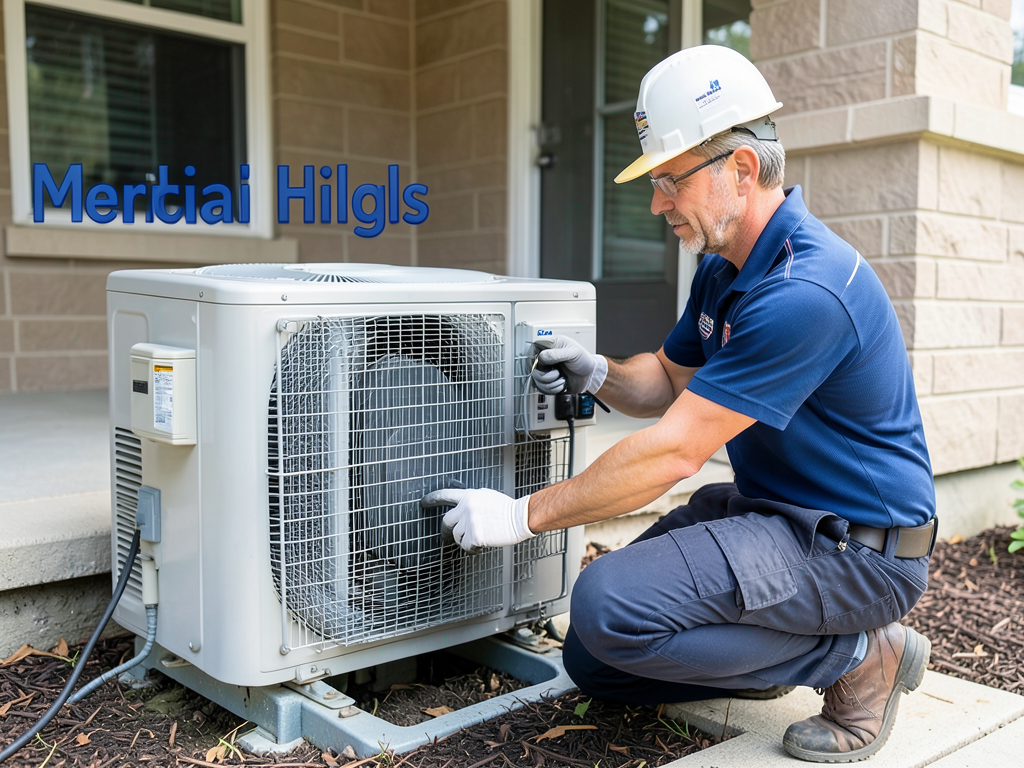

HVAC Services in The Indianapolis Area

We are proud to serve the entire area, providing exceptional HVAC services to both residential and commercial clients. Our team is strategically located to ensure a fast response time, no matter where you are. View our service area on the map to see how we can bring our reliable, expert service right to your doorstep. Don't see your location? Give us a call anyway!

Address:
Reliance HVAC Indianapolis, 1225 N Meridian St, Indianapolis, IN, 46204

Additional Services We Offer

Our news updates

Latest Articles & News from The Blogs

The Pros and Cons of Inverter Driven AC Units for Temperature Stability in Meridian Hills Inverter-driven AC units offer a…

The Pros and Cons of Inverter Driven AC Units for Temperature Stability in Meridian Hills

The Pros and Cons of Inverter Driven AC Units for Temperature Stability in Meridian Hills Inverter-driven AC units offer a…

Cleaning Pine Needle and Sap Buildup from Your Outdoor AC Unit in The Old Northside

Cleaning Pine Needle and Sap Buildup from Your Outdoor AC Unit in The Old Northside Your outdoor AC unit works…

How an Upgraded HVAC System Boosts Your Resale Value in the Competitive Carmel Real Estate Market

How an Upgraded HVAC System Boosts Your Resale Value in the Competitive Carmel Real Estate Market Homeowners in Carmel face…

Contact Us

Call Reliance HVAC Indianapolis at (317) 688-8818 to schedule your dust evaluation. We will identify the cause of your indoor air quality problem and provide a clear, written solution. Clean air starts with one call.