


Menu

Energy Saving Tips for Summer in Indianapolis – Cut Your Cooling Costs Without Sacrificing Comfort

Proven strategies to reduce air conditioning bills and lower summer utility costs in Indianapolis homes, from simple thermostat adjustments to professional HVAC system optimization that keeps you cool while saving money.

Slider Image 1
Slider Image 2
Slider Image 3
Slider Image 4
Slider Image 5
Slider Image 7
Slider Image 8
Slider Image 9
Slider Image 10
Slider Image 11

Why Indianapolis Summers Are Expensive to Cool

Indianapolis sits in a climate zone that delivers a brutal combination of high heat and crushing humidity from June through August. When outdoor temperatures climb into the 90s and dew points hover in the 70s, your air conditioner runs nearly nonstop just to maintain indoor comfort. This constant cycling drives electricity consumption through the roof.

The city's older housing stock compounds the problem. Many Indianapolis homes were built before modern insulation standards existed. Heat pours through single-pane windows, inadequate attic insulation, and uninsulated crawl spaces. Your AC system fights against these structural weaknesses every single day.

Central Indiana's electrical grid demand peaks during July heat waves, which drives up rates through demand charges on your bill. You pay more per kilowatt-hour when everyone runs their systems simultaneously. This creates a compounding effect where you use more electricity at precisely the moment when electricity costs the most.

Understanding ways to lower cooling costs starts with recognizing these local challenges. Indianapolis homeowners need summer energy efficiency ideas tailored to Midwest humidity and older home construction. Generic advice from coastal climates does not work here. The strategies for reducing air conditioning bills must account for high dew points, thermal bridging in older framing, and the specific ductwork layouts common in Circle City neighborhoods. Learning how to save electricity in summer requires addressing the unique factors that drive consumption in this market. Lowering summer utility costs demands a localized approach to HVAC efficiency and building science.

Why Indianapolis Summers Are Expensive to Cool
The Science Behind Summer Energy Efficiency

The Science Behind Summer Energy Efficiency

Reducing your cooling costs requires understanding how heat enters your home and how your HVAC system responds. Heat gain occurs through three primary mechanisms: conduction through building materials, radiation through windows, and infiltration through air leaks. Your air conditioner must remove every BTU of heat that enters the conditioned space.

Start with your thermostat strategy. Every degree you raise your setpoint reduces runtime by approximately 3 to 5 percent. Setting your thermostat to 78 degrees instead of 72 degrees can cut your cooling costs by 18 to 30 percent over a summer season. Programmable or smart thermostats automate setback schedules so you are not cooling an empty house to 72 degrees while at work.

Air filter condition directly impacts system efficiency. A clogged filter restricts airflow across the evaporator coil, which forces your blower motor to work harder and reduces heat transfer efficiency. Replace or clean filters every 30 to 60 days during peak cooling season. This simple task maintains proper airflow and prevents the evaporator coil from icing up due to insufficient air movement.

Ductwork leakage wastes conditioned air before it reaches living spaces. Studies show that typical duct systems lose 20 to 30 percent of cooled air through gaps, poor connections, and deteriorated sealing. Sealing accessible duct joints with mastic and insulating ducts in unconditioned spaces like attics stops this waste. Proper duct sealing improves comfort and reduces the load on your compressor.

Refrigerant charge must match manufacturer specifications. Low refrigerant reduces cooling capacity and forces longer runtimes to achieve the same temperature drop. Annual professional maintenance verifies refrigerant levels, cleans coils, and checks electrical connections to maintain peak efficiency throughout the cooling season.

How to Implement Energy Saving Strategies in Your Home

Energy Saving Tips for Summer in Indianapolis – Cut Your Cooling Costs Without Sacrificing Comfort
01

Audit Your Current Usage

Review your utility bills from the past two summers to identify your baseline consumption and peak usage months. Walk through your home during the hottest part of the day to find temperature variations between rooms, which indicate ductwork or insulation problems. Check your thermostat settings and current filter condition. Document which windows receive direct afternoon sun and which rooms feel warmest. This baseline assessment identifies your biggest opportunities for improvement and prioritizes where to focus your efforts.
02

Execute Low-Cost Improvements First

Replace your air filter, seal visible duct leaks with mastic, caulk gaps around window frames, and adjust your thermostat schedule. Add weatherstripping to exterior doors. Close blinds and curtains on south and west-facing windows during afternoon hours to block solar heat gain. These actions cost little but deliver immediate reductions in runtime and energy consumption. You can complete most of these tasks in a single weekend with basic tools and materials from any hardware store.
03

Schedule Professional Optimization

Have a qualified HVAC technician perform a comprehensive tune-up before peak summer heat arrives. The technician will verify refrigerant charge, clean both coils, check capacitor values, measure airflow, test thermostat calibration, and inspect electrical connections. This professional service catches problems before they cause breakdowns during heat waves and ensures your system operates at designed efficiency levels. The technician can also identify whether duct modifications or system upgrades would deliver worthwhile returns on investment for your specific home.

Why Indianapolis Homeowners Trust Local HVAC Expertise

Indianapolis experiences weather extremes that demand year-round HVAC reliability. A local contractor understands how the transition from humid summers to freezing winters stresses equipment differently than in coastal or southern climates. We know which system designs hold up best against the thermal cycling that comes with 80-degree temperature swings between July and January.

Older neighborhoods throughout Indianapolis feature homes with unique ductwork configurations, boiler-to-forced-air conversions, and additions that complicate zoning. A technician familiar with Broad Ripple bungalows, Fountain Square shotgun houses, and Meridian-Kessler colonials recognizes these patterns immediately. We have worked in these homes hundreds of times and know the common problems and effective solutions for each architectural style.

Local building codes and utility rebate programs change frequently. Indianapolis Power and Light offers specific incentives for high-efficiency equipment installations and weatherization projects. A local contractor stays current on these programs and can help you access available rebates that reduce your upfront costs. We handle the paperwork and verification requirements so you receive the maximum available incentive.

Emergency response time matters during equipment failures. When your air conditioner quits during a 95-degree heat wave, you need service within hours, not days. A local company maintains inventory of common parts and employs technicians who live in the metro area. We reach you faster and restore comfort sooner than distant providers who must dispatch from remote locations.

Reliance HVAC Indianapolis has built relationships throughout the community by solving problems correctly the first time. We do not oversell equipment or recommend unnecessary replacements. Our technicians provide honest assessments of repair-versus-replace decisions based on actual system condition and your budget constraints.

What You Can Expect When Pursuing Energy Savings

Immediate and Gradual Results

Simple changes like adjusting your thermostat and replacing filters produce noticeable bill reductions within the first month. You will see your system cycle less frequently and hear shorter runtimes. More comprehensive improvements like duct sealing and professional tune-ups deliver compounding benefits throughout the cooling season. Most homeowners report 15 to 25 percent reductions in summer electricity costs after implementing a full suite of efficiency measures. The exact savings depend on your home's starting condition and which specific strategies you execute. Track your bills month-over-month to quantify your results and identify which changes delivered the biggest impact.

Professional Assessment Value

A comprehensive HVAC evaluation examines your entire cooling system, not just individual components. The technician measures temperature split across the coil, checks static pressure in the duct system, tests capacitor microfarad values, and verifies proper refrigerant superheat and subcooling. This diagnostic approach identifies problems you cannot detect through simple observation. Many efficiency losses stem from refrigerant undercharge, dirty coils, or duct restrictions that only proper testing reveals. The assessment typically takes 60 to 90 minutes and provides a prioritized list of recommendations with projected savings for each measure. You gain clarity on which investments deliver the best return.

Measurable Comfort Improvements

Energy efficiency upgrades simultaneously improve indoor comfort. Sealed ducts deliver more conditioned air to living spaces, which eliminates hot spots and reduces temperature variations between rooms. Clean coils and proper refrigerant charge improve dehumidification, which makes 78 degrees feel as comfortable as 72 degrees felt previously. Better humidity control also reduces that clammy feeling common in Indianapolis summers. You will notice fewer drafts, more consistent temperatures, and better air quality. These comfort gains make the energy savings even more valuable because you achieve lower costs while actually improving your living conditions rather than sacrificing comfort.

Ongoing Maintenance Plans

Annual maintenance agreements lock in consistent service and preserve your efficiency gains over time. These plans typically include pre-season tune-ups each spring and fall, priority scheduling for repairs, and discounts on parts and labor. Regular maintenance prevents the gradual efficiency degradation that occurs as coils accumulate dirt, refrigerant slowly leaks, and electrical connections loosen. A well-maintained system operates at design efficiency for 15 to 20 years, while neglected systems lose 5 percent efficiency annually. The maintenance agreement pays for itself through extended equipment life and sustained energy savings. You also gain peace of mind knowing your system receives expert attention before problems escalate into expensive failures.

Frequently Asked Questions

You Have Questions,
We Have Answers

How can we save energy in summer? +

You can save energy in summer by maintaining your AC system and making smart adjustments. Set your thermostat to 78 degrees when home, and raise it when away. Change air filters monthly during peak season to improve efficiency. Use ceiling fans to circulate air and allow higher thermostat settings. Close blinds during the hottest parts of the day to block solar heat gain. In Indianapolis, where humidity spikes in July and August, a programmable thermostat helps manage cooling loads during peak rate hours. Seal air leaks around windows and doors to prevent cool air from escaping your home.

What are the 5 P's of energy conservation? +

The 5 P's of energy conservation are People, Process, Products, Plant, and Purchase. People refers to educating occupants about energy-saving behaviors. Process involves implementing efficient operational procedures. Products means choosing energy-efficient appliances and equipment. Plant refers to optimizing your building systems and infrastructure. Purchase involves buying renewable energy or efficient replacement components. For Indianapolis homeowners facing humid summers, this framework helps identify where you waste energy. Focus first on low-cost behavioral changes, then upgrade to efficient equipment when replacements become necessary. This systematic approach reduces cooling costs while maintaining comfort during peak season.

Does keeping the AC at 72 save money? +

Keeping your AC at 72 degrees does not save money compared to higher settings. Every degree below 78 increases your cooling costs by approximately 3 to 5 percent. In Indianapolis, where summer humidity makes homes feel warmer, many residents over-cool their spaces. Setting your thermostat to 78 when home and 85 when away creates significant savings. A programmable thermostat automates these adjustments. Ceiling fans allow you to feel comfortable at higher temperatures by creating air movement. If 78 feels uncomfortable initially, raise your thermostat gradually over several days to allow your body to acclimate naturally.

What runs your electric bill up the most? +

Your AC system runs your electric bill up the most during Indianapolis summers. Air conditioning accounts for nearly half of summer energy costs in Midwest homes. Water heaters rank second, using 14 to 18 percent of household energy year-round. Older refrigerators, particularly units over 10 years old, consume excessive power. Washers and dryers follow, especially when using hot water and high heat settings. Electric ovens add significant load during peak afternoon hours. Pool pumps, if you have one, can drive up costs when running 12 hours daily. Focus your efficiency efforts on these major consumers to see meaningful bill reductions.

What is the 3 minute rule for AC? +

The 3 minute rule for AC means waiting at least 3 minutes before restarting your system after turning it off. This delay allows refrigerant pressure to equalize throughout the system. Immediate restarts force the compressor to work against high pressure, which can damage the motor and reduce equipment life. Indianapolis humidity often tempts homeowners to frequently adjust thermostats, but short cycling wastes energy and stresses components. Modern thermostats include built-in delay protection. If your system short cycles without manual intervention, you likely have a sizing problem, refrigerant leak, or failing thermostat requiring professional diagnosis.

What are 10 ways to save energy? +

Ten ways to save energy include setting your thermostat to 78 degrees, changing air filters monthly, using ceiling fans, closing blinds during peak sun hours, running appliances during off-peak hours, switching to LED bulbs, unplugging devices when not in use, washing clothes in cold water, air-drying dishes, and scheduling annual AC maintenance. In Indianapolis, where summer heat peaks in July, combining these strategies cuts cooling costs significantly. Focus on the biggest energy consumers first. Small behavioral changes cost nothing but deliver immediate results. Consider a home energy audit to identify specific improvements for your property.

What are 10 examples of conservation of energy? +

Ten examples of energy conservation include installing a programmable thermostat, sealing duct leaks, adding attic insulation, replacing old appliances with Energy Star models, using power strips to eliminate phantom loads, switching to LED lighting, installing low-flow showerheads, upgrading to high-efficiency windows, planting shade trees on south and west exposures, and maintaining HVAC systems annually. Indianapolis homeowners benefit most from addressing cooling loads and air leakage. Older homes in neighborhoods like Broad Ripple and Irvington often lack adequate insulation. Prioritize improvements based on your home's age and condition. Professional energy audits identify your biggest waste areas.

What are 5 ways to save electricity? +

Five ways to save electricity include raising your thermostat setting to 78 degrees or higher, replacing incandescent bulbs with LEDs, unplugging devices and chargers when not in use, running full loads in dishwashers and washing machines, and using your microwave instead of the oven for small meals. Indianapolis residents face high cooling costs during humid summer months. LED bulbs use 75 percent less energy and last 25 times longer than traditional bulbs. Phantom loads from idle electronics waste 5 to 10 percent of household electricity. These simple changes require no upfront investment but deliver immediate savings.

What appliances use the most energy? +

Air conditioning systems use the most energy in Indianapolis homes during summer months, consuming nearly half your electric bill. Water heaters rank second, operating year-round to maintain tank temperatures. Refrigerators run continuously, with older models using significantly more power than modern Energy Star units. Electric dryers use high heat for extended periods. Electric ovens and ranges consume substantial energy, particularly during peak afternoon hours. Pool pumps, if present, run many hours daily. Space heaters in winter rival AC costs. Focusing upgrades on these major appliances delivers the biggest return. Prioritize replacements when existing equipment fails or becomes inefficient.

What is the $5000 AC rule? +

The $5000 AC rule suggests replacing your aging air conditioner when repair costs multiplied by the unit's age exceed $5000. For example, a $500 repair on a 12-year-old system equals $6000, indicating replacement makes more financial sense than repair. This guideline helps Indianapolis homeowners make informed decisions when facing expensive repairs. However, consider additional factors like efficiency ratings, refrigerant type, and remaining equipment life. Systems over 15 years old use outdated refrigerants and operate less efficiently than modern units. A qualified HVAC contractor can compare repair costs against replacement benefits specific to your situation.

How Indianapolis Humidity Affects Your Summer Cooling Costs

Indianapolis summers combine high temperatures with punishing humidity levels that stress air conditioning systems differently than dry climates experience. When outdoor dew points reach 70 to 75 degrees, your evaporator coil must work overtime to condense moisture from indoor air. This dehumidification process consumes significant energy beyond simple temperature reduction. Your system runs longer cycles to remove humidity, which drives up electricity consumption even when indoor temperatures seem reasonable. The White River valley and proximity to multiple reservoirs contribute to elevated moisture levels throughout Marion County. Homes in low-lying areas near Fall Creek or the Central Canal face even higher humidity infiltration. This moisture load explains why Indianapolis cooling costs exceed what you would expect based on temperature alone.

Local HVAC contractors understand the specific equipment sizing and configuration required for humid continental climates. We know that oversized systems short-cycle and fail to dehumidify properly, leaving homes feeling clammy despite adequate cooling. Proper refrigerant charge becomes critical in high-humidity conditions because even slight undercharge compromises latent heat removal. Indianapolis building inspectors enforce specific ventilation requirements under the Indiana Residential Code that affect makeup air and humidity control. A contractor familiar with local code interpretations and inspector expectations ensures your system meets all requirements while operating efficiently. We also maintain relationships with local distributors who stock the specific coil designs and variable-speed components that perform best in Central Indiana's climate conditions.
HVAC Services in The Indianapolis Area

We are proud to serve the entire area, providing exceptional HVAC services to both residential and commercial clients. Our team is strategically located to ensure a fast response time, no matter where you are. View our service area on the map to see how we can bring our reliable, expert service right to your doorstep. Don't see your location? Give us a call anyway!

Address:
Reliance HVAC Indianapolis, 1225 N Meridian St, Indianapolis, IN, 46204

Additional Services We Offer

Our news updates

Latest Articles & News from The Blogs

The Pros and Cons of Inverter Driven AC Units for Temperature Stability in Meridian Hills Inverter-driven AC units offer a…

The Pros and Cons of Inverter Driven AC Units for Temperature Stability in Meridian Hills

The Pros and Cons of Inverter Driven AC Units for Temperature Stability in Meridian Hills Inverter-driven AC units offer a…

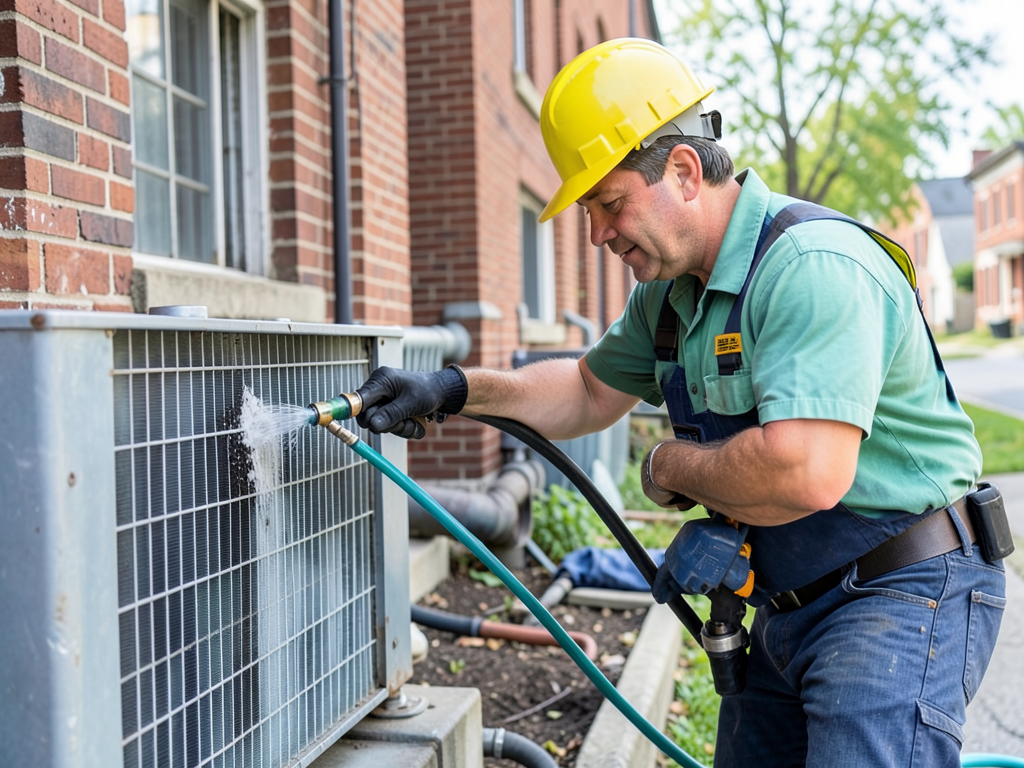
Cleaning Pine Needle and Sap Buildup from Your Outdoor AC Unit in The Old Northside

Cleaning Pine Needle and Sap Buildup from Your Outdoor AC Unit in The Old Northside Your outdoor AC unit works…

How an Upgraded HVAC System Boosts Your Resale Value in the Competitive Carmel Real Estate Market

How an Upgraded HVAC System Boosts Your Resale Value in the Competitive Carmel Real Estate Market Homeowners in Carmel face…

Contact Us

Stop overpaying for summer comfort. Call Reliance HVAC Indianapolis at (317) 688-8818 to schedule your energy efficiency assessment. Our technicians will identify your biggest savings opportunities and provide clear recommendations tailored to your home and budget. You will receive straight answers and honest guidance with no pressure.