
How HVAC Zoning Systems Fix Hot and Cold Spots in Geist Homes
If your Geist home feels like a sauna upstairs while the basement stays freezing, you’re not alone. Multi-story homes near Geist Reservoir face unique heating and cooling challenges due to their size, layout, and Indiana’s extreme seasonal swings. HVAC zoning systems solve these comfort problems by dividing your home into independent temperature zones, each controlled by its own thermostat. This technology eliminates hot and cold spots while cutting energy bills by 20-30% and extending your system’s lifespan. Reliable Heating and Cooling Experts Serving the Broad Ripple Area.
The science is straightforward. Traditional single-zone systems push the same temperature air throughout your entire home. But heat rises, sunlight creates solar gain, and finished basements stay cooler naturally. Zoning systems use motorized dampers in your ductwork to direct conditioned air exactly where it’s needed. A second-floor bedroom gets more cooling on a hot summer afternoon while the guest room stays at a lower setting. The control panel communicates with variable-speed blowers to maintain proper airflow balance across all zones.
Indianapolis homeowners in Geist particularly benefit from zoning because of the area’s large, multi-story homes and extreme humidity swings. A typical two-story colonial near Geist Park might have a 10-degree temperature difference between upstairs and downstairs during summer. Zoning systems use smart thermostats that learn your schedule and adjust automatically. When you’re sleeping upstairs, the system reduces airflow to unoccupied downstairs areas. During winter, it redirects heat to the main living spaces where you spend most of your time.. Read more about Fast Furnace Fixes for Homeowners in the Geist Reservoir Area.
The energy savings are substantial. According to the Department of Energy, zoning can reduce HVAC energy consumption by up to 30%. For a typical Geist home, that means annual savings of $300-500 on utility bills. The system also reduces wear on your equipment. Instead of running at full capacity constantly, your furnace and air conditioner operate more efficiently with fewer cycles. This extends equipment life by 3-5 years, delaying the $8,000-12,000 replacement cost. Department of Energy zoning benefits.
Installation requires professional expertise. A certified technician must calculate proper duct sizing, damper placement, and control panel programming. The process typically takes 1-2 days for an existing home. Retrofitting a zoning system costs $3,500-6,000 depending on your home’s size and existing ductwork condition. New construction homes can integrate zoning for 15-20% less since the ductwork can be designed optimally from the start.
Is your Geist home a good candidate for zoning? Consider these factors: multiple stories, large windows facing different directions, finished basements, home offices, or areas that stay consistently too hot or cold. Homes with open floor plans might need fewer zones than those with many enclosed rooms. The system works best with variable-speed equipment but can be added to single-stage systems with some modifications.
Maintenance is straightforward. Dampers need occasional cleaning to prevent sticking, and zone sensors should be calibrated annually. The control board has self-diagnostic features that alert you to any problems. Most systems include smartphone apps for remote monitoring and adjustment.
Don’t let temperature imbalances make your Geist home uncomfortable. Zoning systems provide the precise control that modern Indiana homes demand. Call (317) 688-8818 today to schedule your free consultation and learn how zoning can transform your home’s comfort while saving you money.
Understanding HVAC Zoning System Components
Zoning systems consist of three main components working together. Motorized dampers installed in your ductwork open and close to control airflow to specific zones. Smart thermostats in each zone monitor temperature and communicate with the central control panel. The control panel acts as the system’s brain, processing data from all thermostats and adjusting damper positions and blower speed accordingly.
The dampers use low-voltage motors that typically last 10-15 years. They open fully when a zone needs conditioning and close partially or completely when satisfied. Bypass dampers provide pressure relief when most zones are closed, preventing damage to your ductwork. Modern systems use soft-start technology to reduce noise and wear.
Thermostats in zoning systems are more sophisticated than standard models. They include zone sensors that detect occupancy, humidity levels, and air quality. Many integrate with smart home platforms like Google Home or Amazon Alexa. The control panel uses algorithms to prevent short cycling and maintain optimal comfort levels across all zones simultaneously. How Much Does a New AC Unit Cost for a Standard Zionsville Home?.
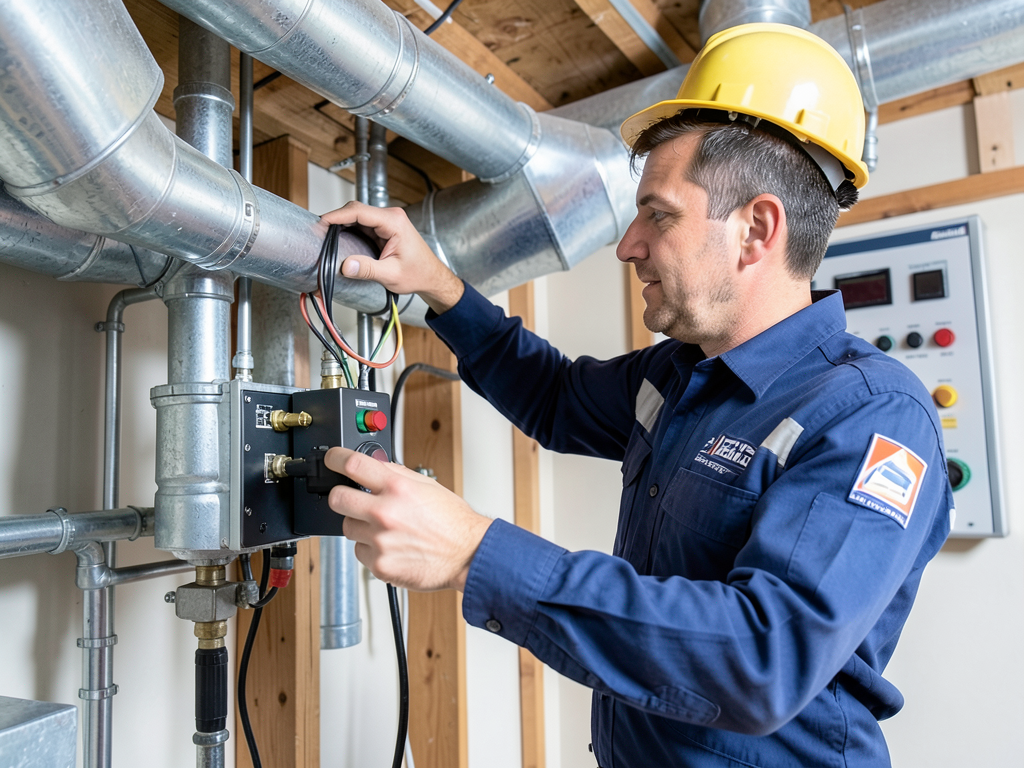
Control panels vary by manufacturer but share common features. They include diagnostic displays showing zone status, system errors, and maintenance reminders. Most have battery backup to maintain programming during power outages. Advanced models offer remote access through smartphone apps, allowing you to adjust settings from anywhere.
Energy Savings and Cost Analysis for Geist Homeowners
The financial benefits of HVAC zoning extend beyond monthly utility savings. A typical Geist home with a zoning system saves $25-40 per month on energy bills. Over a 10-year period, that’s $3,000-4,800 in direct savings. The extended equipment life adds another $2,000-3,000 in avoided replacement costs. Affordable HVAC Replacement Options for Families in Noblesville.
Energy savings vary by season. Summer savings are highest because cooling requires more energy than heating. A zoned system might reduce summer cooling costs by 35% while winter heating savings are closer to 15-20%. The system’s efficiency is particularly noticeable during Indiana’s humid summers when cooling unoccupied upstairs bedrooms overnight can waste significant energy.
Local utility rebates can offset installation costs. AES Indiana and Citizens Energy Group occasionally offer incentives for smart thermostats and energy-efficient HVAC upgrades. These programs can provide $100-300 in rebates for qualifying zoning system installations. Check with your utility provider for current offers.
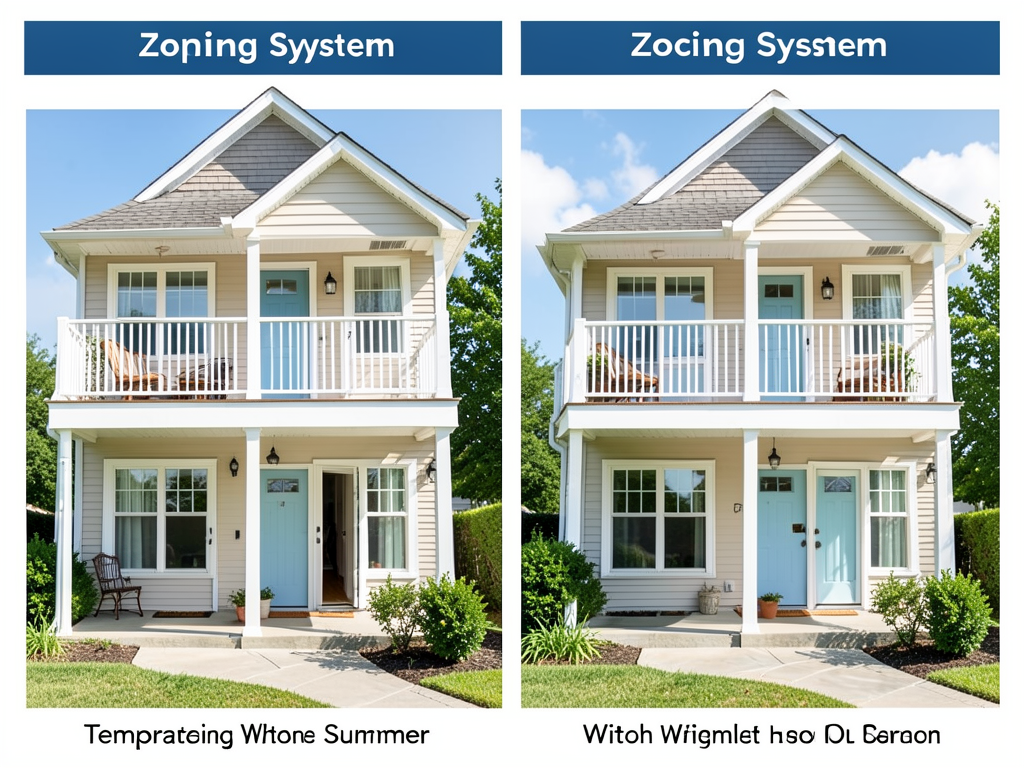
Installation costs depend on your home’s existing infrastructure. Homes with accessible ductwork in basements or crawl spaces cost less to retrofit than those requiring extensive drywall cutting. New construction homes can integrate zoning during the building phase for 15-20% less than retrofitting.
The return on investment typically occurs within 3-5 years for most Geist homeowners. Factors affecting ROI include your home’s size, current energy rates, and how much you currently spend on heating and cooling. Homes with extreme temperature imbalances often see faster payback because they’re wasting more energy.
Zoning vs. Multiple HVAC Units: Making the Right Choice
Homeowners often wonder whether to install a zoning system or add a second HVAC unit. Both solutions address comfort issues but differ significantly in cost, complexity, and long-term value. Zoning systems cost less upfront and use your existing equipment more efficiently. Multiple units provide complete redundancy but at a much higher price point.
A zoning system for a typical Geist home costs $3,500-6,000 installed. Adding a second complete HVAC system costs $8,000-12,000 for the equipment alone, plus installation. Zoning also uses less energy because it optimizes your existing system rather than running two units simultaneously.
Multiple units provide backup if one fails, which some homeowners value for peace of mind. However, modern zoning systems include fail-safe modes that maintain basic comfort if a component fails. The control panel can bypass problematic zones and continue operating other areas normally.
Maintenance considerations favor zoning systems. One system requires annual maintenance versus two separate units. Parts are generally less expensive for zoning systems, and troubleshooting is simpler since all components communicate through one control panel. Multiple units mean twice the filters, twice the maintenance visits, and twice the potential repair costs. EPA indoor air quality guidelines.
Space requirements differ significantly. Zoning systems use your existing ductwork and require minimal additional space. Multiple units need separate equipment pads, additional refrigerant lines, and more complex electrical connections. For homes with limited mechanical space, zoning is often the only practical solution.
Installation Process and Timeline
Professional installation ensures your zoning system works correctly from day one. The process begins with a comprehensive home assessment. A technician evaluates your existing ductwork, measures static pressure, and calculates the optimal number of zones based on your home’s layout and your comfort preferences.
Installation typically takes 1-2 days for most Geist homes. Day one involves installing dampers, running control wiring, and mounting thermostats. The technician may need to access ductwork through existing registers or create small access points in ceilings or walls. Day two includes system programming, testing, and homeowner training.
The installation process requires minimal disruption to your daily routine. Most homeowners can remain in their homes during the work. The loudest part is cutting access holes for damper installation, which lasts only a few minutes per location. Technicians use drop cloths and clean up thoroughly after completion.
System programming is crucial for optimal performance. The technician sets up temperature ranges, humidity targets, and occupancy schedules based on your household patterns. They also configure the control panel’s algorithms to prevent short cycling and maintain proper airflow balance across all zones.
Post-installation testing verifies everything works correctly. The technician checks each zone independently, measures temperature differentials, and ensures the bypass damper functions properly. They also demonstrate the smartphone app and explain basic troubleshooting steps for common issues.
Maintenance and Troubleshooting Tips
Zoning systems require minimal maintenance but benefit from annual professional service. The technician cleans damper blades, lubricates motor bearings, and checks electrical connections. They also calibrate zone sensors and verify the control panel’s programming matches your current comfort preferences.
Homeowners can perform simple maintenance tasks. Check zone dampers monthly for obstructions and clean the small grilles with a vacuum brush attachment. Replace air filters according to manufacturer recommendations, typically every 1-3 months depending on your home’s dust levels and whether you have pets.
Common issues include stuck dampers, thermostat communication failures, and control panel errors. Most problems trigger error codes that help technicians diagnose issues quickly. Many systems include self-diagnostic features that alert you to maintenance needs before they become serious problems.
Power outages can affect zoning systems. Most control panels have battery backup to maintain programming, but you may need to reset some settings after extended outages. The system typically returns to normal operation automatically once power is restored.
Seasonal adjustments optimize performance. In winter, you might want warmer temperatures in living areas and cooler settings in bedrooms during the day. Summer settings often reverse this pattern. The control panel can store multiple seasonal schedules and switch automatically based on outdoor temperature.
Smart Home Integration and Advanced Features
Modern zoning systems integrate seamlessly with smart home technology. Voice control through Amazon Alexa or Google Assistant lets you adjust temperatures with simple commands. Geofencing features can automatically adjust settings when you leave or return home, maximizing energy savings without sacrificing comfort.
Energy monitoring provides detailed insights into your HVAC usage. Many systems track energy consumption by zone, showing you exactly where your heating and cooling dollars go. This data helps identify opportunities for additional savings, like adjusting schedules or temperature setpoints.
Air quality monitoring is becoming standard in premium zoning systems. Integrated sensors detect humidity, carbon dioxide levels, and airborne particulates. The system can automatically adjust ventilation rates or activate air purification features when needed, improving indoor air quality throughout your home.
Remote diagnostics allow technicians to troubleshoot issues without visiting your home. They can access system logs, view current operating conditions, and even adjust settings remotely. This capability reduces service call costs and gets your system running faster when problems occur.
Future upgrades might include integration with solar panels, battery storage, or time-of-use electricity rates. As utility companies adopt more dynamic pricing, zoning systems can automatically shift energy-intensive cooling or heating to off-peak hours when electricity costs less.
Frequently Asked Questions
Will a zoning system work with my existing HVAC equipment?
Yes, most zoning systems can be retrofitted to work with existing furnaces and air conditioners. However, older single-stage equipment may not achieve the same efficiency gains as systems with variable-speed blowers. A professional assessment can determine your compatibility and expected performance improvements. Furnace Blowing Cold Air.
How many zones does my home need?
Most Geist homes benefit from 2-4 zones. A common setup includes one zone for upstairs bedrooms, one for downstairs living areas, and optional zones for finished basements or home offices. The optimal number depends on your home’s layout, usage patterns, and specific comfort issues you want to address.
Can I install a zoning system myself?
Zoning systems require professional installation due to the complexity of ductwork modifications, electrical work, and control panel programming. Improper installation can reduce efficiency, cause equipment damage, or create comfort problems worse than the original issues. Professional installation also maintains manufacturer warranties.
How long do zoning system components last?
Dampers typically last 10-15 years, thermostats 7-10 years, and control panels 15-20 years. The system’s lifespan often exceeds that of the HVAC equipment it controls. Individual components can be replaced as needed without replacing the entire system.
Will zoning affect my home’s resale value?
Zoning systems appeal to buyers who value comfort and energy efficiency. While they don’t dramatically increase resale value, they eliminate a common complaint about multi-story homes and can make your property more attractive compared to similar homes without zoning. Energy savings also appeal to cost-conscious buyers.
{
“@context”: “https://schema.org”,
“@type”: “BlogPosting”,
“headline”: “How HVAC Zoning Systems Fix Hot and Cold Spots in Geist Homes”,
“description”: “Learn how HVAC zoning systems eliminate hot and cold spots in Geist homes with room-by-room control, energy savings, and extended equipment life. Free consultation.”,
“wordCount”: 2160,
“datePublished”: “2026-03-11T13:40:00.000Z”,
“dateModified”: “2026-03-11T13:40:00.000Z”,
“inLanguage”: “en-US”,
“mainEntityOfPage”: {
“@type”: “WebPage”,
“@id”: “https://reliancehvacindianapolis.com”
},
“publisher”: {
“@type”: “LocalBusiness”,
“name”: “Reliance HVAC Indianapolis”,
“url”: “https://reliancehvacindianapolis.com”
},
“author”: {
“@type”: “Organization”,
“name”: “Reliance HVAC Indianapolis”,
“url”: “https://reliancehvacindianapolis.com”
},
“image”: {
“@type”: “ImageObject”,
“url”: “https://reliancehvacindianapolis.com/wp-content/uploads/2026/03/how-hvac-zoning-systems-fix-hot-and-cold-spots-in-1.png”
}
}
{
“@context”: “https://schema.org”,
“@type”: “HVACBusiness”,
“name”: “Reliance HVAC Indianapolis”,
“url”: “https://reliancehvacindianapolis.com”,
“address”: {
“@type”: “PostalAddress”,
“addressLocality”: “Indianapolis”
},
“areaServed”: {
“@type”: “City”,
“name”: “Indianapolis”
}
}
{
“@context”: “https://schema.org”,
“@type”: “FAQPage”,
“mainEntity”: [
{
“@type”: “Question”,
“name”: “Will a zoning system work with my existing HVAC equipment?”,
“acceptedAnswer”: {
“@type”: “Answer”,
“text”: “Yes, most zoning systems can be retrofitted to work with existing furnaces and air conditioners. However, older single-stage equipment may not achieve the same efficiency gains as systems with variable-speed blowers. A professional assessment can determine your compatibility and expected performance improvements. Furnace Blowing Cold Air.”
}
},
{
“@type”: “Question”,
“name”: “How many zones does my home need?”,
“acceptedAnswer”: {
“@type”: “Answer”,
“text”: “Most Geist homes benefit from 2-4 zones. A common setup includes one zone for upstairs bedrooms, one for downstairs living areas, and optional zones for finished basements or home offices. The optimal number depends on your home’s layout, usage patterns, and specific comfort issues you want to address.”
}
},
{
“@type”: “Question”,
“name”: “Can I install a zoning system myself?”,
“acceptedAnswer”: {
“@type”: “Answer”,
“text”: “Zoning systems require professional installation due to the complexity of ductwork modifications, electrical work, and control panel programming. Improper installation can reduce efficiency, cause equipment damage, or create comfort problems worse than the original issues. Professional installation also maintains manufacturer warranties.”
}
},
{
“@type”: “Question”,
“name”: “How long do zoning system components last?”,
“acceptedAnswer”: {
“@type”: “Answer”,
“text”: “Dampers typically last 10-15 years, thermostats 7-10 years, and control panels 15-20 years. The system’s lifespan often exceeds that of the HVAC equipment it controls. Individual components can be replaced as needed without replacing the entire system.”
}
},
{
“@type”: “Question”,
“name”: “Will zoning affect my home’s resale value?”,
“acceptedAnswer”: {
“@type”: “Answer”,
“text”: “Zoning systems appeal to buyers who value comfort and energy efficiency. While they don’t dramatically increase resale value, they eliminate a common complaint about multi-story homes and can make your property more attractive compared to similar homes without zoning. Energy savings also appeal to cost-conscious buyers.”
}
}
]
}
{
“@context”: “https://schema.org”,
“@type”: “BreadcrumbList”,
“itemListElement”: [
{
“@type”: “ListItem”,
“position”: 1,
“name”: “Home”,
“item”: “https://reliancehvacindianapolis.com”
},
{
“@type”: “ListItem”,
“position”: 2,
“name”: “Blog”,
“item”: “https://reliancehvacindianapolis.com/blog”
},
{
“@type”: “ListItem”,
“position”: 3,
“name”: “How HVAC Zoning Systems Fix Hot and Cold Spots in Geist Homes”
}
]
}
{
“@context”: “https://schema.org”,
“@type”: “Service”,
“serviceType”: “HVAC”,
“provider”: {
“@type”: “LocalBusiness”,
“name”: “Reliance HVAC Indianapolis”,
“url”: “https://reliancehvacindianapolis.com”
},
“areaServed”: {
“@type”: “City”,
“name”: “Indianapolis”
},
“description”: “Learn how HVAC zoning systems eliminate hot and cold spots in Geist homes with room-by-room control, energy savings, and extended equipment life. Free consultation.”
}