
Deciding Between Radiant Heating and Forced Air for Your Bates-Hendricks Remodel
Choosing between radiant heating and forced air systems for your Bates-Hendricks remodel requires understanding how each system performs in Indianapolis’s humid continental climate. Radiant heating warms objects and people directly through infrared radiation while forced air circulates heated air through ductwork. Both systems have distinct advantages for Central Indiana homes built on clay-heavy soil that expands and contracts with moisture changes. Reliable Heating and Cooling Experts Serving the Broad Ripple Area.
Indianapolis homeowners in the Bates-Hendricks area face specific challenges including high summer humidity, extreme winter temperature swings, and older home foundations that settle unevenly. These factors directly impact system performance, energy efficiency, and long-term maintenance costs. This guide breaks down the technical differences, comfort factors, and financial considerations to help you make the right choice for your remodel.
The Core Difference: Radiation vs. Convection
Radiant heating systems use either electric resistance cables or hydronic tubes embedded in floors, walls, or ceilings to emit infrared heat. The heat travels in straight lines warming objects and people it contacts first. Forced air systems use a furnace to heat air which then travels through ductwork and exits through vents. The warm air rises and circulates throughout the room through convection currents. Furnace Blowing Cold Air.
Radiant systems provide consistent floor-to-ceiling temperatures without drafts. The heat remains in the lower portion of rooms where people live and work. Forced air creates temperature stratification with warm air collecting near ceilings and cooler air settling near floors. This difference becomes noticeable in Bates-Hendricks’ historic two-story homes where second-floor bedrooms often feel warmer than main-level living spaces.
Hydronic radiant systems use water heated to 100-120°F circulating through PEX tubing. Electric radiant systems use cables or mats that reach 80-90°F surface temperatures. Both operate at lower temperatures than forced air furnaces which typically heat air to 120-140°F before distribution.
Comfort Comparison: Fighting the Indiana Winter
Indianapolis winters bring polar vortex events where temperatures drop below zero for extended periods. Radiant heating maintains consistent comfort without the temperature swings common with forced air systems. When a forced air furnace cycles off, rooms cool quickly. Radiant systems provide steady heat that continues radiating even when the system pauses.
Humidity control presents different challenges for each system. Forced air systems dry indoor air during winter operation, often dropping relative humidity below 30%. This creates static electricity, dry skin, and respiratory irritation. Radiant systems maintain natural humidity levels between 35-45% without additional equipment.
The Bates-Hendricks neighborhood features many homes built between 1900-1950 with plaster walls and hardwood floors. Radiant heating works exceptionally well with these materials since they have high thermal mass. The plaster and wood absorb heat slowly and release it steadily. Forced air can create drafts that crack plaster walls and cause hardwood floors to expand and contract more dramatically.
Summer cooling presents a challenge for radiant-only homes. Since radiant systems only provide heating, homeowners need separate cooling solutions. Many Bates-Hendricks residents combine radiant floor heating with ductless mini-split air conditioners for year-round comfort. EPA indoor air quality resources.
Energy Efficiency and Local Utility Costs
Energy costs in Indianapolis vary significantly between electric and natural gas rates. AES Indiana electric rates average $0.13 per kilowatt-hour while Citizens Energy Group natural gas costs approximately $1.05 per therm. These rates directly impact the operating costs of each system type.
Radiant heating systems operate at 95-98% efficiency when using condensing boilers. Forced air furnaces achieve 80-95% efficiency depending on the model. The higher efficiency of radiant systems often offsets the higher cost of electricity in Central Indiana.
Heat loss calculations for Zone 5 climate (Indianapolis) show typical homes require 25-35 BTU per square foot during design winter conditions. Radiant systems distribute heat more evenly, often requiring 10-15% less total energy to maintain comfort compared to forced air systems in the same home.
Thermal mass plays a crucial role in energy performance. Homes with concrete slab foundations in Bates-Hendricks retain heat longer than those on crawl spaces or basements. Radiant systems integrated with slab floors can maintain comfortable temperatures for 8-12 hours after the system shuts down during moderate weather.
Indoor Air Quality and Allergies
Indoor air quality becomes critical for Bates-Hendricks residents who suffer from seasonal allergies. Indianapolis ranks among the top 20 cities for spring pollen counts, particularly from oak, maple, and ragweed. Forced air systems continuously circulate these allergens throughout homes unless equipped with high-efficiency filters.
Radiant heating eliminates air movement, preventing dust and allergens from becoming airborne. This creates a cleaner indoor environment particularly beneficial for families with asthma or allergy sufferers. The absence of ductwork also eliminates dust accumulation in duct interiors that gets redistributed when systems operate.
Humidity control impacts mold growth potential. Forced air systems can create condensation in ductwork during cooling season, providing moisture for mold growth. Radiant systems avoid this issue since they don’t move air through potentially damp areas. However, radiant systems require separate dehumidification for summer months.
Air filtration options differ significantly between systems. Forced air systems can incorporate HEPA filters, UV germicidal lights, and electronic air cleaners. Radiant systems require standalone air purifiers for similar air cleaning capabilities. The choice often depends on whether whole-house or room-by-room air quality control is preferred.
Cost Analysis: Installation vs. Operational
| System Component | Radiant Heating | Forced Air |
|---|---|---|
| Equipment Cost (2,000 sq ft) | $12,000 – $18,000 | $6,000 – $10,000 |
| Installation Labor | $8,000 – $15,000 | $3,000 – $5,000 |
| Total Installed Cost | $20,000 – $33,000 | $9,000 – $15,000 |
| Annual Operating Cost | $800 – $1,200 | $900 – $1,500 |
| Expected Lifespan | 30-50 years | 15-20 years |
| Annual Maintenance | $150 – $300 | $200 – $400 |
Installation complexity varies significantly between the two systems. Radiant heating requires access to floor assemblies during remodeling. For Bates-Hendricks homes, this means either removing existing flooring or installing during major renovations when walls are open. Forced air installation can often proceed with minimal disruption to finished spaces.
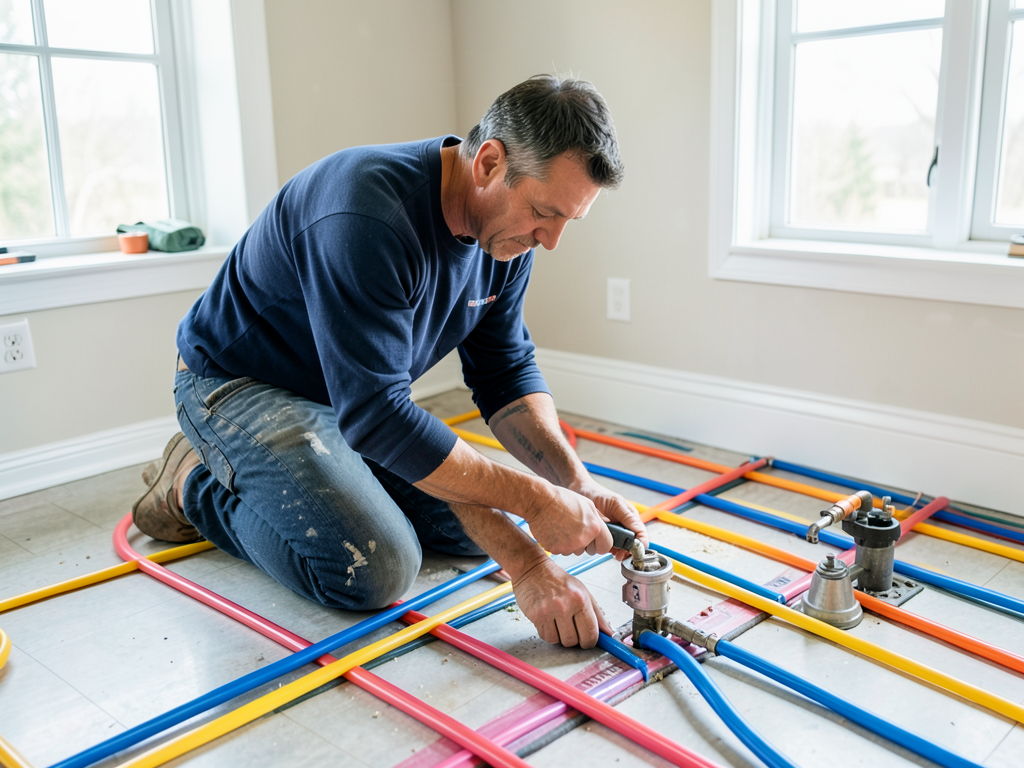
Hydronic radiant systems require a boiler, manifold, and PEX tubing. Electric systems need thermostats and heating cables but avoid the complexity of water piping. Both types benefit from professional design to ensure even heat distribution across different floor coverings common in older homes.
Operating costs depend heavily on insulation quality and home air sealing. Bates-Hendricks homes often have original single-pane windows and minimal wall insulation. Improving these elements before installing any heating system provides better returns than choosing between radiant and forced air.
Maintenance Requirements in the Midwest
Indianapolis’s hard water creates specific challenges for hydronic radiant systems. Water with high mineral content can cause scale buildup in boilers and tubing. Annual system flushing and water treatment prevent these issues. Electric radiant systems avoid water-related maintenance but require checking resistance levels and thermostat calibration.
Forced air systems need regular filter changes every 1-3 months depending on household dust levels. Bates-Hendricks’ proximity to downtown means more urban dust and vehicle emissions entering homes. Duct cleaning every 3-5 years removes accumulated debris that reduces system efficiency.
Boiler maintenance for radiant systems includes checking expansion tank pressure, cleaning heat exchangers, and testing safety controls. These tasks require licensed technicians familiar with hydronic systems. Furnace maintenance involves inspecting heat exchangers, cleaning burners, and testing ignition systems.
System failures present different challenges. Radiant system leaks require specialized leak detection equipment since tubing runs beneath floors. Forced air system issues often present as unusual noises or airflow problems that homeowners can sometimes diagnose before calling for service.
Indiana’s building code requires carbon monoxide detectors near all combustion appliances. Both system types need compliance with Marion County mechanical codes, but radiant systems using condensing boilers produce minimal carbon monoxide, reducing safety concerns.
Retrofitting Considerations for Bates-Hendricks Homes
Many Bates-Hendricks properties feature balloon-frame construction with minimal wall cavities. Installing ductwork in these homes often requires extensive demolition. Radiant heating can be added to existing floors with minimal structural changes, making it attractive for preserving historic character.
Slab-on-grade homes common in mid-century Bates-Hendricks ranches work exceptionally well with radiant heating. The concrete slab provides ideal thermal mass and eliminates the need for underfloor access. Retrofitting these homes with forced air requires either cutting into the slab for ducts or building soffits throughout living spaces.
Basement finishing projects in the area benefit from radiant heating since it eliminates the need for bulky ductwork that reduces ceiling heights. The even heat distribution also helps manage the naturally cooler temperatures common in basements.
Floor height changes occur with radiant installations. Thin electric systems add only 1/8 inch to floor height while hydronic systems with mortar beds can raise floors by 3/4 to 1 inch. This impacts door clearances and transitions to existing flooring.
Smart Technology Integration
Modern thermostats work with both system types but offer different capabilities. Forced air systems typically include multi-stage operation and emergency heat settings. Radiant systems benefit from outdoor temperature sensors that adjust water temperatures based on actual heating load rather than fixed indoor setpoints.
Zoning capabilities differ significantly. Forced air zoning requires motorized dampers and multiple thermostats. Radiant systems naturally zone by room since each thermostat controls individual heating circuits. This provides better temperature control for homes with varying solar exposure or usage patterns.
Mobile app control works with both systems but radiant heating apps often include features like warm-up scheduling that account for thermal mass response times. Forced air apps focus on filter replacement reminders and maintenance scheduling. Affordable HVAC Replacement Options for Families in Noblesville.
Integration with whole-house automation systems works equally well for both types. The key difference involves response time. Forced air systems change temperatures within minutes while radiant systems may take 30-60 minutes to show noticeable changes due to thermal mass.
Environmental Impact and Sustainability
Radiant heating systems pair well with renewable energy sources. Solar thermal collectors can directly heat water for hydronic systems. Electric radiant systems work with solar photovoltaic panels. Forced air heat pumps also work with solar but require backup heating for extreme cold.
Material sustainability varies between systems. Radiant tubing uses cross-linked polyethylene which lasts 50+ years. Forced air ductwork uses sheet metal that can be recycled but may need replacement every 20-30 years due to corrosion in Indiana’s humid climate.
Energy source flexibility gives radiant systems an advantage. Boilers can burn natural gas, propane, fuel oil, or biomass. Electric systems can use any grid power source. Forced air furnaces typically rely on natural gas or propane with limited fuel flexibility.
Indoor environmental quality impacts extend beyond heating. Radiant systems eliminate combustion byproducts inside living spaces. Modern forced air systems with sealed combustion chambers minimize this concern but still require proper venting.
Making Your Decision
Your choice between radiant and forced air heating should consider your specific Bates-Hendricks home characteristics, budget constraints, and comfort preferences. Radiant heating provides superior comfort and air quality but requires higher upfront investment. Forced air offers lower installation costs and proven reliability in Central Indiana’s climate.
Consider hybrid approaches that combine radiant floor heating in main living areas with forced air for second floors or additions. This provides the best comfort where you spend most time while controlling costs for less frequently used spaces.
Professional assessment of your home’s heat loss, existing infrastructure, and long-term plans helps determine the optimal solution. Factors like planned stay duration, energy cost trends, and potential resale value all influence the best choice for your remodel.
Ready to make your Bates-Hendricks remodel comfortable and efficient? Call (317) 688-8818 today to schedule your inspection. Our NATE-certified technicians understand the unique challenges of heating Indianapolis homes and can help you choose the right system for your specific needs.
Frequently Asked Questions
Which system costs less to operate in Indianapolis?
Operating costs depend on your home’s insulation quality and utility rates. Radiant heating typically uses 10-15% less energy than forced air in well-insulated homes. However, current natural gas rates in Indianapolis often make high-efficiency forced air systems competitive with electric radiant heating for operating costs.
Can I install radiant heating in just part of my home?
Yes, radiant heating works well as a supplemental system in specific areas like bathrooms, kitchens, or basements. Many Bates-Hendricks homeowners install radiant heating in primary living spaces while using forced air for bedrooms or second floors. This hybrid approach balances comfort with installation costs.
How long does radiant heating take to warm up?
Radiant heating systems typically require 30-90 minutes to reach full operating temperature due to thermal mass in floors and walls. This slower response time means radiant systems work best with consistent temperature settings rather than frequent adjustments. Programmable thermostats help manage warm-up times for scheduled occupancy.
Do I need a separate air conditioner with radiant heating?
Yes, radiant heating only provides warmth and requires a separate cooling solution. Many homeowners combine radiant floor heating with ductless mini-split air conditioners or traditional central air conditioning systems. This provides year-round comfort while maintaining the superior heating comfort of radiant systems.
Will radiant heating increase my home’s value?
Radiant heating can increase home value, particularly in luxury or high-performance markets. Buyers often appreciate the comfort, quiet operation, and improved air quality. However, the value increase typically doesn’t fully offset the higher installation costs, making it more of a lifestyle improvement than a pure investment. For more information, visit Energy.gov radiant heating guide.
{
“@context”: “https://schema.org”,
“@type”: “BlogPosting”,
“headline”: “Deciding Between Radiant Heating and Forced Air for Your Bates-Hendricks Remodel”,
“description”: “Compare radiant floor heating vs forced air for your Bates-Hendricks remodel. Learn about comfort, efficiency, and costs for Indianapolis homes in 2026.”,
“wordCount”: 2203,
“datePublished”: “2026-03-12T10:00:00.000Z”,
“dateModified”: “2026-03-12T10:00:00.000Z”,
“inLanguage”: “en-US”,
“mainEntityOfPage”: {
“@type”: “WebPage”,
“@id”: “https://reliancehvacindianapolis.com”
},
“publisher”: {
“@type”: “LocalBusiness”,
“name”: “Reliance HVAC Indianapolis”,
“url”: “https://reliancehvacindianapolis.com”
},
“author”: {
“@type”: “Organization”,
“name”: “Reliance HVAC Indianapolis”,
“url”: “https://reliancehvacindianapolis.com”
},
“image”: {
“@type”: “ImageObject”,
“url”: “https://reliancehvacindianapolis.com/wp-content/uploads/2026/03/deciding-between-radiant-heating-and-forced-air-fo-1.png”
}
}
{
“@context”: “https://schema.org”,
“@type”: “HVACBusiness”,
“name”: “Reliance HVAC Indianapolis”,
“url”: “https://reliancehvacindianapolis.com”,
“address”: {
“@type”: “PostalAddress”,
“addressLocality”: “Indianapolis”
},
“areaServed”: {
“@type”: “City”,
“name”: “Indianapolis”
}
}
{
“@context”: “https://schema.org”,
“@type”: “FAQPage”,
“mainEntity”: [
{
“@type”: “Question”,
“name”: “Which system costs less to operate in Indianapolis?”,
“acceptedAnswer”: {
“@type”: “Answer”,
“text”: “Operating costs depend on your home’s insulation quality and utility rates. Radiant heating typically uses 10-15% less energy than forced air in well-insulated homes. However, current natural gas rates in Indianapolis often make high-efficiency forced air systems competitive with electric radiant heating for operating costs.”
}
},
{
“@type”: “Question”,
“name”: “Can I install radiant heating in just part of my home?”,
“acceptedAnswer”: {
“@type”: “Answer”,
“text”: “Yes, radiant heating works well as a supplemental system in specific areas like bathrooms, kitchens, or basements. Many Bates-Hendricks homeowners install radiant heating in primary living spaces while using forced air for bedrooms or second floors. This hybrid approach balances comfort with installation costs.”
}
},
{
“@type”: “Question”,
“name”: “How long does radiant heating take to warm up?”,
“acceptedAnswer”: {
“@type”: “Answer”,
“text”: “Radiant heating systems typically require 30-90 minutes to reach full operating temperature due to thermal mass in floors and walls. This slower response time means radiant systems work best with consistent temperature settings rather than frequent adjustments. Programmable thermostats help manage warm-up times for scheduled occupancy.”
}
},
{
“@type”: “Question”,
“name”: “Do I need a separate air conditioner with radiant heating?”,
“acceptedAnswer”: {
“@type”: “Answer”,
“text”: “Yes, radiant heating only provides warmth and requires a separate cooling solution. Many homeowners combine radiant floor heating with ductless mini-split air conditioners or traditional central air conditioning systems. This provides year-round comfort while maintaining the superior heating comfort of radiant systems.”
}
},
{
“@type”: “Question”,
“name”: “Will radiant heating increase my home’s value?”,
“acceptedAnswer”: {
“@type”: “Answer”,
“text”: “Radiant heating can increase home value, particularly in luxury or high-performance markets. Buyers often appreciate the comfort, quiet operation, and improved air quality. However, the value increase typically doesn’t fully offset the higher installation costs, making it more of a lifestyle improvement than a pure investment. For more information, visit Energy.gov radiant heating guide.”
}
}
]
}
{
“@context”: “https://schema.org”,
“@type”: “BreadcrumbList”,
“itemListElement”: [
{
“@type”: “ListItem”,
“position”: 1,
“name”: “Home”,
“item”: “https://reliancehvacindianapolis.com”
},
{
“@type”: “ListItem”,
“position”: 2,
“name”: “Blog”,
“item”: “https://reliancehvacindianapolis.com/blog”
},
{
“@type”: “ListItem”,
“position”: 3,
“name”: “Deciding Between Radiant Heating and Forced Air for Your Bates-Hendricks Remodel”
}
]
}
{
“@context”: “https://schema.org”,
“@type”: “Service”,
“serviceType”: “HVAC”,
“provider”: {
“@type”: “LocalBusiness”,
“name”: “Reliance HVAC Indianapolis”,
“url”: “https://reliancehvacindianapolis.com”
},
“areaServed”: {
“@type”: “City”,
“name”: “Indianapolis”
},
“description”: “Compare radiant floor heating vs forced air for your Bates-Hendricks remodel. Learn about comfort, efficiency, and costs for Indianapolis homes in 2026.”
}