
Smart Landscaping Tips to Keep Your AC Unit Running Efficiently in Geist
Your AC condenser needs breathing room. Landscaping near the unit can enhance curb appeal but poor placement causes airflow restrictions that raise energy bills and shorten equipment life. Geist homeowners face specific challenges from Indiana’s humid summers and seasonal debris. Following proper clearance and plant selection keeps your system running at peak efficiency.
Central Indiana’s USDA Hardiness Zone 6 climate means hot summers with high humidity and cold winters with snow. These conditions affect how plants grow near your outdoor unit and how debris accumulates. Smart landscaping balances aesthetics with the mechanical needs of your HVAC system. USDA Plant Hardiness Zone Information.
The Golden Rule of HVAC Landscaping: Airflow is Everything
Your AC condenser pulls in massive amounts of air through the sides and pushes it out the top. When plants block this intake, the system works harder to cool your home. Restricted airflow causes the compressor to overheat and can trigger emergency shutdowns during peak summer heat.
Geist homes often sit on clay-heavy soil that retains moisture. This creates ideal conditions for certain ground covers but also means debris sticks to wet surfaces near your unit. Proper spacing prevents this buildup from affecting performance.
Call (317) 688-8818 today to schedule your inspection.
Critical Clearance Measurements
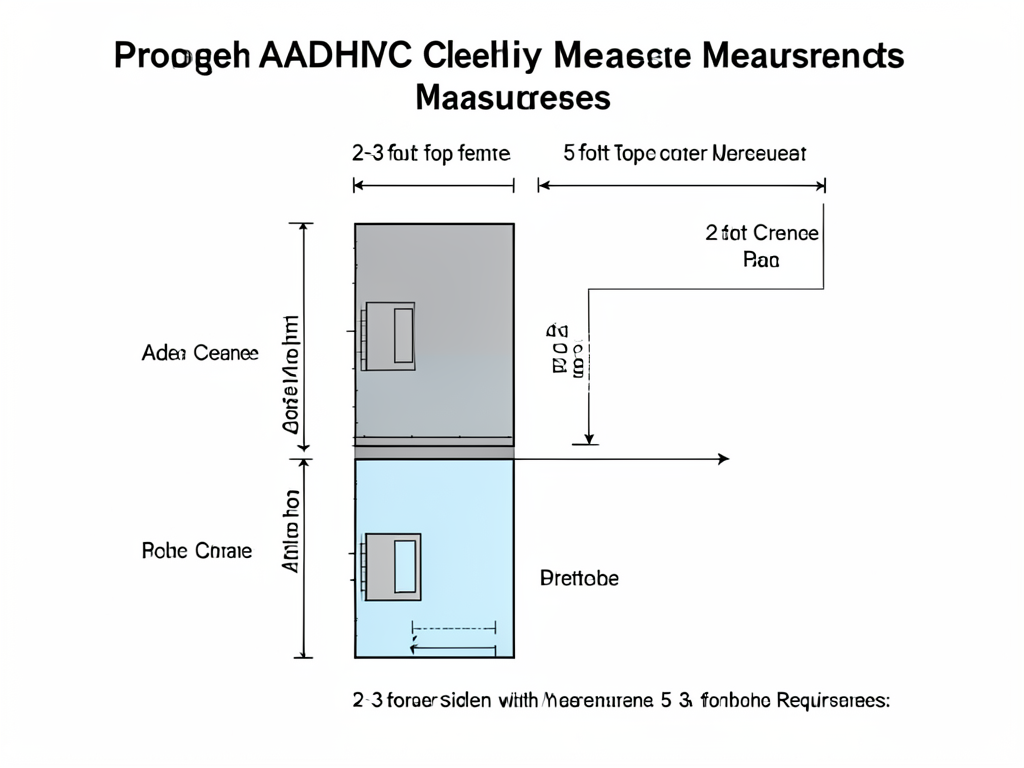
The 2-3 foot perimeter rule applies to all sides of your condenser. This means no plants, walls, or structures within 24-36 inches of the unit. The top needs 5 feet of clearance for hot air to escape freely.
Accessibility matters for Geist HVAC technicians. Units tucked behind dense landscaping require extra time to service, increasing labor costs. Clear paths allow quick access for emergency repairs during heat waves. EPA Indoor Air Quality Guidelines.
Measure from the unit’s outer casing, not the fins. The delicate aluminum fins can bend easily and should never be touched during landscaping work. Use a tape measure and mark clearance zones with spray paint or temporary flags.
Best Plants for Indianapolis Landscapes (Zone 6)
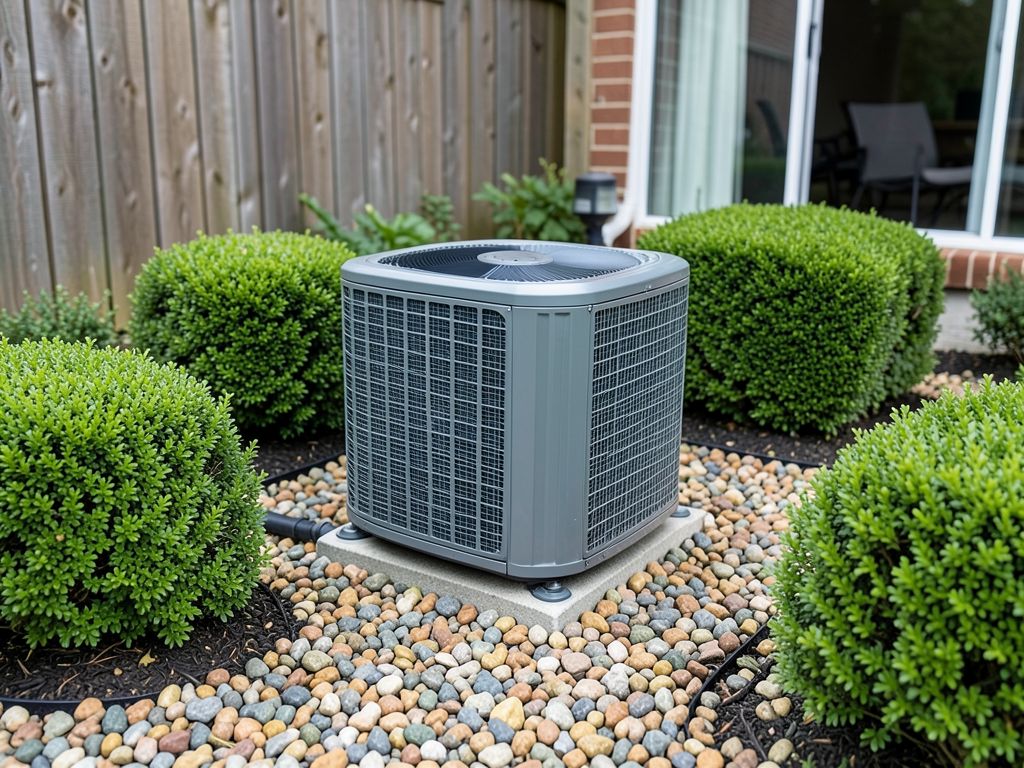
Boxwoods make excellent choices for Geist landscapes near AC units. These evergreen shrubs maintain their shape without dropping excessive leaves. They tolerate the heat radiating from the condenser and grow slowly, requiring minimal pruning. Excess Dust in Home.
Hostas thrive in Indiana’s climate and provide lush foliage without aggressive root systems. Their broad leaves create visual interest but won’t interfere with airflow when planted at proper distances.
Ornamental grasses like Karl Foerster feather reed grass add movement and texture. These plants die back in winter, making seasonal maintenance easier. Choose varieties that don’t produce heavy seed heads which can clog condenser fins.
Avoid cottonwood trees and other species that drop excessive debris. Geist experiences heavy cottonwood seed release each spring, creating a fine white fuzz that clogs condenser coils. Maple trees produce helicopter seeds that can jam fan blades.
Native Indiana plants like switchgrass and coneflowers attract pollinators while requiring minimal water once established. These drought-tolerant options reduce maintenance near your HVAC equipment.
Ground Cover: Mulch vs. Stone vs. Pavers
Mulch provides a clean look but poses risks near AC units. Wood mulch can blow into the condenser and stick to wet coils. During heavy rains, mulch washes toward the unit and creates drainage issues on Geist’s clay soil.
Riverside rock offers superior drainage and won’t blow into the unit. Choose 1-2 inch stones that allow water to flow away from the condenser base. This prevents standing water that attracts mosquitoes and causes rust on the unit’s metal components.
Concrete pavers create defined borders and prevent mulch migration. They also provide stable footing for technicians during service calls. Leave gaps between pavers for drainage and avoid sealing the entire area around the unit.
Gravel paths leading to the condenser improve accessibility. Use crushed limestone or pea gravel that compacts well on clay soil. This creates a solid surface that won’t shift under technician weight.
Seasonal Maintenance for Central Indiana
Fall brings leaf accumulation that can block condenser airflow. Geist neighborhoods with mature trees require weekly checks during October and November. Use a leaf blower on low setting to clear debris without damaging fins.
Spring cottonwood season demands extra attention. The fine seeds stick to condenser coils and reduce efficiency. Schedule professional cleaning in late May to remove buildup before summer heat arrives.
Winter snow removal prevents ice damage. Clear snow at least 3 feet around the unit to maintain airflow. Avoid piling snow against the condenser, which can cause moisture damage when it melts.
Spring is ideal for checking pad stability. Geist’s clay soil expands and contracts with moisture changes, potentially shifting the condenser base. A level unit prevents vibration damage and ensures proper drainage.
Creating Visual Barriers Without Blocking Airflow
Lattice screens provide privacy while maintaining airflow. Install panels 3 feet from the unit to create a buffer zone. Choose pressure-treated wood or vinyl that withstands Indiana’s weather extremes.
Decorative fencing works when built with proper spacing. Use 2×4 inch gaps between boards to allow air movement. Position fences 4 feet from the unit to prevent heat buildup against the condenser.
Container gardens offer flexibility. Large pots with annual flowers can be moved during maintenance. Choose heavy containers that won’t tip in strong winds common to Geist in spring.
Climbing vines on trellises create living walls. Keep vines trimmed below the 5-foot height limit and away from the unit’s top discharge area. Jasmine and clematis work well in Zone 6 without becoming invasive.
Service Access and Emergency Considerations
Geist HVAC technicians need 36-inch wide paths to maneuver equipment. This includes space for ladder placement and tool carts. Narrow walkways between plants create bottlenecks during emergency repairs. The Best AC Repair Services in Carmel for Modern Subdivisions.
Lighting improves safety during evening service calls. Install solar path lights leading to the condenser. This helps technicians identify hazards like exposed roots or uneven surfaces.
Electrical disconnects should remain visible and accessible. Never block the main power shutoff with plants or structures. Technicians must reach this quickly during emergency procedures.
Water spigots near the unit assist with cleaning. Annual condenser cleaning requires water access. Position hoses to avoid creating mud around the service area.
Common Mistakes Geist Homeowners Make
Planting too close ranks as the most frequent error. Many homeowners underestimate how large shrubs grow over five years. What starts as a 12-inch plant becomes a 4-foot barrier that restricts airflow.
Using landscape fabric directly under mulch creates drainage problems. Water pools on top of the fabric instead of reaching soil. This attracts pests and creates breeding grounds for mosquitoes.
Installing solid walls around the unit traps heat. Even with proper clearance, solid barriers prevent hot air from dissipating. This causes the system to cycle more frequently and increases energy consumption.
Neglecting seasonal maintenance leads to efficiency losses. A dirty condenser coil can reduce cooling capacity by 30%. Regular cleaning prevents this gradual decline in performance.
DIY vs. Professional Landscaping Around HVAC
Simple tasks like mulch replacement and annual cleaning suit DIY approaches. Use proper tools like soft brushes and low-pressure water to avoid damaging fins. Wear gloves to protect against sharp edges. Affordable HVAC Replacement Options for Families in Noblesville.
Complex projects involving electrical work or structural changes require professionals. Moving the condenser pad or installing permanent barriers affects system performance and may violate local codes.
Professional landscapers understand HVAC clearance requirements. They can design cohesive plans that enhance curb appeal while protecting your investment. Many Geist landscapers partner with HVAC companies for integrated solutions.
Annual inspections catch problems early. A technician can identify airflow restrictions, drainage issues, and vegetation growth before they cause system failures. This preventive approach saves money on emergency repairs.
Call (317) 688-8818 before the next storm hits.
Frequently Asked Questions
How far should plants be from my AC unit?
Maintain 2-3 feet of clearance on all sides and 5 feet above the unit. This allows proper airflow and provides access for maintenance. Measure from the outer casing, not the delicate fins.
What are the best plants to use near an AC condenser?
Boxwoods, hostas, and ornamental grasses work well in Zone 6. Choose plants that don’t drop excessive debris and have non-invasive root systems. Avoid cottonwood trees and maples that produce heavy seeds.
Can I build a fence around my AC unit?
Yes, but maintain proper clearance. Use fencing with gaps for airflow and position it at least 3 feet from the unit. Never block the top discharge area or electrical disconnect.
How often should I clean around my AC unit?
Check weekly during heavy debris seasons like fall and spring. Schedule professional cleaning annually, typically in late spring before summer heat arrives. Remove leaves, seeds, and other debris that restrict airflow.
Does landscaping affect my AC efficiency?
Absolutely. Proper landscaping can improve efficiency by 10-15% by ensuring adequate airflow and reducing heat buildup. Poor landscaping choices can decrease efficiency by the same amount or more.
{
“@context”: “https://schema.org”,
“@type”: “BlogPosting”,
“headline”: “Smart Landscaping Tips to Keep Your AC Unit Running Efficiently in Geist”,
“description”: “Protect your AC unit with smart landscaping. Learn Geist-specific clearance rules, plant choices, and seasonal maintenance to boost efficiency and prevent costly repairs.”,
“wordCount”: 1491,
“datePublished”: “2026-03-29T06:57:00.000Z”,
“dateModified”: “2026-03-29T06:57:00.000Z”,
“inLanguage”: “en-US”,
“mainEntityOfPage”: {
“@type”: “WebPage”,
“@id”: “https://reliancehvacindianapolis.com”
},
“publisher”: {
“@type”: “LocalBusiness”,
“name”: “Reliance HVAC Indianapolis”,
“url”: “https://reliancehvacindianapolis.com”
},
“author”: {
“@type”: “Organization”,
“name”: “Reliance HVAC Indianapolis”,
“url”: “https://reliancehvacindianapolis.com”
},
“image”: {
“@type”: “ImageObject”,
“url”: “https://reliancehvacindianapolis.com/wp-content/uploads/2026/03/smart-landscaping-tips-to-keep-your-ac-unit-runnin-1.png”
}
}
{
“@context”: “https://schema.org”,
“@type”: “HVACBusiness”,
“name”: “Reliance HVAC Indianapolis”,
“url”: “https://reliancehvacindianapolis.com”,
“address”: {
“@type”: “PostalAddress”,
“addressLocality”: “Indianapolis”
},
“areaServed”: {
“@type”: “City”,
“name”: “Indianapolis”
}
}
{
“@context”: “https://schema.org”,
“@type”: “FAQPage”,
“mainEntity”: [
{
“@type”: “Question”,
“name”: “How far should plants be from my AC unit?”,
“acceptedAnswer”: {
“@type”: “Answer”,
“text”: “Maintain 2-3 feet of clearance on all sides and 5 feet above the unit. This allows proper airflow and provides access for maintenance. Measure from the outer casing, not the delicate fins.”
}
},
{
“@type”: “Question”,
“name”: “What are the best plants to use near an AC condenser?”,
“acceptedAnswer”: {
“@type”: “Answer”,
“text”: “Boxwoods, hostas, and ornamental grasses work well in Zone 6. Choose plants that don’t drop excessive debris and have non-invasive root systems. Avoid cottonwood trees and maples that produce heavy seeds.”
}
},
{
“@type”: “Question”,
“name”: “Can I build a fence around my AC unit?”,
“acceptedAnswer”: {
“@type”: “Answer”,
“text”: “Yes, but maintain proper clearance. Use fencing with gaps for airflow and position it at least 3 feet from the unit. Never block the top discharge area or electrical disconnect.”
}
},
{
“@type”: “Question”,
“name”: “How often should I clean around my AC unit?”,
“acceptedAnswer”: {
“@type”: “Answer”,
“text”: “Check weekly during heavy debris seasons like fall and spring. Schedule professional cleaning annually, typically in late spring before summer heat arrives. Remove leaves, seeds, and other debris that restrict airflow.”
}
},
{
“@type”: “Question”,
“name”: “Does landscaping affect my AC efficiency?”,
“acceptedAnswer”: {
“@type”: “Answer”,
“text”: “Absolutely. Proper landscaping can improve efficiency by 10-15% by ensuring adequate airflow and reducing heat buildup. Poor landscaping choices can decrease efficiency by the same amount or more.”
}
}
]
}
{
“@context”: “https://schema.org”,
“@type”: “BreadcrumbList”,
“itemListElement”: [
{
“@type”: “ListItem”,
“position”: 1,
“name”: “Home”,
“item”: “https://reliancehvacindianapolis.com”
},
{
“@type”: “ListItem”,
“position”: 2,
“name”: “Blog”,
“item”: “https://reliancehvacindianapolis.com/blog”
},
{
“@type”: “ListItem”,
“position”: 3,
“name”: “Smart Landscaping Tips to Keep Your AC Unit Running Efficiently in Geist”
}
]
}
{
“@context”: “https://schema.org”,
“@type”: “Service”,
“serviceType”: “HVAC”,
“provider”: {
“@type”: “LocalBusiness”,
“name”: “Reliance HVAC Indianapolis”,
“url”: “https://reliancehvacindianapolis.com”
},
“areaServed”: {
“@type”: “City”,
“name”: “Indianapolis”
},
“description”: “Protect your AC unit with smart landscaping. Learn Geist-specific clearance rules, plant choices, and seasonal maintenance to boost efficiency and prevent costly repairs.”
}