
Custom air conditioning solutions for narrow lots and townhomes in Fletcher Place
Fletcher Place townhomes face unique cooling challenges with their narrow footprints and shared walls. Hot air rises through three-story layouts creating uneven temperatures that standard AC systems can’t handle. Our specialized approach delivers quiet, efficient cooling that fits tight spaces while meeting Indianapolis HOA requirements. Indiana Office of Energy Development.
Why Fletcher Place townhomes need specialized cooling solutions
Narrow lots in Fletcher Place create specific HVAC problems. Zero-lot-line construction leaves minimal outdoor space for condenser units. Shared walls mean noise restrictions limit compressor decibel levels. Three-story vertical layouts trap heat on upper floors where bedrooms sit. Standard central air struggles with these constraints. How Much Does a New AC Unit Cost for a Standard Zionsville Home?.
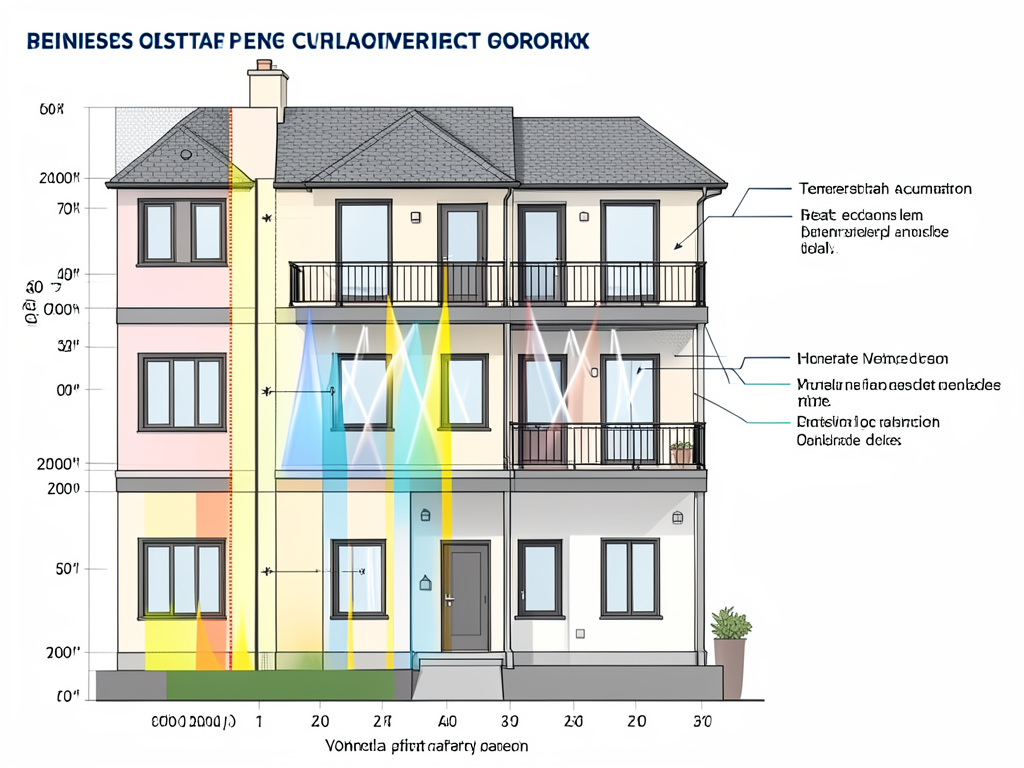
Indianapolis summers push temperatures above 90°F with high humidity. Upper floors in townhomes can run 8-10°F warmer than ground levels. Poor attic ventilation compounds the problem. Without proper zoning, you’re cooling empty lower floors while upper bedrooms stay uncomfortable.
Marion County building codes require specific setbacks for outdoor units even on narrow lots. HOAs in Fletcher Place often mandate white or neutral-colored equipment to maintain neighborhood aesthetics. These restrictions eliminate many standard cooling options. Marion County Building Permits.

– Technical diagram showing vertical airflow patterns in three-story townhomes with heat accumulation on upper floors.
Best AC systems for Indianapolis townhome layouts
Ductless mini-split systems excel in Fletcher Place’s tight spaces. These wall-mounted units need only a 3-inch hole through exterior walls for refrigerant lines. No bulky ductwork means more living space. Each room gets independent temperature control – solve the upstairs heat problem permanently.
High-velocity small-duct systems work where traditional ductwork won’t fit. Flexible mini-ducts snake through wall cavities using 2-inch openings instead of standard 12-inch ducts. These systems move air at higher speeds creating better circulation in narrow floor plans.
Multi-zone heat pumps offer heating and cooling from one outdoor unit. Connect up to five indoor heads to a single condenser. Perfect for townhomes where outdoor space limits multiple units. Modern variable-speed compressors adjust output to match demand reducing energy costs. Reliable Heating and Cooling Experts Serving the Broad Ripple Area.
Packaged terminal air conditioners (PTAC) work for smaller townhome units. These through-wall systems combine heating and cooling in one unit. Installation requires only exterior wall space – no indoor mechanical room needed. Ideal for guest bedrooms or home offices.
SEER2 ratings matter more in townhomes than single-family homes. Higher efficiency reduces both energy bills and heat output from the unit itself. Look for 18+ SEER2 ratings in compact townhome applications.
Navigating Indianapolis HOA and permit requirements
Marion County requires permits for all new AC installations. The process includes load calculations showing your system meets local energy codes. Fletcher Place HOAs typically need 30 days for architectural review before installation starts.
Common HOA restrictions in Fletcher Place include:
- Maximum unit height – usually 36 inches for condensers
- Color requirements – white or neutral tones only
- Noise limits – 65 decibels at property line
- Placement rules – units must hide behind fences or landscaping
Indianapolis mechanical codes require specific clearances. Condensers need 12 inches from property lines and 24 inches from any building opening. These rules protect neighbors from noise and ensure proper airflow.
Permit applications require contractor licensing verification. Indianapolis requires HVAC contractors hold state licenses plus local Marion County permits. Always verify credentials before signing contracts.
HOA approval processes vary. Some Fletcher Place associations require detailed drawings showing unit locations. Others need only basic descriptions. Start the approval process early – delays here stop the entire project.
Our local installation process for townhome cooling
- Free Site Assessment
We evaluate your townhome’s layout, HOA restrictions, and cooling needs. Measure room dimensions and assess existing ductwork or lack thereof.
- Manual J Load Calculation
Calculate exact cooling requirements using room sizes, window orientations, and insulation levels. This prevents oversizing that wastes energy.
- HOA Permit Package
Prepare drawings and specifications meeting both code requirements and HOA rules. Submit applications to Marion County and your association.
- Equipment Selection
Choose systems fitting your space constraints and budget. Focus on noise ratings and efficiency for multi-story applications.
- Installation Scheduling
Coordinate with HOAs for installation windows. Most associations restrict noisy work to weekday hours.
- Professional Installation
Our NATE-certified technicians handle all work. We protect your home during installation and clean thoroughly afterward.
- Final Testing
Verify proper airflow, temperature control, and noise levels. Demonstrate system operation to all household members.
– Photo showing compact ductless mini-split installation in a narrow townhome living room with minimal wall penetration.
Energy rebates and financing for Indianapolis residents
AES Indiana offers rebates up to $750 for high-efficiency AC installations. Systems must meet 16+ SEER2 ratings to qualify. Rebates apply to both central air and ductless systems.
Citizens Energy Group provides additional incentives for heat pump installations. These systems qualify for up to $1,000 in combined rebates when replacing electric resistance heating.
Federal tax credits through 2026 cover 30% of installation costs up to $2,000 for qualifying high-efficiency systems. Heat pumps receive the same credit regardless of fuel type.
0% financing through Energizing Indiana helps spread costs over 12-60 months. No payments for 90 days available on approved credit. These programs make efficient cooling affordable for any budget. Affordable HVAC Replacement Options for Families in Noblesville.
Utility bill savings often offset monthly payments. High-efficiency systems can cut cooling costs by 30-50% compared to older units. Calculate your payback period during our free estimate.
Space-saving solutions for narrow Fletcher Place lots
Wall-mounted air handlers free up floor space in tight townhome layouts. These units hang from walls like artwork. No floor space lost to bulky equipment. Perfect for narrow hallways and small bedrooms.
Vertical air handlers fit in closets where horizontal units won’t. These tall, narrow units use minimal floor space. Install behind doors or in utility closets. Keep living areas open and uncluttered.
Compact outdoor units measure just 28 inches wide. These slim-line condensers fit between townhome units where standard 36-inch units won’t. Reduced footprints mean more landscaping options.
Roof-mounted systems eliminate ground space issues entirely. These units install on flat townhome roofs. No outdoor space needed. Ideal for end units with roof access.
Sound-dampening pads reduce noise transmission through shared walls. These specialized pads absorb vibration before it reaches neighboring units. Critical for maintaining good neighbor relations in close quarters.
Multi-zone cooling for three-story townhome comfort
Upper floor heat gain creates the biggest comfort problem in townhomes. Heat rises and gets trapped on third floors. Bedrooms become unusable during summer afternoons. Multi-zone systems solve this by cooling each floor independently.
Smart thermostats coordinate between zones automatically. These systems learn your schedule and adjust temperatures accordingly. Lower floors cool during day when occupied. Upper floors cool before bedtime. Energy savings without sacrificing comfort.
Variable-speed blowers maintain consistent temperatures without temperature swings. These motors adjust output in small increments rather than cycling on and off. Quieter operation and better humidity control result.
Dehumidification modes remove excess moisture without cooling. Perfect for Indianapolis’ humid summers. These settings prevent that cold but clammy feeling common with standard AC. Excess Dust in Home.
Zoning dampers direct airflow where needed most. These motorized dampers open and close automatically. Send cool air upstairs during the day. Direct it downstairs at night. No wasted cooling in unoccupied spaces.
Common townhome AC problems we solve
Uneven cooling between floors frustrates most townhome owners. Second-floor bedrooms stay hot while first floors overcool. Our zoning solutions eliminate these hot and cold spots permanently.
Limited outdoor space restricts equipment choices. Standard condensers won’t fit in narrow side yards. We specialize in compact units and alternative mounting options that meet code requirements.
Noise complaints from neighbors create installation headaches. Standard AC units exceed HOA decibel limits. Our sound-rated equipment meets strict Fletcher Place requirements.
Shared walls transmit equipment vibration. This creates noise problems even with quiet compressors. Anti-vibration mounts and sound barriers solve these issues.
Limited attic access complicates ductwork installation. Standard trunk lines won’t fit through small access panels. Our mini-duct systems use existing wall cavities instead.
Why choose us for your Fletcher Place townhome
We understand Fletcher Place townhome construction better than general HVAC companies. Our technicians know which wall materials hide plumbing. We recognize common construction shortcuts that affect installations.
Local experience means faster permit approvals. We know which Marion County inspectors focus on specific issues. Our applications get approved without unnecessary delays.
HOA relationships speed approvals. We’ve worked with Fletcher Place associations for years. Our standard drawings already meet most requirements. Fewer revisions mean faster start dates.
Emergency service available 24/7. Townhome AC failures create immediate discomfort. We respond within 2 hours for emergency calls. Weekend and holiday service at no extra charge.
Warranty coverage exceeds industry standards. 12-year parts warranty on most installations. 2-year labor warranty included at no extra cost. We stand behind our work completely.
Cost factors for townhome AC installation
System type drives most installation costs. Ductless mini-splits run $4,500-$8,000 for whole-house coverage. Multi-zone heat pumps cost $6,000-$12,000. Traditional central air with ductwork ranges $8,000-$15,000.
Installation complexity affects pricing significantly. Second-floor units requiring crane rental add $1,000-$2,000. Wall penetrations through brick cost more than vinyl siding. Each complexity factor increases total cost.
Permit and HOA fees vary by project. Marion County permit fees run $150-$300. HOA review fees range $100-$500. Some associations charge annual registration fees for exterior equipment.
Energy efficiency ratings impact upfront costs but reduce operating expenses. Higher SEER2 ratings cost more initially but save 30-50% on monthly cooling bills. Calculate lifetime costs, not just installation prices.
Financing options make any system affordable. Monthly payments spread costs over time. Many customers find energy savings exceed payment amounts, creating positive cash flow immediately.
– Before and after photo showing compact outdoor condenser installation in a narrow Fletcher Place side yard with proper clearance and HOA-approved color.
Frequently Asked Questions
How long does townhome AC installation take?
Most installations complete in 1-2 days. Simple ductless systems finish in one day. Complex multi-zone installations may require two days. Permit approval adds 2-4 weeks before work starts.
Can I install AC myself in my townhome?
Marion County prohibits unlicensed AC installation. Only licensed HVAC contractors can legally install cooling systems. DIY installation voids warranties and creates safety hazards with refrigerant handling.
What’s the most energy-efficient option for townhomes?
Ductless mini-split systems offer best efficiency for townhomes. These units avoid duct losses that waste 30% of cooling energy. Variable-speed compressors match output to demand precisely.
Will new AC increase my townhome’s value?
Central AC typically returns 70-80% of installation cost in home value. More importantly, it makes your townhome attractive to buyers who expect modern cooling. Many buyers won’t consider homes without AC.
How do I maintain my new AC system?
Change filters every 90 days minimum. Clean outdoor coils annually. Schedule professional maintenance twice yearly. These simple steps extend system life and maintain efficiency.
What if my HOA rejects my AC plans?
We’ll work with your HOA to find acceptable alternatives. Sometimes minor design changes satisfy requirements. Other times we recommend different equipment types. We’ve never failed to find a solution that works.
Should I replace my furnace at the same time?
If your furnace is over 15 years old, replacement makes sense. Matching equipment ensures compatibility. You’ll also save on labor costs by combining projects. Many customers find package deals reduce total costs. Furnace Blowing Cold Air.
Call (317) 688-8818 today to schedule your free Fletcher Place townhome cooling assessment. Don’t wait until summer heat makes your upstairs bedrooms unbearable. Our specialists will evaluate your space and recommend the perfect cooling solution for your narrow lot. Pick up the phone and call (317) 688-8818 before the next heat wave hits.
You may also find this helpful. Reliable rooftop AC repair for condos and townhomes on Mass Ave.
{
“@context”: “https://schema.org”,
“@type”: “BlogPosting”,
“headline”: “Custom air conditioning solutions for narrow lots and townhomes in Fletcher Place”,
“description”: “Expert AC installation for Fletcher Place townhomes. Space-saving cooling solutions, HOA compliance, and multi-zone systems for narrow lots. Call (317) 688-8818 for a free estimate.”,
“wordCount”: 1958,
“datePublished”: “2026-04-02T07:06:00.000Z”,
“dateModified”: “2026-04-02T07:06:00.000Z”,
“inLanguage”: “en-US”,
“mainEntityOfPage”: {
“@type”: “WebPage”,
“@id”: “https://reliancehvacindianapolis.com”
},
“publisher”: {
“@type”: “LocalBusiness”,
“name”: “Reliance HVAC Indianapolis”,
“url”: “https://reliancehvacindianapolis.com”
},
“author”: {
“@type”: “Organization”,
“name”: “Reliance HVAC Indianapolis”,
“url”: “https://reliancehvacindianapolis.com”
},
“image”: {
“@type”: “ImageObject”,
“url”: “https://reliancehvacindianapolis.com/wp-content/uploads/2026/03/custom-air-conditioning-solutions-for-narrow-lots-1.png”
}
}
{
“@context”: “https://schema.org”,
“@type”: “HVACBusiness”,
“name”: “Reliance HVAC Indianapolis”,
“url”: “https://reliancehvacindianapolis.com”,
“address”: {
“@type”: “PostalAddress”,
“addressLocality”: “Indianapolis”
},
“areaServed”: {
“@type”: “City”,
“name”: “Indianapolis”
}
}
{
“@context”: “https://schema.org”,
“@type”: “FAQPage”,
“mainEntity”: [
{
“@type”: “Question”,
“name”: “How long does townhome AC installation take?”,
“acceptedAnswer”: {
“@type”: “Answer”,
“text”: “Most installations complete in 1-2 days. Simple ductless systems finish in one day. Complex multi-zone installations may require two days. Permit approval adds 2-4 weeks before work starts.”
}
},
{
“@type”: “Question”,
“name”: “Can I install AC myself in my townhome?”,
“acceptedAnswer”: {
“@type”: “Answer”,
“text”: “Marion County prohibits unlicensed AC installation. Only licensed HVAC contractors can legally install cooling systems. DIY installation voids warranties and creates safety hazards with refrigerant handling.”
}
},
{
“@type”: “Question”,
“name”: “What’s the most energy-efficient option for townhomes?”,
“acceptedAnswer”: {
“@type”: “Answer”,
“text”: “Ductless mini-split systems offer best efficiency for townhomes. These units avoid duct losses that waste 30% of cooling energy. Variable-speed compressors match output to demand precisely.”
}
},
{
“@type”: “Question”,
“name”: “Will new AC increase my townhome’s value?”,
“acceptedAnswer”: {
“@type”: “Answer”,
“text”: “Central AC typically returns 70-80% of installation cost in home value. More importantly, it makes your townhome attractive to buyers who expect modern cooling. Many buyers won’t consider homes without AC.”
}
},
{
“@type”: “Question”,
“name”: “How do I maintain my new AC system?”,
“acceptedAnswer”: {
“@type”: “Answer”,
“text”: “Change filters every 90 days minimum. Clean outdoor coils annually. Schedule professional maintenance twice yearly. These simple steps extend system life and maintain efficiency.”
}
},
{
“@type”: “Question”,
“name”: “What if my HOA rejects my AC plans?”,
“acceptedAnswer”: {
“@type”: “Answer”,
“text”: “We’ll work with your HOA to find acceptable alternatives. Sometimes minor design changes satisfy requirements. Other times we recommend different equipment types. We’ve never failed to find a solution that works.”
}
},
{
“@type”: “Question”,
“name”: “Should I replace my furnace at the same time?”,
“acceptedAnswer”: {
“@type”: “Answer”,
“text”: “If your furnace is over 15 years old, replacement makes sense. Matching equipment ensures compatibility. You’ll also save on labor costs by combining projects. Many customers find package deals reduce total costs. Furnace Blowing Cold Air.”
}
}
]
}
{
“@context”: “https://schema.org”,
“@type”: “HowTo”,
“name”: “Townhome AC Installation Process”,
“step”: [
{
“@type”: “HowToStep”,
“position”: 1,
“name”: “Free Site Assessment”,
“text”: “We evaluate your townhome’s layout, HOA restrictions, and cooling needs. Measure room dimensions and assess existing ductwork or lack thereof.”
},
{
“@type”: “HowToStep”,
“position”: 2,
“name”: “Manual J Load Calculation”,
“text”: “Calculate exact cooling requirements using room sizes, window orientations, and insulation levels. This prevents oversizing that wastes energy.”
},
{
“@type”: “HowToStep”,
“position”: 3,
“name”: “HOA Permit Package”,
“text”: “Prepare drawings and specifications meeting both code requirements and HOA rules. Submit applications to Marion County and your association.”
},
{
“@type”: “HowToStep”,
“position”: 4,
“name”: “Equipment Selection”,
“text”: “Choose systems fitting your space constraints and budget. Focus on noise ratings and efficiency for multi-story applications.”
},
{
“@type”: “HowToStep”,
“position”: 5,
“name”: “Installation Scheduling”,
“text”: “Coordinate with HOAs for installation windows. Most associations restrict noisy work to weekday hours.”
},
{
“@type”: “HowToStep”,
“position”: 6,
“name”: “Professional Installation”,
“text”: “Our NATE-certified technicians handle all work. We protect your home during installation and clean thoroughly afterward.”
},
{
“@type”: “HowToStep”,
“position”: 7,
“name”: “Final Testing”,
“text”: “Verify proper airflow, temperature control, and noise levels. Demonstrate system operation to all household members.”
}
],
“image”: “https://reliancehvacindianapolis.com/wp-content/uploads/2026/03/custom-air-conditioning-solutions-for-narrow-lots-1.png”
}
{
“@context”: “https://schema.org”,
“@type”: “BreadcrumbList”,
“itemListElement”: [
{
“@type”: “ListItem”,
“position”: 1,
“name”: “Home”,
“item”: “https://reliancehvacindianapolis.com”
},
{
“@type”: “ListItem”,
“position”: 2,
“name”: “Blog”,
“item”: “https://reliancehvacindianapolis.com/blog”
},
{
“@type”: “ListItem”,
“position”: 3,
“name”: “Custom air conditioning solutions for narrow lots and townhomes in Fletcher Place”
}
]
}
{
“@context”: “https://schema.org”,
“@type”: “Service”,
“serviceType”: “HVAC”,
“provider”: {
“@type”: “LocalBusiness”,
“name”: “Reliance HVAC Indianapolis”,
“url”: “https://reliancehvacindianapolis.com”
},
“areaServed”: {
“@type”: “City”,
“name”: “Indianapolis”
},
“description”: “Expert AC installation for Fletcher Place townhomes. Space-saving cooling solutions, HOA compliance, and multi-zone systems for narrow lots. Call (317) 688-8818 for a free estimate.”
}