
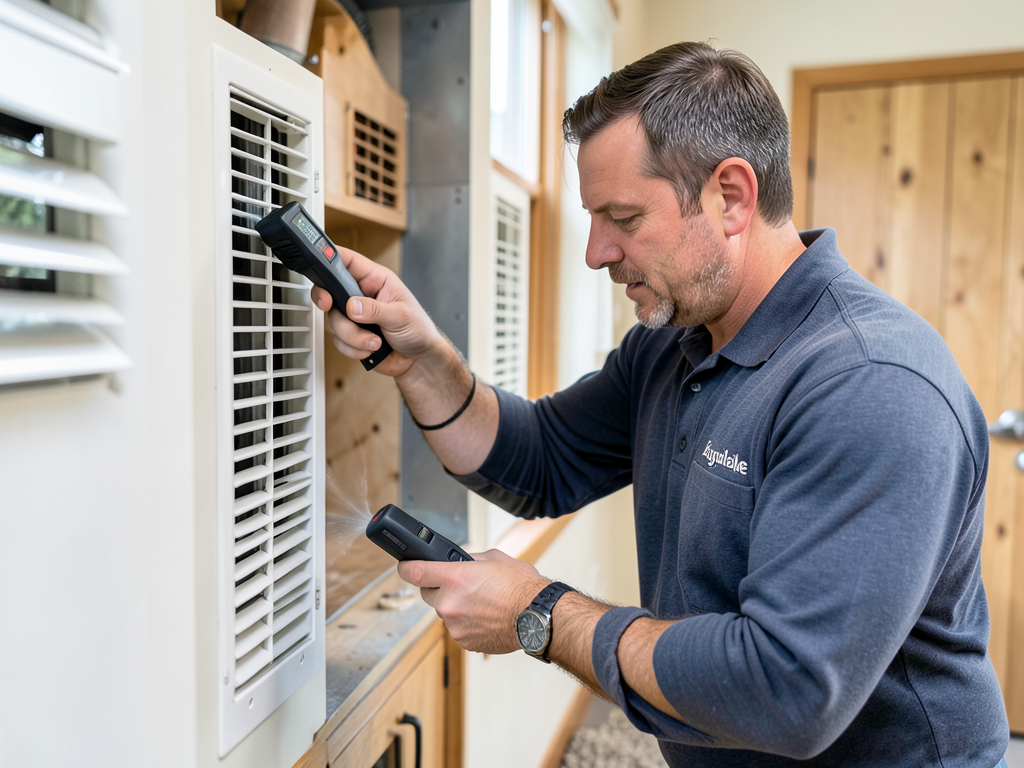
The Best Ways to Prevent Mold Growth Inside Your Eagledale Air Vents
Indianapolis homeowners know all too well how our humid summers create perfect conditions for mold growth inside air vents. That musty smell when your AC kicks on isn’t just unpleasant—it’s a warning sign that mold spores are circulating through your Eagledale home. With Indianapolis humidity levels often exceeding 70% during July and August, your HVAC system becomes a breeding ground for microbial growth if not properly maintained.. Read more about How to Set Your HVAC System Before Leaving Your Village of WestClay Home for Vacation.
The good news is that preventing mold in your air vents is entirely possible with the right approach. By understanding how condensation forms in your ductwork and taking proactive steps, you can protect your family’s health and keep your system running efficiently. This guide covers everything from simple filter changes to professional UV light installation—all tailored to the specific challenges Eagledale homeowners face.
Why Mold Thrives in Indianapolis Air Vents
Indianapolis sits in a humid continental climate zone, experiencing hot, sticky summers that create ideal conditions for mold growth. When warm, moist air passes through your cold air conditioning system, condensation forms on the evaporator coils and inside your ductwork. This moisture, combined with organic dust particles and skin cells trapped in your vents, creates a perfect food source for mold spores.. Read more about What Indianapolis Renters Need to Know About Landlord Responsibilities for Broken AC.
Eagledale homes, particularly those built between the 1960s and 1980s, often have ductwork in unconditioned spaces like attics or crawl spaces. These areas experience significant temperature swings, causing condensation to form on the exterior of ducts and drip onto insulation below. The EPA recommends maintaining indoor relative humidity between 30-50% to prevent mold growth, but achieving this in Indianapolis requires active management.. Read more about Managing Humidity in Your Crows Nest Home During the Indiana Shoulder Seasons.
Common signs of mold in your HVAC system include persistent musty odors when the system runs, visible black or green spots around vent registers, and increased allergy symptoms among household members. If you notice these warning signs, immediate action is necessary to prevent the problem from spreading throughout your home.
5 Immediate Steps to Prevent HVAC Mold Growth
Taking these five steps right now can significantly reduce your risk of mold growth in your Eagledale home’s air vents:
- Replace your air filter monthly during summer. Use a MERV 11 or higher filter to trap more mold spores and dust particles. Eagledale’s high pollen counts in spring and early summer mean your filter gets dirty faster than you might expect.
- Clean your condensate drain line quarterly. A clogged drain line causes water to back up into your system, creating standing water where mold thrives. You can clear it with a wet-dry vacuum or compressed air.
- Install a whole-home dehumidifier. Indianapolis humidity often exceeds 70% for weeks at a time. A dehumidifier keeps your indoor humidity in the safe 30-50% range recommended by the EPA.
- Schedule professional coil cleaning annually. Your evaporator coils collect moisture and debris throughout the cooling season. Professional cleaning removes the organic material that mold feeds on.
- Check your ductwork insulation. Uninsulated ducts in unconditioned spaces sweat like a cold glass of water on a humid day. Proper insulation prevents condensation from forming in the first place.
These steps address the root causes of mold growth rather than just treating symptoms. By controlling moisture and removing organic material, you create an environment where mold simply cannot survive.
Professional Solutions: UV Lights and Whole-Home Dehumidifiers
When basic maintenance isn’t enough, professional solutions can provide long-term protection against mold growth. UV germicidal lights installed in your ductwork kill mold spores, bacteria, and viruses as air passes through your system. These lights use UV-C radiation to disrupt the DNA of microorganisms, preventing them from reproducing.
According to the EPA’s Indoor Air Quality guidelines, UV lights can reduce airborne microorganisms by up to 99% when properly installed and maintained. For Eagledale homes with allergy sufferers or elderly residents, this level of air purification provides significant health benefits.
Whole-home dehumidifiers offer another layer of protection by removing excess moisture from your entire house. Unlike portable units that only treat one room, these systems integrate with your HVAC equipment to maintain optimal humidity levels throughout your home. In Indianapolis, where summer humidity can feel oppressive for months, a whole-home dehumidifier can reduce your reliance on air conditioning while improving comfort. Excess Dust in Home.
The initial investment for professional mold prevention solutions typically ranges from $800 to $3,000 depending on your home’s size and the specific equipment needed. However, the long-term benefits—including improved air quality, reduced allergy symptoms, and extended HVAC system life—often justify the cost for Eagledale homeowners.
Warning Signs: When to Call an Indianapolis Mold Remediation Specialist
While prevention is always better than cure, sometimes mold growth requires professional intervention. Here are the warning signs that indicate you need expert help:
Visible mold growth around multiple vent registers. If you see black, green, or white fuzzy growth around several vents, mold has likely spread throughout your ductwork. This requires professional cleaning and sanitization.
Persistent musty odors that worsen when AC runs. A strong, musty smell that intensifies when your system starts indicates active mold growth inside your ducts or air handler.
Health symptoms that improve when away from home. If family members experience allergy symptoms, headaches, or respiratory issues that disappear when they leave the house, mold in your HVAC system could be the culprit.
Condensation on windows and walls. Excessive condensation indicates humidity levels above 60%, creating conditions where mold can grow rapidly throughout your home.
Recent water damage or flooding. If your Eagledale home experienced any water intrusion, mold can begin growing within 24-48 hours in damp areas.
Professional mold remediation involves more than just cleaning visible growth. Certified technicians use specialized equipment to test air quality, identify hidden mold sources, and implement comprehensive treatment plans. The IICRC S520 standard provides guidelines for proper mold remediation, ensuring thorough and safe removal.
Comparing Mold Prevention Strategies for Indianapolis Homes
| Prevention Method | Cost Range | Effectiveness | Best For |
|---|---|---|---|
| Monthly Filter Changes | $10-30/month | Moderate | All homeowners |
| UV Germicidal Lights | $800-1,500 | High | Allergy sufferers |
| Whole-Home Dehumidifier | $1,500-3,000 | Very High | High-humidity homes |
| Professional Duct Cleaning | $300-600 | High (temporary) | Visible mold growth |
| Annual Coil Cleaning | $150-300 | Moderate | Preventive maintenance |
Seasonal Maintenance Schedule for Eagledale Homes
Indianapolis experiences four distinct seasons, each presenting unique challenges for HVAC mold prevention. Following this seasonal schedule helps Eagledale homeowners stay ahead of potential problems:
- Spring (March-May)
Replace filters, schedule professional tune-up, clean condensate lines. Indianapolis pollen counts peak in April and May, so early spring maintenance is crucial.
- Summer (June-August)
Monitor humidity levels weekly, check for condensation on ducts, clean or replace filters monthly. This is when mold growth risk is highest.
- Fall (September-November)
Inspect ductwork insulation, clean vents and registers, check for water damage from summer storms. Indianapolis fall humidity can still promote mold growth.
- Winter (December-February)
Replace filters, check for ice dams that could cause roof leaks, monitor indoor humidity. Winter dry air can actually help prevent mold.
Common Mistakes That Promote Mold Growth
Even well-intentioned homeowners sometimes make mistakes that create ideal conditions for mold growth. Here are the most common errors to avoid:
- Ignoring small leaks. A tiny roof leak or plumbing drip can create hidden moisture pockets where mold grows undetected for months.
- Blocking return air vents. Furniture or curtains blocking return vents reduce airflow, causing temperature imbalances that lead to condensation.
- Using incorrect filter sizes. Filters that don’t fit properly allow air to bypass the filtration media, carrying mold spores and dust directly into your system.
- Neglecting condensate drain maintenance. A clogged drain line is one of the most common causes of HVAC water damage and subsequent mold growth.
- Running AC too cold. Setting your thermostat below 70°F in humid weather causes excessive condensation on ducts and coils.
Understanding these common pitfalls helps you avoid creating conditions that promote mold growth in your Eagledale home.
The Science Behind Mold Prevention
Mold requires three things to grow: moisture, organic material, and the right temperature. By understanding this science, you can effectively prevent mold growth in your HVAC system.
Moisture control is the most critical factor. Indianapolis humidity often exceeds 70% during summer months, providing ample moisture for mold growth. When this humid air contacts cold surfaces like evaporator coils or ductwork, condensation forms. This water, combined with dust and skin cells that accumulate in your system, creates an ideal environment for mold spores to germinate and spread.
Temperature also plays a role. Mold grows most rapidly between 77-86°F, but can survive in a wider range. Your air conditioning system typically maintains temperatures that prevent most mold growth, but condensation issues can create localized warm, moist areas where mold thrives.
The final factor is organic material. Your HVAC system constantly circulates air containing dust, pollen, skin cells, and other organic particles. These materials settle in your ducts and on coils, providing food for mold. Regular cleaning removes this food source, making it harder for mold to establish itself.
Local Building Codes and Mold Prevention
Marion County and the City of Indianapolis have specific building codes that impact HVAC installation and maintenance. The Indiana Building Code requires proper duct insulation in unconditioned spaces, which is crucial for preventing condensation in Eagledale homes.
Additionally, the EPA’s Mold Remediation guidelines provide standards that professional HVAC technicians follow when addressing mold issues. These guidelines emphasize the importance of addressing moisture sources before cleaning mold, as cleaning alone won’t prevent regrowth if the underlying moisture problem persists.
For homes built before 2000, many Eagledale properties may not meet current insulation standards. Upgrading duct insulation and sealing air leaks can significantly reduce condensation and mold growth risk in these older homes. How Much Does a New AC Unit Cost for a Standard Zionsville Home?.
Cost Considerations for Mold Prevention
Investing in mold prevention can save you thousands in remediation costs and protect your family’s health. Here’s what you can expect to invest in various prevention strategies:
Basic prevention (filters, drain line maintenance, professional tune-ups): $200-400 annually. This represents the minimum investment to keep your system running efficiently and reduce mold risk.
Enhanced prevention (UV lights, whole-home dehumidifier): $2,000-4,000 initial investment, plus $100-200 annual maintenance. This level provides significant protection for homes with allergy sufferers or chronic humidity issues.
Professional remediation (if prevention fails): $1,500-6,000 depending on the extent of contamination. This cost includes testing, cleaning, and implementing prevention measures to avoid recurrence.
While the upfront costs of prevention may seem high, they pale in comparison to the expense and health impacts of addressing established mold problems.
Frequently Asked Questions
How often should I change my air filter to prevent mold?
During Indianapolis’s humid summer months, replace your air filter every 30 days. In spring and fall, every 60-90 days is usually sufficient. Use a MERV 11 or higher filter for optimal mold prevention.
Can I clean mold from my air vents myself?
Small amounts of surface mold can be cleaned with a mixture of water and detergent, but visible mold often indicates a larger problem within your ductwork. For comprehensive cleaning and to prevent regrowth, professional remediation is recommended.
How do I know if my dehumidifier is working properly?
Your dehumidifier should maintain indoor humidity between 30-50%. You can measure this with a hygrometer. If humidity stays above 60% despite running the dehumidifier, it may need servicing or your home may have excessive moisture sources.
Is mold in air vents dangerous to my health?
Yes, mold in air vents can cause respiratory issues, allergic reactions, and other health problems, particularly in children, elderly individuals, and those with compromised immune systems. Some molds produce mycotoxins that can cause more serious health effects.
How long does professional duct cleaning take?
Professional duct cleaning for an average Eagledale home typically takes 3-5 hours. The process includes cleaning all supply and return ducts, registers, grilles, and the air handler unit.
Take Action Today to Protect Your Home
Mold growth in your air vents isn’t just a nuisance—it’s a health hazard that can affect your entire family. The humid Indianapolis climate makes Eagledale homes particularly vulnerable, but with the right prevention strategies, you can keep your indoor air clean and healthy year-round.
Don’t wait until you notice that musty smell or see visible mold growth. Call (317) 688-8818 today to schedule a professional HVAC inspection and moisture audit. Our experienced technicians will identify potential problem areas and recommend the best prevention strategy for your specific home and budget.
Remember, preventing mold is always easier and less expensive than dealing with an established infestation. Take action now to protect your home, your health, and your peace of mind. Pick up the phone and call (317) 688-8818 before the next humidity spike hits Indianapolis.. Read more about Dealing with Wildfire Smoke and Summer Haze Using Your Pike Township Air Filtration System.
{
“@context”: “https://schema.org”,
“@type”: “BlogPosting”,
“headline”: “The Best Ways to Prevent Mold Growth Inside Your Eagledale Air Vents”,
“description”: “Stop mold growth in your Eagledale home with proven HVAC strategies. Learn how Indianapolis humidity affects your vents and when to call a professional.”,
“wordCount”: 2115,
“datePublished”: “2026-04-23T12:41:00.000Z”,
“dateModified”: “2026-04-23T12:41:00.000Z”,
“inLanguage”: “en-US”,
“mainEntityOfPage”: {
“@type”: “WebPage”,
“@id”: “https://reliancehvacindianapolis.com”
},
“publisher”: {
“@type”: “LocalBusiness”,
“name”: “Reliance HVAC Indianapolis”,
“url”: “https://reliancehvacindianapolis.com”
},
“author”: {
“@type”: “Organization”,
“name”: “Reliance HVAC Indianapolis”,
“url”: “https://reliancehvacindianapolis.com”
},
“image”: {
“@type”: “ImageObject”,
“url”: “https://reliancehvacindianapolis.com/wp-content/uploads/2026/03/the-best-ways-to-prevent-mold-growth-inside-your-e-1.png”
}
}
{
“@context”: “https://schema.org”,
“@type”: “HVACBusiness”,
“name”: “Reliance HVAC Indianapolis”,
“url”: “https://reliancehvacindianapolis.com”,
“address”: {
“@type”: “PostalAddress”,
“addressLocality”: “Indianapolis”
},
“areaServed”: {
“@type”: “City”,
“name”: “Indianapolis”
}
}
{
“@context”: “https://schema.org”,
“@type”: “FAQPage”,
“mainEntity”: [
{
“@type”: “Question”,
“name”: “How often should I change my air filter to prevent mold?”,
“acceptedAnswer”: {
“@type”: “Answer”,
“text”: “During Indianapolis’s humid summer months, replace your air filter every 30 days. In spring and fall, every 60-90 days is usually sufficient. Use a MERV 11 or higher filter for optimal mold prevention.”
}
},
{
“@type”: “Question”,
“name”: “Can I clean mold from my air vents myself?”,
“acceptedAnswer”: {
“@type”: “Answer”,
“text”: “Small amounts of surface mold can be cleaned with a mixture of water and detergent, but visible mold often indicates a larger problem within your ductwork. For comprehensive cleaning and to prevent regrowth, professional remediation is recommended.”
}
},
{
“@type”: “Question”,
“name”: “How do I know if my dehumidifier is working properly?”,
“acceptedAnswer”: {
“@type”: “Answer”,
“text”: “Your dehumidifier should maintain indoor humidity between 30-50%. You can measure this with a hygrometer. If humidity stays above 60% despite running the dehumidifier, it may need servicing or your home may have excessive moisture sources.”
}
},
{
“@type”: “Question”,
“name”: “Is mold in air vents dangerous to my health?”,
“acceptedAnswer”: {
“@type”: “Answer”,
“text”: “Yes, mold in air vents can cause respiratory issues, allergic reactions, and other health problems, particularly in children, elderly individuals, and those with compromised immune systems. Some molds produce mycotoxins that can cause more serious health effects.”
}
},
{
“@type”: “Question”,
“name”: “How long does professional duct cleaning take?”,
“acceptedAnswer”: {
“@type”: “Answer”,
“text”: “Professional duct cleaning for an average Eagledale home typically takes 3-5 hours. The process includes cleaning all supply and return ducts, registers, grilles, and the air handler unit.”
}
}
]
}
{
“@context”: “https://schema.org”,
“@type”: “HowTo”,
“name”: “Seasonal HVAC Maintenance”,
“step”: [
{
“@type”: “HowToStep”,
“position”: 1,
“name”: “Spring (March-May)”,
“text”: “Replace filters, schedule professional tune-up, clean condensate lines. Indianapolis pollen counts peak in April and May, so early spring maintenance is crucial.”
},
{
“@type”: “HowToStep”,
“position”: 2,
“name”: “Summer (June-August)”,
“text”: “Monitor humidity levels weekly, check for condensation on ducts, clean or replace filters monthly. This is when mold growth risk is highest.”
},
{
“@type”: “HowToStep”,
“position”: 3,
“name”: “Fall (September-November)”,
“text”: “Inspect ductwork insulation, clean vents and registers, check for water damage from summer storms. Indianapolis fall humidity can still promote mold growth.”
},
{
“@type”: “HowToStep”,
“position”: 4,
“name”: “Winter (December-February)”,
“text”: “Replace filters, check for ice dams that could cause roof leaks, monitor indoor humidity. Winter dry air can actually help prevent mold.”
}
],
“image”: “https://reliancehvacindianapolis.com/wp-content/uploads/2026/03/the-best-ways-to-prevent-mold-growth-inside-your-e-1.png”
}
{
“@context”: “https://schema.org”,
“@type”: “BreadcrumbList”,
“itemListElement”: [
{
“@type”: “ListItem”,
“position”: 1,
“name”: “Home”,
“item”: “https://reliancehvacindianapolis.com”
},
{
“@type”: “ListItem”,
“position”: 2,
“name”: “Blog”,
“item”: “https://reliancehvacindianapolis.com/blog”
},
{
“@type”: “ListItem”,
“position”: 3,
“name”: “The Best Ways to Prevent Mold Growth Inside Your Eagledale Air Vents”
}
]
}
{
“@context”: “https://schema.org”,
“@type”: “Service”,
“serviceType”: “HVAC”,
“provider”: {
“@type”: “LocalBusiness”,
“name”: “Reliance HVAC Indianapolis”,
“url”: “https://reliancehvacindianapolis.com”
},
“areaServed”: {
“@type”: “City”,
“name”: “Indianapolis”
},
“description”: “Stop mold growth in your Eagledale home with proven HVAC strategies. Learn how Indianapolis humidity affects your vents and when to call a professional.”
}