
Kitchen remodels create a storm of dust, debris, and construction chaos that can wreak havoc on your HVAC system. Fine particles like drywall dust and sawdust infiltrate your ductwork, coating evaporator coils and clogging blower motors. This guide walks you through the exact steps to shield your system from construction damage and maintain clean air quality throughout your Meridian-Kessler renovation.
Understanding Construction Dust and Your HVAC System
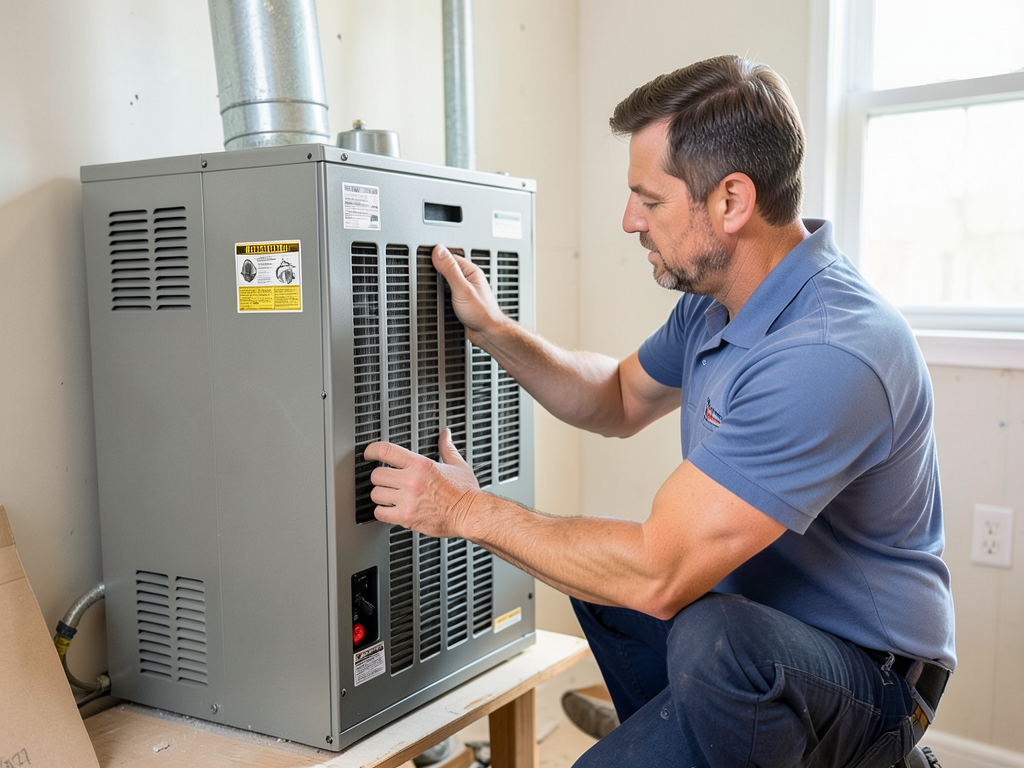
Construction dust behaves like a microscopic invader in your home. When you run your HVAC system during remodeling, it acts like a vacuum, pulling fine particles through return vents and distributing them throughout your ductwork. Drywall dust, the most problematic offender, contains gypsum and silica that settle on sensitive components. Once inside your system, this dust insulates evaporator coils, reducing heat transfer efficiency by up to 30 percent. Sawdust from cabinet installation creates similar problems, while VOCs from paints and adhesives circulate through your system, settling on internal components and degrading air quality.
The blower motor faces particular risk. Dust accumulation on motor bearings causes overheating and premature failure. In Indianapolis’s humid climate, this dust mixture creates a paste-like substance that’s even harder to remove once it settles. The cost of cleaning a contaminated system often exceeds $500, while replacing damaged components can run into thousands of dollars. Reliable Heating and Cooling Experts Serving the Broad Ripple Area.
Pre-Renovation HVAC Assessment and Preparation
Before demolition begins, schedule a professional HVAC inspection. A NATE-certified technician should examine your system for existing issues that construction could worsen. Check for loose duct connections, damaged insulation, or signs of previous contamination. Document the system’s current condition with photos of the air handler, ductwork, and outdoor unit.
Replace your air filter with a high-efficiency MERV 11 or MERV 13 filter. Standard MERV 8 filters allow construction dust to pass through. MERV 13 filters capture particles as small as 0.3 microns, including most construction dust. Keep several replacement filters on hand since they’ll clog quickly during renovation. How Much Does a New AC Unit Cost for a Standard Zionsville Home?.
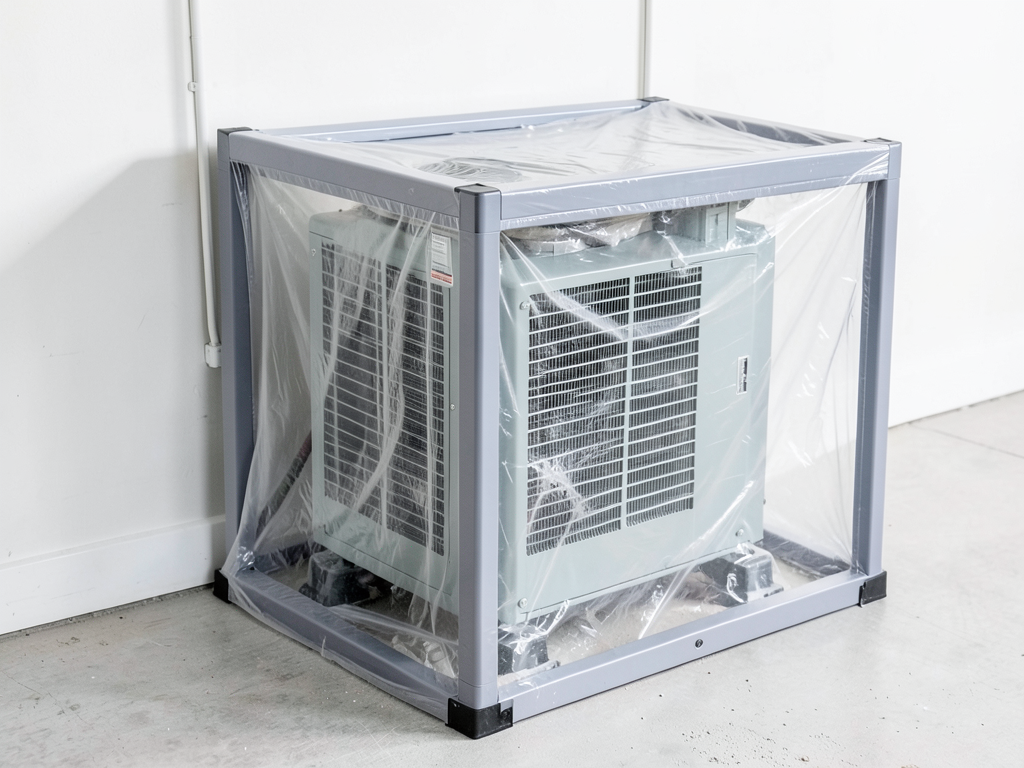
Turn off your HVAC system at the thermostat before any demolition work begins. This prevents the system from running during the dustiest phases of construction. If your project spans multiple days, consider installing a temporary dust barrier around your indoor unit using 6-mil plastic sheeting and painter’s tape.
Creating a Dust-Free Zone Around Your HVAC Components
Your indoor air handler needs protection from the construction zone. Build a temporary enclosure using PVC pipes and heavy-duty plastic sheeting. Create a frame that extends at least three feet from the unit in all directions. Secure the plastic with duct tape, ensuring no gaps exist where dust could enter.
Seal all supply and return vents in the construction area with painter’s tape and plastic. Don’t just cover the grilles—create an airtight seal that prevents dust from being pulled into the ductwork. Use blue painter’s tape to avoid damaging painted surfaces when removing the seals later.
Establish a “no-fly zone” around your outdoor condenser unit. Construction debris, including drywall dust and masonry particles, can coat condenser coils and reduce efficiency by up to 40 percent. Cover the unit with a breathable mesh cover designed for outdoor protection. Avoid using plastic directly on the unit, as it can trap moisture and cause corrosion.
Managing Your Thermostat During Construction
Running your HVAC system during high-dust activities creates a contamination nightmare. When contractors sand drywall or cut tile, airborne particles increase dramatically. Your system will pull these particles in through return vents, distributing them throughout your home and coating internal components.
Set your thermostat to “off” during dusty work phases. If you need air circulation, use the “fan only” mode with a fresh MERV 13 filter installed. This circulates air without cooling or heating, reducing the system’s dust intake while maintaining some air movement.
Monitor humidity levels during construction. Indianapolis’s summer humidity combined with construction moisture can create ideal conditions for mold growth in your ductwork. Use a hygrometer to keep indoor humidity between 30 and 50 percent. If levels rise above 60 percent, run a dehumidifier in the construction zone.
Ventilation Strategies for Kitchen Remodels
Proper ventilation during a kitchen remodel protects both your HVAC system and your indoor air quality. Install a HEPA air scrubber in the construction zone. These machines filter particles as small as 0.3 microns, capturing 99.97 percent of airborne contaminants. Position the unit near the main source of dust and run it continuously during work hours. EPA Indoor Air Quality Guidelines.
Create negative pressure in the construction area using a window fan. Set the fan to exhaust mode, pulling air from the room and preventing dust from escaping into other areas of your home. This strategy works especially well in Meridian-Kessler homes where kitchen renovations often involve opening walls to existing ductwork.
Schedule dusty tasks like sanding and demolition for the same days to minimize the total exposure time. Coordinate with your contractor to perform these activities when you can keep your HVAC system off for extended periods. This concentrated approach reduces the overall contamination risk.
Post-Construction HVAC Recovery Protocol
After construction ends, your HVAC system needs immediate attention. Start with a complete filter change—even if you’ve been changing filters regularly during the project. Construction dust penetrates filters, and a saturated filter can collapse, allowing unfiltered air into your system.
Inspect your ductwork for visible dust accumulation. Remove vent covers and shine a flashlight into the ducts. If you see dust buildup, schedule professional duct cleaning. The National Air Duct Cleaners Association recommends cleaning after major renovations, especially in older Meridian-Kessler homes where ducts may have existing contamination. National Air Duct Cleaners Association.
Have your evaporator coils professionally cleaned. Construction dust creates an insulating layer on coils that reduces efficiency and can cause freezing. A technician uses specialized coil cleaner and fin combs to restore proper heat transfer. This service typically costs $150 to $300 but can improve system efficiency by 15 to 20 percent.
Test your system’s airflow and check for unusual noises that might indicate dust-related damage. A blower motor struggling with dust buildup often produces a high-pitched whine or reduced airflow. Address these issues immediately to prevent complete motor failure.
Long-Term Protection Strategies for Indianapolis Homes
Meridian-Kessler’s historic homes present unique HVAC protection challenges. Many homes built before 1980 have ductwork in unconditioned spaces, making them more vulnerable to construction dust infiltration. Consider upgrading to sealed ductwork with mastic sealant before your next renovation. This investment prevents dust from entering the duct system through small gaps and joints.
Install a whole-house air purifier with HEPA filtration. These systems work continuously to remove particles before they enter your HVAC equipment. Look for units with MERV 16 filtration, which captures particles as small as 0.3 microns—small enough to trap most construction dust and allergens.
Schedule annual HVAC maintenance with a focus on dust removal. A professional cleaning should include blower wheel cleaning, coil inspection, and drain line clearing. In Indianapolis’s climate, where humidity accelerates dust adhesion, this maintenance becomes even more critical after any home renovation.
Consider a ductless mini-split system for future renovations. These systems don’t require extensive ductwork, eliminating a major pathway for construction dust contamination. While the upfront cost is higher, the long-term protection for your HVAC investment can be substantial.
Common Mistakes to Avoid During Kitchen Remodels
The biggest mistake homeowners make is assuming their HVAC system can handle construction dust. Running the system during demolition or sanding guarantees contamination. Another common error is using inadequate dust barriers. Standard plastic sheeting allows fine particles to escape through seams and gaps.
Don’t rely on your contractor to protect your HVAC system. While reputable contractors take precautions, their primary focus is completing the renovation. Take responsibility for your system’s protection by implementing the strategies outlined in this guide.
Avoid the temptation to save money by skipping post-construction cleaning. The cost of professional duct cleaning and coil maintenance pales compared to the expense of replacing a contaminated blower motor or cleaning severely clogged ductwork.
Never cover your outdoor unit with non-breathable materials for extended periods. While protection during active construction is essential, prolonged coverage without ventilation can trap moisture and accelerate corrosion. Use breathable mesh covers designed for HVAC protection.
Creating Your Renovation Protection Checklist
Success requires preparation and consistent execution. Create a checklist that includes pre-renovation inspection, filter replacement schedule, dust barrier installation, and post-construction cleaning tasks. Share this checklist with your contractor and HVAC technician to ensure everyone understands their role in protecting your system. Affordable HVAC Replacement Options for Families in Noblesville.
Document everything with photos and notes. This documentation helps identify contamination sources if problems arise and provides valuable information for future maintenance. Keep records of filter changes, cleaning services, and any unusual system behavior during the renovation. The Best AC Repair Services in Carmel for Modern Subdivisions.
Consider investing in air quality monitors that track particulate matter in real-time. These devices alert you when dust levels spike, allowing you to take immediate action to protect your HVAC system. Some monitors integrate with smart home systems, automatically adjusting your HVAC operation based on air quality readings.
Your kitchen remodel represents a significant investment in your Meridian-Kessler home. Protecting your HVAC system during this process safeguards that investment and ensures your comfort for years to come. The small upfront effort of implementing these protection strategies prevents costly repairs and maintains your home’s air quality throughout the renovation process.
Frequently Asked Questions
How long should I keep my HVAC system off during kitchen remodeling?
Keep your system off during active dusty work like demolition, sanding, and cutting. For a typical kitchen remodel, this means 2-4 hours per day during active construction phases. Run the system during non-working hours if needed for comfort, but always with a fresh MERV 13 filter installed.
Can construction dust damage my HVAC warranty?
Yes. Most HVAC manufacturers void warranties for damage caused by neglect or improper maintenance. Construction dust damage falls under this category. Document your protection efforts and post-construction cleaning to support any warranty claims related to renovation-related issues.
What’s the difference between MERV 11 and MERV 13 filters for construction dust?
MERV 13 filters capture 90 percent of particles between 1 and 3 microns, while MERV 11 filters capture only 65 percent of these particles. Construction dust typically ranges from 0.5 to 10 microns, making MERV 13 significantly more effective at protecting your system during renovations.
How do I know if my ductwork needs professional cleaning after remodeling?
Check for visible dust around supply vents, reduced airflow, unusual system noises, or persistent dust accumulation in your home despite regular cleaning. If you notice any of these signs, professional duct cleaning is recommended. Homes in Meridian-Kessler with older ductwork are particularly susceptible to construction dust infiltration.
Should I upgrade my HVAC system before a major kitchen remodel?
If your system is over 10 years old or showing signs of reduced efficiency, consider upgrading before renovation. New systems handle construction dust better and often include enhanced filtration options. Plus, a kitchen remodel is an ideal time to integrate HVAC upgrades since walls and ceilings are already open.
What should I do if my HVAC system was running during dusty construction work?
Immediately replace the filter, then schedule a professional inspection within 48 hours. The technician should check for dust accumulation on coils, blower wheels, and in ductwork. Early intervention prevents minor contamination from becoming major system damage.
Call (317) 688-8818 today to schedule your pre-renovation HVAC inspection and protect your system before construction begins.
{
“@context”: “https://schema.org”,
“@type”: “BlogPosting”,
“headline”: “How to Protect Your HVAC System During a Kitchen Remodel in Your Meridian-Kessler Home”,
“description”: “Learn how to protect your HVAC system during a kitchen remodel in Meridian-Kessler. Expert tips from Indianapolis HVAC specialists to prevent costly damage.”,
“wordCount”: 1929,
“datePublished”: “2026-05-03T08:27:00.000Z”,
“dateModified”: “2026-05-03T08:27:00.000Z”,
“inLanguage”: “en-US”,
“mainEntityOfPage”: {
“@type”: “WebPage”,
“@id”: “https://reliancehvacindianapolis.com”
},
“publisher”: {
“@type”: “LocalBusiness”,
“name”: “Reliance HVAC Indianapolis”,
“url”: “https://reliancehvacindianapolis.com”
},
“author”: {
“@type”: “Organization”,
“name”: “Reliance HVAC Indianapolis”,
“url”: “https://reliancehvacindianapolis.com”
},
“image”: {
“@type”: “ImageObject”,
“url”: “https://reliancehvacindianapolis.com/wp-content/uploads/2026/03/how-to-protect-your-hvac-system-during-a-kitchen-r-1.png”
}
}
{
“@context”: “https://schema.org”,
“@type”: “HVACBusiness”,
“name”: “Reliance HVAC Indianapolis”,
“url”: “https://reliancehvacindianapolis.com”,
“address”: {
“@type”: “PostalAddress”,
“addressLocality”: “Indianapolis”
},
“areaServed”: {
“@type”: “City”,
“name”: “Indianapolis”
}
}
{
“@context”: “https://schema.org”,
“@type”: “FAQPage”,
“mainEntity”: [
{
“@type”: “Question”,
“name”: “How long should I keep my HVAC system off during kitchen remodeling?”,
“acceptedAnswer”: {
“@type”: “Answer”,
“text”: “Keep your system off during active dusty work like demolition, sanding, and cutting. For a typical kitchen remodel, this means 2-4 hours per day during active construction phases. Run the system during non-working hours if needed for comfort, but always with a fresh MERV 13 filter installed.”
}
},
{
“@type”: “Question”,
“name”: “Can construction dust damage my HVAC warranty?”,
“acceptedAnswer”: {
“@type”: “Answer”,
“text”: “Yes. Most HVAC manufacturers void warranties for damage caused by neglect or improper maintenance. Construction dust damage falls under this category. Document your protection efforts and post-construction cleaning to support any warranty claims related to renovation-related issues.”
}
},
{
“@type”: “Question”,
“name”: “What’s the difference between MERV 11 and MERV 13 filters for construction dust?”,
“acceptedAnswer”: {
“@type”: “Answer”,
“text”: “MERV 13 filters capture 90 percent of particles between 1 and 3 microns, while MERV 11 filters capture only 65 percent of these particles. Construction dust typically ranges from 0.5 to 10 microns, making MERV 13 significantly more effective at protecting your system during renovations.”
}
},
{
“@type”: “Question”,
“name”: “How do I know if my ductwork needs professional cleaning after remodeling?”,
“acceptedAnswer”: {
“@type”: “Answer”,
“text”: “Check for visible dust around supply vents, reduced airflow, unusual system noises, or persistent dust accumulation in your home despite regular cleaning. If you notice any of these signs, professional duct cleaning is recommended. Homes in Meridian-Kessler with older ductwork are particularly susceptible to construction dust infiltration.”
}
},
{
“@type”: “Question”,
“name”: “Should I upgrade my HVAC system before a major kitchen remodel?”,
“acceptedAnswer”: {
“@type”: “Answer”,
“text”: “If your system is over 10 years old or showing signs of reduced efficiency, consider upgrading before renovation. New systems handle construction dust better and often include enhanced filtration options. Plus, a kitchen remodel is an ideal time to integrate HVAC upgrades since walls and ceilings are already open.”
}
},
{
“@type”: “Question”,
“name”: “What should I do if my HVAC system was running during dusty construction work?”,
“acceptedAnswer”: {
“@type”: “Answer”,
“text”: “Immediately replace the filter, then schedule a professional inspection within 48 hours. The technician should check for dust accumulation on coils, blower wheels, and in ductwork. Early intervention prevents minor contamination from becoming major system damage.”
}
}
]
}
{
“@context”: “https://schema.org”,
“@type”: “BreadcrumbList”,
“itemListElement”: [
{
“@type”: “ListItem”,
“position”: 1,
“name”: “Home”,
“item”: “https://reliancehvacindianapolis.com”
},
{
“@type”: “ListItem”,
“position”: 2,
“name”: “Blog”,
“item”: “https://reliancehvacindianapolis.com/blog”
},
{
“@type”: “ListItem”,
“position”: 3,
“name”: “How to Protect Your HVAC System During a Kitchen Remodel in Your Meridian-Kessler Home”
}
]
}
{
“@context”: “https://schema.org”,
“@type”: “Service”,
“serviceType”: “HVAC”,
“provider”: {
“@type”: “LocalBusiness”,
“name”: “Reliance HVAC Indianapolis”,
“url”: “https://reliancehvacindianapolis.com”
},
“areaServed”: {
“@type”: “City”,
“name”: “Indianapolis”
},
“description”: “Learn how to protect your HVAC system during a kitchen remodel in Meridian-Kessler. Expert tips from Indianapolis HVAC specialists to prevent costly damage.”
}