
Hardwood Floors in Zionsville Homes Are Under Attack from Indiana’s Humidity Rollercoaster
Your beautiful hardwood floors in Zionsville are silently suffering from Indiana’s brutal humidity swings. In July, outdoor dew points can hit 75°F, pushing indoor humidity above 70%. By January, furnace heat can drop indoor relative humidity below 20%. This 50-point swing is like subjecting your floors to a desert-to-rainforest cycle every year. How Much Does a New AC Unit Cost for a Standard Zionsville Home?.
Wood is hygroscopic, meaning it absorbs and releases moisture like a sponge. When humidity rises, wood cells expand. When it drops, they contract. This constant movement causes cupping, crowning, and gapping that can destroy thousands in flooring value. The National Wood Flooring Association recommends maintaining indoor relative humidity between 35% and 55% to prevent damage. National Wood Flooring Association.
Understanding this relationship between your HVAC system and hardwood health is the first step to protecting your investment. Let’s explore how to stop the damage before it starts.
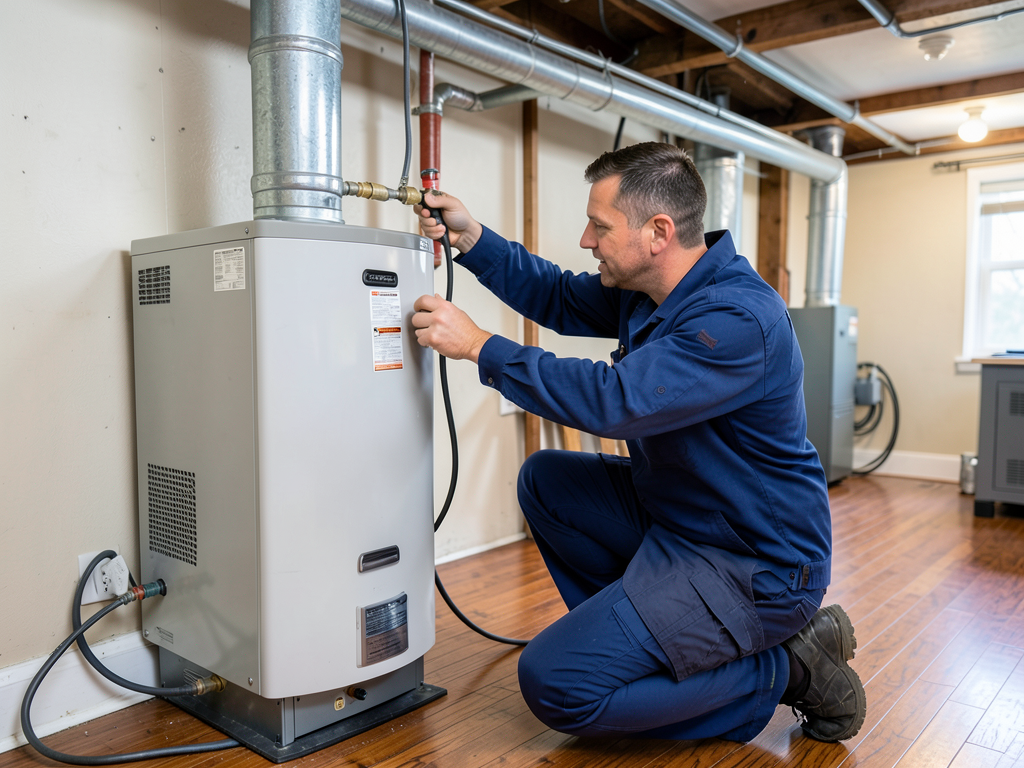
The Science: Why Wood Moves Like a Sponge in Zionsville Homes
Wood’s cellular structure makes it incredibly sensitive to moisture changes. Each wood cell contains hollow tubes that expand when they absorb water and contract when they release it. This process is called dimensional instability, and it’s governed by a principle called Equilibrium Moisture Content (EMC).
EMC is the moisture level where wood stops gaining or losing moisture because it’s in balance with the surrounding air. In Zionsville’s climate zone 5, outdoor air in summer might have an EMC of 12%, while heated winter air can drop to 4%. Your hardwood floors are constantly trying to reach these different EMC levels.
Different wood species react differently. Oak, common in Zionsville homes, typically moves 0.5% in width for every 1% change in moisture content. Hickory moves even more. This means a 5-inch oak board can expand or contract nearly 1/8 inch between summer and winter without proper humidity control.
The rate of change matters too. Rapid humidity swings cause more stress than gradual changes. A sudden cold snap that turns on your furnace can drop humidity 20 points in 24 hours, creating immediate stress on your flooring system. Furnace Blowing Cold Air.
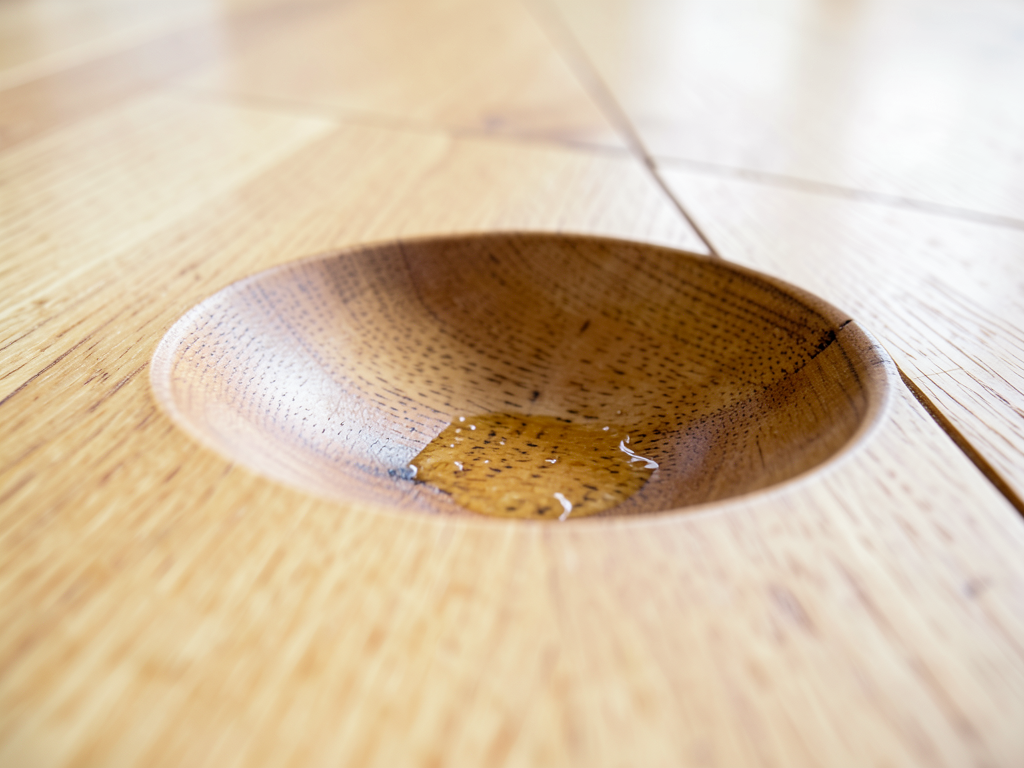
Recognizing Humidity Damage: Cupping vs. Crowning vs. Gapping
Understanding the symptoms helps you catch problems early. Each type of moisture-related damage tells a different story about what’s happening in your home.
Cupping appears when the edges of floorboards rise higher than the center, creating a concave shape. This happens when the bottom of the board gains moisture while the top stays dry. Common causes include high basement humidity, plumbing leaks, or inadequate vapor barriers under crawlspaces.. Read more about Eliminating Crawl Space Moisture and Musty Smells in Your Forest Manor Ranch.
Crowning is the opposite, with the center of the board higher than the edges. This occurs when the top surface gains moisture while the bottom stays dry. Steam from kitchens, bathrooms without proper ventilation, or placing plants directly on wood floors can cause crowning.. Read more about Why Steam Humidifiers are the Better Choice for Large Wynnedale Estates.
Gapping shows up as visible spaces between floorboards, typically in winter. This happens when dry air pulls moisture from the wood, causing it to shrink. While some seasonal gapping is normal, excessive gaps wider than a quarter-inch indicate your humidity is too low. Excess Dust in Home.
Beyond these visible signs, listen for creaking sounds as boards rub together during humidity changes. Feel for soft spots that might indicate moisture has compromised the subfloor. These early warning signs can prevent thousands in repair costs. EPA Indoor Air Quality.
The Sweet Spot: Ideal Humidity Levels for Zionsville Hardwood Protection
The National Wood Flooring Association establishes 35% to 55% relative humidity as the safe range for hardwood floors. However, consistency matters more than hitting an exact number. Wood can adapt to different humidity levels as long as changes happen gradually.
In Zionsville, this means your HVAC system needs to work year-round. Summer requires dehumidification to prevent cupping and mold growth. Winter demands humidification to prevent gapping and static electricity that can damage electronics and irritate sinuses.
A quality hygrometer placed away from direct sunlight and drafts helps monitor conditions. Smart thermostats with humidity sensors provide real-time data and can trigger HVAC adjustments automatically. Some models integrate with humidifiers and dehumidifiers for seamless control.
Temperature affects humidity perception too. At 70°F, 50% relative humidity feels comfortable. At 80°F, the same 50% can feel sticky. Your HVAC system must balance temperature and humidity for both comfort and floor protection.
How HVAC Systems Become Your Floor’s Best Defense
Your air conditioner does more than cool air, it’s your primary summer dehumidifier. As warm, humid air passes over the cold evaporator coil, moisture condenses and drains away. However, standard AC units often can’t handle Zionsville’s extreme summer humidity without help.
Whole-home dehumidifiers work alongside your AC to maintain optimal humidity levels. These units can remove 70-100 pints of moisture daily, keeping your home in the 45-50% range even during August’s worst humidity. They’re especially important for basements and homes with crawlspaces common in older Zionsville neighborhoods.
Winter requires the opposite approach. Standard furnaces dry air as they heat it, often dropping humidity below 20%. Steam humidifiers inject pure water vapor directly into your ductwork, while bypass humidifiers use the furnace’s heat to evaporate water. Fan-powered humidifiers work independently of your furnace for year-round control.
Modern systems include outdoor sensors that adjust indoor humidity based on outdoor temperature. This prevents condensation on windows during cold snaps while maintaining floor-safe humidity levels.. Read more about Why Your AC Condensation Line and Sump Pump Need to Stay Separate in Your Greenwood Home.
Localized Advice for Zionsville Homeowners: Crawlspace and Basement Considerations
Zionsville’s mix of historic homes and new construction creates unique humidity challenges. Many homes built before 1980 have crawlspaces with dirt floors that act like moisture pumps, releasing gallons of water vapor into your home daily.
Encapsulating crawlspaces with heavy-duty vapor barriers can reduce moisture transmission by 90%. Combined with dedicated dehumidifiers, this approach protects both your floors and your home’s structural integrity. The Indiana Residential Code now requires vapor barriers in new construction, but many existing homes lack this protection.
Basements present different challenges. Clay soil common in Hamilton County holds moisture against foundation walls. Proper grading, functional gutters, and exterior waterproofing prevent moisture intrusion. Interior solutions include perimeter drains and sump pumps integrated with your HVAC humidity control strategy.
Smart ventilation systems can exchange humid indoor air with drier outdoor air when conditions are right. In spring and fall, these systems can maintain optimal humidity without running your AC or furnace, saving energy while protecting your floors.
Smart Thermostats and Humidity Monitoring: The High-Tech Shield
Modern smart thermostats do more than schedule temperatures. Models like the Ecobee and Nest include humidity sensors and can integrate with whole-home humidifiers and dehumidifiers. They learn your home’s patterns and adjust automatically to maintain optimal conditions.
Remote monitoring lets you check conditions while traveling. Some systems send alerts when humidity goes outside your target range, allowing you to address problems before damage occurs. Integration with weather forecasts helps predict and prepare for humidity swings.
Professional-grade monitoring systems include multiple sensors throughout your home. This helps identify problem areas like sunrooms that overheat or basements that stay too humid. Data logging shows humidity trends over time, helping you understand seasonal patterns and system performance.
Consider systems that monitor both temperature and humidity. Many smart devices display this information on their main screen or through smartphone apps. Some even integrate with voice assistants for hands-free control.
Call (317) 688-8818 Today to Schedule Your Inspection
Don’t wait until you see cupping or gapping in your hardwood floors. A professional HVAC inspection can identify humidity control issues before they cause expensive damage. Our technicians use specialized tools to measure your home’s actual humidity levels and recommend solutions tailored to your specific situation.
We serve Zionsville and all surrounding Indianapolis communities with rapid response times. Whether you need a whole-home dehumidifier for summer or a steam humidifier for winter, we’ll help you find the right solution to protect your investment.
Pick up the phone and call (317) 688-8818 before the next humidity swing hits. Your floors will thank you.
Frequently Asked Questions
How quickly can humidity damage hardwood floors?
Significant damage can occur within weeks of exposure to extreme humidity. Rapid changes are more damaging than gradual shifts. A sudden drop from 60% to 20% humidity can cause immediate gapping, while sustained high humidity above 65% leads to cupping and potential mold growth.
Can I use portable humidifiers and dehumidifiers instead of whole-home systems?
Portable units can help but rarely provide the consistent control needed for floor protection. They require frequent maintenance, can be noisy, and may create hot or cold spots. Whole-home systems integrate with your HVAC for automatic, even distribution throughout your home.
What’s the cost difference between fixing damaged floors versus installing humidity control?
Floor replacement for a 1,000 square foot area typically costs $8,000-$15,000. Installing a whole-home humidity control system runs $2,000-$4,000. The HVAC investment often pays for itself by preventing a single floor damage incident while providing year-round comfort benefits. Affordable HVAC Replacement Options for Families in Noblesville.
Do newer homes have better humidity control than older Zionsville homes?
Newer homes often include better vapor barriers and tighter construction, but they can still suffer from humidity issues. Many modern HVAC systems include humidity control, but proper sizing and installation are crucial. Older homes may need more comprehensive solutions like crawlspace encapsulation.
How do I know if my current HVAC system is properly controlling humidity?
Professional testing with a hygrometer provides accurate readings. Signs of poor control include condensation on windows in winter, musty odors in summer, static electricity in winter, and visible floor damage. Smart thermostats with humidity sensors can help monitor conditions between professional inspections.
{
“@context”: “https://schema.org”,
“@type”: “BlogPosting”,
“headline”: “Protecting Your Expensive Hardwood Floors from Extreme Humidity Swings in Zionsville”,
“description”: “Hardwood floors in Zionsville homes are at risk from Indiana’s wild humidity swings. Learn how HVAC systems can protect your investment from cupping, gapping, and costly damage.”,
“wordCount”: 1608,
“datePublished”: “2026-05-10T13:25:00.000Z”,
“dateModified”: “2026-05-10T13:25:00.000Z”,
“inLanguage”: “en-US”,
“mainEntityOfPage”: {
“@type”: “WebPage”,
“@id”: “https://reliancehvacindianapolis.com”
},
“publisher”: {
“@type”: “LocalBusiness”,
“name”: “Reliance HVAC Indianapolis”,
“url”: “https://reliancehvacindianapolis.com”
},
“author”: {
“@type”: “Organization”,
“name”: “Reliance HVAC Indianapolis”,
“url”: “https://reliancehvacindianapolis.com”
},
“image”: {
“@type”: “ImageObject”,
“url”: “https://reliancehvacindianapolis.com/wp-content/uploads/2026/03/protecting-your-expensive-hardwood-floors-from-ext-1.png”
}
}
{
“@context”: “https://schema.org”,
“@type”: “HVACBusiness”,
“name”: “Reliance HVAC Indianapolis”,
“url”: “https://reliancehvacindianapolis.com”,
“address”: {
“@type”: “PostalAddress”,
“addressLocality”: “Indianapolis”
},
“areaServed”: {
“@type”: “City”,
“name”: “Indianapolis”
}
}
{
“@context”: “https://schema.org”,
“@type”: “FAQPage”,
“mainEntity”: [
{
“@type”: “Question”,
“name”: “How quickly can humidity damage hardwood floors?”,
“acceptedAnswer”: {
“@type”: “Answer”,
“text”: “Significant damage can occur within weeks of exposure to extreme humidity. Rapid changes are more damaging than gradual shifts. A sudden drop from 60% to 20% humidity can cause immediate gapping, while sustained high humidity above 65% leads to cupping and potential mold growth.”
}
},
{
“@type”: “Question”,
“name”: “Can I use portable humidifiers and dehumidifiers instead of whole-home systems?”,
“acceptedAnswer”: {
“@type”: “Answer”,
“text”: “Portable units can help but rarely provide the consistent control needed for floor protection. They require frequent maintenance, can be noisy, and may create hot or cold spots. Whole-home systems integrate with your HVAC for automatic, even distribution throughout your home.”
}
},
{
“@type”: “Question”,
“name”: “What’s the cost difference between fixing damaged floors versus installing humidity control?”,
“acceptedAnswer”: {
“@type”: “Answer”,
“text”: “Floor replacement for a 1,000 square foot area typically costs $8,000-$15,000. Installing a whole-home humidity control system runs $2,000-$4,000. The HVAC investment often pays for itself by preventing a single floor damage incident while providing year-round comfort benefits. Affordable HVAC Replacement Options for Families in Noblesville.”
}
},
{
“@type”: “Question”,
“name”: “Do newer homes have better humidity control than older Zionsville homes?”,
“acceptedAnswer”: {
“@type”: “Answer”,
“text”: “Newer homes often include better vapor barriers and tighter construction, but they can still suffer from humidity issues. Many modern HVAC systems include humidity control, but proper sizing and installation are crucial. Older homes may need more comprehensive solutions like crawlspace encapsulation.”
}
}
]
}
{
“@context”: “https://schema.org”,
“@type”: “BreadcrumbList”,
“itemListElement”: [
{
“@type”: “ListItem”,
“position”: 1,
“name”: “Home”,
“item”: “https://reliancehvacindianapolis.com”
},
{
“@type”: “ListItem”,
“position”: 2,
“name”: “Blog”,
“item”: “https://reliancehvacindianapolis.com/blog”
},
{
“@type”: “ListItem”,
“position”: 3,
“name”: “Protecting Your Expensive Hardwood Floors from Extreme Humidity Swings in Zionsville”
}
]
}
{
“@context”: “https://schema.org”,
“@type”: “Service”,
“serviceType”: “HVAC”,
“provider”: {
“@type”: “LocalBusiness”,
“name”: “Reliance HVAC Indianapolis”,
“url”: “https://reliancehvacindianapolis.com”
},
“areaServed”: {
“@type”: “City”,
“name”: “Indianapolis”
},
“description”: “Hardwood floors in Zionsville homes are at risk from Indiana’s wild humidity swings. Learn how HVAC systems can protect your investment from cupping, gapping, and costly damage.”
}