
Do UV Lights Actually Kill Bacteria in Your Noblesville HVAC System?
Persistent allergies, musty odors, or visible mold in your Noblesville home signal a common problem. Central Indiana’s humid summers and tightly sealed modern homes create perfect conditions for bacteria and mold to thrive inside HVAC systems. Ultraviolet germicidal irradiation technology has been proven effective at neutralizing these biological contaminants. But does it actually work in your Noblesville home’s specific environment? Let’s examine the science, local conditions, and real-world performance of UV lights in HVAC systems.
How UV-C Light Kills Bacteria
UV-C light operates at a specific wavelength of 254 nanometers that disrupts the DNA and RNA of microorganisms. When bacteria, viruses, or mold spores pass through this intense light field, their cellular structure breaks down, preventing reproduction and causing cell death. This process happens within seconds of exposure and works on a wide range of pathogens including E. coli, Legionella, and common mold species.
The effectiveness depends on several factors: the intensity of the UV-C light, the duration of exposure, and whether the microorganisms have direct line of sight to the light source. Most residential HVAC UV systems produce between 8,000 to 14,000 microwatts per square centimeter at the lamp surface, which is sufficient to achieve a 99.9% kill rate on common bacteria within the typical air handling system.
Two Types of UV Systems for Your Noblesville Home
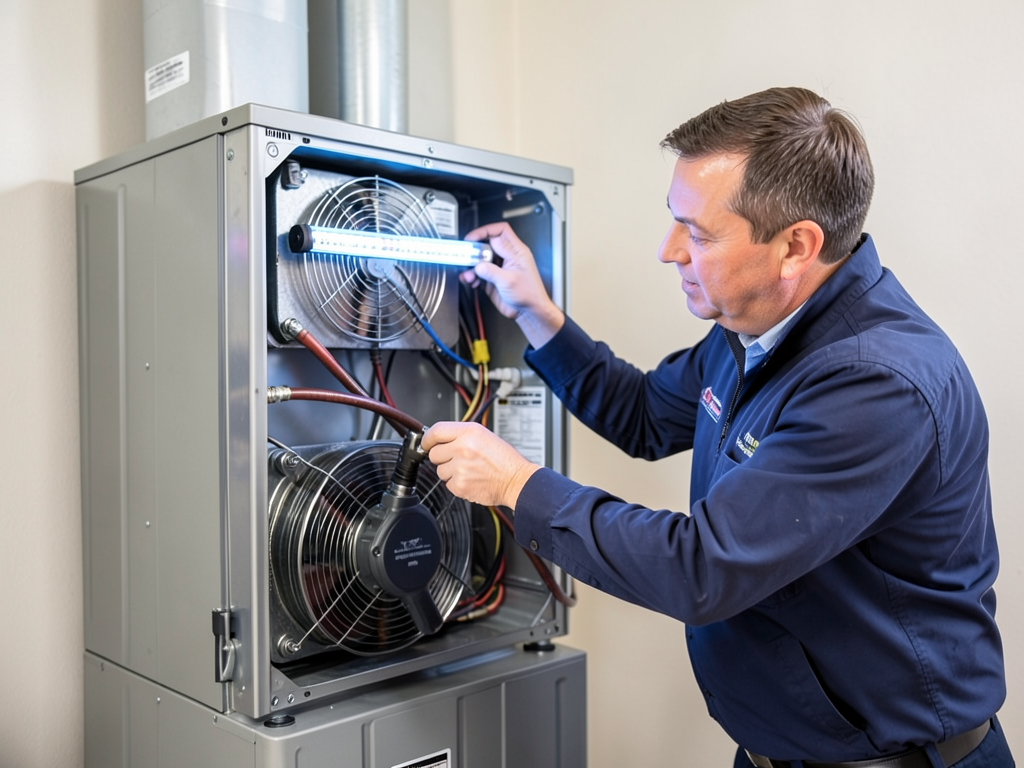
Coil sterilization systems mount inside your air handler near the evaporator coil. These lights run continuously and prevent biofilm and mold growth on the coil surfaces. This is particularly important in Noblesville where summer humidity often exceeds 70%, creating ideal conditions for biological growth on cooling coils.
Air stream disinfection systems install in the ductwork and treat the air as it passes through. These operate only when your system runs and can treat larger volumes of air. For most Noblesville homes with standard forced-air systems, coil sterilization provides the best return on investment since it prevents the primary breeding ground for bacteria in your HVAC system. How Much Does a New AC Unit Cost for a Standard Zionsville Home?.
Local Climate Factors That Make UV Lights Worthwhile
Noblesville’s humid continental climate creates unique challenges for indoor air quality. Summer humidity levels routinely climb above 70%, and when combined with the cool surfaces of evaporator coils, condensation creates persistent moisture that promotes mold growth. The Indiana State Department of Health reports that mold-related respiratory complaints increase significantly during July and August when humidity peaks. EPA ozone generator information.
Additionally, Noblesville’s older neighborhoods like those near the historic downtown area often have homes with less-than-perfect ductwork sealing. This allows dust, pollen, and outdoor contaminants to enter the system, providing additional food sources for bacteria. The combination of moisture and nutrients creates a perfect storm for biological contamination that UV lights can effectively address.
Real Benefits You’ll Notice in Your Home
Most Noblesville homeowners report noticeable improvements within 24 to 48 hours of UV light installation. The musty odors that often emanate from vents disappear as the biological growth on coils is neutralized. Allergy sufferers typically experience fewer symptoms as airborne bacteria and mold spores are reduced by 90% or more.
Your HVAC system also runs more efficiently. A clean evaporator coil maintains proper heat transfer, which can improve cooling efficiency by 5-15%. This translates to lower utility bills during Noblesville’s hot summers when your AC runs constantly. The system also experiences less strain, potentially extending the life of your equipment by preventing the buildup of biofilm that restricts airflow.
Installation and Maintenance Requirements
Professional installation is essential for UV light systems. The lights must be positioned correctly to ensure maximum exposure to both the coil and airflow. A NATE-certified technician will mount the unit securely, run the electrical connections safely, and verify that the light coverage pattern matches your specific air handler configuration.
UV bulbs lose effectiveness over time and typically need replacement every 12 to 24 months. The gradual dimming isn’t visible to the naked eye, but effectiveness can drop by 50% after the first year. Annual maintenance during your HVAC tune-up ensures your system continues providing optimal air purification. The replacement bulbs cost between $80 to $150 depending on the system size and brand. Affordable HVAC Replacement Options for Families in Noblesville.
Safety Considerations and Ozone Production
Modern UV-C systems for HVAC use are designed to be completely safe when properly installed. The lights are enclosed within the air handler or ductwork, preventing any direct exposure to occupants. However, some older or cheaper UV lamps can produce ozone as a byproduct, which can irritate lungs and create additional air quality problems.
Always specify ozone-free lamps for residential installations. These use a quartz glass that blocks the 185nm wavelength responsible for ozone production while still allowing the germicidal 254nm wavelength to pass through. This ensures you’re solving air quality problems without creating new ones. The EPA recommends checking for ozone certification when selecting any UV air purification system.
Cost-Benefit Analysis for Noblesville Homeowners
The initial investment for a professional UV light installation typically ranges from $400 to $800, depending on your system configuration and whether you choose coil sterilization or air stream disinfection. When you factor in the annual bulb replacement cost of $80 to $150, the first-year investment is around $500 to $950.
However, the benefits often offset these costs. Improved efficiency can save $50 to $150 annually on cooling bills. Reduced maintenance needs and extended equipment life can save hundreds more over the system’s lifespan. Most importantly, the health benefits of reduced exposure to bacteria and mold spores are difficult to quantify but significant for families with respiratory issues or young children.
Common Misconceptions About UV Lights
Some homeowners believe UV lights can replace air filters or solve all indoor air quality problems. This isn’t true. UV lights are excellent at neutralizing biological contaminants but don’t remove dust, pet dander, or chemical pollutants. You’ll still need high-quality air filters with a MERV rating of 8 or higher for comprehensive air quality management.
Another misconception is that UV lights work immediately. While they begin neutralizing bacteria on contact, it takes several hours of system operation for the existing biofilm on coils to be completely eliminated. You might notice gradual improvements over a few days rather than instant results.
Is UV Light Installation Right for Your Home?
UV lights provide the most benefit for homes with specific conditions: persistent musty odors from vents, visible mold around AC registers, family members with allergies or respiratory issues, or homes in particularly humid areas of Noblesville. If your home is relatively new with good humidity control and no air quality complaints, the investment might not be necessary.
The best way to determine if UV lights are right for your home is through a professional indoor air quality assessment. A technician can measure humidity levels, inspect your current system for signs of biological growth, and evaluate your specific needs based on your home’s age, location, and your family’s health concerns.
Frequently Asked Questions
Do UV lights use a lot of electricity?
No. A typical HVAC UV light system uses about 25 to 60 watts, similar to a standard light bulb. Running continuously for a month costs approximately $2 to $5 in electricity, making the energy consumption negligible compared to the benefits.
Can I install UV lights myself?
We strongly recommend professional installation. UV lights involve electrical work inside your HVAC system and must be positioned correctly for effectiveness. Improper installation can damage your system, void warranties, or create safety hazards. A certified technician ensures proper mounting, wiring, and optimal light coverage.
How long do UV light bulbs last?
UV-C bulbs typically last 12 to 24 months, but their effectiveness decreases gradually over time. Most manufacturers recommend annual replacement to maintain optimal performance. Your HVAC technician can check bulb intensity during routine maintenance and replace them before they lose effectiveness.
Will UV lights eliminate all mold in my home?
UV lights in your HVAC system primarily address mold and bacteria within the air handling unit and ductwork. They won’t eliminate mold growing on bathroom surfaces, windows, or other areas of your home. However, by preventing mold growth in your HVAC system, they stop one major source of airborne spores.
Take Control of Your Indoor Air Quality Today
Don’t let bacteria and mold compromise your family’s health and comfort. Noblesville’s humid climate makes your HVAC system particularly vulnerable to biological contamination, but UV light technology offers a proven solution. The combination of scientific effectiveness and local climate benefits makes this a smart investment for many homeowners.
Call (317) 688-8818 today to schedule your indoor air quality assessment. Our NATE-certified technicians will evaluate your specific situation and recommend the right UV light system for your home. We serve all of Noblesville and the greater Indianapolis area with rapid response times and expert installation. Stop wondering if UV lights work and start breathing cleaner, healthier air in your home. For more information, visit CDC mold information. For more information, visit ASHRAE standards.
{
“@context”: “https://schema.org”,
“@type”: “BlogPosting”,
“headline”: “Do UV Lights Actually Kill Bacteria in Your Noblesville HVAC System?”,
“description”: “Discover if UV lights really kill bacteria in Noblesville HVAC systems. Learn about local climate effects, installation costs, and proven effectiveness for cleaner indoor air.”,
“wordCount”: 1507,
“datePublished”: “2026-03-15T08:05:00.000Z”,
“dateModified”: “2026-03-15T08:05:00.000Z”,
“inLanguage”: “en-US”,
“mainEntityOfPage”: {
“@type”: “WebPage”,
“@id”: “https://reliancehvacindianapolis.com”
},
“publisher”: {
“@type”: “LocalBusiness”,
“name”: “Reliance HVAC Indianapolis”,
“url”: “https://reliancehvacindianapolis.com”
},
“author”: {
“@type”: “Organization”,
“name”: “Reliance HVAC Indianapolis”,
“url”: “https://reliancehvacindianapolis.com”
},
“image”: {
“@type”: “ImageObject”,
“url”: “https://reliancehvacindianapolis.com/wp-content/uploads/2026/03/do-uv-lights-actually-kill-bacteria-in-your-nobles-1.png”
}
}
{
“@context”: “https://schema.org”,
“@type”: “HVACBusiness”,
“name”: “Reliance HVAC Indianapolis”,
“url”: “https://reliancehvacindianapolis.com”,
“address”: {
“@type”: “PostalAddress”,
“addressLocality”: “Indianapolis”
},
“areaServed”: {
“@type”: “City”,
“name”: “Indianapolis”
}
}
{
“@context”: “https://schema.org”,
“@type”: “FAQPage”,
“mainEntity”: [
{
“@type”: “Question”,
“name”: “Is UV Light Installation Right for Your Home?”,
“acceptedAnswer”: {
“@type”: “Answer”,
“text”: “UV lights provide the most benefit for homes with specific conditions: persistent musty odors from vents, visible mold around AC registers, family members with allergies or respiratory issues, or homes in particularly humid areas of Noblesville. If your home is relatively new with good humidity control and no air quality complaints, the investment might not be necessary.”
}
},
{
“@type”: “Question”,
“name”: “Do UV lights use a lot of electricity?”,
“acceptedAnswer”: {
“@type”: “Answer”,
“text”: “No. A typical HVAC UV light system uses about 25 to 60 watts, similar to a standard light bulb. Running continuously for a month costs approximately $2 to $5 in electricity, making the energy consumption negligible compared to the benefits.”
}
},
{
“@type”: “Question”,
“name”: “Can I install UV lights myself?”,
“acceptedAnswer”: {
“@type”: “Answer”,
“text”: “We strongly recommend professional installation. UV lights involve electrical work inside your HVAC system and must be positioned correctly for effectiveness. Improper installation can damage your system, void warranties, or create safety hazards. A certified technician ensures proper mounting, wiring, and optimal light coverage.”
}
},
{
“@type”: “Question”,
“name”: “How long do UV light bulbs last?”,
“acceptedAnswer”: {
“@type”: “Answer”,
“text”: “UV-C bulbs typically last 12 to 24 months, but their effectiveness decreases gradually over time. Most manufacturers recommend annual replacement to maintain optimal performance. Your HVAC technician can check bulb intensity during routine maintenance and replace them before they lose effectiveness.”
}
},
{
“@type”: “Question”,
“name”: “Will UV lights eliminate all mold in my home?”,
“acceptedAnswer”: {
“@type”: “Answer”,
“text”: “UV lights in your HVAC system primarily address mold and bacteria within the air handling unit and ductwork. They won’t eliminate mold growing on bathroom surfaces, windows, or other areas of your home. However, by preventing mold growth in your HVAC system, they stop one major source of airborne spores.”
}
}
]
}
{
“@context”: “https://schema.org”,
“@type”: “BreadcrumbList”,
“itemListElement”: [
{
“@type”: “ListItem”,
“position”: 1,
“name”: “Home”,
“item”: “https://reliancehvacindianapolis.com”
},
{
“@type”: “ListItem”,
“position”: 2,
“name”: “Blog”,
“item”: “https://reliancehvacindianapolis.com/blog”
},
{
“@type”: “ListItem”,
“position”: 3,
“name”: “Do UV Lights Actually Kill Bacteria in Your Noblesville HVAC System?”
}
]
}
{
“@context”: “https://schema.org”,
“@type”: “Service”,
“serviceType”: “HVAC”,
“provider”: {
“@type”: “LocalBusiness”,
“name”: “Reliance HVAC Indianapolis”,
“url”: “https://reliancehvacindianapolis.com”
},
“areaServed”: {
“@type”: “City”,
“name”: “Indianapolis”
},
“description”: “Discover if UV lights really kill bacteria in Noblesville HVAC systems. Learn about local climate effects, installation costs, and proven effectiveness for cleaner indoor air.”
}