
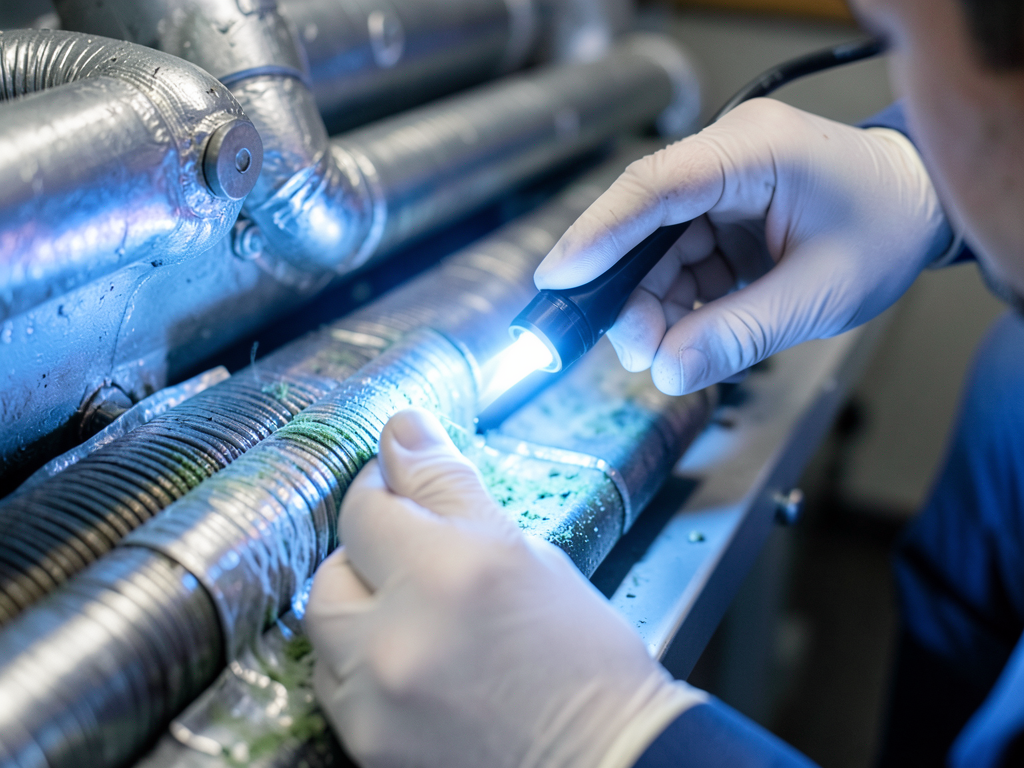
Eliminating Indoor Mildew Smells from Your Broad Ripple Cooling System
If your air conditioner smells like mildew or dirty socks you are not alone. Many homeowners in Broad Ripple face this problem during Indiana’s humid summers. The musty odor comes from biological growth inside your AC system often caused by moisture buildup on evaporator coils and in the condensate drain pan. This guide explains why your AC smells how to fix it yourself and when to call professionals for thorough cleaning and prevention.
What Causes That ‘Dirty Sock’ Smell in Your AC?
The technical term for this problem is “Dirty Sock Syndrome” – a condition where bacteria and mold grow on your evaporator coil and in the condensate drain pan. When your AC runs condensation forms on the cold coil creating a perfect environment for microbial growth. As air passes over these contaminated surfaces it picks up the musty odor and distributes it throughout your home.
Broad Ripple’s location near the White River and its older housing stock make this problem especially common. Many homes in the area were built before modern building codes required proper condensate drainage systems. The combination of Indiana’s high summer humidity – often exceeding 70% in July and August – and aging HVAC infrastructure creates ideal conditions for mildew growth.
The problem typically starts when dust and organic particles accumulate on the evaporator coil. These particles provide food for bacteria and mold. When combined with the constant moisture from condensation colonies begin to form. The smell intensifies when your AC first turns on after sitting idle as warm air passes over the contaminated surfaces.
3 DIY Steps to Fix Mildew Smells in Your Air Conditioner
Before calling for professional service try these three steps to eliminate the mildew smell from your AC system:
- Check and Clean the Condensate Drain Line
Locate the condensate drain line – usually a white PVC pipe near your indoor unit. Pour a mixture of one cup white vinegar and one cup water down the line to kill bacteria and clear minor clogs. The vinegar’s acidity breaks down organic growth while being safe for your system.
- Replace Your Air Filter
Install a new MERV 8 or higher filter to capture dust and prevent it from accumulating on your evaporator coil. Dirty filters restrict airflow causing the coil to get too cold and produce excess condensation. Change filters every 30-60 days during peak cooling season. Excess Dust in Home.
- Clean the Condensate Drain Pan
Remove the access panel to expose the drain pan beneath the evaporator coil. Use a wet-dry vacuum to remove standing water and debris. Wipe the pan with a mixture of water and mild dish soap then rinse thoroughly. This prevents stagnant water where bacteria thrive.
These steps often resolve mild cases of Dirty Sock Syndrome. However if the smell persists after cleaning you likely need professional coil cleaning or UV light installation to eliminate deep-seated contamination.
When the Mildew Smell Signals a Serious Problem
Not all AC odors are harmless mildew. Some smells indicate dangerous conditions requiring immediate attention. Here’s how to identify serious problems:
| Smell Type | Possible Cause | Action Required |
|---|---|---|
| Musty/Mildew | Microbial growth on coils or in drain pan | Clean coils or schedule professional service |
| Electrical burning | Overheating motor or wiring issues | Turn off system immediately call emergency service |
| Rotten eggs | Natural gas leak | Evacuate call gas company then HVAC technician |
| Sewer-like | Broken sewer vent or dry P-trap | Check plumbing vents call plumber if needed |
| Chemical | Refrigerant leak | Turn off system call certified technician |
Broad Ripple homes often have aging HVAC systems that develop multiple issues simultaneously. A 15-year-old system might have both Dirty Sock Syndrome and a failing capacitor creating both musty and burning smells. If you notice any burning chemical or gas-like odors turn off your system immediately and call (317) 688-8818 for emergency service.
According to the EPA’s Indoor Air Quality guidelines mold and mildew in HVAC systems can release spores and mycotoxins that trigger allergies asthma attacks and respiratory infections. Children elderly residents and those with compromised immune systems face the highest risk from prolonged exposure to contaminated air. EPA’s Indoor Air Quality guidelines.
Professional Solutions: UV Lights and Deep Coil Cleaning
When DIY methods fail professional cleaning and prevention offer permanent solutions. Professional HVAC technicians use specialized equipment and EPA-registered antimicrobial cleaners that eliminate 99.9% of bacteria and mold on evaporator coils.
Deep coil cleaning involves removing the coil from the air handler and using high-pressure foaming cleaners that penetrate deep into the coil’s fins. This process removes years of accumulated debris that DIY cleaning cannot reach. The cost typically ranges from $200 to $400 depending on your system’s configuration.
UV germicidal lights represent the most effective long-term solution for preventing mildew smells. These lights install directly into your air handler and use ultraviolet-C radiation to kill bacteria mold and viruses on contact. A properly installed UV system can eliminate existing contamination and prevent new growth for years.
Installation costs for UV lights range from $400 to $800 but they typically pay for themselves through improved efficiency and reduced maintenance needs. The lights also neutralize volatile organic compounds (VOCs) and reduce airborne pathogens improving your home’s overall air quality.
Many Broad Ripple homeowners find that combining UV light installation with annual professional maintenance provides the best protection against recurring mildew smells. This approach addresses both immediate contamination and long-term prevention.
Preventing AC Odors in Indianapolis’s Humid Climate
Indianapolis’s humid continental climate creates unique challenges for HVAC systems. The combination of hot summers high humidity and significant temperature swings means your AC works harder and accumulates more moisture than systems in drier climates.
Marion County’s building codes require proper condensate drainage for all new HVAC installations but many older Broad Ripple homes predate these requirements. Homes built before 1980 often lack adequate drainage systems leading to standing water in drain pans and increased mildew risk.
Preventive measures include installing a condensate pump if your system lacks proper drainage slope using algaecide tablets in the drain pan to prevent biological growth and maintaining proper humidity levels with a whole-house dehumidifier. These systems work together to keep your AC dry and odor-free.
Regular professional maintenance proves crucial in Indianapolis’s climate. Annual tune-ups include coil cleaning drain line clearing and system inspection that catches problems before they cause odors or system failures. Many local HVAC companies offer maintenance plans that include two annual visits and priority service.
Homeowners in Broad Ripple should also consider their home’s insulation and air sealing. Poor insulation causes your AC to run longer cycles increasing moisture accumulation. Adding attic insulation and sealing air leaks around windows and doors can reduce system runtime and moisture-related problems.
Frequently Asked Questions About Smelly HVAC Systems
Why does my AC smell worse when I first turn it on?
The initial odor occurs because warm stagnant air passes over contaminated surfaces when the system starts. As the system runs the smell typically diminishes but returns when the AC cycles off and moisture accumulates again.
Can mildew in my AC make me sick?
Yes. Mold and bacteria in HVAC systems can release spores and toxins that trigger allergies asthma and respiratory infections. The EPA recommends addressing HVAC contamination promptly especially for vulnerable individuals.
How often should I clean my AC coils?
Professional coil cleaning should occur annually in Indianapolis’s climate. DIY cleaning of accessible components can happen every 3-6 months during peak cooling season.
Will a new air filter eliminate the mildew smell?
A new filter helps prevent future contamination but won’t eliminate existing growth on coils or in the drain pan. You need to address the source of the odor not just filter the air.
Is UV light installation worth the cost?
For Broad Ripple homeowners dealing with recurring mildew smells UV lights typically pay for themselves within 2-3 years through reduced maintenance costs improved efficiency and better indoor air quality.
Call (317) 688-8818 for Professional AC Cleaning in Broad Ripple
Don’t let mildew smells compromise your home’s comfort and air quality. Reliance HVAC serves Broad Ripple and surrounding Indianapolis neighborhoods with expert AC cleaning UV light installation and preventive maintenance services. The Best AC Repair Services in Carmel for Modern Subdivisions.
Our NATE-certified technicians understand the unique challenges of Indianapolis’s humid climate and Broad Ripple’s historic housing stock. We provide same-day service for emergency odor issues and comprehensive maintenance plans to prevent future problems.
Pick up the phone and call (317) 688-8818 before the next heat wave hits. Your family deserves clean fresh air without the musty smell of mildew contamination.
For more information about our AC services in the Broad Ripple area visit our service page or schedule your inspection online. We serve zip codes 46205 46220 and surrounding areas with rapid response times and guaranteed satisfaction.
Don’t wait until that mildew smell becomes a serious air quality problem. Call (317) 688-8818 today to schedule your professional AC cleaning and breathe easier tomorrow.
{
“@context”: “https://schema.org”,
“@type”: “BlogPosting”,
“headline”: “Eliminating Indoor Mildew Smells from Your Broad Ripple Cooling System”,
“description”: “Fix musty AC odors in Broad Ripple homes with proven cleaning methods and professional solutions for Indiana’s humid climate.”,
“wordCount”: 1492,
“datePublished”: “2026-03-14T14:04:00.000Z”,
“dateModified”: “2026-03-14T14:04:00.000Z”,
“inLanguage”: “en-US”,
“mainEntityOfPage”: {
“@type”: “WebPage”,
“@id”: “https://reliancehvacindianapolis.com”
},
“publisher”: {
“@type”: “LocalBusiness”,
“name”: “Reliance HVAC Indianapolis”,
“url”: “https://reliancehvacindianapolis.com”
},
“author”: {
“@type”: “Organization”,
“name”: “Reliance HVAC Indianapolis”,
“url”: “https://reliancehvacindianapolis.com”
},
“image”: {
“@type”: “ImageObject”,
“url”: “https://reliancehvacindianapolis.com/wp-content/uploads/2026/03/eliminating-indoor-mildew-smells-from-your-broad-r-1.png”
}
}
{
“@context”: “https://schema.org”,
“@type”: “HVACBusiness”,
“name”: “Reliance HVAC Indianapolis”,
“url”: “https://reliancehvacindianapolis.com”,
“address”: {
“@type”: “PostalAddress”,
“addressLocality”: “Indianapolis”
},
“areaServed”: {
“@type”: “City”,
“name”: “Indianapolis”
}
}
{
“@context”: “https://schema.org”,
“@type”: “FAQPage”,
“mainEntity”: [
{
“@type”: “Question”,
“name”: “What Causes That ‘Dirty Sock’ Smell in Your AC?”,
“acceptedAnswer”: {
“@type”: “Answer”,
“text”: “The technical term for this problem is \”Dirty Sock Syndrome\” – a condition where bacteria and mold grow on your evaporator coil and in the condensate drain pan. When your AC runs condensation forms on the cold coil creating a perfect environment for microbial growth. As air passes over these contaminated surfaces it picks up the musty odor and distributes it throughout your home.”
}
},
{
“@type”: “Question”,
“name”: “Why does my AC smell worse when I first turn it on?”,
“acceptedAnswer”: {
“@type”: “Answer”,
“text”: “The initial odor occurs because warm stagnant air passes over contaminated surfaces when the system starts. As the system runs the smell typically diminishes but returns when the AC cycles off and moisture accumulates again.”
}
},
{
“@type”: “Question”,
“name”: “Can mildew in my AC make me sick?”,
“acceptedAnswer”: {
“@type”: “Answer”,
“text”: “Yes. Mold and bacteria in HVAC systems can release spores and toxins that trigger allergies asthma and respiratory infections. The EPA recommends addressing HVAC contamination promptly especially for vulnerable individuals.”
}
},
{
“@type”: “Question”,
“name”: “How often should I clean my AC coils?”,
“acceptedAnswer”: {
“@type”: “Answer”,
“text”: “Professional coil cleaning should occur annually in Indianapolis’s climate. DIY cleaning of accessible components can happen every 3-6 months during peak cooling season.”
}
},
{
“@type”: “Question”,
“name”: “Will a new air filter eliminate the mildew smell?”,
“acceptedAnswer”: {
“@type”: “Answer”,
“text”: “A new filter helps prevent future contamination but won’t eliminate existing growth on coils or in the drain pan. You need to address the source of the odor not just filter the air.”
}
},
{
“@type”: “Question”,
“name”: “Is UV light installation worth the cost?”,
“acceptedAnswer”: {
“@type”: “Answer”,
“text”: “For Broad Ripple homeowners dealing with recurring mildew smells UV lights typically pay for themselves within 2-3 years through reduced maintenance costs improved efficiency and better indoor air quality.”
}
}
]
}
{
“@context”: “https://schema.org”,
“@type”: “HowTo”,
“name”: “DIY AC Mildew Removal”,
“step”: [
{
“@type”: “HowToStep”,
“position”: 1,
“name”: “Check and Clean the Condensate Drain Line”,
“text”: “Locate the condensate drain line – usually a white PVC pipe near your indoor unit. Pour a mixture of one cup white vinegar and one cup water down the line to kill bacteria and clear minor clogs. The vinegar’s acidity breaks down organic growth while being safe for your system.”
},
{
“@type”: “HowToStep”,
“position”: 2,
“name”: “Replace Your Air Filter”,
“text”: “Install a new MERV 8 or higher filter to capture dust and prevent it from accumulating on your evaporator coil. Dirty filters restrict airflow causing the coil to get too cold and produce excess condensation. Change filters every 30-60 days during peak cooling season. Excess Dust in Home.”
},
{
“@type”: “HowToStep”,
“position”: 3,
“name”: “Clean the Condensate Drain Pan”,
“text”: “Remove the access panel to expose the drain pan beneath the evaporator coil. Use a wet-dry vacuum to remove standing water and debris. Wipe the pan with a mixture of water and mild dish soap then rinse thoroughly. This prevents stagnant water where bacteria thrive.”
}
],
“image”: “https://reliancehvacindianapolis.com/wp-content/uploads/2026/03/eliminating-indoor-mildew-smells-from-your-broad-r-1.png”
}
{
“@context”: “https://schema.org”,
“@type”: “BreadcrumbList”,
“itemListElement”: [
{
“@type”: “ListItem”,
“position”: 1,
“name”: “Home”,
“item”: “https://reliancehvacindianapolis.com”
},
{
“@type”: “ListItem”,
“position”: 2,
“name”: “Blog”,
“item”: “https://reliancehvacindianapolis.com/blog”
},
{
“@type”: “ListItem”,
“position”: 3,
“name”: “Eliminating Indoor Mildew Smells from Your Broad Ripple Cooling System”
}
]
}
{
“@context”: “https://schema.org”,
“@type”: “Service”,
“serviceType”: “HVAC”,
“provider”: {
“@type”: “LocalBusiness”,
“name”: “Reliance HVAC Indianapolis”,
“url”: “https://reliancehvacindianapolis.com”
},
“areaServed”: {
“@type”: “City”,
“name”: “Indianapolis”
},
“description”: “Fix musty AC odors in Broad Ripple homes with proven cleaning methods and professional solutions for Indiana’s humid climate.”
}