
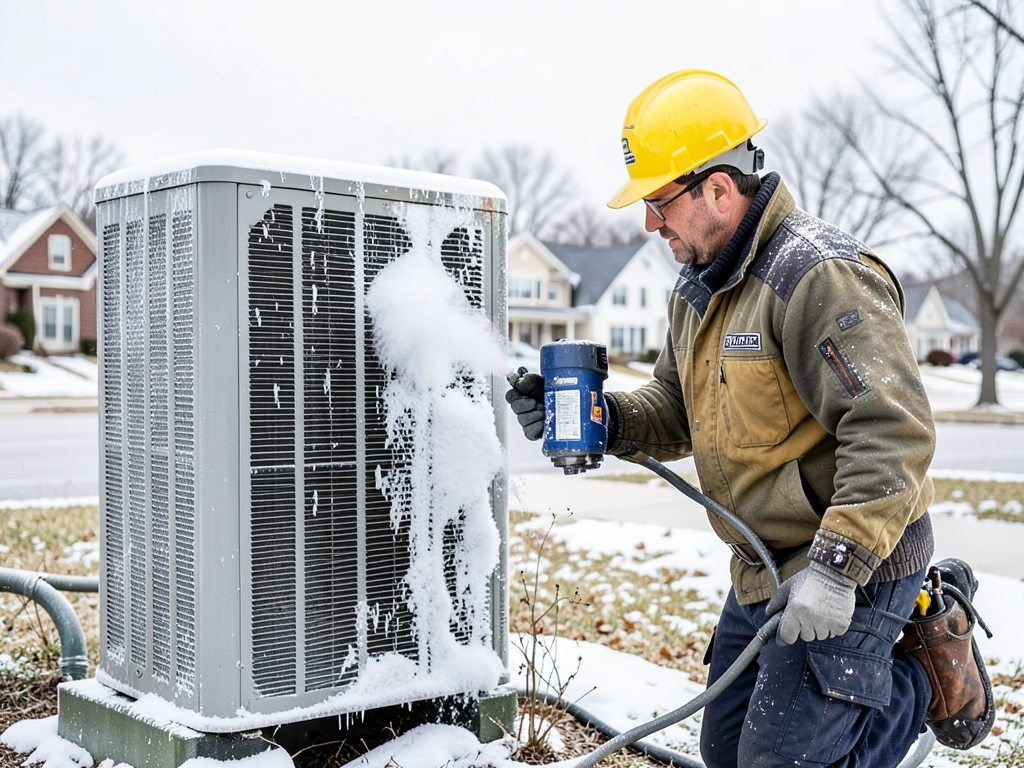
Protecting Your Outdoor Heat Pump from Deep Snow and Ice in Hamilton County
Indianapolis winters hit hard and fast. When snow piles up and temperatures drop below zero, your heat pump works overtime to keep your home warm. But deep snow and ice can block airflow, trigger excessive defrost cycles, and even cause permanent damage to the outdoor unit. The good news is that with the right preparation and maintenance, you can protect your system and avoid costly repairs. This guide explains how Indianapolis weather affects heat pumps, what problems to watch for, and the steps you can take now to keep your system running efficiently all winter long. The Best AC Repair Services in Carmel for Modern Subdivisions.
Why Indianapolis Winters are Unique for Heat Pump Performance
Hamilton County sits in the path of lake-effect snow and experiences dramatic freeze-thaw cycles that other regions do not. According to the National Weather Service, Indianapolis averages 22 inches of snow per year, but some winters deliver over 40 inches in concentrated storms. The freeze-thaw pattern creates ice dams and heavy wet snow that clings to equipment. When temperatures hover near freezing, moisture can refreeze on the coils overnight, blocking airflow and forcing the system into constant defrost mode. This not only reduces efficiency but also increases wear on critical components. National Weather Service Indianapolis.
The local soil in Hamilton County is heavy clay, which means water drains slowly and can pool around outdoor equipment. If your heat pump sits at ground level, melting snow can refreeze around the base, creating an ice shell that traps the unit. Elevation is key. A properly installed snow stand lifts the heat pump 12 to 18 inches above grade, allowing meltwater to drain away and preventing ice buildup from the ground up.
The Danger of Snow and Ice Accumulation on Outdoor Units
When snow or ice blocks the coil fins, the heat pump cannot transfer heat effectively. This forces the system to run longer cycles, increasing energy use by up to 30 percent. In extreme cases, the compressor can overheat and fail. Ice bridging is another serious risk. This occurs when a thick layer of ice forms across the top of the unit, sealing off the discharge area. The defrost cycle cannot clear this ice, and the system may shut down completely.. Read more about How to Stop Mice and Other Pests from Nesting in Your Outdoor HVAC Unit Over the Winter.
Another hidden danger is airflow restriction. Heat pumps need at least 24 inches of clearance on all sides for proper ventilation. When snow drifts pile up against the unit, the fan cannot pull in enough air. This reduces heating capacity and can cause the auxiliary heat to kick in constantly, driving up utility bills. In dual-fuel systems, restricted airflow can also create backdrafting risks that allow carbon monoxide to enter the home if the furnace shares the same exhaust path.</n
Understanding the Defrost Cycle and Ice Bridging
Heat pumps use a defrost cycle to melt frost from the coils. Sensors detect ice buildup and temporarily reverse the refrigerant flow to heat the outdoor coil. In normal conditions, this works automatically every 30 to 90 minutes. But when snow piles on top of the unit, the defrost cycle cannot reach the ice. This is called ice bridging. The system keeps trying to defrost, but the heat is trapped under the snow layer. Over time, this can crack the coil or damage the fan motor.
During a heavy storm, check your unit every few hours. If you see a solid ice cap forming, do not try to chip it off with a metal tool. That can puncture the coil. Instead, use warm water to melt a channel for airflow, or call a professional to steam the ice safely. The safest approach is prevention: keep snow cleared and maintain proper elevation from the start.
Top 5 Ways to Protect Your Heat Pump from Snow
Protecting your heat pump starts with smart placement and ends with regular maintenance. Here are the five most effective steps you can take before the next storm hits.
1. Installing a Professional Snow Stand (Elevation)
A snow stand or equipment pad raises the heat pump above the snow line. The stand should be at least 12 inches high, but 18 inches is better for areas that see heavy drifts. Professional installation ensures the pad is level, stable, and properly anchored to resist wind uplift. This elevation allows meltwater to drain away and prevents ice from forming around the base. It also makes it easier to clear snow without bending or lifting heavy drifts.
2. Proper Clearance and Shoveling Techniques
Maintain at least 24 inches of clearance on all sides of the unit. When shoveling, work outward from the heat pump in a circular pattern. Do not pile snow against the sides, and never use a snow blower aimed at the unit. A single rock or chunk of ice can dent the coil fins or damage the fan blades. If you use a roof rake to clear overhead snow, be careful not to let heavy chunks fall onto the heat pump. Even a small impact can bend the coil fins and reduce efficiency.
3. The Role of Overhangs and Shelters (Do’s and Don’ts)
A roof overhang can shield the heat pump from falling snow and ice, but it must be designed correctly. The shelter should be at least 36 inches above the unit to allow proper airflow. Do not box in the sides or install solid walls. Heat pumps need open space for air intake and exhaust. A three-sided windbreak made of lattice or slatted wood can reduce snow drift without blocking ventilation. Never wrap the unit in plastic or a solid cover. This traps moisture and can cause rust or mold growth on the coils.
4. Regular Winter Inspections and Maintenance
Schedule a winter tune-up before the first freeze. A technician will check refrigerant levels, test the defrost sensor, and inspect the fan motor and capacitor. They will also verify that the snow stand is stable and that drainage paths are clear. During the season, inspect the unit after every major snowfall. Look for ice buildup, drifted snow, or signs of damage. If you notice the system running constantly or hear unusual noises, call for service immediately.
5. Emergency Snow Removal Plan
Keep a plastic shovel and a soft-bristle brush near the heat pump. After a storm, clear a three-foot radius around the base. If ice forms on top, pour warm water over it to create drainage channels. Do not use salt or chemical deicers near the unit. These can corrode the coil and damage the electrical components. If the ice is too thick to remove safely, contact a professional who has steam equipment and can clear it without harming the system.
Critical Warning: Why You Should Never Wrap Your Heat Pump in a Tarp
Many homeowners think covering the heat pump will protect it from snow. This is a dangerous myth. Heat pumps are designed to operate in all weather. A solid cover traps moisture inside, creating the perfect environment for rust and mold. It also blocks the airflow the system needs to function. Even breathable covers can reduce efficiency by 10 to 15 percent. The only safe covering is a custom-fit top cover that leaves the sides open, and even that should only be used during the off-season when the unit is not running.
If you want to protect the top from falling ice, install a small roof or awning that extends 12 inches beyond the unit. This keeps debris off while maintaining ventilation. Always check the manufacturer’s warranty before adding any structure. Some warranties are voided if the unit is enclosed or modified without approval.
Professional Winterization vs. DIY Maintenance
DIY maintenance is fine for basic snow removal and visual checks. But professional winterization includes tests and adjustments that require specialized tools. A technician will measure superheat and subcooling to verify refrigerant charge, test the defrost control board, and inspect the contactor for pitting. They will also check the voltage draw on the fan motor and compressor to spot early signs of failure. These diagnostics can prevent a midwinter breakdown when emergency service rates are highest.
Professional winterization also includes a written report with photos. This documentation can be valuable if you ever need to file a warranty claim or prove that the system was properly maintained. Many manufacturers now require annual professional service to keep the warranty in force. Skipping this step could cost you thousands if a major component fails.
When to Call an Indianapolis HVAC Expert
Call for service if you notice any of these warning signs: the heat pump runs constantly without reaching the set temperature, you hear grinding or clicking noises, the defrost cycle runs more than once an hour, or you see ice buildup that does not melt within 30 minutes of sunlight. Also call if you smell burning or see smoke. These are signs of electrical or mechanical failure that can escalate quickly in cold weather.
Reliance HVAC offers 24/7 emergency service throughout Hamilton County. Our NATE-certified technicians arrive with the tools and parts needed to restore heat fast. We also provide free winterization inspections to identify risks before they become problems. Call (317) 688-8818 today to schedule your inspection and get your heat pump ready for whatever winter throws at it. NATE Certification.
Frequently Asked Questions
How high should a heat pump be off the ground in Indianapolis?
Heat pumps in Indianapolis should be elevated at least 12 inches above grade, but 18 inches is recommended for areas that see heavy snow or ice. This prevents meltwater from pooling and refreezing around the base.
Can I use a snow blower near my heat pump?
No. Snow blowers can throw rocks and ice that damage the coil fins or fan blades. Use a plastic shovel and keep the discharge chute aimed away from the unit.
How often should I clear snow from my heat pump?
Check the unit after every snowfall and clear a three-foot radius around the base. Remove any ice buildup from the top as soon as it forms to maintain proper airflow.
Will covering my heat pump protect it from snow?
No. Solid covers trap moisture and block airflow, which can cause rust, mold, and reduced efficiency. Only use a custom top cover during the off-season when the unit is not running.
What is ice bridging and why is it dangerous?
Ice bridging occurs when a thick layer of ice seals off the top of the unit, preventing the defrost cycle from clearing it. This can cause the system to shut down or damage the coil and fan motor.
How much does professional winterization cost?
Prices vary, but a typical winter tune-up in Hamilton County costs between $120 and $200. This includes refrigerant check, defrost cycle test, and electrical inspection.
Can I install a snow stand myself?
DIY installation is possible, but professional installation ensures the pad is level, stable, and properly anchored. Improper installation can lead to vibration, noise, and premature wear.
What should I do if my heat pump ices over during a storm?
Turn off the system and pour warm water over the ice to create drainage channels. Do not use metal tools or salt. If the ice is too thick, call a professional with steam equipment.
Does snow protection affect my warranty?
Improper covering or modification can void the warranty. Always check the manufacturer’s guidelines and keep documentation of any professional service or modifications.
How can I tell if my heat pump is working efficiently in winter?
Watch for signs like constant running, frequent defrost cycles, or failure to reach the set temperature. A professional can measure efficiency with superheat and subcooling tests.
You may also find this helpful. Carrier versus Trane — Which Brand Handles the Indiana Climate Best?.
You may also find this helpful. How Cottonwood Trees in Eagle Creek Can Secretly Destroy Your AC Efficiency.
You may also find this helpful. How to Choose the Best Propane Furnace for Your Rural Lebanon Property.
{
“@context”: “https://schema.org”,
“@type”: “BlogPosting”,
“headline”: “Protecting Your Outdoor Heat Pump from Deep Snow and Ice in Hamilton County”,
“description”: “Learn how to protect your heat pump from Indianapolis winter damage. Get expert tips on snow stands, clearance, and when to call for professional winterization.”,
“wordCount”: 1951,
“datePublished”: “2026-05-02T15:04:00.000Z”,
“dateModified”: “2026-05-02T15:04:00.000Z”,
“inLanguage”: “en-US”,
“mainEntityOfPage”: {
“@type”: “WebPage”,
“@id”: “https://reliancehvacindianapolis.com”
},
“publisher”: {
“@type”: “LocalBusiness”,
“name”: “Reliance HVAC Indianapolis”,
“url”: “https://reliancehvacindianapolis.com”
},
“author”: {
“@type”: “Organization”,
“name”: “Reliance HVAC Indianapolis”,
“url”: “https://reliancehvacindianapolis.com”
},
“image”: {
“@type”: “ImageObject”,
“url”: “https://reliancehvacindianapolis.com/wp-content/uploads/2026/03/protecting-your-outdoor-heat-pump-from-deep-snow-a-1.png”
}
}
{
“@context”: “https://schema.org”,
“@type”: “HVACBusiness”,
“name”: “Reliance HVAC Indianapolis”,
“url”: “https://reliancehvacindianapolis.com”,
“address”: {
“@type”: “PostalAddress”,
“addressLocality”: “Indianapolis”
},
“areaServed”: {
“@type”: “City”,
“name”: “Indianapolis”
}
}
{
“@context”: “https://schema.org”,
“@type”: “FAQPage”,
“mainEntity”: [
{
“@type”: “Question”,
“name”: “How high should a heat pump be off the ground in Indianapolis?”,
“acceptedAnswer”: {
“@type”: “Answer”,
“text”: “Heat pumps in Indianapolis should be elevated at least 12 inches above grade, but 18 inches is recommended for areas that see heavy snow or ice. This prevents meltwater from pooling and refreezing around the base.”
}
},
{
“@type”: “Question”,
“name”: “Can I use a snow blower near my heat pump?”,
“acceptedAnswer”: {
“@type”: “Answer”,
“text”: “No. Snow blowers can throw rocks and ice that damage the coil fins or fan blades. Use a plastic shovel and keep the discharge chute aimed away from the unit.”
}
},
{
“@type”: “Question”,
“name”: “How often should I clear snow from my heat pump?”,
“acceptedAnswer”: {
“@type”: “Answer”,
“text”: “Check the unit after every snowfall and clear a three-foot radius around the base. Remove any ice buildup from the top as soon as it forms to maintain proper airflow.”
}
},
{
“@type”: “Question”,
“name”: “Will covering my heat pump protect it from snow?”,
“acceptedAnswer”: {
“@type”: “Answer”,
“text”: “No. Solid covers trap moisture and block airflow, which can cause rust, mold, and reduced efficiency. Only use a custom top cover during the off-season when the unit is not running.”
}
},
{
“@type”: “Question”,
“name”: “What is ice bridging and why is it dangerous?”,
“acceptedAnswer”: {
“@type”: “Answer”,
“text”: “Ice bridging occurs when a thick layer of ice seals off the top of the unit, preventing the defrost cycle from clearing it. This can cause the system to shut down or damage the coil and fan motor.”
}
},
{
“@type”: “Question”,
“name”: “How much does professional winterization cost?”,
“acceptedAnswer”: {
“@type”: “Answer”,
“text”: “Prices vary, but a typical winter tune-up in Hamilton County costs between $120 and $200. This includes refrigerant check, defrost cycle test, and electrical inspection.”
}
},
{
“@type”: “Question”,
“name”: “Can I install a snow stand myself?”,
“acceptedAnswer”: {
“@type”: “Answer”,
“text”: “DIY installation is possible, but professional installation ensures the pad is level, stable, and properly anchored. Improper installation can lead to vibration, noise, and premature wear.”
}
},
{
“@type”: “Question”,
“name”: “What should I do if my heat pump ices over during a storm?”,
“acceptedAnswer”: {
“@type”: “Answer”,
“text”: “Turn off the system and pour warm water over the ice to create drainage channels. Do not use metal tools or salt. If the ice is too thick, call a professional with steam equipment.”
}
},
{
“@type”: “Question”,
“name”: “Does snow protection affect my warranty?”,
“acceptedAnswer”: {
“@type”: “Answer”,
“text”: “Improper covering or modification can void the warranty. Always check the manufacturer’s guidelines and keep documentation of any professional service or modifications.”
}
},
{
“@type”: “Question”,
“name”: “How can I tell if my heat pump is working efficiently in winter?”,
“acceptedAnswer”: {
“@type”: “Answer”,
“text”: “Watch for signs like constant running, frequent defrost cycles, or failure to reach the set temperature. A professional can measure efficiency with superheat and subcooling tests.”
}
}
]
}
{
“@context”: “https://schema.org”,
“@type”: “BreadcrumbList”,
“itemListElement”: [
{
“@type”: “ListItem”,
“position”: 1,
“name”: “Home”,
“item”: “https://reliancehvacindianapolis.com”
},
{
“@type”: “ListItem”,
“position”: 2,
“name”: “Blog”,
“item”: “https://reliancehvacindianapolis.com/blog”
},
{
“@type”: “ListItem”,
“position”: 3,
“name”: “Protecting Your Outdoor Heat Pump from Deep Snow and Ice in Hamilton County”
}
]
}
{
“@context”: “https://schema.org”,
“@type”: “Service”,
“serviceType”: “HVAC”,
“provider”: {
“@type”: “LocalBusiness”,
“name”: “Reliance HVAC Indianapolis”,
“url”: “https://reliancehvacindianapolis.com”
},
“areaServed”: {
“@type”: “City”,
“name”: “Indianapolis”
},
“description”: “Learn how to protect your heat pump from Indianapolis winter damage. Get expert tips on snow stands, clearance, and when to call for professional winterization.”
}