The Impact of Pet Hair and Dander on Your HVAC Performance in Zionsville
Your furry friends bring joy to your Zionsville home but their hair and dander can silently sabotage your HVAC system’s performance. Pet dander particles ranging from 0.5 to 10 microns are small enough to bypass standard filters and accumulate in your ductwork reducing airflow by up to 30 percent. This buildup forces your system to work harder increasing energy costs and shortening equipment lifespan. How Much Does a New AC Unit Cost for a Standard Zionsville Home?.
Indianapolis’ humid continental climate with hot summers and cold winters means your HVAC runs year-round creating perfect conditions for dander to circulate through your home. When dander mixes with seasonal allergens from Indiana’s high spring pollen counts the air quality in your Zionsville home can deteriorate quickly affecting both your system efficiency and your family’s health.
Understanding How Pet Dander Affects Your HVAC System
Pet dander acts like microscopic insulation material clogging your HVAC components. When your dog sheds dander settles on evaporator coils reducing heat exchange efficiency. Your system then runs longer cycles trying to reach the thermostat setting wasting energy and increasing wear on motors and compressors.
The problem compounds in Zionsville’s older homes where ductwork may have gaps or poor sealing. Dander escapes through these openings contaminating attic spaces and returning through the system creating a continuous recirculation loop. This is especially problematic in neighborhoods like the Village of Zionsville with historic homes built before modern filtration standards.
Beyond efficiency dander accumulation creates biological growth conditions. When moisture from Indiana’s humid summers combines with organic dander material inside your HVAC system mold and bacteria can thrive. This not only damages equipment but releases spores into your breathing air potentially triggering asthma and allergy symptoms.
Filter Selection: MERV Ratings That Actually Capture Pet Dander
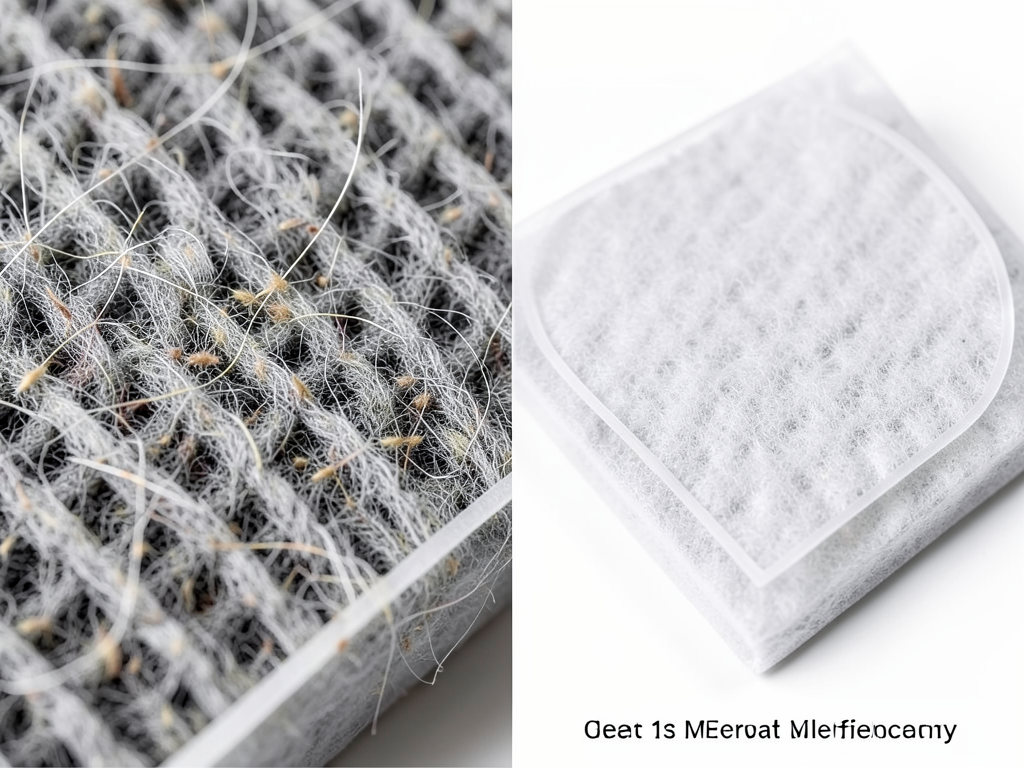
Not all air filters handle pet dander equally. Standard fiberglass filters capture only particles larger than 10 microns letting most dander slip through. For pet owners in Zionsville the minimum effective rating is MERV 11 which captures 85 percent of particles between 1 and 10 microns.. Read more about Comparing MERV Filter Ratings to Improve Air Quality in Your Little Flower Home.
MERV 13 filters provide superior protection capturing up to 90 percent of submicron particles including pet dander. However these denser filters create more resistance to airflow. In older Zionsville homes with 1980s or earlier HVAC systems the added static pressure can strain blower motors potentially causing premature failure.
The sweet spot for most Zionsville pet households is MERV 11 pleated filters changed every 30 to 60 days. Homes with multiple pets or allergy sufferers benefit from MERV 13 but require professional assessment to ensure your system can handle the increased resistance. Our technicians use static pressure gauges to measure if your specific system can support higher MERV ratings without performance loss.
Consider this comparison of common filter options for pet owners:
| Filter Type | MERV Rating | Pet Dander Capture | Recommended Change Frequency | Best For |
|---|---|---|---|---|
| Fiberglass | 4-6 | Less than 20% | 30-60 days | Low dander homes |
| Pleated | 8-10 | 50-70% | 60-90 days | Single pet homes |
| High-Efficiency | 11-13 | 85-90% | 30-60 days | Multi-pet or allergy homes |
| HEPA Bypass | 17-20 | 99.97% | 12-24 months | Severe allergy cases |
Advanced IAQ Solutions for Indianapolis Pet Owners
Standard filters address only part of the dander problem. Whole-home air purification systems target the microscopic particles that slip through even high-MERV filters. The iWave air ionization system installed in your Zionsville home creates ions that attach to dander making particles larger and easier for your filter to capture.
REME HALO LED systems use UV light and advanced oxidation to neutralize dander proteins before they can trigger allergic reactions. These units install directly in your ductwork treating all air passing through your system. For homes in the Eagle Creek area where humidity stays elevated these systems also combat mold growth on coils and in ductwork.
UV germicidal lights installed near evaporator coils provide continuous protection. The intense UV-C light disrupts dander protein structures and kills bacteria and mold spores. This technology is particularly effective in Zionsville’s summer months when your AC runs constantly creating the cool damp conditions where biological growth thrives.
For maximum protection consider a HEPA bypass system. These units process air through hospital-grade filtration removing 99.97 percent of particles including pet dander. Since they operate independently of your main HVAC system they don’t create the static pressure issues that can damage older furnaces. The trade off is higher initial cost and periodic filter replacement every 12 to 24 months. EPA Indoor Air Quality.
The Role of Professional Duct Cleaning in Dander Management
Even with perfect filtration dander accumulates in ductwork over time. In Zionsville’s older neighborhoods like the historic district homes built before 1990 often have ductwork that’s never been professionally cleaned. These systems can harbor years of dander buildup reducing airflow and contaminating indoor air.
Professional duct cleaning uses negative air pressure and rotating brushes to dislodge and remove accumulated debris. A typical Zionsville home with pets benefits from cleaning every 3 to 5 years. Homes with multiple pets or allergy sufferers should consider every 2 to 3 years. The process removes not just dander but also dust mites pollen and other allergens that compound air quality issues.
During cleaning technicians inspect for duct damage. Dander escaping through gaps or disconnected sections can contaminate insulation and wall cavities. In Zionsville’s clay soil areas foundation settling can cause ductwork to separate creating pathways for contaminants to enter your air supply.
Sanitization follows cleaning using EPA-registered antimicrobials that neutralize remaining biological contaminants. This step is crucial for pet households where dander provides food for bacteria and mold. The treatment creates a protective barrier that inhibits regrowth for up to two years.
Maintenance Checklist for Pet-Friendly Homes
Pet owners in Zionsville need a proactive maintenance schedule to protect both their HVAC system and indoor air quality. Start with monthly filter inspection regardless of manufacturer recommendations. Pet hair and dander clog filters faster than typical household dust.
Annual professional maintenance should include evaporator coil cleaning. Dander mixed with condensation creates a sticky residue that standard homeowner cleaning cannot remove. This buildup reduces cooling efficiency by up to 16 percent according to ASHRAE studies. During service technicians measure refrigerant levels and check for refrigerant leaks which are more common in systems working harder due to restricted airflow. ASHRAE HVAC Standards.
Humidity control plays a crucial role in dander management. Maintain indoor humidity between 30 and 50 percent. Levels above 60 percent allow dander to absorb moisture becoming heavier and settling on surfaces. Levels below 30 percent cause static electricity that makes dander particles airborne longer. Zionsville’s summer humidity often requires dehumidification to maintain these optimal levels.
Consider this seasonal maintenance schedule for pet households:
- Replace filter monthly or when visibly dirty
- Vacuum return air grilles weekly to prevent debris buildup
- Schedule professional duct inspection every 2 years
- Clean condensate drain lines quarterly to prevent clogs
- Test carbon monoxide detectors monthly for safety
- Schedule professional maintenance before cooling and heating seasons
Energy Efficiency and Cost Impact of Pet Dander
Pet dander accumulation directly impacts your energy bills. A system with restricted airflow due to dander buildup can use 15 to 20 percent more energy according to Department of Energy studies. For a typical Zionsville home this translates to $150 to $300 in additional annual cooling and heating costs. Reliable Heating and Cooling Experts Serving the Broad Ripple Area.
The impact extends beyond energy use. Restricted airflow causes components to work harder leading to more frequent repairs. Blower motors in particular suffer from having to push air through clogged filters and coils. The average lifespan of an HVAC system in a home with multiple pets is 2 to 4 years shorter than in dander-free homes. The Best AC Repair Services in Carmel for Modern Subdivisions.
Preventive measures offer significant returns. Professional duct cleaning costs $300 to $500 but can reduce energy consumption by 5 to 10 percent. High-efficiency filtration systems cost $800 to $1500 installed but eliminate the need for frequent duct cleaning and reduce filter replacement frequency by half. Affordable HVAC Replacement Options for Families in Noblesville.
Consider the long-term costs of inaction. A system failure during Zionsville’s January cold snap or July heat wave often means emergency service calls at premium rates. The inconvenience and potential burst pipe damage from a failed heating system far exceeds the cost of preventive dander management.
Local Building Considerations for Zionsville Homes
Zionsville’s architectural diversity creates unique HVAC challenges. Historic homes in the Village area often have plaster walls and no return air pathways. This forces HVAC systems to pull air through gaps around doors and windows creating pathways for dander to enter the system from unexpected locations.
Newer developments like those near Eagle Creek have modern construction but often suffer from inadequate return air design. Builders maximize livable space by minimizing utility areas including return plenums. This design flaw concentrates dander in specific areas creating hot spots of contamination.
Indiana’s building codes require carbon monoxide detectors in all sleeping areas but many Zionsville homes predate this requirement. Pet owners with gas furnaces should verify detector placement and functionality. Dander accumulation near heat exchangers can create combustion issues that produce carbon monoxide. Furnace Blowing Cold Air.
Soil conditions in Boone County where Zionsville sits affect outdoor HVAC units. The region’s clay soil expands and contracts with moisture changes potentially shifting concrete pads. A misaligned outdoor unit creates vibration that loosens internal components accelerating wear from the additional strain of filtering pet dander.
Frequently Asked Questions
How often should I change my HVAC filter with pets?
Pet owners should check filters monthly and replace them when visibly dirty which typically means every 30 to 60 days. Homes with multiple pets or long-haired breeds may need changes every 20 to 30 days. Never wait beyond 90 days regardless of filter type.
Can pet dander damage my HVAC system?
Yes. Dander accumulation on coils and in ductwork restricts airflow forcing the system to work harder. This increases energy consumption and accelerates wear on motors and compressors. Over time restricted airflow can cause the system to freeze up or overheat leading to costly repairs.
What’s the best HVAC system for homes with pets?
Systems with variable-speed blowers handle high-efficiency filtration better than single-speed units. Look for models with ECM motors that maintain airflow despite filter resistance. For severe allergy cases consider systems designed for HEPA filtration or those with dedicated air purification modules.
How do I know if pet dander is affecting my system?
Signs include reduced airflow from vents, longer cooling or heating cycles, system short cycling, and unusual odors when the system runs. If you notice excessive dust accumulation or allergy symptoms worsening at home these indicate dander circulation problems requiring professional assessment.
Is professional duct cleaning worth it for pet owners?
Yes. Professional cleaning removes accumulated dander that standard filtration cannot address. For homes with pets cleaning every 3 to 5 years improves system efficiency by 5 to 15 percent and significantly reduces airborne allergens. The cost is typically recovered through energy savings and extended equipment life.
Take Control of Your Indoor Air Quality Today
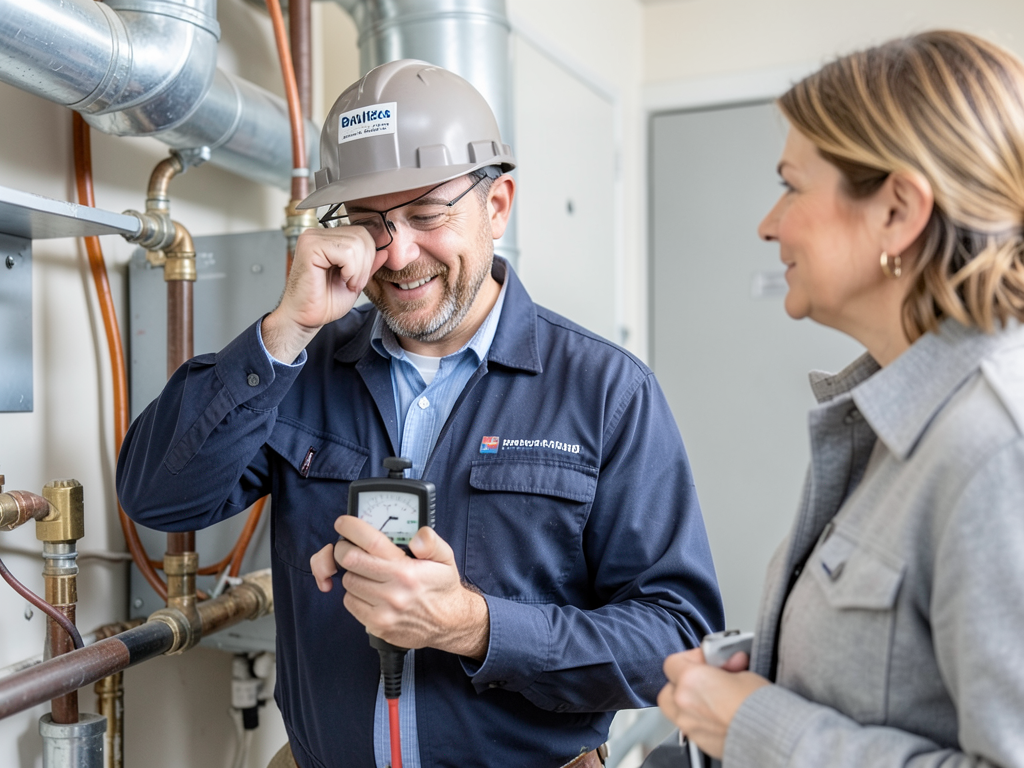
Pet dander doesn’t have to compromise your comfort or your HVAC system’s performance. Our NATE-certified technicians understand the unique challenges Zionsville homes face from historic construction to seasonal climate extremes. We provide comprehensive IAQ assessments that identify dander accumulation points and recommend solutions tailored to your specific situation.
Don’t wait for system failure or allergy symptoms to worsen. Call (317) 688-8818 today to schedule your professional HVAC inspection. Our rapid response team serves Zionsville and all surrounding Indianapolis communities with same-day service availability for urgent air quality concerns.
Pick up the phone and call (317) 688-8818 before the next season change. Your pets deserve clean air and your HVAC system deserves protection from preventable damage. Let us help you create a healthier home environment for your entire family.
{
“@context”: “https://schema.org”,
“@type”: “BlogPosting”,
“headline”: “The Impact of Pet Hair and Dander on Your HVAC Performance in Zionsville”,
“description”: “Learn how pet hair and dander affect your Zionsville HVAC system’s efficiency and air quality. Discover professional solutions to improve indoor air and system longevity.”,
“wordCount”: 1982,
“datePublished”: “2026-03-26T11:45:00.000Z”,
“dateModified”: “2026-03-26T11:45:00.000Z”,
“inLanguage”: “en-US”,
“mainEntityOfPage”: {
“@type”: “WebPage”,
“@id”: “https://reliancehvacindianapolis.com”
},
“publisher”: {
“@type”: “LocalBusiness”,
“name”: “Reliance HVAC Indianapolis”,
“url”: “https://reliancehvacindianapolis.com”
},
“author”: {
“@type”: “Organization”,
“name”: “Reliance HVAC Indianapolis”,
“url”: “https://reliancehvacindianapolis.com”
},
“image”: {
“@type”: “ImageObject”,
“url”: “https://reliancehvacindianapolis.com/wp-content/uploads/2026/03/the-impact-of-pet-hair-and-dander-on-your-hvac-per-1.png”
}
}
{
“@context”: “https://schema.org”,
“@type”: “HVACBusiness”,
“name”: “Reliance HVAC Indianapolis”,
“url”: “https://reliancehvacindianapolis.com”,
“address”: {
“@type”: “PostalAddress”,
“addressLocality”: “Indianapolis”
},
“areaServed”: {
“@type”: “City”,
“name”: “Indianapolis”
}
}
{
“@context”: “https://schema.org”,
“@type”: “FAQPage”,
“mainEntity”: [
{
“@type”: “Question”,
“name”: “How often should I change my HVAC filter with pets?”,
“acceptedAnswer”: {
“@type”: “Answer”,
“text”: “Pet owners should check filters monthly and replace them when visibly dirty which typically means every 30 to 60 days. Homes with multiple pets or long-haired breeds may need changes every 20 to 30 days. Never wait beyond 90 days regardless of filter type.”
}
},
{
“@type”: “Question”,
“name”: “Can pet dander damage my HVAC system?”,
“acceptedAnswer”: {
“@type”: “Answer”,
“text”: “Yes. Dander accumulation on coils and in ductwork restricts airflow forcing the system to work harder. This increases energy consumption and accelerates wear on motors and compressors. Over time restricted airflow can cause the system to freeze up or overheat leading to costly repairs.”
}
},
{
“@type”: “Question”,
“name”: “What’s the best HVAC system for homes with pets?”,
“acceptedAnswer”: {
“@type”: “Answer”,
“text”: “Systems with variable-speed blowers handle high-efficiency filtration better than single-speed units. Look for models with ECM motors that maintain airflow despite filter resistance. For severe allergy cases consider systems designed for HEPA filtration or those with dedicated air purification modules.”
}
},
{
“@type”: “Question”,
“name”: “How do I know if pet dander is affecting my system?”,
“acceptedAnswer”: {
“@type”: “Answer”,
“text”: “Signs include reduced airflow from vents, longer cooling or heating cycles, system short cycling, and unusual odors when the system runs. If you notice excessive dust accumulation or allergy symptoms worsening at home these indicate dander circulation problems requiring professional assessment.”
}
},
{
“@type”: “Question”,
“name”: “Is professional duct cleaning worth it for pet owners?”,
“acceptedAnswer”: {
“@type”: “Answer”,
“text”: “Yes. Professional cleaning removes accumulated dander that standard filtration cannot address. For homes with pets cleaning every 3 to 5 years improves system efficiency by 5 to 15 percent and significantly reduces airborne allergens. The cost is typically recovered through energy savings and extended equipment life.”
}
}
]
}
{
“@context”: “https://schema.org”,
“@type”: “BreadcrumbList”,
“itemListElement”: [
{
“@type”: “ListItem”,
“position”: 1,
“name”: “Home”,
“item”: “https://reliancehvacindianapolis.com”
},
{
“@type”: “ListItem”,
“position”: 2,
“name”: “Blog”,
“item”: “https://reliancehvacindianapolis.com/blog”
},
{
“@type”: “ListItem”,
“position”: 3,
“name”: “The Impact of Pet Hair and Dander on Your HVAC Performance in Zionsville”
}
]
}
{
“@context”: “https://schema.org”,
“@type”: “Service”,
“serviceType”: “HVAC”,
“provider”: {
“@type”: “LocalBusiness”,
“name”: “Reliance HVAC Indianapolis”,
“url”: “https://reliancehvacindianapolis.com”
},
“areaServed”: {
“@type”: “City”,
“name”: “Indianapolis”
},
“description”: “Learn how pet hair and dander affect your Zionsville HVAC system’s efficiency and air quality. Discover professional solutions to improve indoor air and system longevity.”
}