
The Most Common HVAC Problems Found in New Greenwood Builds
Building a new home in Greenwood should mean comfort from day one. But many homeowners discover their brand-new HVAC system struggles with uneven temperatures, high humidity, or rising energy bills. These aren’t random failures. They’re predictable problems rooted in construction shortcuts, local soil conditions, and Indiana’s volatile climate. Humidity Control Best Practices.
At Reliance HVAC, we’ve diagnosed and repaired hundreds of systems in new Greenwood builds. We see the same issues repeat: undersized ductwork, poor humidity control, and equipment mismatches that force systems to work overtime. This guide breaks down the most common HVAC problems in new Greenwood homes and how to fix them before they cost you comfort and money. EPA Indoor Air Quality Guidelines.
Why New Greenwood Builds Face Unique HVAC Challenges
Greenwood’s rapid suburban growth means many homes are built quickly to meet demand. That speed often sacrifices HVAC precision. Local factors make the problem worse: Getting Your Greenwood AC Fixed Fast Before the Next Humidity Spike.
- Heavy clay soil in Johnson County shifts over time, stressing foundation-mounted equipment and outdoor units.
- High summer humidity (often above 70%) overwhelms standard cooling systems not designed for Indiana’s moisture load.
- Rapid freeze-thaw cycles in winter cause condensation buildup inside ductwork, leading to mold and airflow restrictions.
- Local building codes require proper venting and insulation, but enforcement gaps let poor installations slip through.
These conditions create a perfect storm for HVAC inefficiency. The result? Homeowners pay more for less comfort.
Undersized Ductwork: The Hidden Comfort Killer
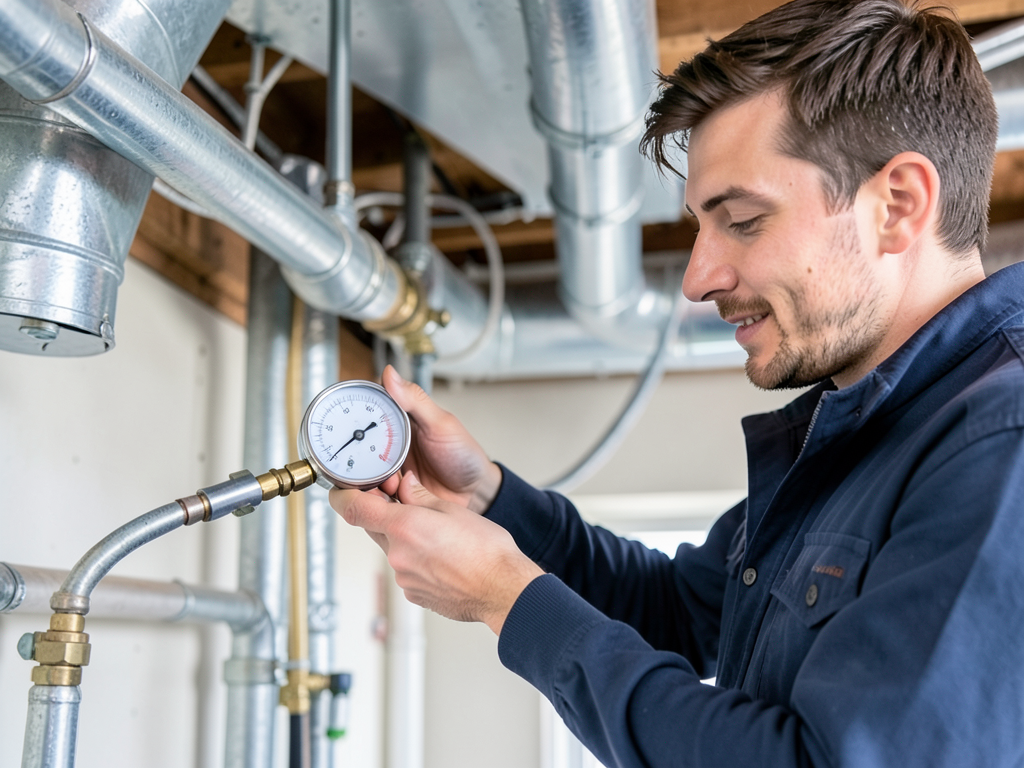
Many new builds use the smallest ductwork that meets code minimums. That saves builders a few hundred dollars but costs homeowners thousands in energy waste. Undersized ducts restrict airflow, forcing the blower motor to work harder and the system to run longer cycles.
Symptoms include:
- Rooms that are always too hot or too cold
- Weak airflow from vents
- Excessive dust buildup on filters
- Higher-than-expected utility bills
We diagnose this with a static pressure test. If pressure exceeds 0.5 inches of water column, ducts are too small. The fix often means replacing sections of duct or adding return air pathways.
Improper System Sizing: Bigger Isn’t Always Better
Contractors sometimes oversize HVAC units to ensure they handle the hottest days. But oversized systems short-cycle, turning on and off rapidly without removing humidity. That leaves your home feeling clammy even when the thermostat reads the right temperature.
Proper sizing follows Manual J calculations based on your home’s square footage, insulation, window orientation, and local climate. In Greenwood, that means accounting for summer humidity and winter cold snaps.
Signs of an oversized system:
- Temperature swings between rooms
- Condensation on windows
- Short run times (less than 10 minutes per cycle)
- High indoor humidity even with AC running
We perform load calculations and recommend the right size unit, often smaller than what’s currently installed.
Humidity Control Failures in New Construction
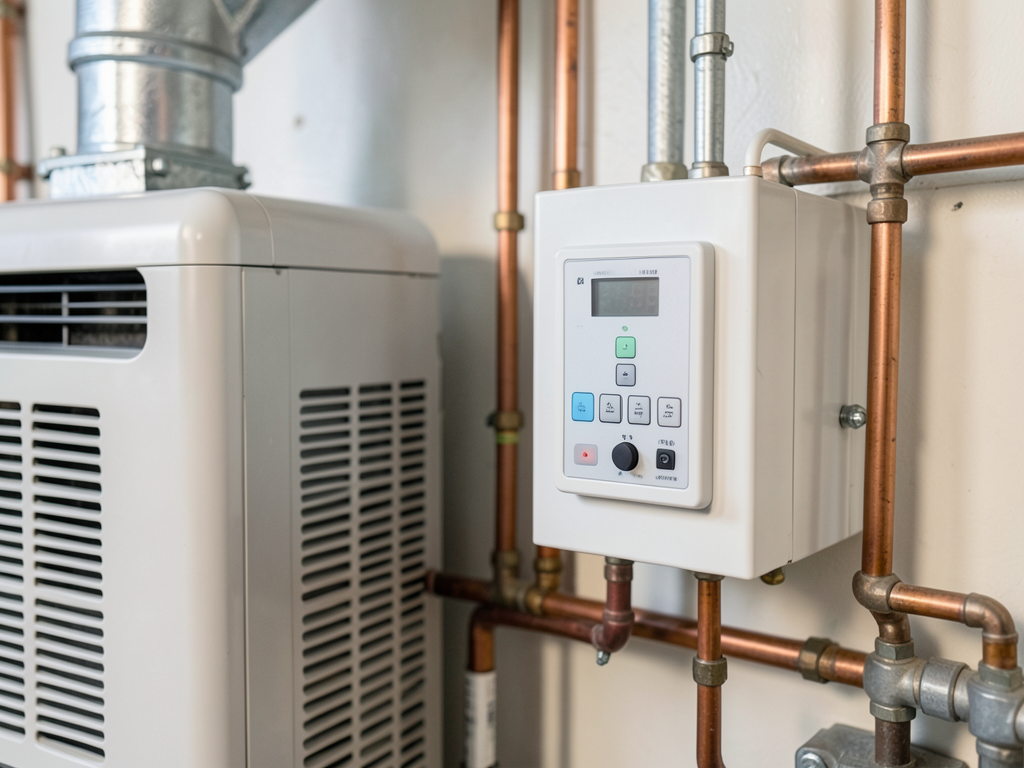
Indiana’s humid continental climate means Greenwood summers push indoor humidity above 60%. Standard AC units remove some moisture, but not enough to maintain the 45-55% range recommended for comfort and health. How Much Does a New AC Unit Cost for a Standard Zionsville Home?.
Without dedicated dehumidification, you get:
- Mold growth in ductwork and on walls
- Musty odors throughout the home
- Condensation on vents and registers
- Increased allergy symptoms
We install whole-home dehumidifiers that work with your existing system. These units remove 70-100 pints of moisture daily, keeping humidity in the optimal range without overcooling your home.
Poor Indoor Air Quality: The Dust and Allergen Problem
New construction stirs up drywall dust, insulation fibers, and VOCs from paints and adhesives. If your HVAC system isn’t equipped to filter these particles, they circulate through your home for months.
Common IAQ issues in new builds:
- Excessive dust on furniture and vents
- Pet dander and pollen trapped in ductwork
- Volatile organic compounds from new materials
- Carbon dioxide buildup in tightly sealed homes
We solve this with high-MERV filters (rated 11-13), UV light systems that kill bacteria and mold spores, and fresh air ventilation that exchanges stale indoor air with filtered outdoor air.
Outdoor Unit Placement: The Foundation Problem
Greenwood’s heavy clay soil expands when wet and contracts when dry. This movement can shift your outdoor condenser unit, causing refrigerant line stress, electrical connection issues, and reduced efficiency.
Proper installation includes:
- A concrete pad with gravel base that allows drainage
- Leveling checks every six months
- Clearance from shrubs and debris (minimum 2 feet)
- Elevation above the soil line to prevent water pooling
We inspect pad stability and adjust units before small shifts become expensive repairs. The Best AC Repair Services in Carmel for Modern Subdivisions.
Thermostat Location: The Comfort Control Mistake
Where your thermostat sits determines how well your system maintains comfort. In new builds, thermostats often go in hallways or near kitchens where temperatures fluctuate.
Ideal thermostat placement:
- Interior wall, away from direct sunlight
- Central location representing average home temperature
- 5-6 feet above floor level
- Clear of supply vents and heat-generating appliances
We relocate thermostats when needed and recommend smart models that learn your schedule and adjust automatically for maximum efficiency.
Refrigerant Charge: The Efficiency Killer
New systems often ship with factory refrigerant charge, but installation variations mean some units run undercharged or overcharged. Both conditions reduce efficiency and can damage compressors.
Symptoms of improper charge:
- Ice buildup on evaporator coils
- System running constantly without reaching set temperature
- Hissing sounds from refrigerant lines
- Higher energy bills with poor cooling performance
We use precision manifold gauges to verify charge levels and adjust to manufacturer specifications.
Electrical Connections: The Fire Hazard
During construction, electrical connections can loosen or corrode before the system ever runs. Loose connections cause voltage drops, overheating, and potential fire hazards. Reliable Heating and Cooling Experts Serving the Broad Ripple Area.
Electrical inspection checklist:
- Verify wire connections at the disconnect switch
- Check capacitor and contactor terminals
- Test voltage at the thermostat and control board
- Inspect grounding and bonding per NEC Article 250
We perform these checks during every service call to prevent electrical failures.
Maintenance Access: The Future Problem
New builds sometimes install equipment in tight spaces without considering future maintenance. When filters are hard to reach or access panels are blocked, homeowners skip essential maintenance.
Good design includes:
- 18-inch clearance around indoor units
- Easy filter access without tools
- Labeled electrical disconnects
- Drain line cleanouts accessible for annual cleaning
We help homeowners understand their system layout and create maintenance schedules that prevent neglect.
The Reliance HVAC Solution: Local Expertise, Fast Response
We’re not a national chain. We’re Greenwood locals who understand the specific challenges your home faces. Our technicians live in the communities we serve, from Center Grove to Old Town. HVAC Beech Grove.
When you call (317) 688-8818, you get:
- Same-day emergency service for Greenwood (46142, 46143)
- Factory-trained technicians who know local building codes
- Transparent pricing with no hidden fees
- 10-year parts warranties on new installations
We don’t just fix problems. We prevent them through proper design, installation, and maintenance.
Comparison of Common HVAC Issues in New vs. Older Homes
| Issue | New Greenwood Builds | Older Indianapolis Homes | Typical Solution |
|---|---|---|---|
| Ductwork Sizing | Often undersized to cut costs | May be leaky or uninsulated | Duct replacement or sealing |
| Humidity Control | Standard AC insufficient for Indiana humidity | May lack modern dehumidification options | Whole-home dehumidifier installation |
| System Efficiency | Can be oversized or improperly charged | Older SEER ratings, inefficient motors | Load calculation and proper sizing |
| Indoor Air Quality | New construction dust and VOCs | Aged filters and ductwork contamination | High-MERV filtration and UV systems |
Frequently Asked Questions
How long should a new HVAC system last in Greenwood?
With proper maintenance, a new HVAC system should last 15-20 years. However, local factors like high humidity and soil movement can reduce lifespan if the system isn’t properly installed and maintained.
What’s the ideal indoor humidity level for Greenwood homes?
The ideal range is 45-55% relative humidity. Levels above 60% promote mold growth and dust mites, while levels below 30% can cause static electricity and dry skin.
How often should I replace my HVAC filter in a new home?
Replace 1-inch filters every 30-60 days and 4-inch filters every 6-12 months. New construction generates more dust, so you may need more frequent changes initially.
Can I install a smart thermostat in my new Greenwood home?
Yes, most new systems are compatible with smart thermostats. We recommend models that work with your specific HVAC equipment and offer features like humidity monitoring and energy usage tracking.
What maintenance should I schedule for my new system?
Schedule professional maintenance twice yearly: spring for cooling and fall for heating. This includes cleaning coils, checking refrigerant levels, testing electrical connections, and inspecting ductwork.
Take Control of Your Home Comfort Today
Don’t let HVAC problems ruin your new home experience. Whether you’re dealing with uneven temperatures, high humidity, or rising energy bills, Reliance HVAC has the local expertise to fix it right the first time.
Call (317) 688-8818 today to schedule your inspection. We serve all of Greenwood, including Center Grove, Old Town, and the Northern Park area. Our trucks are stocked and ready to solve your HVAC problems fast.
Pick up the phone and call (317) 688-8818 before the next heat wave or cold snap hits. Your comfort can’t wait.
Reliance HVAC: Your Greenwood neighbors, solving your HVAC problems since day one.
{
“@context”: “https://schema.org”,
“@type”: “BlogPosting”,
“headline”: “The Most Common HVAC Problems Found in New Greenwood Builds”,
“description”: “Discover the top HVAC issues in new Greenwood homes, from duct sizing to humidity control, and how Reliance HVAC fixes them fast with local expertise.”,
“wordCount”: 1553,
“datePublished”: “2026-02-25T14:14:00.000Z”,
“dateModified”: “2026-02-25T14:14:00.000Z”,
“inLanguage”: “en-US”,
“mainEntityOfPage”: {
“@type”: “WebPage”,
“@id”: “https://reliancehvacindianapolis.com”
},
“publisher”: {
“@type”: “LocalBusiness”,
“name”: “Reliance HVAC Indianapolis”,
“url”: “https://reliancehvacindianapolis.com”
},
“author”: {
“@type”: “Organization”,
“name”: “Reliance HVAC Indianapolis”,
“url”: “https://reliancehvacindianapolis.com”
},
“image”: {
“@type”: “ImageObject”,
“url”: “https://reliancehvacindianapolis.com/wp-content/uploads/2026/03/the-most-common-hvac-problems-found-in-new-greenwo-1.png”
}
}
{
“@context”: “https://schema.org”,
“@type”: “HVACBusiness”,
“name”: “Reliance HVAC Indianapolis”,
“url”: “https://reliancehvacindianapolis.com”,
“address”: {
“@type”: “PostalAddress”,
“addressLocality”: “Indianapolis”
},
“areaServed”: {
“@type”: “City”,
“name”: “Indianapolis”
}
}
{
“@context”: “https://schema.org”,
“@type”: “FAQPage”,
“mainEntity”: [
{
“@type”: “Question”,
“name”: “How long should a new HVAC system last in Greenwood?”,
“acceptedAnswer”: {
“@type”: “Answer”,
“text”: “With proper maintenance, a new HVAC system should last 15-20 years. However, local factors like high humidity and soil movement can reduce lifespan if the system isn’t properly installed and maintained.”
}
},
{
“@type”: “Question”,
“name”: “What’s the ideal indoor humidity level for Greenwood homes?”,
“acceptedAnswer”: {
“@type”: “Answer”,
“text”: “The ideal range is 45-55% relative humidity. Levels above 60% promote mold growth and dust mites, while levels below 30% can cause static electricity and dry skin.”
}
},
{
“@type”: “Question”,
“name”: “How often should I replace my HVAC filter in a new home?”,
“acceptedAnswer”: {
“@type”: “Answer”,
“text”: “Replace 1-inch filters every 30-60 days and 4-inch filters every 6-12 months. New construction generates more dust, so you may need more frequent changes initially.”
}
},
{
“@type”: “Question”,
“name”: “Can I install a smart thermostat in my new Greenwood home?”,
“acceptedAnswer”: {
“@type”: “Answer”,
“text”: “Yes, most new systems are compatible with smart thermostats. We recommend models that work with your specific HVAC equipment and offer features like humidity monitoring and energy usage tracking.”
}
},
{
“@type”: “Question”,
“name”: “What maintenance should I schedule for my new system?”,
“acceptedAnswer”: {
“@type”: “Answer”,
“text”: “Schedule professional maintenance twice yearly: spring for cooling and fall for heating. This includes cleaning coils, checking refrigerant levels, testing electrical connections, and inspecting ductwork.”
}
}
]
}
{
“@context”: “https://schema.org”,
“@type”: “BreadcrumbList”,
“itemListElement”: [
{
“@type”: “ListItem”,
“position”: 1,
“name”: “Home”,
“item”: “https://reliancehvacindianapolis.com”
},
{
“@type”: “ListItem”,
“position”: 2,
“name”: “Blog”,
“item”: “https://reliancehvacindianapolis.com/blog”
},
{
“@type”: “ListItem”,
“position”: 3,
“name”: “The Most Common HVAC Problems Found in New Greenwood Builds”
}
]
}
{
“@context”: “https://schema.org”,
“@type”: “Service”,
“serviceType”: “HVAC”,
“provider”: {
“@type”: “LocalBusiness”,
“name”: “Reliance HVAC Indianapolis”,
“url”: “https://reliancehvacindianapolis.com”
},
“areaServed”: {
“@type”: “City”,
“name”: “Indianapolis”
},
“description”: “Discover the top HVAC issues in new Greenwood homes, from duct sizing to humidity control, and how Reliance HVAC fixes them fast with local expertise.”
}