
Using Smart Vents to Balance Airflow in Your Mapleton-Fall Creek Multi-Story Home
Hot upstairs and cold downstairs is a common problem in Mapleton-Fall Creek’s historic multi-story homes. Smart vents offer a modern solution by automatically adjusting airflow to each room, but they come with important technical considerations that many homeowners overlook.
Smart vents use motorized dampers controlled by your thermostat or smartphone to redirect conditioned air where it’s needed most. In a typical Mapleton-Fall Creek Victorian or Craftsman home, this technology can reduce the 8-12 degree temperature difference between floors that plagues older duct systems. However, installing these devices without understanding static pressure dynamics can damage your HVAC system.
The real question isn’t whether smart vents work, but whether your specific system can handle them. Many Mapleton-Fall Creek homes built before 1940 have undersized ductwork that already struggles with modern cooling demands. Adding smart vents without proper evaluation can increase static pressure beyond safe limits, causing your blower motor to work harder and potentially fail prematurely.
Before investing in smart vent technology, consider these critical factors specific to Indianapolis’s climate and your home’s construction. The humid continental weather means your system runs frequently during summer, making airflow balance crucial for both comfort and energy efficiency. Indiana Professional Licensing Agency.
How Smart Vents Actually Work in Multi-Story Homes
Smart vents contain battery-powered motors that open and close automatically based on temperature readings from built-in sensors or your smart thermostat. When your upstairs bedroom reaches the target temperature, the vent closes, redirecting cool air to the still-warm downstairs living room.
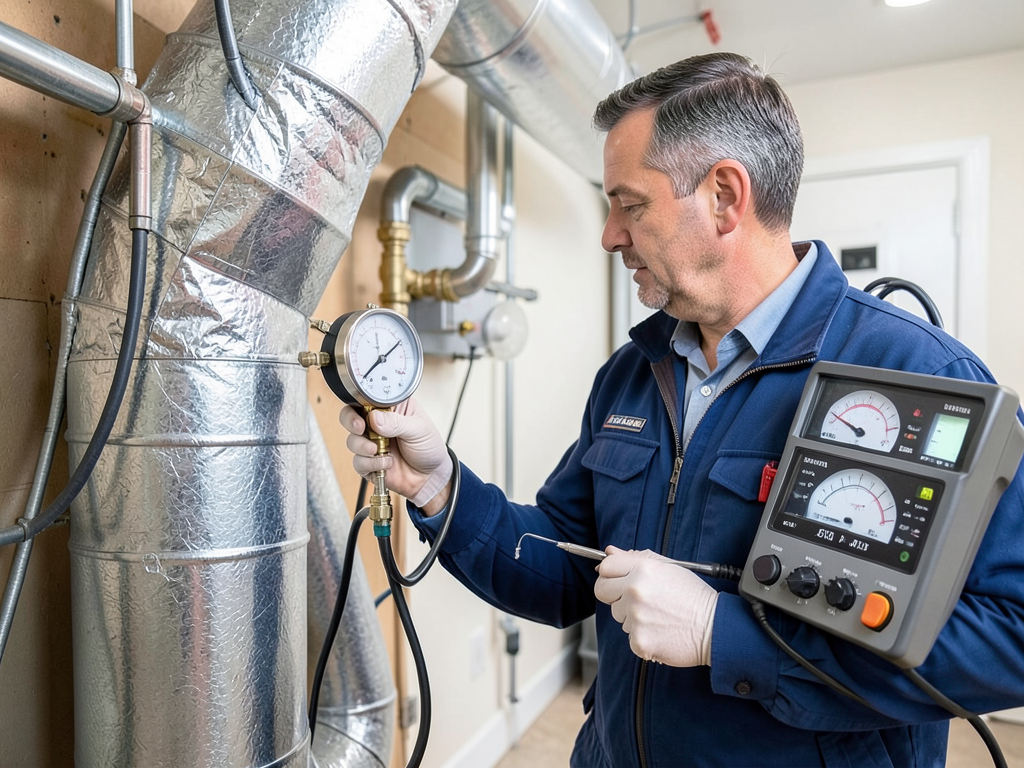
This diagram shows how smart vents create micro-zones within your existing ductwork, allowing different temperatures on each floor without expensive zoning systems.
The technology integrates with popular smart home platforms like Nest, Ecobee, and Google Home. In Mapleton-Fall Creek, where many homes have mixed-generation HVAC systems, compatibility becomes crucial. Older furnaces may lack the variable-speed blowers needed for optimal smart vent performance. Furnace Blowing Cold Air.
Installation typically takes 2-4 hours per floor, depending on your ductwork accessibility. The vents replace standard register covers and connect to your home’s WiFi network. Battery life ranges from 6-12 months, though some premium models offer wired power options for hard-to-reach second-story vents. How Much Does a New AC Unit Cost for a Standard Zionsville Home?.
The Static Pressure Problem Most Contractors Won’t Tell You About
Static pressure is the resistance your HVAC system encounters when pushing air through ducts. When you close multiple smart vents, you reduce the total available airflow path, increasing pressure throughout the system. This is where most DIY installations go wrong.
According to ASHRAE Standard 62.2, residential HVAC systems should maintain static pressure below 0.5 inches of water column. Smart vent installations often push this to 0.7-0.9 inches, exceeding manufacturer specifications for many standard furnaces and air handlers. ASHRAE Standard 62.2.
The warning signs include: increased energy bills, longer cooling cycles, unusual blower motor noise, and in severe cases, complete system shutdown. The Indiana Residential Code (IRC) Section M1601 requires proper duct sizing and pressure testing, which most smart vent installations skip.
A professional assessment should include a manometer test to measure your system’s baseline static pressure before any modifications. This diagnostic step costs around $150 but can prevent thousands in premature equipment replacement. Affordable HVAC Replacement Options for Families in Noblesville.
Smart Vents vs. Traditional Zoning: Which Makes Sense for Your Home?
Traditional zoning uses motorized dampers in the main trunk lines and multiple thermostats to create separate temperature zones. This approach costs $3,000-5,000 but maintains proper system balance. Smart vents cost $300-500 per room but can create pressure problems.
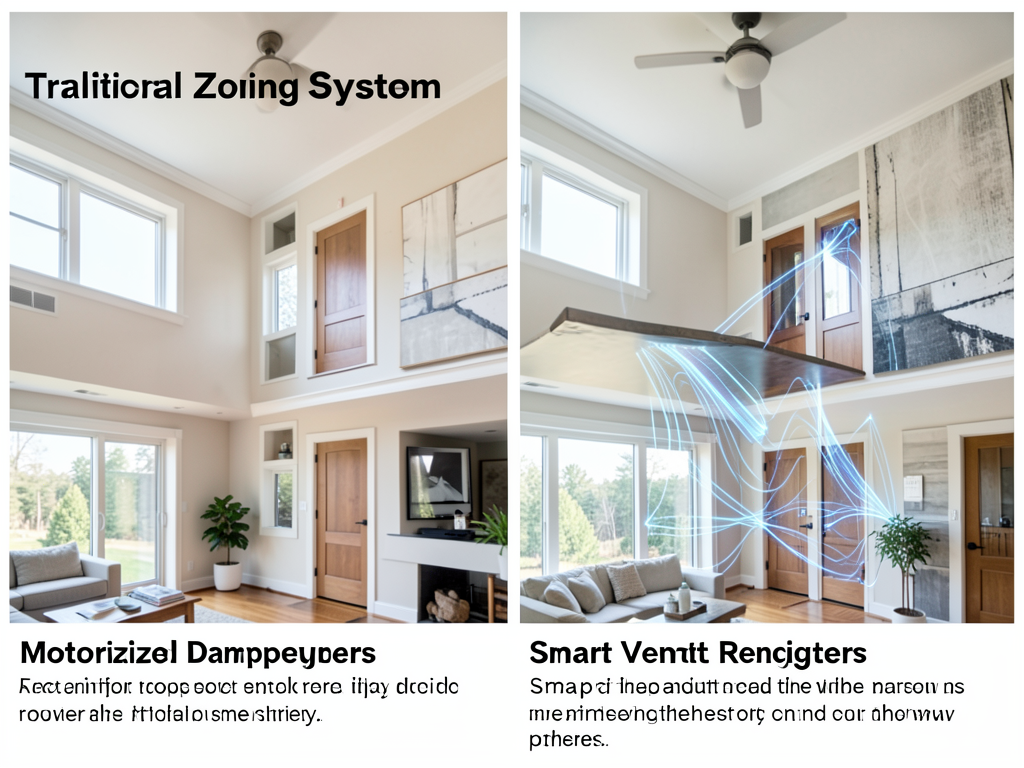
This comparison chart shows the key differences between smart vent systems and traditional zoning for Mapleton-Fall Creek homes.
| Feature | Smart Vents | Traditional Zoning |
|---|---|---|
| Initial Cost | $300-500 per vent | $3,000-5,000 total |
| Installation Time | 2-4 hours per floor | 1-2 days |
| Static Pressure Impact | High risk | Low risk |
| Energy Savings | 10-15% | 15-25% |
| Warranty Impact | May void equipment warranty | Maintains warranty |
| Best For | Small homes, budget-conscious | Large homes, long-term value |
For Mapleton-Fall Creek’s historic homes, traditional zoning often makes more sense because it works with your existing system rather than against it. The neighborhood’s mix of 1920s construction and modern additions creates unique airflow challenges that require professional evaluation.
Climate Considerations for Indianapolis Homeowners
Indianapolis experiences 42 inches of annual rainfall and humidity levels that regularly exceed 70% in summer. This moisture-laden air requires proper airflow to prevent mold growth in duct systems. Smart vents that restrict airflow can create condensation problems in your attic or crawl space.
The freeze-thaw cycles common in Central Indiana also stress duct systems. When smart vents redirect airflow away from exterior walls, those areas may not receive enough heating during cold snaps, potentially causing frozen pipes in older Mapleton-Fall Creek homes. Reliable Heating and Cooling Experts Serving the Broad Ripple Area.
Local utility companies like AES Indiana and Duke Energy offer smart home rebates that can offset smart vent costs. These programs typically require professional installation and may include free energy audits to ensure your system modifications won’t increase overall consumption.
Professional Installation: What to Expect and Why It Matters
A proper smart vent installation begins with a Manual J load calculation to verify your system can handle the modified airflow patterns. This calculation considers your home’s square footage, insulation levels, window orientation, and local climate data specific to Marion County.
The technician will then perform a duct leakage test using specialized equipment. Many Mapleton-Fall Creek homes have duct systems with 15-30% leakage due to age and settling. Smart vents can actually help identify these leaks by showing which rooms struggle to maintain temperature.
Professional installation includes pressure relief dampers that prevent dangerous static pressure buildup. These devices automatically open when pressure exceeds safe levels, protecting your blower motor but potentially negating the energy savings you hoped to achieve.
The total cost for professional installation ranges from $800-2,000 depending on your home’s complexity. This includes system testing, pressure monitoring, and a 30-day performance guarantee.
Who Should Consider Smart Vents in Mapleton-Fall Creek
Smart vents work best for homeowners who understand the limitations and have newer HVAC equipment. If your system is less than 10 years old and has a variable-speed blower, you’re more likely to see benefits without risking damage.
Renters in Mapleton-Fall Creek’s many historic apartments should avoid smart vents entirely. Most leases prohibit modifications, and the potential for system damage could result in costly repairs deducted from your security deposit. The Best AC Repair Services in Carmel for Modern Subdivisions.
Homeowners planning to stay less than three years might not recoup the investment through energy savings. The typical payback period for smart vents in Indianapolis is 4-6 years, assuming proper installation and no system damage.
Those with allergies or respiratory issues should be cautious. Restricted airflow can reduce air exchange rates, potentially concentrating indoor pollutants. A professional IAQ assessment might be more beneficial than smart vents.
DIY vs. Professional: The Hidden Costs of Cutting Corners
DIY smart vent kits cost $1,500-2,500 for a typical three-bedroom home. However, the real cost appears when your HVAC system fails prematurely. Replacing a blower motor can cost $800-1,500, while a complete system replacement runs $5,000-10,000.
Professional installers carry liability insurance that covers damage to your system during installation. Most DIY enthusiasts don’t realize that modifying your HVAC system without proper licensing can void manufacturer warranties and potentially violate local mechanical codes.
The Indiana Professional Licensing Agency requires HVAC technicians to complete specific training and pass certification exams. This isn’t just bureaucracy—it ensures technicians understand the complex thermodynamics that make your home comfortable and safe.
Professional services include post-installation monitoring. A technician will check your system’s performance after 30 days, adjusting settings to optimize both comfort and efficiency. This follow-up service is typically included in the installation cost.
Alternative Solutions Worth Considering
Before committing to smart vents, consider these alternatives that might better suit your Mapleton-Fall Creek home:
- Duct Sealing and Insulation
Many comfort issues stem from leaky ducts rather than poor airflow control. Professional duct sealing can improve efficiency by 20% and costs less than smart vents.
- Airflow Balancing
A technician can adjust dampers in your existing ductwork to direct more air to problem areas. This service typically costs $300-500 and provides immediate results.
- Supplemental Cooling
For second-story issues, a ductless mini-split system might be more effective than trying to force more air through existing ducts.
- Attic Ventilation
Many Mapleton-Fall Creek homes have poor attic ventilation, causing upper floors to overheat. Improving this can reduce cooling loads significantly.
These solutions address the root causes of temperature imbalance rather than just treating the symptoms. A comprehensive home energy audit, costing around $400, can identify the most cost-effective improvements for your specific situation.
Making the Right Choice for Your Home
The decision to install smart vents should be based on a professional assessment of your HVAC system’s capacity and your home’s specific needs. In Mapleton-Fall Creek, where historic preservation meets modern comfort expectations, this balance is particularly important.
Consider scheduling a free HVAC evaluation before making any decisions. A qualified technician can measure your system’s static pressure, inspect your ductwork, and provide recommendations tailored to your home’s construction and your comfort goals.
Remember that the cheapest option isn’t always the most cost-effective. Smart vents might seem like an easy DIY solution, but the potential for expensive system damage makes professional evaluation worthwhile.
Frequently Asked Questions
Will smart vents void my HVAC warranty?
Most manufacturers consider smart vents a modification that can void equipment warranties. Professional installation with pressure monitoring may preserve some warranty coverage, but always check with your manufacturer first.
How long do smart vents typically last?
Quality smart vents last 5-7 years with proper maintenance. Battery replacement is typically needed annually, and the motorized components may require servicing after 3-4 years of heavy use.
Can I install smart vents in a historic Mapleton-Fall Creek home?
Yes, but older homes often have unique challenges like irregular duct sizing and poor insulation. Professional installation is strongly recommended to avoid damaging historic systems or creating new problems.
What’s the energy savings potential in Indianapolis?
Properly installed smart vents typically save 10-15% on cooling costs in Indianapolis. However, improper installation can actually increase energy consumption by forcing your system to work harder.
Do smart vents work with all thermostat brands?
Most smart vents integrate with major brands like Nest, Ecobee, and Honeywell. However, compatibility varies, and some systems work better with specific vent brands. Professional assessment can identify the best match for your setup.
Call (317) 688-8818 today to schedule your HVAC system evaluation and learn whether smart vents are right for your Mapleton-Fall Creek home. Don’t risk damaging your system with DIY installation when professional help is just a phone call away.
{
“@context”: “https://schema.org”,
“@type”: “BlogPosting”,
“headline”: “Using Smart Vents to Balance Airflow in Your Mapleton-Fall Creek Multi-Story Home”,
“description”: “Struggling with hot upstairs and cold downstairs in your Mapleton-Fall Creek home? Learn how smart vents can fix uneven airflow and when professional HVAC help is needed.”,
“wordCount”: 1797,
“datePublished”: “2026-04-20T09:11:00.000Z”,
“dateModified”: “2026-04-20T09:11:00.000Z”,
“inLanguage”: “en-US”,
“mainEntityOfPage”: {
“@type”: “WebPage”,
“@id”: “https://reliancehvacindianapolis.com”
},
“publisher”: {
“@type”: “LocalBusiness”,
“name”: “Reliance HVAC Indianapolis”,
“url”: “https://reliancehvacindianapolis.com”
},
“author”: {
“@type”: “Organization”,
“name”: “Reliance HVAC Indianapolis”,
“url”: “https://reliancehvacindianapolis.com”
},
“image”: {
“@type”: “ImageObject”,
“url”: “https://reliancehvacindianapolis.com/wp-content/uploads/2026/03/using-smart-vents-to-balance-airflow-in-your-maple-1.png”
}
}
{
“@context”: “https://schema.org”,
“@type”: “HVACBusiness”,
“name”: “Reliance HVAC Indianapolis”,
“url”: “https://reliancehvacindianapolis.com”,
“address”: {
“@type”: “PostalAddress”,
“addressLocality”: “Indianapolis”
},
“areaServed”: {
“@type”: “City”,
“name”: “Indianapolis”
}
}
{
“@context”: “https://schema.org”,
“@type”: “FAQPage”,
“mainEntity”: [
{
“@type”: “Question”,
“name”: “Smart Vents vs. Traditional Zoning: Which Makes Sense for Your Home?”,
“acceptedAnswer”: {
“@type”: “Answer”,
“text”: “Traditional zoning uses motorized dampers in the main trunk lines and multiple thermostats to create separate temperature zones. This approach costs $3,000-5,000 but maintains proper system balance. Smart vents cost $300-500 per room but can create pressure problems.”
}
},
{
“@type”: “Question”,
“name”: “Will smart vents void my HVAC warranty?”,
“acceptedAnswer”: {
“@type”: “Answer”,
“text”: “Most manufacturers consider smart vents a modification that can void equipment warranties. Professional installation with pressure monitoring may preserve some warranty coverage, but always check with your manufacturer first.”
}
},
{
“@type”: “Question”,
“name”: “How long do smart vents typically last?”,
“acceptedAnswer”: {
“@type”: “Answer”,
“text”: “Quality smart vents last 5-7 years with proper maintenance. Battery replacement is typically needed annually, and the motorized components may require servicing after 3-4 years of heavy use.”
}
},
{
“@type”: “Question”,
“name”: “Can I install smart vents in a historic Mapleton-Fall Creek home?”,
“acceptedAnswer”: {
“@type”: “Answer”,
“text”: “Yes, but older homes often have unique challenges like irregular duct sizing and poor insulation. Professional installation is strongly recommended to avoid damaging historic systems or creating new problems.”
}
},
{
“@type”: “Question”,
“name”: “What’s the energy savings potential in Indianapolis?”,
“acceptedAnswer”: {
“@type”: “Answer”,
“text”: “Properly installed smart vents typically save 10-15% on cooling costs in Indianapolis. However, improper installation can actually increase energy consumption by forcing your system to work harder.”
}
},
{
“@type”: “Question”,
“name”: “Do smart vents work with all thermostat brands?”,
“acceptedAnswer”: {
“@type”: “Answer”,
“text”: “Most smart vents integrate with major brands like Nest, Ecobee, and Honeywell. However, compatibility varies, and some systems work better with specific vent brands. Professional assessment can identify the best match for your setup.”
}
}
]
}
{
“@context”: “https://schema.org”,
“@type”: “HowTo”,
“name”: “HVAC Comfort Solutions”,
“step”: [
{
“@type”: “HowToStep”,
“position”: 1,
“name”: “Duct Sealing and Insulation”,
“text”: “Many comfort issues stem from leaky ducts rather than poor airflow control. Professional duct sealing can improve efficiency by 20% and costs less than smart vents.”
},
{
“@type”: “HowToStep”,
“position”: 2,
“name”: “Airflow Balancing”,
“text”: “A technician can adjust dampers in your existing ductwork to direct more air to problem areas. This service typically costs $300-500 and provides immediate results.”
},
{
“@type”: “HowToStep”,
“position”: 3,
“name”: “Supplemental Cooling”,
“text”: “For second-story issues, a ductless mini-split system might be more effective than trying to force more air through existing ducts.”
},
{
“@type”: “HowToStep”,
“position”: 4,
“name”: “Attic Ventilation”,
“text”: “Many Mapleton-Fall Creek homes have poor attic ventilation, causing upper floors to overheat. Improving this can reduce cooling loads significantly.”
}
],
“image”: “https://reliancehvacindianapolis.com/wp-content/uploads/2026/03/using-smart-vents-to-balance-airflow-in-your-maple-1.png”
}
{
“@context”: “https://schema.org”,
“@type”: “BreadcrumbList”,
“itemListElement”: [
{
“@type”: “ListItem”,
“position”: 1,
“name”: “Home”,
“item”: “https://reliancehvacindianapolis.com”
},
{
“@type”: “ListItem”,
“position”: 2,
“name”: “Blog”,
“item”: “https://reliancehvacindianapolis.com/blog”
},
{
“@type”: “ListItem”,
“position”: 3,
“name”: “Using Smart Vents to Balance Airflow in Your Mapleton-Fall Creek Multi-Story Home”
}
]
}
{
“@context”: “https://schema.org”,
“@type”: “Service”,
“serviceType”: “HVAC”,
“provider”: {
“@type”: “LocalBusiness”,
“name”: “Reliance HVAC Indianapolis”,
“url”: “https://reliancehvacindianapolis.com”
},
“areaServed”: {
“@type”: “City”,
“name”: “Indianapolis”
},
“description”: “Struggling with hot upstairs and cold downstairs in your Mapleton-Fall Creek home? Learn how smart vents can fix uneven airflow and when professional HVAC help is needed.”
}