
Using Your Heating System to Prevent Frozen Pipes during an Indianapolis Polar Vortex
Indianapolis winters can turn brutal when a polar vortex sweeps through central Indiana. Sub-zero temperatures combined with wind chills below -20°F create the perfect conditions for frozen pipes and costly water damage. Your heating system is your first line of defense against this winter threat. By understanding how to optimize your furnace and thermostat settings, you can protect your plumbing infrastructure and avoid emergency repair costs that often exceed $5,000 for burst pipe incidents. The Best AC Repair Services in Carmel for Modern Subdivisions.
The connection between your HVAC system and plumbing safety runs deeper than most homeowners realize. When outdoor temperatures plummet, the warm air circulating through your home becomes critical for maintaining pipe temperatures above freezing. A properly functioning furnace keeps interior spaces consistently warm, preventing the thermal transfer that causes water to freeze inside pipes. This is especially crucial for plumbing running through exterior walls, crawl spaces, and unheated basements common in Indianapolis homes built before 2000. Furnace Blowing Cold Air.
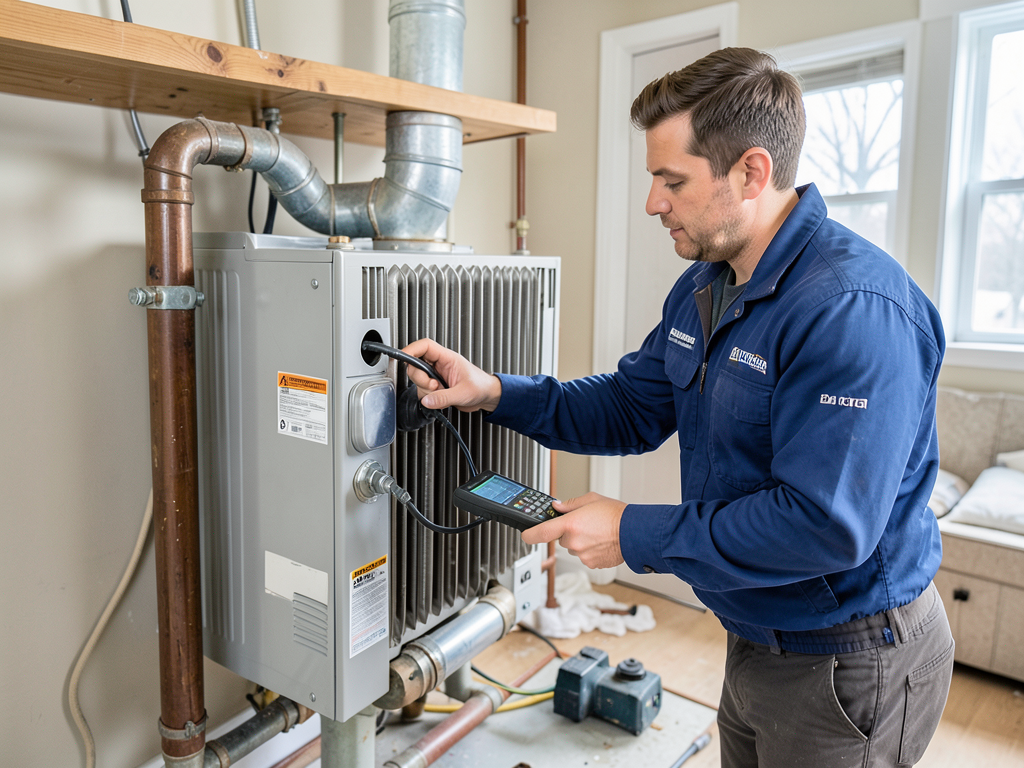
Understanding the Science Behind Frozen Pipes and HVAC Protection
Pipes freeze when ambient temperatures drop below 32°F and remain there for extended periods. The freezing process causes water to expand by approximately 9%, creating tremendous pressure that can rupture pipe walls. Your heating system prevents this by maintaining consistent air temperatures around vulnerable plumbing. The warm air acts as a thermal barrier, slowing heat loss from pipes and keeping water in a liquid state even when outdoor temperatures fall below zero. Reliable Heating and Cooling Experts Serving the Broad Ripple Area.
Indianapolis experiences an average of 4-5 days per year with temperatures below zero, according to data from the National Weather Service station at Indianapolis International Airport. During these extreme cold events, the ground can freeze to depths of 24-30 inches, putting underground supply lines at risk. Homes in older Indianapolis neighborhoods like Irvington and Woodruff Place often have plumbing that runs through uninsulated exterior walls or crawl spaces, making them particularly vulnerable to freezing during polar vortex conditions. National Weather Service Indianapolis.
Optimal Thermostat Settings for Sub-Zero Indianapolis Nights
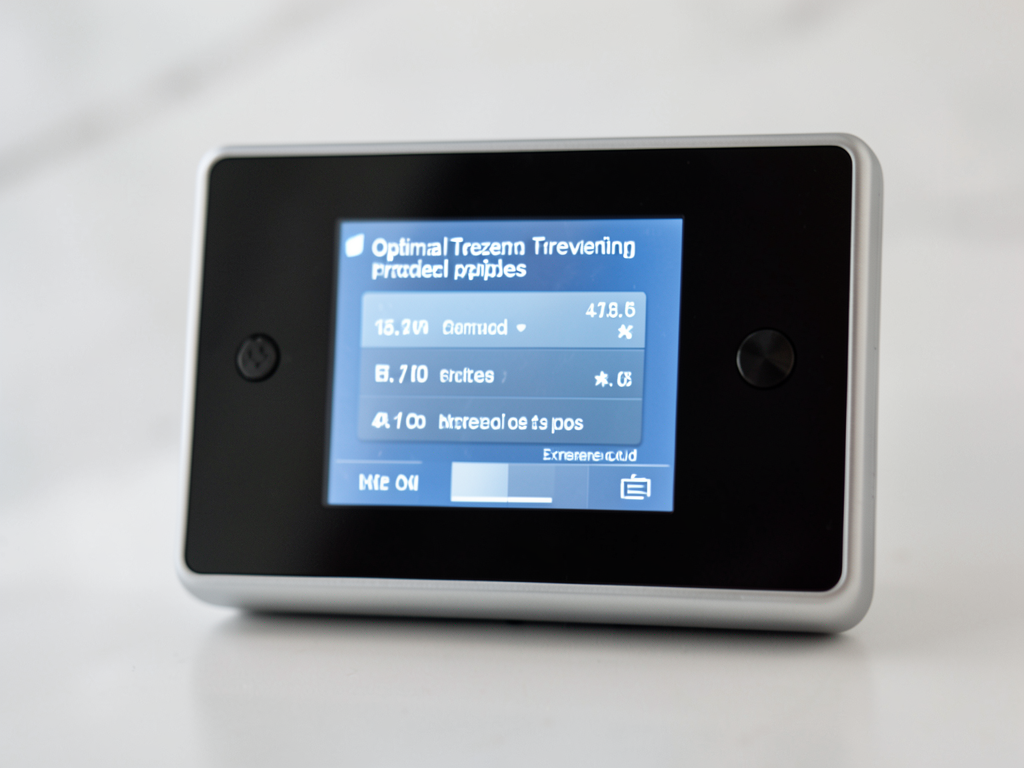
During extreme cold events, setting your thermostat between 68-72°F provides the best protection against frozen pipes. This temperature range ensures adequate heat distribution to all areas of your home, including spaces where plumbing runs through exterior walls or unheated areas. Many homeowners make the mistake of lowering their thermostat to save energy during cold snaps, but this creates dangerous cold spots where pipes can freeze.
Digital thermostats require special attention during polar vortex events. Replace the batteries annually in the fall before cold weather arrives. A dead thermostat battery during a sub-zero night can cause your furnace to shut down completely, leaving your pipes vulnerable. The City of Indianapolis Building Code requires all new construction to include hardwired thermostat connections, but many older homes still rely on battery-powered units.
Programmable thermostats need adjustment for extreme weather. If you typically set your thermostat back to 60°F at night, override this setting during polar vortex conditions. The energy savings from a 5-8 degree setback is minimal compared to the potential cost of frozen pipes. Keep your thermostat at a consistent temperature day and night when temperatures drop below 10°F.
Maximizing Airflow to Vulnerable Areas
Proper airflow is essential for preventing frozen pipes in Indianapolis homes. Keep interior doors open to allow warm air to circulate freely throughout your home. This includes closet doors, cabinet doors under sinks, and doors to rooms that contain plumbing fixtures. The warm air needs unobstructed paths to reach all areas where pipes are located.
Clear supply vents and return registers of furniture, rugs, and other obstructions. Blocked vents force your furnace to work harder and create cold spots where pipes can freeze. In Indianapolis homes with basements, ensure that supply registers in the basement are fully open. Many homeowners close these vents to save energy, but this practice can lead to frozen pipes in the floor joists above.
Consider using your furnace fan in the “ON” position rather than “AUTO” during extreme cold events. This keeps air circulating continuously through your ductwork, maintaining more consistent temperatures throughout your home. The constant air movement helps prevent cold spots from developing in areas where pipes are located.
HVAC Maintenance as a Preventative Measure
A furnace failure at 3 AM during a polar vortex can lead directly to frozen pipes within hours. Regular HVAC maintenance is your best insurance against this scenario. The National Fire Protection Association recommends annual furnace inspections, but in Indianapolis’s climate, bi-annual maintenance provides better protection during extreme weather events. National Fire Protection Association.
During a professional tune-up, technicians check critical components that affect heating performance during extreme cold. The heat exchanger should be inspected for cracks that could allow carbon monoxide to enter your home. The blower motor needs proper lubrication to maintain consistent airflow. The flame sensor must be clean to ensure reliable ignition when temperatures drop below zero.
Replace your furnace filter every 30-60 days during winter months. A dirty filter restricts airflow, forcing your furnace to work harder and potentially causing it to shut down from overheating. This is particularly important in Indianapolis homes with pets, as pet dander can quickly clog filters during months when windows remain closed.
Smart Technology: WiFi Thermostats and Freeze Alarms
Modern WiFi thermostats offer advanced protection against frozen pipes. These devices can send alerts to your smartphone when indoor temperatures drop below preset thresholds, allowing you to respond quickly to potential problems. Some models integrate with freeze sensors placed in vulnerable areas like crawl spaces and basements, providing early warning of temperature drops that could lead to frozen pipes.
The Nest Learning Thermostat and similar devices learn your home’s heating patterns and can automatically adjust settings during extreme weather. They also provide energy usage reports that help you understand how your heating system performs during cold snaps. Many Indianapolis homeowners find that the peace of mind these devices provide justifies their $150-300 investment cost.
Freeze alarms represent another layer of protection. These battery-powered devices sound an audible alarm and send notifications when temperatures drop below 40°F. Place them in areas where pipes are most vulnerable, such as attics, crawl spaces, and garages. Some models include water leak sensors that detect burst pipes before extensive damage occurs.
Local Emergency Resources for Indianapolis Homeowners
When frozen pipes strike during a polar vortex, quick action is essential. The Indianapolis Fire Department responds to hundreds of water emergency calls each winter when pipes burst and flood homes. Keep emergency contact numbers readily available, including your HVAC contractor and a licensed plumber who offers 24/7 emergency service.
Know the location of your main water shut-off valve before an emergency occurs. This valve is typically located where the water line enters your home, often in the basement or crawl space. Test the valve annually to ensure it operates smoothly. During a polar vortex, a frozen pipe can burst within minutes of a thermostat failure, making quick shut-off crucial.
Indianapolis Water Company provides emergency water shut-off services for customers experiencing major leaks. Their emergency line operates 24/7, but response times can extend to several hours during widespread cold events. Having a personal shut-off valve gives you immediate control over water flow when every minute counts.
Special Considerations for Indianapolis Home Types
Indianapolis’s diverse housing stock presents unique challenges for preventing frozen pipes. Historic homes in neighborhoods like Meridian-Kessler and Butler-Tarkington often feature original plumbing in exterior walls without modern insulation. These homes require extra vigilance during polar vortex events, including keeping cabinet doors open and maintaining higher indoor temperatures.
Newer construction in suburbs like Fishers and Carmel typically includes better insulation and PEX plumbing that resists freezing. However, these homes often have complex HVAC zoning systems that can create temperature variations. Ensure all zones maintain adequate heat during extreme cold, particularly in bonus rooms above garages where pipes may run through unheated spaces.
Multi-story homes face additional challenges as heat rises to upper floors, potentially leaving lower levels and basements too cold. Consider using space heaters safely in areas where plumbing runs through unheated spaces, but never leave them unattended. The Consumer Product Safety Commission reports that space heaters cause approximately 1,700 home fires annually, so use them cautiously.
Long-term Solutions for Pipe Protection
While emergency measures help during polar vortex events, long-term solutions provide better protection for Indianapolis homeowners. Pipe insulation is one of the most cost-effective investments, typically costing $1-3 per linear foot installed. Focus on insulating pipes in unconditioned spaces like crawl spaces, attics, and exterior walls first.
Heat tape installation provides active protection for the most vulnerable pipes. These electrically heated cables maintain pipe temperatures above freezing even when ambient temperatures drop well below zero. Professional installation costs $300-500 for a typical home, but the protection they provide during extreme cold events often pays for itself in prevented damage.
Consider upgrading to a high-efficiency furnace if your current system is more than 15 years old. Modern furnaces maintain more consistent temperatures and include features like variable-speed blowers that improve heat distribution. The energy savings often offset the investment cost within 5-7 years, especially in Indianapolis’s climate where heating systems operate 6-7 months per year.
Emergency Response Plan for Frozen Pipe Prevention
Develop an emergency response plan before the next polar vortex hits Indianapolis. This plan should include immediate steps to take if you suspect frozen pipes, such as shutting off the main water valve and calling for professional help. Keep contact information for emergency services readily available, including (317) 688-8818 for Reliance HVAC’s 24/7 emergency response.
Document your home’s plumbing layout, including the location of shut-off valves and vulnerable areas. Share this information with family members so everyone knows how to respond during an emergency. Consider creating a winter emergency kit that includes flashlights, batteries, bottled water, and emergency contact numbers.
Monitor weather forecasts closely during winter months. When polar vortex conditions are predicted, take proactive steps like dripping faucets to keep water moving through pipes and opening cabinet doors to allow warm air circulation. These simple measures can prevent costly damage when extreme cold strikes.
Cost-Benefit Analysis of Prevention vs. Repair
The cost of preventing frozen pipes through proper HVAC management and maintenance typically ranges from $200-800 annually. This includes professional tune-ups, filter replacements, and minor upgrades like pipe insulation. Compare this to the average cost of repairing burst pipe damage, which can exceed $5,000 for a single incident when factoring in water damage, mold remediation, and drywall repair. Affordable HVAC Replacement Options for Families in Noblesville.
Insurance companies report that water damage claims from frozen pipes average $10,000-15,000 when secondary damage is included. Many policies have separate deductibles for water damage, often $1,000-2,500, meaning you’ll pay this amount out-of-pocket even with insurance coverage. The financial case for prevention becomes clear when you consider that a single burst pipe incident can cost more than a decade of preventative maintenance.
Beyond the financial costs, the inconvenience and stress of dealing with burst pipes during extreme weather can be substantial. Emergency repairs often require waiting days for available contractors, living without water while repairs are completed, and dealing with insurance claims during already stressful winter conditions.
Conclusion: Your HVAC System as Your Winter Protector
Your heating system plays a crucial role in protecting your Indianapolis home from frozen pipes during polar vortex events. By maintaining proper thermostat settings, ensuring good airflow, and keeping your furnace in top condition, you create a thermal barrier that prevents pipes from freezing even when outdoor temperatures plummet. The small investments in maintenance and prevention pay significant dividends when extreme weather strikes.
Remember that frozen pipes can cause damage within hours of a heating system failure. Don’t wait until temperatures drop to take action. Schedule your annual furnace inspection now, replace filters regularly, and consider upgrading to smart thermostats that provide early warning of temperature problems. Your home’s plumbing system depends on your heating system working correctly during Indianapolis’s coldest months.
When extreme cold threatens your home’s plumbing, professional help is just a phone call away. Call (317) 688-8818 today to schedule your furnace inspection and ensure your system is ready for whatever winter brings. Don’t let frozen pipes turn your home into an expensive repair project this season.
Frequently Asked Questions
What temperature should I set my thermostat to prevent frozen pipes?
Set your thermostat between 68-72°F during extreme cold events. This temperature range provides adequate heat distribution to prevent pipes from freezing, even in vulnerable areas like exterior walls and crawl spaces.
How long does it take for pipes to freeze in extreme cold?
Pipes can begin freezing within 3-6 hours when temperatures drop below 20°F and remain there. In sub-zero conditions, freezing can occur in as little as 1-2 hours, especially in uninsulated or exterior wall pipes.
Should I drip my faucets during a polar vortex?
Yes, letting faucets drip slightly during extreme cold events helps prevent freezing by keeping water moving through pipes. Focus on faucets connected to pipes that run through exterior walls or unheated spaces.
How often should I replace my furnace filter in winter?
Replace your furnace filter every 30-60 days during winter months. More frequent replacement may be needed if you have pets or live in an area with high dust levels, as clogged filters can cause your furnace to shut down.
What should I do if I suspect my pipes are frozen?
Immediately shut off your main water valve to prevent flooding if pipes burst. Keep faucets open to allow water to escape when pipes thaw. Call a professional plumber right away, as frozen pipes require specialized equipment to thaw safely.
{
“@context”: “https://schema.org”,
“@type”: “BlogPosting”,
“headline”: “Using Your Heating System to Prevent Frozen Pipes during an Indianapolis Polar Vortex”,
“description”: “Protect your Indianapolis home from frozen pipes this winter. Learn how your HVAC system can prevent costly water damage during extreme cold snaps.”,
“wordCount”: 2288,
“datePublished”: “2026-06-10T11:27:00.000Z”,
“dateModified”: “2026-06-10T11:27:00.000Z”,
“inLanguage”: “en-US”,
“mainEntityOfPage”: {
“@type”: “WebPage”,
“@id”: “https://reliancehvacindianapolis.com”
},
“publisher”: {
“@type”: “LocalBusiness”,
“name”: “Reliance HVAC Indianapolis”,
“url”: “https://reliancehvacindianapolis.com”
},
“author”: {
“@type”: “Organization”,
“name”: “Reliance HVAC Indianapolis”,
“url”: “https://reliancehvacindianapolis.com”
},
“image”: {
“@type”: “ImageObject”,
“url”: “https://reliancehvacindianapolis.com/wp-content/uploads/2026/03/using-your-heating-system-to-prevent-frozen-pipes-1.png”
}
}
{
“@context”: “https://schema.org”,
“@type”: “HVACBusiness”,
“name”: “Reliance HVAC Indianapolis”,
“url”: “https://reliancehvacindianapolis.com”,
“address”: {
“@type”: “PostalAddress”,
“addressLocality”: “Indianapolis”
},
“areaServed”: {
“@type”: “City”,
“name”: “Indianapolis”
}
}
{
“@context”: “https://schema.org”,
“@type”: “FAQPage”,
“mainEntity”: [
{
“@type”: “Question”,
“name”: “What temperature should I set my thermostat to prevent frozen pipes?”,
“acceptedAnswer”: {
“@type”: “Answer”,
“text”: “Set your thermostat between 68-72°F during extreme cold events. This temperature range provides adequate heat distribution to prevent pipes from freezing, even in vulnerable areas like exterior walls and crawl spaces.”
}
},
{
“@type”: “Question”,
“name”: “How long does it take for pipes to freeze in extreme cold?”,
“acceptedAnswer”: {
“@type”: “Answer”,
“text”: “Pipes can begin freezing within 3-6 hours when temperatures drop below 20°F and remain there. In sub-zero conditions, freezing can occur in as little as 1-2 hours, especially in uninsulated or exterior wall pipes.”
}
},
{
“@type”: “Question”,
“name”: “Should I drip my faucets during a polar vortex?”,
“acceptedAnswer”: {
“@type”: “Answer”,
“text”: “Yes, letting faucets drip slightly during extreme cold events helps prevent freezing by keeping water moving through pipes. Focus on faucets connected to pipes that run through exterior walls or unheated spaces.”
}
},
{
“@type”: “Question”,
“name”: “How often should I replace my furnace filter in winter?”,
“acceptedAnswer”: {
“@type”: “Answer”,
“text”: “Replace your furnace filter every 30-60 days during winter months. More frequent replacement may be needed if you have pets or live in an area with high dust levels, as clogged filters can cause your furnace to shut down.”
}
},
{
“@type”: “Question”,
“name”: “What should I do if I suspect my pipes are frozen?”,
“acceptedAnswer”: {
“@type”: “Answer”,
“text”: “Immediately shut off your main water valve to prevent flooding if pipes burst. Keep faucets open to allow water to escape when pipes thaw. Call a professional plumber right away, as frozen pipes require specialized equipment to thaw safely.”
}
}
]
}
{
“@context”: “https://schema.org”,
“@type”: “BreadcrumbList”,
“itemListElement”: [
{
“@type”: “ListItem”,
“position”: 1,
“name”: “Home”,
“item”: “https://reliancehvacindianapolis.com”
},
{
“@type”: “ListItem”,
“position”: 2,
“name”: “Blog”,
“item”: “https://reliancehvacindianapolis.com/blog”
},
{
“@type”: “ListItem”,
“position”: 3,
“name”: “Using Your Heating System to Prevent Frozen Pipes during an Indianapolis Polar Vortex”
}
]
}
{
“@context”: “https://schema.org”,
“@type”: “Service”,
“serviceType”: “HVAC”,
“provider”: {
“@type”: “LocalBusiness”,
“name”: “Reliance HVAC Indianapolis”,
“url”: “https://reliancehvacindianapolis.com”
},
“areaServed”: {
“@type”: “City”,
“name”: “Indianapolis”
},
“description”: “Protect your Indianapolis home from frozen pipes this winter. Learn how your HVAC system can prevent costly water damage during extreme cold snaps.”
}