
Warning Signs Your HVAC Blower Motor is About to Quit in Fishers
Your furnace’s blower motor is the heart of your heating system, pushing warm air through your home’s ductwork. When it starts to fail, you’ll notice subtle changes that can quickly escalate into a complete breakdown. In Fishers’ cold winters, a failing blower motor means more than just discomfort—it can leave your family without heat when you need it most. Furnace Blowing Cold Air.
Before your blower motor gives up completely, it will send you warning signals. Recognizing these early signs can save you from emergency service calls and potentially prevent damage to other components in your HVAC system. Let’s walk through what to watch for and what those strange noises or smells actually mean.
5 Warning Signs Your Blower Motor is Failing
Understanding the symptoms of a failing blower motor helps you catch problems early. Here are the most common warning signs homeowners in Fishers experience:. Read more about Fast Furnace Fixes for Homeowners in the Geist Reservoir Area.
Unusual Noises Coming from Your Furnace
When your blower motor bearings start to wear out, you’ll hear high-pitched squealing or screeching sounds. These noises occur because the motor struggles to turn the fan. A failing motor might also produce rattling sounds if internal components are loose or grinding noises if the bearings are completely worn.
Listen for these sounds when your furnace first turns on and while it’s running. The noise often gets louder as the motor heats up. If you hear a loud clunking sound, the motor’s internal components may already be breaking apart.
Weak or Inconsistent Airflow from Vents
A failing blower motor can’t maintain proper airflow through your ductwork. You might notice weak airflow from your vents, even when your furnace is running. Some rooms may feel colder than others because the motor can’t push enough air to reach them.
Check if you need to hold your hand directly against the vent to feel any air movement. When airflow drops significantly, your furnace runs longer to heat your home, increasing wear on other components and driving up energy bills.
Unexpectedly High Energy Bills
As your blower motor struggles, it draws more electrical current to maintain speed. This increased power consumption shows up as higher utility bills without any change in your heating habits. You might see a 20-30% increase in your energy costs during winter months.
The motor works harder and longer to move the same amount of air, creating an inefficient cycle that costs you money every day. This symptom often appears alongside weak airflow and unusual noises.
Burning Smells from Your Furnace
A failing blower motor can overheat, producing a distinct burning smell from your vents. This odor often smells like hot plastic or electrical burning. The smell typically occurs when the motor’s windings overheat due to excessive current draw or failed bearings creating friction. Excess Dust in Home.
If you smell burning from your furnace, turn it off immediately and call for service. Continuing to run an overheating motor can create a fire hazard and damage other furnace components.
System Cycles On and Off Frequently
Your furnace’s limit switch monitors the temperature inside the unit. When the blower motor fails to move enough air, heat builds up inside the furnace. The limit switch shuts down the system to prevent damage, then the furnace restarts once it cools down.
This creates short cycling—your furnace turns on and off every few minutes instead of running for longer, steady periods. Short cycling wastes energy and puts stress on your entire heating system.
Common Causes of Blower Motor Failure in Indianapolis Homes
Understanding why blower motors fail helps you prevent problems. Several factors specific to Central Indiana contribute to motor failures:
Dirt and Dust Accumulation
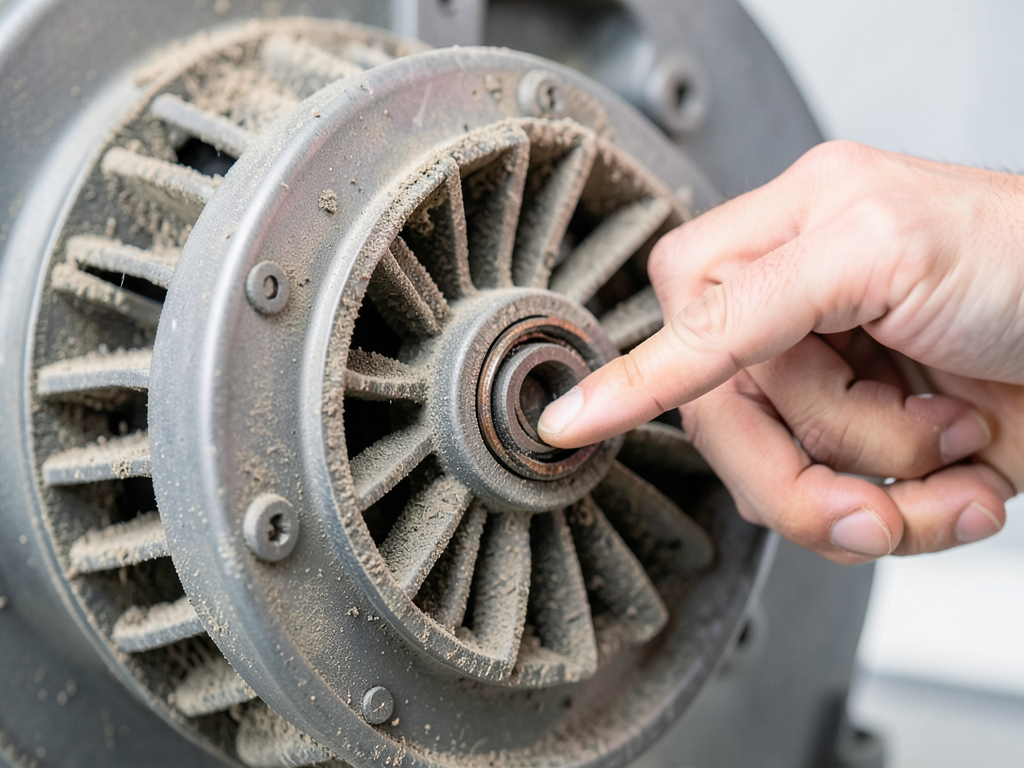
Fishers homes deal with significant dust and pollen during spring and fall seasons. This debris accumulates on the blower motor and wheel, creating extra drag that forces the motor to work harder. Over time, this strain leads to overheating and bearing wear.
Regular filter changes help, but dust still finds its way into the blower compartment. Homes near construction areas or with pets may see accelerated motor wear due to increased airborne particles.
Failed Capacitors
Most residential blower motors use a start capacitor to provide the initial torque needed to spin the motor. In Indiana’s humid climate, capacitors can fail more frequently due to heat stress and electrical fluctuations during summer storms.
A failed capacitor causes the motor to hum but not start, or it may cause the motor to start slowly and struggle to reach proper speed. This puts immediate strain on the motor’s windings.
Aging Bearings
Blower motor bearings typically last 10-15 years with proper maintenance. In Fishers homes built in the early 2000s, many blower motors are now reaching this age. Hard water scale and mineral deposits from the area’s water supply can accelerate bearing wear.
Failed bearings create the squealing noises mentioned earlier and eventually cause the motor shaft to seize completely. Once bearings fail, the motor usually needs replacement rather than repair. EPA Indoor Air Quality Guidelines.
Overheating Due to Clogged Filters
During Fishers’ coldest months, when your furnace runs constantly, a clogged air filter can cause the blower motor to overheat. The motor works harder to pull air through a restricted filter, leading to premature bearing failure and winding damage.
Check your filter monthly during peak heating season. A filter that looks gray or has visible debris needs replacement immediately to protect your blower motor.. Read more about Should You Repair or Replace the Old Furnace in Your Irvington Home?.
DIY Troubleshooting vs. Professional Repair
Before calling for service, you can perform some basic checks to identify the problem:
- Check Thermostat Settings
Verify your thermostat is set to “Heat” mode and the fan setting is on “Auto.” Sometimes incorrect settings cause airflow issues that seem like motor problems.
- Inspect Air Filter
Remove your furnace filter and check for dirt buildup. Hold it up to a light source—if you can’t see light through it, replace it immediately. A clogged filter restricts airflow and strains the motor.
- Test Circuit Breaker
Locate your furnace’s circuit breaker in the electrical panel. If it’s tripped, reset it once. If it trips again immediately, you have an electrical problem that requires professional attention.
- Listen for Operation
Set your thermostat to call for heat and listen at your furnace. You should hear the inducer motor start, followed by the blower motor. If you only hear the inducer or no motors at all, you likely have a control board or capacitor issue.
If these basic checks don’t resolve the issue, you need professional diagnosis. Blower motor replacement involves electrical work and proper motor sizing that requires HVAC certification.
Estimated Replacement Costs in Central Indiana
Blower motor replacement costs vary based on several factors specific to the Indianapolis market:
| Motor Type | Average Cost Range | Typical Lifespan |
|---|---|---|
| PSC (Permanent Split Capacitor) | $350 – $600 | 10-15 years |
| ECM (Electronically Commutated) | $600 – $1,200 | 15-20 years |
| Variable Speed | $800 – $1,500 | 15-20 years |
PSC motors are standard in most Fishers homes built before 2015. ECM and variable speed motors offer better efficiency but cost more upfront. The higher cost often pays for itself through energy savings over time. How Much Does a New AC Unit Cost for a Standard Zionsville Home?.
Labor costs in Hamilton County typically run $150-250 for standard replacements. Complex installations requiring custom mounting brackets or extensive rewiring may cost more.
Repair vs. Replace Decision Matrix
Consider these factors when deciding whether to repair or replace your blower motor: The Best AC Repair Services in Carmel for Modern Subdivisions.
| Factor | Repair Makes Sense If | Replace Makes Sense If |
|---|---|---|
| Age of Furnace | Under 8 years old | Over 12 years old |
| Motor Type | Standard PSC motor | ECM or variable speed |
| Cost of Repair | Under $300 | Over $400 |
| Energy Efficiency | No significant increase in bills | Noticeable spike in utility costs |
Older furnaces with failing blower motors often have other components nearing end-of-life. Replacing the entire furnace might be more cost-effective than repairing individual parts on a system that’s 15+ years old.
Frequently Asked Questions
How long should a blower motor last in an Indiana home?
Most blower motors last 10-15 years with proper maintenance. In Fishers’ climate, where furnaces run heavily during winter, you might see slightly shorter lifespans. Regular filter changes and annual maintenance can extend motor life significantly.
Can I run my furnace if the blower motor is failing?
Running a failing blower motor risks complete failure and potential damage to your heat exchanger. If you notice burning smells or unusual noises, turn off your furnace immediately and call for service. Continuing to run it could create safety hazards.
What causes a blower motor to fail suddenly?
Sudden failures often result from capacitor problems, electrical surges during storms, or bearing seizure. Indiana’s summer thunderstorms can cause voltage spikes that damage motor components. Regular maintenance helps identify these issues before they cause complete failure.
How can I prevent blower motor problems?
Change your air filter every 1-3 months, schedule annual furnace maintenance, and keep the area around your furnace clean and dust-free. Consider installing a surge protector for your HVAC system to guard against electrical damage from storms.
Call (317) 688-8818 for Expert Blower Motor Service
Don’t wait until your furnace leaves you in the cold. If you’re hearing strange noises, noticing weak airflow, or smelling burning from your vents, call (317) 688-8818 right now. Our NATE-certified technicians serve Fishers and surrounding areas with rapid response times. NATE Certification Information.
We’ll diagnose your blower motor problem accurately and provide upfront pricing before any work begins. Whether you need a simple repair or complete motor replacement, we have the parts and expertise to get your heating system running safely and efficiently.
Pick up the phone and call (317) 688-8818 before the next cold snap hits. Your comfort and safety depend on a properly functioning blower motor.
Additional Resources
Learn more about maintaining your HVAC system with these helpful articles:
- Getting Your Greenwood AC Fixed Fast Before the Next Humidity Spike
- Reliable Heating and Cooling Experts Serving the Broad Ripple Area
- Affordable HVAC Replacement Options for Families in Noblesville
Remember, early detection of blower motor problems can save you hundreds of dollars in emergency repairs and prevent dangerous situations in your home. Stay warm this winter with a properly functioning heating system.
{
“@context”: “https://schema.org”,
“@type”: “BlogPosting”,
“headline”: “Warning Signs Your HVAC Blower Motor is About to Quit in Fishers”,
“description”: “Is your furnace struggling in Fishers? Learn the warning signs of blower motor failure before it leaves you in the cold. Call (317) 688-8818 for expert diagnosis.”,
“wordCount”: 1711,
“datePublished”: “2026-03-09T10:45:00.000Z”,
“dateModified”: “2026-03-09T10:45:00.000Z”,
“inLanguage”: “en-US”,
“mainEntityOfPage”: {
“@type”: “WebPage”,
“@id”: “https://reliancehvacindianapolis.com”
},
“publisher”: {
“@type”: “LocalBusiness”,
“name”: “Reliance HVAC Indianapolis”,
“url”: “https://reliancehvacindianapolis.com”
},
“author”: {
“@type”: “Organization”,
“name”: “Reliance HVAC Indianapolis”,
“url”: “https://reliancehvacindianapolis.com”
},
“image”: {
“@type”: “ImageObject”,
“url”: “https://reliancehvacindianapolis.com/wp-content/uploads/2026/03/warning-signs-your-hvac-blower-motor-is-about-to-q-1.png”
}
}
{
“@context”: “https://schema.org”,
“@type”: “HVACBusiness”,
“name”: “Reliance HVAC Indianapolis”,
“url”: “https://reliancehvacindianapolis.com”,
“address”: {
“@type”: “PostalAddress”,
“addressLocality”: “Indianapolis”
},
“areaServed”: {
“@type”: “City”,
“name”: “Indianapolis”
}
}
{
“@context”: “https://schema.org”,
“@type”: “FAQPage”,
“mainEntity”: [
{
“@type”: “Question”,
“name”: “How long should a blower motor last in an Indiana home?”,
“acceptedAnswer”: {
“@type”: “Answer”,
“text”: “Most blower motors last 10-15 years with proper maintenance. In Fishers’ climate, where furnaces run heavily during winter, you might see slightly shorter lifespans. Regular filter changes and annual maintenance can extend motor life significantly.”
}
},
{
“@type”: “Question”,
“name”: “Can I run my furnace if the blower motor is failing?”,
“acceptedAnswer”: {
“@type”: “Answer”,
“text”: “Running a failing blower motor risks complete failure and potential damage to your heat exchanger. If you notice burning smells or unusual noises, turn off your furnace immediately and call for service. Continuing to run it could create safety hazards.”
}
},
{
“@type”: “Question”,
“name”: “How can I prevent blower motor problems?”,
“acceptedAnswer”: {
“@type”: “Answer”,
“text”: “Change your air filter every 1-3 months, schedule annual furnace maintenance, and keep the area around your furnace clean and dust-free. Consider installing a surge protector for your HVAC system to guard against electrical damage from storms.”
}
}
]
}
{
“@context”: “https://schema.org”,
“@type”: “HowTo”,
“name”: “Basic Blower Motor Troubleshooting”,
“step”: [
{
“@type”: “HowToStep”,
“position”: 1,
“name”: “Check Thermostat Settings”,
“text”: “Verify your thermostat is set to \”Heat\” mode and the fan setting is on \”Auto.\” Sometimes incorrect settings cause airflow issues that seem like motor problems.”
},
{
“@type”: “HowToStep”,
“position”: 2,
“name”: “Inspect Air Filter”,
“text”: “Remove your furnace filter and check for dirt buildup. Hold it up to a light source—if you can’t see light through it, replace it immediately. A clogged filter restricts airflow and strains the motor.”
},
{
“@type”: “HowToStep”,
“position”: 3,
“name”: “Test Circuit Breaker”,
“text”: “Locate your furnace’s circuit breaker in the electrical panel. If it’s tripped, reset it once. If it trips again immediately, you have an electrical problem that requires professional attention.”
},
{
“@type”: “HowToStep”,
“position”: 4,
“name”: “Listen for Operation”,
“text”: “Set your thermostat to call for heat and listen at your furnace. You should hear the inducer motor start, followed by the blower motor. If you only hear the inducer or no motors at all, you likely have a control board or capacitor issue.”
}
],
“image”: “https://reliancehvacindianapolis.com/wp-content/uploads/2026/03/warning-signs-your-hvac-blower-motor-is-about-to-q-1.png”
}
{
“@context”: “https://schema.org”,
“@type”: “BreadcrumbList”,
“itemListElement”: [
{
“@type”: “ListItem”,
“position”: 1,
“name”: “Home”,
“item”: “https://reliancehvacindianapolis.com”
},
{
“@type”: “ListItem”,
“position”: 2,
“name”: “Blog”,
“item”: “https://reliancehvacindianapolis.com/blog”
},
{
“@type”: “ListItem”,
“position”: 3,
“name”: “Warning Signs Your HVAC Blower Motor is About to Quit in Fishers”
}
]
}
{
“@context”: “https://schema.org”,
“@type”: “Service”,
“serviceType”: “HVAC”,
“provider”: {
“@type”: “LocalBusiness”,
“name”: “Reliance HVAC Indianapolis”,
“url”: “https://reliancehvacindianapolis.com”
},
“areaServed”: {
“@type”: “City”,
“name”: “Indianapolis”
},
“description”: “Is your furnace struggling in Fishers? Learn the warning signs of blower motor failure before it leaves you in the cold. Call (317) 688-8818 for expert diagnosis.”
}