
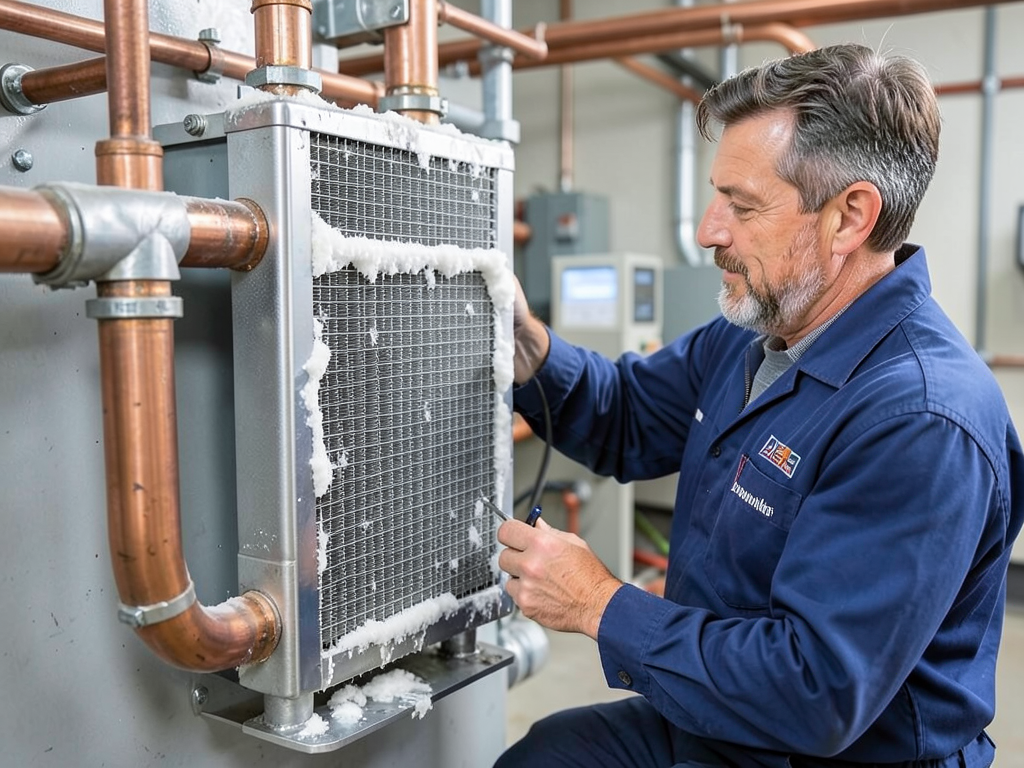
Well Water and Geothermal HVAC Maintenance Tips for Danville Homeowners
Living in Danville means dealing with Indiana’s limestone-rich aquifers that feed your well. For homeowners using open-loop geothermal systems, this local water chemistry creates unique challenges that can silently destroy your heat pump efficiency. The combination of high calcium hardness, dissolved iron, and occasional sulfur compounds in Hendricks County groundwater directly impacts your system’s heat exchanger performance and long-term reliability. Indiana Department of Natural Resources Well Regulations.
Your geothermal unit depends on consistent water flow to extract or reject heat. When that water contains minerals common to central Indiana wells, scale builds up inside copper-nickel heat exchangers, reducing thermal transfer by up to 30% within just two years. Iron bacteria create slimy biofilms that clog filters and reduce flow rates. These problems don’t show obvious symptoms until your system starts running longer cycles, your electric bills spike, and your comfort drops.
Understanding these local water issues helps you protect your investment. Regular maintenance and water testing prevent minor chemistry problems from becoming expensive repairs. The following guide explains what makes Danville’s well water unique, how it affects geothermal operation, and what maintenance steps keep your system running efficiently through Indiana’s seasonal extremes. EPA Well Maintenance Guidelines.
Understanding Open-Loop vs. Closed-Loop Vulnerabilities
Open-loop geothermal systems in Danville draw directly from your well, circulate water through the heat pump, then discharge it to a drainage field or surface outlet. This direct contact with local aquifer water exposes the system to whatever minerals and biological activity exist underground. Closed-loop systems use a sealed antifreeze solution that never contacts well water, avoiding these chemistry problems entirely.
The vulnerability difference becomes clear when testing local water. Hendricks County wells typically measure 15-25 grains per gallon of hardness, with iron content ranging from 0.3 to 2.0 parts per million. These levels seem low for drinking water but create significant heat exchanger fouling over time. The calcium and magnesium precipitate out as scale on heat transfer surfaces, while iron bacteria metabolize dissolved iron and produce the characteristic reddish-brown slime.
Flow rate requirements add another layer of complexity. A typical 3-ton geothermal unit needs 9-12 gallons per minute of continuous water flow. Sediment from your well or bacterial growth can reduce this flow below the critical threshold, causing the system to shut down on high-pressure safety switches. This protection mechanism prevents damage but leaves you without heating or cooling when you need it most. Reliable Heating and Cooling Experts Serving the Broad Ripple Area.
Call (317) 688-8818 today to schedule your inspection. We test water chemistry, measure flow rates, and inspect heat exchangers for early signs of scaling before efficiency losses become expensive repairs.
Top 5 Well Water Problems for Geothermal Systems in Indiana
Indiana’s geological history created the perfect conditions for geothermal water problems. The state’s limestone bedrock, deposited when ancient seas covered the Midwest, now dissolves into groundwater as slightly acidic rain percolates through soil. This natural process concentrates calcium, magnesium, and iron in aquifers serving Hendricks County and surrounding areas.
Mineral scaling from calcium and magnesium forms the most common issue. These minerals precipitate out of solution when water temperature changes inside the heat exchanger. The resulting scale acts like insulation, preventing efficient heat transfer. A heat exchanger that should transfer 30,000 BTU per hour might drop to 20,000 BTU after two years of scale buildup.
Iron bacteria represent the second major problem. These microorganisms feed on dissolved iron in your well water, creating a living slime that coats pipes and heat exchanger surfaces. The slime traps additional minerals and provides a habitat for other bacteria. This biological fouling can reduce flow rates by 50% while creating unpleasant odors and occasional clogs.
Sediment and silt ingress occurs when well screens degrade or during periods of high aquifer turbidity. Fine particles that pass through standard filters accumulate in heat exchangers, creating abrasive wear on pump impellers and reducing flow efficiency. The constant abrasion can wear through copper-nickel tubing over several years. How Much Does a New AC Unit Cost for a Standard Zionsville Home?.
Corrosive pH levels occasionally appear in local wells, particularly those drilled through coal-bearing strata in western Hendricks County. Water with pH below 6.5 slowly dissolves heat exchanger metals, creating pinhole leaks that introduce air into the system and cause premature failure.
Insufficient flow rates develop from any combination of these problems. Geothermal systems require minimum flow to prevent freeze-ups in heating mode and boiling in cooling mode. When flow drops below specifications, the system cycles on safety switches, creating comfort complaints and potential compressor damage.
The ‘Danville Factor’: Hard Water and Your Heat Pump
Danville’s specific location in Hendricks County places it over the Shelbyville aquifer system, where groundwater chemistry reflects the area’s limestone geology. Water hardness typically measures 18-22 grains per gallon, with total dissolved solids ranging from 300 to 500 parts per million. These levels exceed the threshold where geothermal manufacturers recommend water treatment.
The local limestone contains dolomite and calcite minerals that dissolve readily in slightly acidic groundwater. This dissolution process releases calcium, magnesium, and carbonate ions that later precipitate as scale when heated or cooled in your geothermal system. The heat exchanger’s temperature changes trigger these minerals to fall out of solution, creating insulating deposits on heat transfer surfaces.
Iron content in Danville-area wells varies significantly based on proximity to coal measures in western Hendricks County. Wells near North Salem sometimes measure 1.5-2.0 ppm iron, while those closer to Plainfield typically show 0.3-0.8 ppm. This variation affects maintenance schedules – higher iron content requires more frequent filter changes and bacterial treatment.
Water temperature also affects system efficiency. Central Indiana groundwater typically emerges at 52-55 degrees Fahrenheit year-round. This stable temperature provides excellent geothermal performance, but the mineral content at this temperature creates predictable scaling patterns. Heat exchangers show scale buildup first on the inlet side where water experiences the greatest temperature change.
Seasonal factors compound these chemistry issues. Spring rains increase aquifer turbidity, bringing more sediment into wells. Summer heat can accelerate bacterial growth in water standing in pipes. Fall temperature changes cause more dramatic mineral precipitation as systems transition between heating and cooling modes.
Diagnostic Signs: How to Tell if Your System is Failing
Geothermal systems often fail silently, with problems developing gradually over months or years. The first sign many homeowners notice is increased run time – your system runs longer to achieve the same temperature, consuming more electricity without improving comfort. This extended operation indicates heat transfer problems from scaling or flow restrictions.
High-pressure lockouts provide another diagnostic clue. When your system shuts down on high-pressure safety switches, it’s protecting itself from operating conditions that could cause damage. These lockouts often occur during cooling season when the system struggles to reject heat through a scaled heat exchanger or restricted water flow.
Increased pumping costs reveal hidden problems. If your well pump runs longer or cycles more frequently than normal, it’s working harder to overcome flow restrictions from sediment or biological fouling. This increased electrical consumption adds to your utility bills while the actual geothermal efficiency drops.
Unusual noises from the heat pump indicate mechanical stress. Scaled heat exchangers create turbulence as water flows through restricted passages. This turbulence generates vibration and noise that wasn’t present when the system was new. The sound often resembles a faint humming or rushing water noise that increases with system load.
Temperature differences between supply and return water help diagnose problems. A healthy geothermal system shows 8-12 degree temperature differences between water entering and leaving the heat exchanger. When this difference narrows to 4-6 degrees, it indicates scale buildup reducing heat transfer efficiency.
Visual inspection reveals advanced problems. Open the system access panel and look for white or greenish deposits on pipes and fittings. Check filters for reddish-brown slime indicating iron bacteria. Examine the pressure gauge – consistently high readings suggest flow restrictions from sediment or scale.
Solutions and Maintenance Strategies
Preventing geothermal water problems requires a systematic approach combining water testing, filtration, and periodic maintenance. Start with comprehensive water analysis to identify specific chemistry issues. Test for hardness, iron content, pH, total dissolved solids, and bacteria presence. This baseline data guides treatment decisions and establishes maintenance schedules.
Chemical acid flushing removes existing scale from heat exchangers. This process uses food-grade acids circulated through the system to dissolve mineral deposits. The procedure requires specialized equipment and knowledge of material compatibility – copper-nickel heat exchangers need specific acid concentrations and exposure times to avoid damage.
Inline sediment filters protect the system from particulate matter. Install filters with 20-micron or smaller ratings before the heat pump. These filters trap sand, silt, and other debris that could damage pumps or clog heat exchanger passages. Replace filters every 3-6 months based on water quality and system usage.
Water softening systems address hardness issues for open-loop systems. Ion exchange softeners replace calcium and magnesium with sodium, preventing scale formation. However, softened water increases corrosivity, requiring corrosion inhibitors and stainless steel components in the plumbing system.
Iron bacteria treatment involves shock chlorination followed by continuous disinfection. Shock treat the well and entire plumbing system with chlorine to kill existing bacteria. Install ultraviolet or chlorine injection systems for ongoing control. This treatment prevents the slimy buildup that reduces flow rates and creates odors.
Closed-loop conversions eliminate water chemistry problems entirely. Replace the open-loop system with a closed-loop configuration using food-grade antifreeze. This approach requires drilling new wells or installing horizontal loops but provides maintenance-free operation regardless of well water quality.
Regular professional maintenance includes heat exchanger inspection, flow testing, and water chemistry monitoring. Schedule service every 12-24 months depending on water quality. Technicians use flow meters, pressure gauges, and temperature sensors to assess system performance and identify developing problems before they cause failures.
Indiana Department of Natural Resources Requirements
Indiana’s regulatory framework for geothermal systems emphasizes environmental protection and well integrity. The Indiana Department of Natural Resources (IDNR) requires permits for all new geothermal wells and modifications to existing systems. These regulations ensure proper well construction, adequate setback distances from property lines, and appropriate discharge methods.
Open-loop discharge requirements vary by county and discharge method. Surface discharge to streams or drainage ditches requires additional permits and flow monitoring to prevent thermal pollution. Discharge to drainage tiles or absorption fields must comply with local ordinances regarding water table impacts and soil percolation rates.
Well construction standards specify casing materials, grouting requirements, and sanitary seals to prevent contamination of aquifers. These standards protect both your water supply and neighboring wells from cross-contamination. IDNR inspectors verify compliance during installation and may require modifications for existing systems that don’t meet current standards.
Water quality testing requirements apply to new well installations but not necessarily to existing geothermal systems. However, demonstrating water quality compliance helps avoid disputes with neighbors and ensures your system operates within design parameters. Many contractors recommend voluntary testing even when not legally required.
Abandonment procedures for geothermal wells follow specific IDNR guidelines. When removing a system or converting to closed-loop, proper well abandonment prevents future safety hazards and environmental contamination. This process involves filling the well with approved materials and documenting the abandonment with IDNR.
Cost-Benefit Analysis: Filtration vs. System Conversion
Homeowners face a decision between ongoing water treatment costs and the one-time expense of converting to closed-loop systems. Filtration and treatment systems typically cost $2,000-$5,000 initially, plus $300-$600 annually for filter replacements, chemicals, and maintenance. These systems work effectively but require consistent attention and periodic upgrades. Affordable HVAC Replacement Options for Families in Noblesville.
Closed-loop conversions cost significantly more upfront – $8,000-$15,000 depending on property size and loop configuration. However, these systems eliminate all water chemistry problems and reduce annual maintenance to basic system checks. The higher initial investment often pays for itself within 7-10 years through reduced maintenance costs and improved efficiency.
Property characteristics influence this decision. Small lots may not accommodate horizontal loops, making vertical drilling necessary and increasing conversion costs. Existing well infrastructure might be reusable for closed-loop systems, reducing excavation expenses. Local geology affects drilling costs – limestone areas typically offer easier drilling than areas with shale or clay layers.
Energy efficiency differences also factor into the calculation. Closed-loop systems typically operate 10-15% more efficiently than poorly maintained open-loop systems. This efficiency gain translates to lower monthly utility bills, with savings of $15-$30 per month for typical residential installations.
Resale value considerations favor closed-loop systems. Buyers perceive them as lower maintenance and more reliable, potentially increasing property values by $3,000-$5,000 compared to open-loop systems requiring ongoing water treatment.
Local Service Checklist for Heat Exchanger Descaling
Professional descaling requires specific tools and procedures to avoid system damage. The process begins with system isolation – shutting off power, closing valves, and draining the heat exchanger. This isolation prevents chemical damage to pumps, controls, and other components not designed for acid exposure.
Flow testing before descaling establishes baseline performance. Technicians measure flow rates, pressure drops, and temperature differences to quantify existing problems. These measurements help determine acid concentration and circulation time needed for effective scale removal.
Chemical selection depends on scale composition and heat exchanger materials. Phosphoric acid works well for calcium carbonate scale but requires careful pH monitoring. Citric acid offers a milder alternative for systems with mixed scale types. The specific concentration and temperature affect cleaning effectiveness and time requirements.
Circulation procedures involve pumping the acid solution through the heat exchanger for 2-6 hours, depending on scale thickness. Technicians monitor pH changes, which indicate scale dissolution. The solution becomes less acidic as it neutralizes with dissolved minerals, requiring periodic pH adjustment to maintain cleaning effectiveness.
Rinse and neutralization follow acid circulation. Thorough flushing removes dissolved scale and residual acid. Neutralization with baking soda or other agents ensures no acidic solution remains in the system. Final pH testing confirms complete neutralization before system restart.
Performance verification completes the process. Technicians repeat initial measurements to quantify improvements. A successful cleaning typically restores 80-95% of original heat transfer efficiency. Flow rates should return to within 10% of design specifications.
Comparison of Marion County vs. Surrounding County Water Challenges
Water chemistry varies significantly across central Indiana, affecting geothermal maintenance requirements. Marion County’s urban wells typically draw from deep sandstone aquifers where iron content remains low but hardness stays high. These wells often measure 15-20 grains per gallon hardness with iron below 0.3 ppm.
Hamilton County presents different challenges. The northern suburbs’ glacial deposits create variable water quality, with some areas experiencing high iron content from iron-bearing minerals in glacial till. Wells in Fishers and Carmel occasionally measure 1.0-1.5 ppm iron, requiring more aggressive filtration than southern areas.
Boone County’s limestone bedrock creates consistently hard water but generally lower iron content than areas with glacial influence. The county’s western regions near the White River show higher sulfate content, which can combine with calcium to form scale that’s more difficult to remove than simple calcium carbonate.
Hendricks County, including Danville, experiences the highest hardness levels in the region due to extensive limestone bedrock with minimal glacial coverage. The combination of high hardness, variable iron content, and occasional hydrogen sulfide creates the most challenging conditions for geothermal systems.
Groundwater temperature also varies by location. Deeper urban wells in Marion County often produce water at 55-58 degrees Fahrenheit, while shallow rural wells in surrounding counties typically measure 52-54 degrees. This 3-4 degree difference affects system efficiency and scale formation rates.
Well construction standards differ by county, affecting sediment and bacteria issues. Marion County’s urban regulations require more stringent casing and grouting standards than rural counties, resulting in fewer sediment problems but similar chemistry challenges.
Frequently Asked Questions
How often should I test my well water for geothermal system maintenance?
Test your well water annually for hardness, iron content, pH, and bacteria presence. Systems with iron levels above 0.3 ppm or hardness exceeding 15 grains per gallon need more frequent testing – every six months. Test immediately if you notice reduced heating or cooling performance, unusual noises, or increased run times.
Can I switch my open-loop geothermal system to closed-loop myself?
No. Converting from open-loop to closed-loop requires drilling new wells or installing ground loops, modifying the heat pump connections, and charging the system with antifreeze solution. This work requires specialized equipment, knowledge of local geology, and compliance with IDNR regulations. DIY attempts often damage expensive components and void warranties.
What’s the typical lifespan of a geothermal heat exchanger in Indiana’s hard water?
Heat exchangers in Indiana’s hard water typically last 8-12 years without proper water treatment. With appropriate filtration, softening, and regular maintenance, lifespan extends to 15-20 years. Closed-loop systems eliminate water chemistry issues entirely, often lasting 20-25 years before requiring replacement.
How much does professional descaling cost for a residential geothermal system?
Professional descaling costs $600-$1,200 depending on system size and scale severity. This service includes chemical circulation, neutralization, system testing, and performance verification. Severe scaling requiring multiple treatment cycles or component replacement can cost $1,500-$2,500. Preventive maintenance costs less than emergency repairs from scale-related failures. The Best AC Repair Services in Carmel for Modern Subdivisions.
Will water softening eliminate all geothermal maintenance issues?
Water softening prevents calcium and magnesium scale but doesn’t address iron bacteria, sediment, or corrosion issues. Softened water actually increases corrosivity, potentially damaging metal components without proper corrosion inhibitors. A complete treatment system combining softening, filtration, and disinfection provides the best protection for geothermal systems.
What maintenance can I perform myself on my geothermal system?
Replace sediment filters every 3-6 months, monitor system pressure and temperature differences monthly, and keep the area around the heat pump clean and debris-free. More complex tasks like chemical treatments, heat exchanger inspection, and flow testing require professional equipment and expertise to avoid system damage.
Protecting Your Investment Through Proper Maintenance
Your geothermal system represents a significant investment in home comfort and energy efficiency. In Danville’s challenging water conditions, that investment requires active protection through regular maintenance and water treatment. The cost of preventive care – typically $200-$400 annually – pales compared to emergency repairs or premature system replacement.
Understanding your specific water chemistry through professional testing provides the foundation for effective maintenance. This knowledge guides filter selection, chemical treatment schedules, and service intervals. It also helps you make informed decisions about system upgrades or conversions when maintenance costs become excessive. Excess Dust in Home.
The most successful geothermal owners in Hendricks County combine professional service with informed homeowner oversight. They recognize early warning signs, maintain water treatment systems, and schedule preventive maintenance before problems escalate. This proactive approach ensures reliable operation through Indiana’s seasonal temperature extremes while maximizing system lifespan.
Don’t wait for system failure to address water chemistry issues. Call (317) 688-8818 today to schedule your comprehensive geothermal inspection and water testing. We’ll identify potential problems, recommend specific solutions for your water conditions, and help you protect your investment for years of efficient operation.
Pick up the phone and call (317) 688-8818 before the next season’s extreme temperatures arrive. Your geothermal system works hardest during Indiana’s coldest winters and hottest summers – make sure it’s ready to handle whatever weather comes your way.
{
“@context”: “https://schema.org”,
“@type”: “BlogPosting”,
“headline”: “Well Water and Geothermal HVAC Maintenance Tips for Danville Homeowners”,
“description”: “Protect your geothermal system from Danville’s hard well water. Learn how iron bacteria, mineral scaling, and local aquifer chemistry affect your heat pump efficiency.”,
“wordCount”: 3180,
“datePublished”: “2026-05-29T11:55:00.000Z”,
“dateModified”: “2026-05-29T11:55:00.000Z”,
“inLanguage”: “en-US”,
“mainEntityOfPage”: {
“@type”: “WebPage”,
“@id”: “https://reliancehvacindianapolis.com”
},
“publisher”: {
“@type”: “LocalBusiness”,
“name”: “Reliance HVAC Indianapolis”,
“url”: “https://reliancehvacindianapolis.com”
},
“author”: {
“@type”: “Organization”,
“name”: “Reliance HVAC Indianapolis”,
“url”: “https://reliancehvacindianapolis.com”
},
“image”: {
“@type”: “ImageObject”,
“url”: “https://reliancehvacindianapolis.com/wp-content/uploads/2026/03/well-water-and-geothermal-hvac-maintenance-tips-fo-1.png”
}
}
{
“@context”: “https://schema.org”,
“@type”: “HVACBusiness”,
“name”: “Reliance HVAC Indianapolis”,
“url”: “https://reliancehvacindianapolis.com”,
“address”: {
“@type”: “PostalAddress”,
“addressLocality”: “Indianapolis”
},
“areaServed”: {
“@type”: “City”,
“name”: “Indianapolis”
}
}
{
“@context”: “https://schema.org”,
“@type”: “FAQPage”,
“mainEntity”: [
{
“@type”: “Question”,
“name”: “How often should I test my well water for geothermal system maintenance?”,
“acceptedAnswer”: {
“@type”: “Answer”,
“text”: “Test your well water annually for hardness, iron content, pH, and bacteria presence. Systems with iron levels above 0.3 ppm or hardness exceeding 15 grains per gallon need more frequent testing – every six months. Test immediately if you notice reduced heating or cooling performance, unusual noises, or increased run times.”
}
},
{
“@type”: “Question”,
“name”: “Can I switch my open-loop geothermal system to closed-loop myself?”,
“acceptedAnswer”: {
“@type”: “Answer”,
“text”: “No. Converting from open-loop to closed-loop requires drilling new wells or installing ground loops, modifying the heat pump connections, and charging the system with antifreeze solution. This work requires specialized equipment, knowledge of local geology, and compliance with IDNR regulations. DIY attempts often damage expensive components and void warranties.”
}
},
{
“@type”: “Question”,
“name”: “What’s the typical lifespan of a geothermal heat exchanger in Indiana’s hard water?”,
“acceptedAnswer”: {
“@type”: “Answer”,
“text”: “Heat exchangers in Indiana’s hard water typically last 8-12 years without proper water treatment. With appropriate filtration, softening, and regular maintenance, lifespan extends to 15-20 years. Closed-loop systems eliminate water chemistry issues entirely, often lasting 20-25 years before requiring replacement.”
}
},
{
“@type”: “Question”,
“name”: “How much does professional descaling cost for a residential geothermal system?”,
“acceptedAnswer”: {
“@type”: “Answer”,
“text”: “Professional descaling costs $600-$1,200 depending on system size and scale severity. This service includes chemical circulation, neutralization, system testing, and performance verification. Severe scaling requiring multiple treatment cycles or component replacement can cost $1,500-$2,500. Preventive maintenance costs less than emergency repairs from scale-related failures. The Best AC Repair Services in Carmel for Modern Subdivisions.”
}
},
{
“@type”: “Question”,
“name”: “Will water softening eliminate all geothermal maintenance issues?”,
“acceptedAnswer”: {
“@type”: “Answer”,
“text”: “Water softening prevents calcium and magnesium scale but doesn’t address iron bacteria, sediment, or corrosion issues. Softened water actually increases corrosivity, potentially damaging metal components without proper corrosion inhibitors. A complete treatment system combining softening, filtration, and disinfection provides the best protection for geothermal systems.”
}
},
{
“@type”: “Question”,
“name”: “What maintenance can I perform myself on my geothermal system?”,
“acceptedAnswer”: {
“@type”: “Answer”,
“text”: “Replace sediment filters every 3-6 months, monitor system pressure and temperature differences monthly, and keep the area around the heat pump clean and debris-free. More complex tasks like chemical treatments, heat exchanger inspection, and flow testing require professional equipment and expertise to avoid system damage.”
}
}
]
}
{
“@context”: “https://schema.org”,
“@type”: “BreadcrumbList”,
“itemListElement”: [
{
“@type”: “ListItem”,
“position”: 1,
“name”: “Home”,
“item”: “https://reliancehvacindianapolis.com”
},
{
“@type”: “ListItem”,
“position”: 2,
“name”: “Blog”,
“item”: “https://reliancehvacindianapolis.com/blog”
},
{
“@type”: “ListItem”,
“position”: 3,
“name”: “Well Water and Geothermal HVAC Maintenance Tips for Danville Homeowners”
}
]
}
{
“@context”: “https://schema.org”,
“@type”: “Service”,
“serviceType”: “HVAC”,
“provider”: {
“@type”: “LocalBusiness”,
“name”: “Reliance HVAC Indianapolis”,
“url”: “https://reliancehvacindianapolis.com”
},
“areaServed”: {
“@type”: “City”,
“name”: “Indianapolis”
},
“description”: “Protect your geothermal system from Danville’s hard well water. Learn how iron bacteria, mineral scaling, and local aquifer chemistry affect your heat pump efficiency.”
}