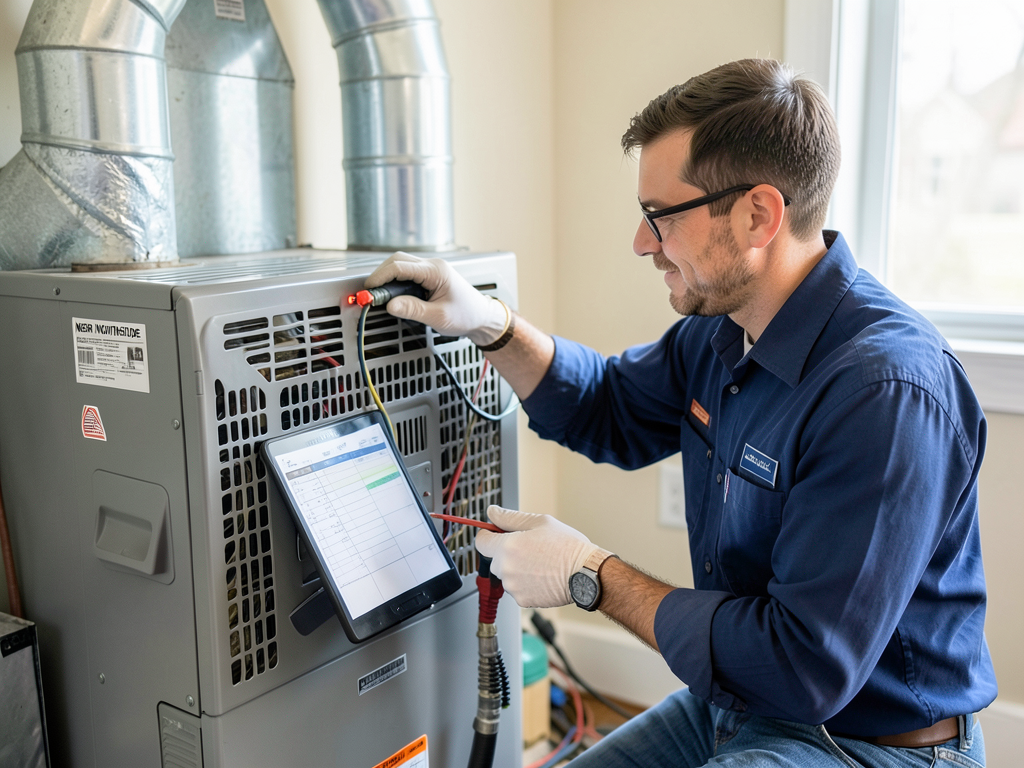
Managing rental properties in the Near Northside requires understanding both tenant comfort and legal obligations. A reliable, low-maintenance HVAC system protects your investment while keeping tenants satisfied and avoiding costly emergency repairs. The Best AC Repair Services in Carmel for Modern Subdivisions.
The Near Northside experiences extreme seasonal temperature swings, from humid 90-degree summers to sub-zero winter nights. These conditions demand equipment that can handle rapid cycling without frequent breakdowns. The right system minimizes tenant complaints and reduces your maintenance calls throughout the year.
Understanding Indiana’s Legal Requirements for Rental Heating
Indiana law requires landlords to provide heating capable of maintaining at least 68 degrees Fahrenheit in all habitable rooms. This isn’t just a comfort issue—it’s a legal requirement under Indiana Code 32-31-8-5. During Indianapolis winters, failure to meet this standard can result in tenant complaints to the Marion County Health Department. Indiana Code 32-31-8-5.
Emergency repair timelines are critical. When a furnace fails during a cold snap, you have 24-48 hours to restore heat before tenants can legally withhold rent or pursue other remedies. This makes preventative maintenance scheduling essential for Near Northside landlords. Furnace Blowing Cold Air.
Carbon monoxide detectors are mandatory in all rental units with fuel-burning appliances. The devices must be installed outside each sleeping area and on every level of the dwelling. Testing these detectors annually during HVAC maintenance protects both your tenants and your liability exposure.. Read more about How Short-Term Rental Owners in Fountain Square Can Remote Manage HVAC Costs.
Preventative Maintenance Schedule for Rental Properties
Establishing a consistent maintenance calendar prevents most emergency calls. Schedule furnace inspections in September or October before the heating season begins. This timing allows technicians to identify worn components before tenants need heat during the first cold snap. Reliable Heating and Cooling Experts Serving the Broad Ripple Area.
AC tune-ups should happen in March or April, before summer humidity arrives. The Near Northside’s high humidity levels can strain cooling systems, making pre-season cleaning and refrigerant checks crucial for preventing mid-summer failures.
Filter replacement responsibility varies by lease agreement. Some landlords provide quarterly filter changes as part of their service, while others require tenants to handle this task. If tenants are responsible, provide them with the correct filter size and replacement schedule in writing. Affordable HVAC Replacement Options for Families in Noblesville.
During maintenance visits, technicians should check for signs of tenant tampering. Locked thermostats, damaged wiring, or missing covers indicate unauthorized access that could void warranties or create safety hazards.
Budgeting for HVAC Life Cycles in Rental Properties
Midwest HVAC systems typically last 12-15 years in rental properties, slightly less than owner-occupied homes due to heavier usage. Near Northside’s climate, with rapid temperature changes, can reduce this lifespan to 10-12 years for poorly maintained units.
Calculate repair vs. replacement using the “5,000 rule.” Multiply the unit’s age by the repair cost. If the result exceeds $5,000, replacement is usually more cost-effective. For a 10-year-old unit needing $400 in repairs, the calculation (10 × $400 = $4,000) suggests repair is viable.
Section 179 of the IRS tax code allows landlords to deduct the full cost of qualifying HVAC equipment in the year of purchase rather than depreciating it over time. This can provide significant tax benefits when upgrading multiple units.
Consider energy efficiency ratings carefully. While high-SEER units cost more upfront, they can reduce tenant utility bills by 20-30%, potentially making your properties more attractive in a competitive rental market.
Tenant Communication and Education Strategies
Clear communication prevents many HVAC issues. Provide tenants with written instructions for basic troubleshooting, such as checking circuit breakers or ensuring the thermostat is set correctly. Many emergency calls result from simple user errors that proper education could prevent.
Teach tenants to recognize warning signs. Unusual noises, strange odors, or inconsistent heating/cooling should prompt immediate reporting. Early intervention prevents minor issues from becoming major repairs.
Smart thermostats offer landlords remote monitoring capabilities, but Indiana law requires disclosure and tenant consent. Some systems allow landlords to set temperature ranges while preventing tenants from making extreme adjustments that could damage equipment.
During lease signing, review HVAC policies in writing. Specify who handles filter changes, what temperature ranges are acceptable, and the process for reporting issues. This documentation protects both parties if disputes arise.
Local Rebates and Tax Incentives for Indianapolis Landlords
AES Indiana offers rebates for high-efficiency heat pumps and air conditioners installed in rental properties. Current programs provide up to $750 for qualifying equipment, with additional incentives for variable-speed systems that reduce energy consumption. AES Indiana rebates.
Citizens Energy Group provides rebates for high-efficiency gas furnaces, typically ranging from $150 to $400 depending on the equipment’s AFUE rating. These rebates can significantly offset the cost of upgrading older, less efficient units.. Read more about Finding the Quietest Furnace Options for Small Lots in Ransom Place.
The federal Energy Efficient Home Improvement Credit allows landlords to claim 30% of the cost of qualifying HVAC upgrades, up to $1,200 annually. This credit applies to both equipment and installation costs for energy-efficient systems.
Indianapolis’ building permit requirements for HVAC replacement vary by scope. Simple equipment swaps often don’t require permits, but major modifications to ductwork or electrical service do. Always verify local requirements before starting work to avoid compliance issues.
Air Quality and Mold Prevention in Rental Properties
The Near Northside’s humid summers create conditions conducive to mold growth in poorly ventilated rental units. Proper HVAC sizing and maintenance prevents condensation buildup that leads to mold problems, which can trigger tenant complaints and potential liability issues.
High-efficiency air filters (MERV 8-11) capture more airborne particles than standard filters, improving indoor air quality for tenants with allergies or respiratory conditions. While these filters cost more, they can reduce cleaning costs and tenant turnover related to air quality complaints. How Much Does a New AC Unit Cost for a Standard Zionsville Home?.
UV light systems installed in ductwork kill airborne bacteria and mold spores, providing an additional layer of protection. These systems typically cost $500-800 installed but can prevent expensive mold remediation if tenants report musty odors.
Regular duct cleaning every 3-5 years removes accumulated dust and debris that can harbor allergens. For older Near Northside homes with original ductwork, this service becomes even more important for maintaining air quality.
Emergency Repair Protocols for Landlords
Establish relationships with 24/7 HVAC contractors before emergencies occur. When a furnace fails at 2 AM during a January freeze, you need immediate response capability. Many landlords keep emergency contact information posted in rental units for tenant access.
Create a simple troubleshooting guide for tenants to follow before calling for service. Often, issues like tripped breakers or incorrect thermostat settings can be resolved without a service call, saving both time and money.
Document all repairs and maintenance performed on each unit. This history helps technicians diagnose recurring issues and provides valuable information if you decide to sell the property or refinance.
Consider service contracts for properties with multiple units. Many contractors offer volume discounts for regular maintenance across several properties, reducing per-unit costs while ensuring consistent service quality.
Smart Technology Integration for Property Management
Smart thermostats allow remote temperature monitoring and control, enabling landlords to verify that heating systems are functioning during extreme weather. Some systems send alerts when temperatures fall below predetermined thresholds, allowing early intervention before pipes freeze.
Wi-Fi-enabled HVAC systems can provide diagnostic information remotely, helping technicians arrive prepared with the right parts. This reduces service time and tenant inconvenience, particularly valuable for occupied rental units.
Energy monitoring capabilities in smart systems help identify inefficient equipment or unusual usage patterns that might indicate maintenance needs. A sudden increase in energy consumption could signal a failing compressor or refrigerant leak.
Integration with property management software allows landlords to track maintenance schedules, repair histories, and replacement timelines across multiple properties from a single dashboard.
Choosing the Right HVAC Contractor for Rental Properties
Look for contractors with experience in multi-family and rental properties. These specialists understand the unique challenges of working in occupied units and can provide documentation needed for tax purposes and tenant communication.
Verify licensing and insurance before hiring any contractor. Indiana requires HVAC technicians to hold proper certification, and liability insurance protects you if accidents occur during service calls in tenant-occupied units.
Ask about emergency response times and after-hours availability. A contractor promising 24-hour service but unable to deliver during actual emergencies provides no real value when you need immediate heat restoration.
Request references from other local landlords or property managers. Their experiences with reliability, pricing transparency, and quality of work provide valuable insights beyond marketing materials.
Cost Analysis: Standard vs. High-Efficiency Systems
Standard efficiency furnaces (80-82% AFUE) cost $2,500-4,000 installed, while high-efficiency models (90%+ AFUE) range from $4,000-7,000. The higher upfront cost can be recovered through energy savings and potential tax incentives within 3-5 years.
High-efficiency systems typically include better warranties, often 10 years on parts versus 5-7 years for standard units. This extended coverage can reduce long-term maintenance costs for landlords managing multiple properties.. Read more about Carrier versus Trane — Which Brand Handles the Indiana Climate Best?.
Consider the tenant profile when selecting equipment. Professional tenants in higher-end units often expect energy-efficient systems and may pay premium rents for lower utility costs, while student housing might prioritize reliability over efficiency.
Variable-speed equipment provides better humidity control and more consistent temperatures, reducing tenant complaints about hot or cold spots. However, these systems cost 20-30% more than single-speed alternatives.
Preparing for Seasonal Transitions
Near Northside weather can shift dramatically within 24 hours, moving from air conditioning to heating needs. Systems that handle these rapid transitions without strain provide better long-term reliability for rental properties.
Fall preparation includes checking heat exchangers for cracks, testing ignition systems, and verifying proper burner operation. These checks prevent dangerous carbon monoxide leaks and ensure reliable heating when temperatures drop suddenly.
Spring preparation focuses on cleaning condenser coils, checking refrigerant levels, and testing condensate drains. Proper drainage prevents water damage that could affect multiple units in multi-family buildings.
During shoulder seasons, educate tenants about appropriate thermostat settings. Setting the thermostat too low in summer or too high in winter can cause systems to run continuously, increasing wear and utility costs.
Common HVAC Issues in Near Northside Rentals
Older Near Northside homes often have undersized ductwork that struggles to deliver adequate airflow. This causes systems to work harder, reducing efficiency and lifespan. Duct modifications or supplemental systems may be necessary for comfortable, efficient operation.
Many rental properties have amateur electrical modifications that create safety hazards. During maintenance, technicians should check for proper grounding, adequate circuit capacity, and code-compliant wiring to prevent fire risks.
Tenant-installed window units can overload electrical circuits and create negative pressure that draws in outside air, reducing HVAC efficiency. Establish clear policies about supplemental cooling devices in lease agreements.
Radon mitigation systems, common in older Near Northside homes, can interfere with HVAC operation if not properly integrated. Ensure any mitigation system works in harmony with your heating and cooling equipment.
Building Long-Term Value Through HVAC Management
Well-maintained HVAC systems contribute to higher property values and easier tenant placement. Prospective renters often inquire about utility costs and system age, making documented maintenance history a valuable marketing tool.
Energy-efficient upgrades can qualify for green building certifications that appeal to environmentally conscious tenants. While certification costs money, the marketing benefits and potential rent premiums often justify the investment.
Regular maintenance prevents the accelerated depreciation that occurs when equipment fails prematurely. A system lasting 15 years instead of 10 provides better return on investment and reduces capital expenditure frequency.
Documented HVAC management demonstrates professional property management to potential buyers if you decide to sell. Buyers pay premiums for properties with well-maintained mechanical systems and clear maintenance records.
Creating a Comprehensive HVAC Management Plan
Develop a written plan that outlines maintenance schedules, emergency procedures, and tenant responsibilities. This document should be shared with all property managers and maintenance staff to ensure consistent service delivery.
Include seasonal checklists for each property, specifying exactly what inspections and maintenance tasks should occur during each visit. This standardization ensures nothing gets overlooked across multiple properties.
Establish a budget for both routine maintenance and unexpected repairs. Setting aside 1-2% of monthly rental income for HVAC maintenance prevents financial strain when major repairs become necessary.
Review and update your plan annually based on actual performance and any changes in local regulations or available technology. The HVAC industry evolves rapidly, and staying current with best practices protects your investment.
Frequently Asked Questions
What temperature must I maintain in rental properties during winter?
Indiana law requires landlords to provide heating capable of maintaining at least 68 degrees Fahrenheit in all habitable rooms, as specified in Indiana Code 32-31-8-5.
How often should I service HVAC systems in rental properties?
Schedule professional maintenance twice yearly—furnace inspection in fall and AC tune-up in spring. Additionally, check filters quarterly and replace as needed based on tenant usage patterns.
Can I require tenants to handle filter changes?
Yes, but this responsibility must be clearly stated in the lease agreement. Provide tenants with the correct filter size and replacement schedule, and document this arrangement in writing.
What emergency repair timelines apply to rental properties?
For heating failures during cold weather, you typically have 24-48 hours to restore service before tenants can legally withhold rent or pursue other remedies. AC failures in extreme heat may have similar urgency depending on local ordinances.
Are there tax benefits for upgrading rental property HVAC systems?
Yes. Section 179 allows full deduction of qualifying equipment in the year of purchase. Additionally, the federal Energy Efficient Home Improvement Credit provides 30% of costs up to $1,200 annually for qualifying upgrades.
How do I handle tenant complaints about HVAC noise?
First, verify the complaint by checking the system yourself. Many noise issues result from dirty filters, loose components, or improper installation. Document all tenant communications and repairs performed to address the issue.
{
“@context”: “https://schema.org”,
“@type”: “BlogPosting”,
“headline”: “What Near Northside Landlords Should Look for in a Low-Maintenance HVAC System”,
“description”: “Essential HVAC guide for Near Northside landlords. Learn legal requirements, maintenance schedules, and cost-saving tips to keep rental units compliant and tenants comfortable.”,
“wordCount”: 2276,
“datePublished”: “2026-04-14T07:38:00.000Z”,
“dateModified”: “2026-04-14T07:38:00.000Z”,
“inLanguage”: “en-US”,
“mainEntityOfPage”: {
“@type”: “WebPage”,
“@id”: “https://reliancehvacindianapolis.com”
},
“publisher”: {
“@type”: “LocalBusiness”,
“name”: “Reliance HVAC Indianapolis”,
“url”: “https://reliancehvacindianapolis.com”
},
“author”: {
“@type”: “Organization”,
“name”: “Reliance HVAC Indianapolis”,
“url”: “https://reliancehvacindianapolis.com”
},
“image”: {
“@type”: “ImageObject”,
“url”: “https://reliancehvacindianapolis.com/wp-content/uploads/2026/03/what-near-northside-landlords-should-look-for-in-a-1.png”
}
}
{
“@context”: “https://schema.org”,
“@type”: “HVACBusiness”,
“name”: “Reliance HVAC Indianapolis”,
“url”: “https://reliancehvacindianapolis.com”,
“address”: {
“@type”: “PostalAddress”,
“addressLocality”: “Indianapolis”
},
“areaServed”: {
“@type”: “City”,
“name”: “Indianapolis”
}
}
{
“@context”: “https://schema.org”,
“@type”: “FAQPage”,
“mainEntity”: [
{
“@type”: “Question”,
“name”: “What temperature must I maintain in rental properties during winter?”,
“acceptedAnswer”: {
“@type”: “Answer”,
“text”: “Indiana law requires landlords to provide heating capable of maintaining at least 68 degrees Fahrenheit in all habitable rooms, as specified in Indiana Code 32-31-8-5.”
}
},
{
“@type”: “Question”,
“name”: “How often should I service HVAC systems in rental properties?”,
“acceptedAnswer”: {
“@type”: “Answer”,
“text”: “Schedule professional maintenance twice yearly—furnace inspection in fall and AC tune-up in spring. Additionally, check filters quarterly and replace as needed based on tenant usage patterns.”
}
},
{
“@type”: “Question”,
“name”: “Can I require tenants to handle filter changes?”,
“acceptedAnswer”: {
“@type”: “Answer”,
“text”: “Yes, but this responsibility must be clearly stated in the lease agreement. Provide tenants with the correct filter size and replacement schedule, and document this arrangement in writing.”
}
},
{
“@type”: “Question”,
“name”: “What emergency repair timelines apply to rental properties?”,
“acceptedAnswer”: {
“@type”: “Answer”,
“text”: “For heating failures during cold weather, you typically have 24-48 hours to restore service before tenants can legally withhold rent or pursue other remedies. AC failures in extreme heat may have similar urgency depending on local ordinances.”
}
},
{
“@type”: “Question”,
“name”: “Are there tax benefits for upgrading rental property HVAC systems?”,
“acceptedAnswer”: {
“@type”: “Answer”,
“text”: “Yes. Section 179 allows full deduction of qualifying equipment in the year of purchase. Additionally, the federal Energy Efficient Home Improvement Credit provides 30% of costs up to $1,200 annually for qualifying upgrades.”
}
},
{
“@type”: “Question”,
“name”: “How do I handle tenant complaints about HVAC noise?”,
“acceptedAnswer”: {
“@type”: “Answer”,
“text”: “First, verify the complaint by checking the system yourself. Many noise issues result from dirty filters, loose components, or improper installation. Document all tenant communications and repairs performed to address the issue.”
}
}
]
}
{
“@context”: “https://schema.org”,
“@type”: “BreadcrumbList”,
“itemListElement”: [
{
“@type”: “ListItem”,
“position”: 1,
“name”: “Home”,
“item”: “https://reliancehvacindianapolis.com”
},
{
“@type”: “ListItem”,
“position”: 2,
“name”: “Blog”,
“item”: “https://reliancehvacindianapolis.com/blog”
},
{
“@type”: “ListItem”,
“position”: 3,
“name”: “What Near Northside Landlords Should Look for in a Low-Maintenance HVAC System”
}
]
}
{
“@context”: “https://schema.org”,
“@type”: “Service”,
“serviceType”: “HVAC”,
“provider”: {
“@type”: “LocalBusiness”,
“name”: “Reliance HVAC Indianapolis”,
“url”: “https://reliancehvacindianapolis.com”
},
“areaServed”: {
“@type”: “City”,
“name”: “Indianapolis”
},
“description”: “Essential HVAC guide for Near Northside landlords. Learn legal requirements, maintenance schedules, and cost-saving tips to keep rental units compliant and tenants comfortable.”
}