
Why Your Indianapolis Basement is Always Freezing (And How to Fix It)
Indianapolis homeowners know the struggle of walking downstairs into a basement that feels like a walk-in freezer while the main floor stays comfortable. This isn’t just an annoyance—it’s a sign your HVAC system isn’t working efficiently for your home’s unique layout. Cold basements waste energy, create uncomfortable living spaces, and can even lead to moisture problems that damage your foundation and belongings.
The good news is that basement temperature issues have specific, fixable causes. From improper ductwork design to missing insulation, understanding what’s happening below ground level is the first step to creating a comfortable, energy-efficient home. Let’s explore why your Indianapolis basement stays cold and what you can do about it.
Why Indianapolis Basements Get So Cold
Indianapolis’s climate creates unique challenges for basement comfort. Our humid continental climate means hot summers and cold winters, with significant temperature swings throughout the year. This creates a perfect storm for basement temperature problems.
Most Indianapolis homes were built with standard forced-air HVAC systems designed for main-floor living spaces. These systems often don’t account for the unique thermal properties of basements, which are surrounded by cool soil year-round. The ground temperature in central Indiana stays around 50-55°F, which is much cooler than your desired indoor temperature. How Much Does a New AC Unit Cost for a Standard Zionsville Home?.
Additionally, many Indianapolis basements lack proper insulation in walls and floors. Older homes in neighborhoods like Meridian-Kessler and Broad Ripple often have uninsulated concrete block walls that allow cold to seep in constantly. Even newer homes in developments like Fishers or Carmel can have inadequate basement insulation if builders cut corners.
Common causes of cold basements include:
- Poorly designed or imbalanced ductwork that doesn’t deliver enough warm air to basement spaces
- Missing or inadequate insulation in basement walls, rim joists, and floors
- Air leaks around windows, doors, and where utilities enter the basement
- Insufficient return air pathways, creating negative pressure that pulls in cold outside air
- Single-zone HVAC systems that can’t effectively heat multiple levels with different needs
Diagnosing Your Basement’s Cold Problem
Before investing in solutions, it’s important to understand exactly what’s causing your basement to stay cold. A professional HVAC technician can perform diagnostic tests to identify the specific issues affecting your home.
Diagnostic testing typically includes:
- Temperature differential measurements between floors
- Duct pressure testing to identify leaks and imbalances
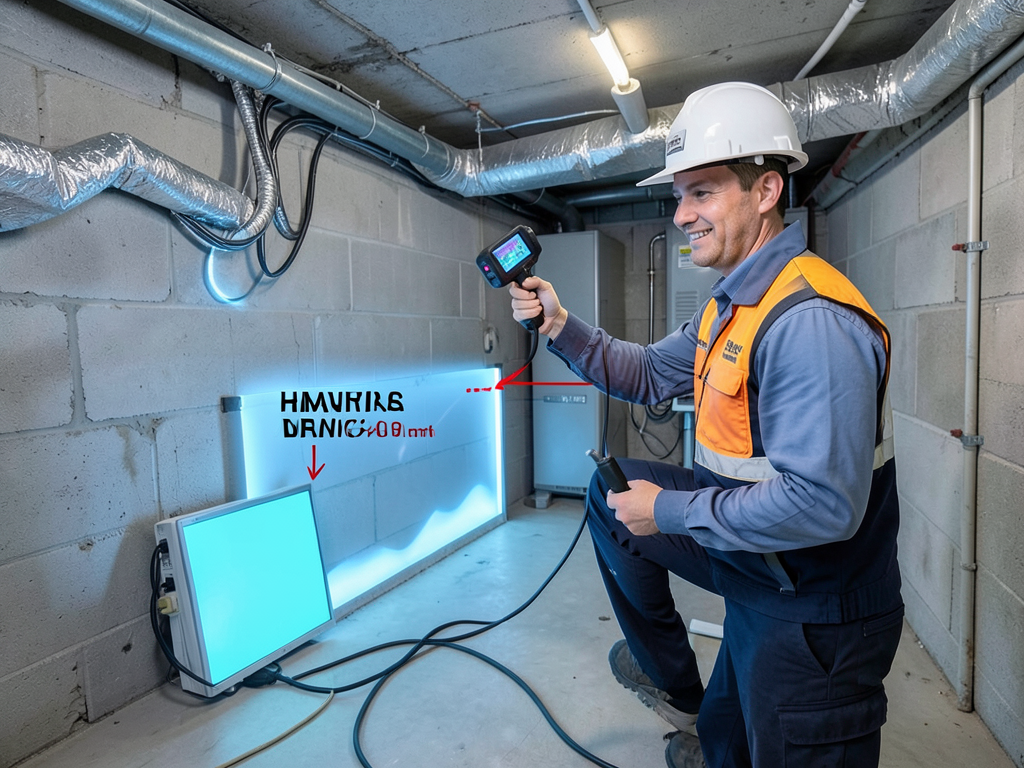
- Infrared imaging to spot insulation gaps and air leaks
- Airflow measurements at various registers
- Humidity level checks to identify moisture-related comfort issues
During these tests, technicians look for specific patterns. For example, if the basement is 10-15 degrees colder than the main floor, it often indicates ductwork problems. If temperatures are similar but the basement still feels cold, the issue is likely insulation or air sealing.
According to the U.S. Department of Energy, proper insulation can reduce heating costs by 10-50% depending on your home’s current condition. For Indianapolis homes, this often means the biggest gains come from addressing basement insulation and air sealing.
Effective Solutions for Cold Indianapolis Basements
Once you understand the problem, you can choose the right solution for your home and budget. Here are the most effective approaches for Indianapolis basements.
1. HVAC Zoning Systems
Zoning systems allow you to control temperatures independently on different floors or zones of your home. For Indianapolis basements, this means you can keep the main floor at a comfortable temperature while providing additional heat to the basement only when needed.
A typical zoning system includes:
- Multiple thermostats controlling different zones
- Motorized dampers in ductwork to direct airflow
- A control panel that manages the entire system
Zoning is particularly effective for homes in areas like Carmel or Fishers where basements are often finished as living spaces. The initial investment typically ranges from $2,500 to $4,500 but can pay for itself through energy savings and improved comfort.
2. Ductwork Modifications
Many cold basements suffer from inadequate or poorly designed ductwork. Solutions include adding supply and return ducts, installing booster fans, or resizing existing ducts to deliver more warm air to basement spaces.
Common ductwork modifications:
- Adding supply vents in previously unconditioned basement areas
- Installing return air pathways to improve circulation
- Sealing duct leaks that waste heated air
- Adding duct dampers for better airflow control
According to ASHRAE standards, properly designed ductwork can improve HVAC efficiency by 20-30%. For Indianapolis homes, this often means the difference between a cold basement and a comfortable one.
3. Insulation Upgrades
Basement insulation is critical for Indianapolis homes due to our climate’s temperature extremes. The right insulation can make your basement feel 10-15 degrees warmer while reducing energy bills.
Key insulation areas:
- Basement walls: Rigid foam board or spray foam insulation
- Rim joists: Spray foam to seal air leaks and provide insulation
- Basement ceilings: Fiberglass batts if the basement is unconditioned
- Windows and doors: Weatherstripping and insulated window treatments
The International Code Council recommends R-10 to R-15 insulation for basement walls in climate zone 5 (which includes Indianapolis). Many older homes fall far short of these standards.
4. Supplemental Heating Solutions
For basements that need extra heat but don’t require full HVAC modifications, supplemental heating can be an effective solution. Options include: Reliable Heating and Cooling Experts Serving the Broad Ripple Area.
- Electric baseboard heaters for spot heating
- Gas fireplaces or stoves for zone heating
- Radiant floor heating for ultimate comfort
- Ductless mini-split heat pumps for efficient heating and cooling
Ductless mini-splits are particularly popular in Indianapolis for basement applications. They provide both heating and cooling without requiring ductwork modifications, making them ideal for finished basements in areas like Noblesville or Greenwood. Getting Your Greenwood AC Fixed Fast Before the Next Humidity Spike.
Cost Considerations and ROI
Investing in basement comfort solutions varies significantly in cost depending on your chosen approach and home’s specific needs. Here’s a comparison of common solutions:
| Solution | Typical Cost Range | Expected ROI | Best For |
|---|---|---|---|
| HVAC Zoning System | $2,500 – $4,500 | 3-5 years | Multi-level homes with finished basements |
| Ductwork Modifications | $1,500 – $3,000 | 2-4 years | Homes with existing ductwork needing rebalancing |
| Basement Insulation | $1,500 – $3,500 | 2-3 years | Older homes with uninsulated basement walls |
| Ductless Mini-Split | $3,000 – $5,000 | 3-5 years | Finished basements needing independent control |
| Supplemental Electric Heat | $300 – $800 | 1-2 years | Spot heating for occasional use |
Energy efficiency improvements often qualify for rebates through programs like AES Indiana’s energy efficiency rebates or federal tax credits. These can offset 10-30% of your project costs.
Preventing Future Basement Comfort Issues
Once you’ve solved your basement’s cold problem, maintenance is key to preventing future issues. Regular HVAC maintenance can catch small problems before they become major comfort issues.
Recommended maintenance includes:
- Annual HVAC system tune-ups before heating season
- Regular filter changes (every 1-3 months depending on filter type)
- Seasonal inspection of insulation and air sealing
- Monitoring humidity levels to prevent moisture problems
- Checking for new air leaks around windows and doors
Indianapolis’s clay soil can cause foundation shifting over time, potentially creating new air leaks or insulation gaps. Annual inspections can catch these issues early.
According to the EPA’s indoor air quality guidelines, maintaining proper humidity levels (30-50%) in basements prevents both comfort issues and potential mold growth.
Local Considerations for Indianapolis Homes
Indianapolis’s unique climate and building patterns create specific considerations for basement heating solutions. Our freeze-thaw cycles, high humidity, and soil conditions all impact what works best.
Neighborhood-specific factors:
- Historic districts (like Lockerbie Square) may have restrictions on exterior modifications
- Newer developments in suburbs like Avon often have better initial insulation but may need zoning systems
- Areas with high water tables (parts of Franklin Township) need moisture control alongside heating solutions
- Homes near White River or Fall Creek may experience more foundation-related air leaks
Local building codes also affect your options. Marion County requires permits for most HVAC modifications, and some neighborhoods have additional requirements through homeowners associations.
When to Call a Professional
While some basement comfort improvements are DIY-friendly, others require professional expertise. Call a professional when:
- You need major ductwork modifications or zoning systems
- Your home is over 20 years old and has never had HVAC upgrades
- You’re experiencing moisture problems alongside temperature issues
- Your energy bills are unusually high despite thermostat adjustments
- You want to ensure code compliance for major modifications
Professional HVAC technicians can provide accurate diagnoses and ensure your solutions meet local building codes. They also have access to specialized tools and equipment that make installations more efficient and effective.
At Reliance HVAC, we understand Indianapolis’s unique climate challenges and building patterns. Our technicians are trained to identify the specific issues affecting your basement and recommend solutions that provide lasting comfort and energy efficiency.
Ready to stop freezing in your basement? Call (317) 688-8818 today to schedule your professional assessment. We’ll diagnose your basement’s specific issues and recommend the most cost-effective solutions for your home. Don’t wait until next winter to solve your basement comfort problems—take action now and enjoy a warm, comfortable basement all year long.
Frequently Asked Questions
Why is my basement always colder than the rest of my house?
Basements stay cold because they’re surrounded by cool soil, often lack proper insulation, and may have poorly designed HVAC systems that don’t deliver enough warm air to lower levels. Indianapolis’s climate and soil conditions make this problem particularly common.
How much does it cost to fix a cold basement in Indianapolis?
Costs vary widely depending on the solution. Simple fixes like adding insulation might cost $1,500-$3,500, while comprehensive solutions like HVAC zoning systems range from $2,500-$4,500. Most homeowners see a return on investment within 2-5 years through energy savings.
Can I fix my cold basement myself?
Some solutions like adding insulation or sealing air leaks are DIY-friendly. However, HVAC modifications, ductwork changes, and zoning systems should be handled by professionals to ensure safety, efficiency, and code compliance.
Will a cold basement affect my energy bills?
Yes. Cold basements can significantly increase energy bills as your HVAC system works harder to heat the entire home. Proper basement insulation and heating can reduce energy costs by 10-30% in many Indianapolis homes.
How long does it take to install a basement heating solution?
Simple solutions like insulation upgrades can be completed in 1-2 days. More complex projects like HVAC zoning or ductwork modifications typically take 2-4 days. Your technician can provide a specific timeline after assessing your home’s needs.
{
“@context”: “https://schema.org”,
“@type”: “BlogPosting”,
“headline”: “Why Your Indianapolis Basement is Always Freezing (And How to Fix It)”,
“description”: “Discover why Indianapolis basements stay cold and how to fix it. Learn about insulation, HVAC zoning, and local solutions from Reliance HVAC.”,
“wordCount”: 1729,
“datePublished”: “2026-02-27T09:30:00.000Z”,
“dateModified”: “2026-02-27T09:30:00.000Z”,
“inLanguage”: “en-US”,
“mainEntityOfPage”: {
“@type”: “WebPage”,
“@id”: “https://reliancehvacindianapolis.com”
},
“publisher”: {
“@type”: “LocalBusiness”,
“name”: “Reliance HVAC Indianapolis”,
“url”: “https://reliancehvacindianapolis.com”
},
“author”: {
“@type”: “Organization”,
“name”: “Reliance HVAC Indianapolis”,
“url”: “https://reliancehvacindianapolis.com”
},
“image”: {
“@type”: “ImageObject”,
“url”: “https://reliancehvacindianapolis.com/wp-content/uploads/2026/03/why-your-indianapolis-basement-is-always-freezing-1.png”
}
}
{
“@context”: “https://schema.org”,
“@type”: “HVACBusiness”,
“name”: “Reliance HVAC Indianapolis”,
“url”: “https://reliancehvacindianapolis.com”,
“address”: {
“@type”: “PostalAddress”,
“addressLocality”: “Indianapolis”
},
“areaServed”: {
“@type”: “City”,
“name”: “Indianapolis”
}
}
{
“@context”: “https://schema.org”,
“@type”: “FAQPage”,
“mainEntity”: [
{
“@type”: “Question”,
“name”: “Why is my basement always colder than the rest of my house?”,
“acceptedAnswer”: {
“@type”: “Answer”,
“text”: “Basements stay cold because they’re surrounded by cool soil, often lack proper insulation, and may have poorly designed HVAC systems that don’t deliver enough warm air to lower levels. Indianapolis’s climate and soil conditions make this problem particularly common.”
}
},
{
“@type”: “Question”,
“name”: “How much does it cost to fix a cold basement in Indianapolis?”,
“acceptedAnswer”: {
“@type”: “Answer”,
“text”: “Costs vary widely depending on the solution. Simple fixes like adding insulation might cost $1,500-$3,500, while comprehensive solutions like HVAC zoning systems range from $2,500-$4,500. Most homeowners see a return on investment within 2-5 years through energy savings.”
}
},
{
“@type”: “Question”,
“name”: “Can I fix my cold basement myself?”,
“acceptedAnswer”: {
“@type”: “Answer”,
“text”: “Some solutions like adding insulation or sealing air leaks are DIY-friendly. However, HVAC modifications, ductwork changes, and zoning systems should be handled by professionals to ensure safety, efficiency, and code compliance.”
}
},
{
“@type”: “Question”,
“name”: “Will a cold basement affect my energy bills?”,
“acceptedAnswer”: {
“@type”: “Answer”,
“text”: “Yes. Cold basements can significantly increase energy bills as your HVAC system works harder to heat the entire home. Proper basement insulation and heating can reduce energy costs by 10-30% in many Indianapolis homes.”
}
},
{
“@type”: “Question”,
“name”: “How long does it take to install a basement heating solution?”,
“acceptedAnswer”: {
“@type”: “Answer”,
“text”: “Simple solutions like insulation upgrades can be completed in 1-2 days. More complex projects like HVAC zoning or ductwork modifications typically take 2-4 days. Your technician can provide a specific timeline after assessing your home’s needs.”
}
}
]
}
{
“@context”: “https://schema.org”,
“@type”: “BreadcrumbList”,
“itemListElement”: [
{
“@type”: “ListItem”,
“position”: 1,
“name”: “Home”,
“item”: “https://reliancehvacindianapolis.com”
},
{
“@type”: “ListItem”,
“position”: 2,
“name”: “Blog”,
“item”: “https://reliancehvacindianapolis.com/blog”
},
{
“@type”: “ListItem”,
“position”: 3,
“name”: “Why Your Indianapolis Basement is Always Freezing (And How to Fix It)”
}
]
}
{
“@context”: “https://schema.org”,
“@type”: “Service”,
“serviceType”: “HVAC”,
“provider”: {
“@type”: “LocalBusiness”,
“name”: “Reliance HVAC Indianapolis”,
“url”: “https://reliancehvacindianapolis.com”
},
“areaServed”: {
“@type”: “City”,
“name”: “Indianapolis”
},
“description”: “Discover why Indianapolis basements stay cold and how to fix it. Learn about insulation, HVAC zoning, and local solutions from Reliance HVAC.”
}