Why Your Warren Park Furnace Sounds Like a Freight Train (And When to Panic)
Your furnace should hum quietly in the background. When it starts making loud banging, screeching, or rattling noises, something’s wrong. In Warren Park’s older homes with aging HVAC systems, these sounds often signal serious problems that need immediate attention. Furnace Blowing Cold Air.
Before you ignore that freight train sound, understand this: some furnace noises indicate dangerous conditions like gas leaks or cracked heat exchangers. Others point to failing components that could leave you without heat during an Indianapolis cold snap. This guide helps you identify what you’re hearing and decide when to call for emergency service.
Warren Park residents face unique challenges with their heating systems. The neighborhood’s mix of mid-century homes and newer construction means furnaces range from 20+ year old units to modern high-efficiency models. Age, combined with Indianapolis’s extreme temperature swings, creates specific failure patterns we’ll cover below. Reliable Heating and Cooling Experts Serving the Broad Ripple Area.
Immediate Safety Warning: When to Turn Off Your Furnace
Some furnace sounds require immediate action. If you hear any of these noises, shut off your system at the thermostat and call for emergency service:. Read more about Using Your Heating System to Prevent Frozen Pipes during an Indianapolis Polar Vortex.
- BOOMING or EXPLOSIVE BANGING – Often indicates delayed ignition in the burner assembly. Gas builds up before igniting, creating a small explosion that can crack your heat exchanger
- CONSTANT CLICKING – Could signal a failing flame sensor or cracked heat exchanger allowing carbon monoxide into your home
- SCREECHING with BURNING SMELL – Suggests electrical problems or a motor burning out, creating fire hazards
- RUMBLING that VIBRATES the FLOOR – May indicate a cracked heat exchanger, the most dangerous furnace problem
Carbon monoxide detectors save lives. Indiana code requires CO alarms within 15 feet of every sleeping area in single-family homes. Test yours monthly and replace batteries annually.
Common Furnace Noises and What They Mean
Different sounds point to specific problems. Here’s what you might be hearing:
| Sound | Likely Cause | Urgency Level |
|---|---|---|
| Banging when starting | Delayed ignition or expanding ductwork | High |
| Screeching/whining | Blower motor bearings or belt issues | Medium |
| Rattling | Loose panels or failing heat exchanger | Medium to High |
| Whistling | Airflow restrictions or duct leaks | Low to Medium |
| Clicking repeatedly | Igniter or flame sensor failure | Medium |
| Popping/cracking | Metal expansion/contraction | Low |
Banging Noises: The Most Concerning Sound
Banging when your furnace starts often means delayed ignition. Here’s what happens: gas flows into the combustion chamber but doesn’t ignite immediately. When it finally lights, accumulated gas ignites all at once, creating a small explosion. This can crack your heat exchanger, allowing carbon monoxide to leak into your home.
In Warren Park’s older homes, this problem becomes more common as furnaces age past their 15-20 year lifespan. The banging might sound like someone hitting your ductwork with a hammer. Sometimes you’ll feel the vibration through the floor.
Diagnostic test: A technician uses a combustion analyzer to check for proper gas ignition timing and heat exchanger integrity. They’ll also inspect the burner assembly for dirt buildup that can cause delayed ignition.
Screeching and Squealing: Motor Problems
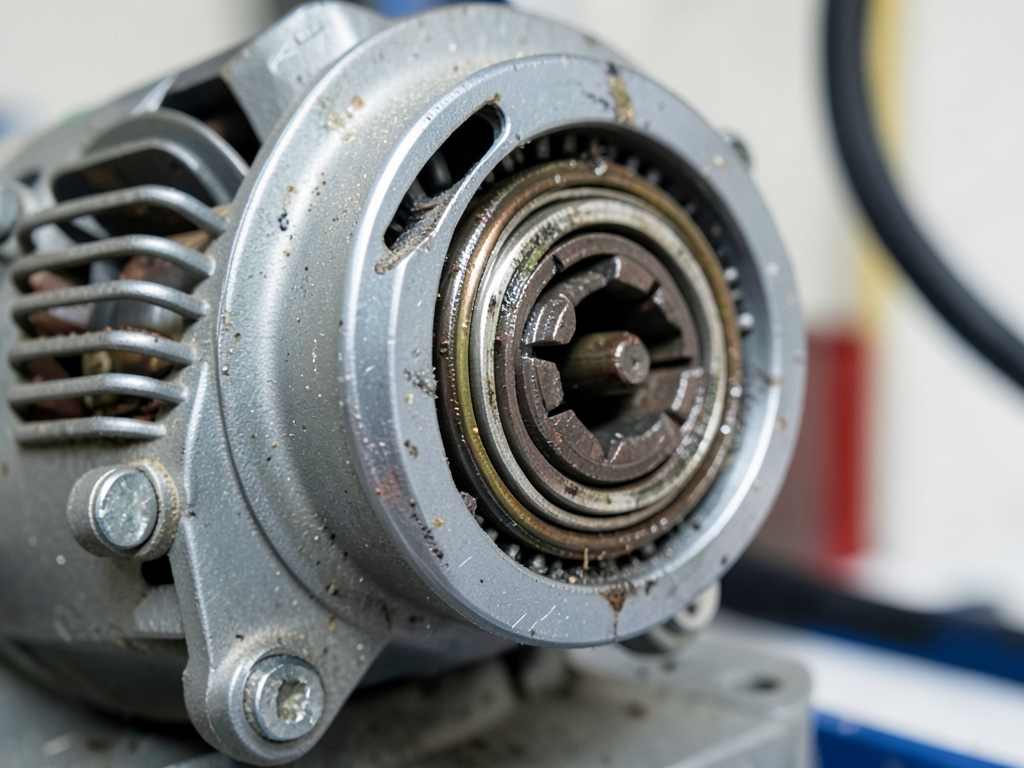
High-pitched squealing usually comes from the blower motor or its belt. Over time, motor bearings wear out, creating that characteristic whine. In severe cases, you might smell burning from overheated motors.
Warren Park homes with older furnaces often have belt-driven blowers rather than direct-drive motors. These belts stretch and fray over time, causing squealing when the motor runs. The sound might start as occasional and become constant as the problem worsens.
Quick check: Turn off power to your furnace and try spinning the blower wheel by hand. If it doesn’t spin freely or makes grinding noises, you need professional service.
Rattling: Loose Components or Heat Exchanger Issues
Rattling can be harmless or dangerous. Loose access panels, screws, or ductwork connections cause minor rattling. However, rattling from the furnace cabinet itself might indicate a cracked heat exchanger.
Heat exchanger cracks often develop from metal fatigue due to constant heating and cooling cycles. Warren Park’s temperature extremes – from summer heat to winter cold – stress these components more than moderate climates do.
Safety note: Never ignore persistent rattling from your furnace cabinet. Heat exchanger cracks can release carbon monoxide, an odorless, colorless gas that can be fatal.
Whistling: Airflow Problems
Whistling sounds usually indicate airflow restrictions. Common causes include:
- Dirty air filters restricting airflow
- Undersized ductwork struggling to deliver heat
- Closed or blocked vents creating pressure imbalances
- Leaks in ductwork causing air to escape
Warren Park homes built before 1980 often have original ductwork that’s too small for modern high-efficiency furnaces. This creates whistling sounds as air rushes through undersized passages.
Clicking: Ignition System Issues
Clicking sounds during startup are normal – that’s your igniter sparking. However, constant clicking indicates problems:
- Failed igniter that keeps trying to light
- Faulty flame sensor not detecting the burner flame
- Control board issues preventing proper sequencing
If your furnace clicks but doesn’t start, the igniter may be worn out. Most igniters last 3-5 years before needing replacement. Affordable HVAC Replacement Options for Families in Noblesville.
DIY Fixes vs. When to Call an Indianapolis HVAC Professional
Some furnace noises have simple fixes you can handle yourself. Others require professional expertise. Here’s how to tell the difference:
Safe DIY Troubleshooting
Try these steps before calling for service:
- Check your air filter. A clogged filter causes whistling and reduces efficiency. Replace it if it’s dirty.
- Inspect vents and registers. Make sure nothing blocks airflow through your home.
- Listen at the furnace cabinet. Sometimes noises come from loose ductwork rather than the furnace itself.
- Check thermostat batteries. Weak batteries can cause erratic furnace behavior.
When to Call for Professional Service
Call an HVAC professional if you experience:
- Any safety-related sounds (banging, clicking, rumbling)
- Persistent noises after basic troubleshooting
- Reduced heating performance along with unusual sounds
- Furnace age over 15 years with any concerning noise
How Indianapolis Weather Impacts Your Furnace
Warren Park’s location in Indianapolis exposes furnaces to specific climate challenges. Our humid continental climate creates conditions that stress heating systems:
Extreme temperature swings cause metal components to expand and contract repeatedly. This accelerates wear on heat exchangers, blower wheels, and ductwork connections. A furnace that works fine in September might develop noises by January after months of temperature cycling.
High humidity in summer followed by dry winter air creates condensation issues. Moisture can accumulate in unused furnaces during humid months, leading to rust and corrosion that causes rattling sounds when heating season begins.
Rapid cold snaps common in Central Indiana force furnaces to work harder than in milder climates. A furnace running continuously for days experiences more stress than one cycling normally, accelerating wear on bearings and belts.
Warren Park-Specific Considerations
Many Warren Park homes were built between 1950-1980 with original HVAC systems. These units weren’t designed for today’s energy efficiency standards or our increasingly extreme weather patterns. If your home falls in this category, your furnace may be nearing the end of its service life. How Much Does a New AC Unit Cost for a Standard Zionsville Home?.
The neighborhood’s mix of brick and wood-frame construction also affects how sounds travel. What seems like a loud furnace noise might actually be ductwork expanding against wooden framing members.
Average Lifespan of Furnaces in the Midwest Climate
Understanding your furnace’s age helps determine whether repairs make sense. In Indianapolis’s climate: EPA Carbon Monoxide Safety Information.
- Standard efficiency furnaces typically last 15-20 years
- High-efficiency models often last 20-25 years with proper maintenance
- Units over 20 years old should be evaluated for replacement rather than repair
If your Warren Park home has a furnace from the 1990s or earlier, replacement might be more cost-effective than ongoing repairs. Modern furnaces operate at 80-98% efficiency compared to 60-70% for older units. The Best AC Repair Services in Carmel for Modern Subdivisions.
Frequently Asked Questions
Is a loud furnace dangerous?
Some loud furnace noises indicate dangerous conditions. Banging sounds may signal delayed ignition that can crack heat exchangers. Constant clicking might mean a failing flame sensor allowing carbon monoxide buildup. Any unusual noise combined with symptoms like headaches, nausea, or yellow burner flames requires immediate professional inspection.
How much does furnace repair cost in Indianapolis?
Furnace repair costs in Indianapolis typically range from $150-$600 depending on the problem. Simple fixes like capacitor replacement run $150-$300. Major repairs like heat exchanger replacement can cost $1,000-$2,500. Emergency service calls during nights or weekends often include additional fees of $100-$200.
Can I keep using my furnace if it’s making noise?
Only if the noise is minor and you’ve identified it as harmless (like ductwork expansion). Turn off any furnace making banging, clicking, or rumbling sounds immediately. These noises often indicate safety hazards like gas buildup or heat exchanger cracks. When in doubt, shut it off and call for professional diagnosis.
How often should I service my furnace?
Annual furnace maintenance prevents most noise issues. Schedule service in early fall before heating season begins. Professional tune-ups include cleaning burners, checking heat exchangers, lubricating motors, and testing safety controls. This maintenance typically costs $75-$200 and can extend your furnace’s life by years.
What’s the difference between normal and concerning furnace sounds?
Normal sounds include gentle humming, soft clicking during startup, and whooshing as air moves through ducts. Concerning sounds are loud, persistent, or change suddenly. Banging, screeching, constant clicking, or rumbling that you can feel through the floor all warrant investigation. Trust your instincts – if a sound worries you, it’s worth checking.
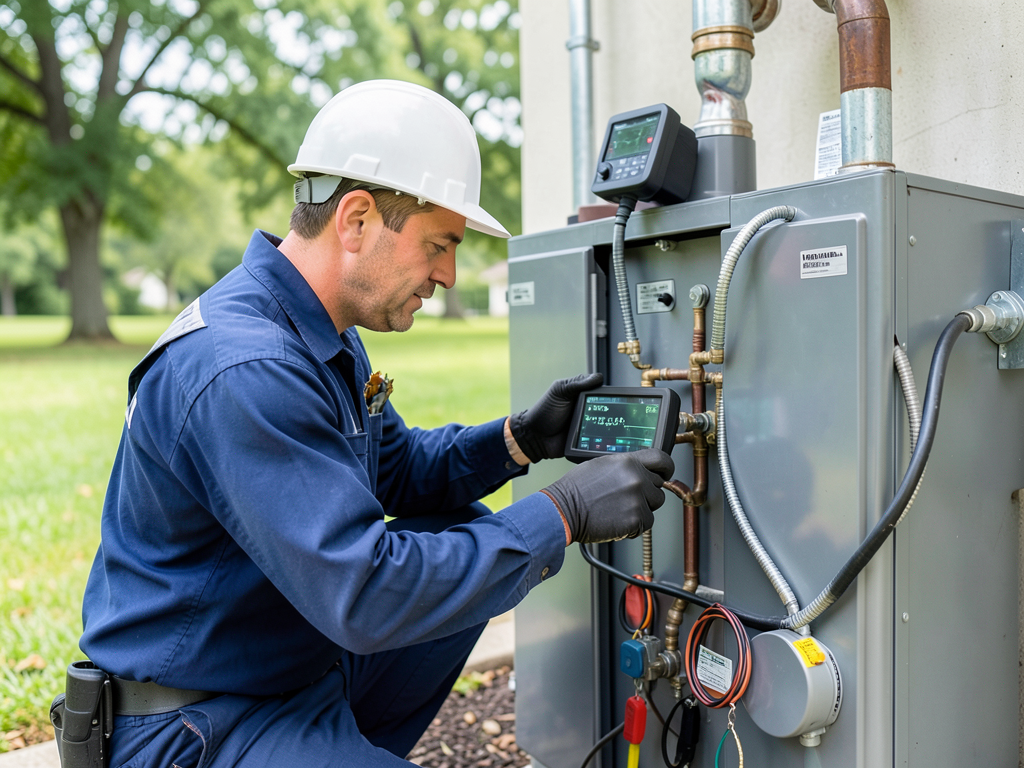
Diagram showing common furnace components and where specific noises originate. Highlights heat exchanger, blower motor, igniter, and ductwork connection points.
Technician using combustion analyzer to test furnace efficiency and safety. Shows proper probe placement and digital readouts for gas levels.
Close-up of cracked heat exchanger showing stress fractures. Illustrates why this component failure is dangerous and requires immediate replacement.
Don’t Wait Until It’s Too Late
Furnace noises rarely improve on their own. What starts as a minor rattle can become a major breakdown during the coldest night of the year. In Warren Park, where many homes have aging HVAC systems, preventive maintenance saves money and prevents emergencies.
If your furnace sounds like a freight train, don’t ignore it. Some problems can be fixed quickly if caught early. Others, like heat exchanger cracks, create dangerous conditions that put your family at risk.
Call (317) 688-8818 today to schedule your furnace inspection. Our NATE-certified technicians serve Warren Park and all of Indianapolis with 24/7 emergency service. We’ll diagnose the problem, explain your options, and get your home safely heated again.
Pick up the phone and call (317) 688-8818 before the next storm hits. Your family’s comfort and safety can’t wait. For more information, visit Department of Energy Furnace Maintenance Guide.
{
“@context”: “https://schema.org”,
“@type”: “BlogPosting”,
“headline”: “Why Your Warren Park Furnace Sounds Like a Freight Train (And When to Panic)”,
“description”: “Furnace making loud noises in Warren Park? Learn what banging, screeching, and rattling sounds mean and when to call for emergency HVAC repair in Indianapolis.”,
“wordCount”: 1790,
“datePublished”: “2026-06-03T15:18:00.000Z”,
“dateModified”: “2026-06-03T15:18:00.000Z”,
“inLanguage”: “en-US”,
“mainEntityOfPage”: {
“@type”: “WebPage”,
“@id”: “https://reliancehvacindianapolis.com”
},
“publisher”: {
“@type”: “LocalBusiness”,
“name”: “Reliance HVAC Indianapolis”,
“url”: “https://reliancehvacindianapolis.com”
},
“author”: {
“@type”: “Organization”,
“name”: “Reliance HVAC Indianapolis”,
“url”: “https://reliancehvacindianapolis.com”
},
“image”: {
“@type”: “ImageObject”,
“url”: “https://reliancehvacindianapolis.com/wp-content/uploads/2026/03/why-your-warren-park-furnace-sounds-like-a-freight-1.png”
}
}
{
“@context”: “https://schema.org”,
“@type”: “HVACBusiness”,
“name”: “Reliance HVAC Indianapolis”,
“url”: “https://reliancehvacindianapolis.com”,
“address”: {
“@type”: “PostalAddress”,
“addressLocality”: “Indianapolis”
},
“areaServed”: {
“@type”: “City”,
“name”: “Indianapolis”
}
}
{
“@context”: “https://schema.org”,
“@type”: “FAQPage”,
“mainEntity”: [
{
“@type”: “Question”,
“name”: “Is a loud furnace dangerous?”,
“acceptedAnswer”: {
“@type”: “Answer”,
“text”: “Some loud furnace noises indicate dangerous conditions. Banging sounds may signal delayed ignition that can crack heat exchangers. Constant clicking might mean a failing flame sensor allowing carbon monoxide buildup. Any unusual noise combined with symptoms like headaches, nausea, or yellow burner flames requires immediate professional inspection.”
}
},
{
“@type”: “Question”,
“name”: “How much does furnace repair cost in Indianapolis?”,
“acceptedAnswer”: {
“@type”: “Answer”,
“text”: “Furnace repair costs in Indianapolis typically range from $150-$600 depending on the problem. Simple fixes like capacitor replacement run $150-$300. Major repairs like heat exchanger replacement can cost $1,000-$2,500. Emergency service calls during nights or weekends often include additional fees of $100-$200.”
}
},
{
“@type”: “Question”,
“name”: “Can I keep using my furnace if it’s making noise?”,
“acceptedAnswer”: {
“@type”: “Answer”,
“text”: “Only if the noise is minor and you’ve identified it as harmless (like ductwork expansion). Turn off any furnace making banging, clicking, or rumbling sounds immediately. These noises often indicate safety hazards like gas buildup or heat exchanger cracks. When in doubt, shut it off and call for professional diagnosis.”
}
},
{
“@type”: “Question”,
“name”: “How often should I service my furnace?”,
“acceptedAnswer”: {
“@type”: “Answer”,
“text”: “Annual furnace maintenance prevents most noise issues. Schedule service in early fall before heating season begins. Professional tune-ups include cleaning burners, checking heat exchangers, lubricating motors, and testing safety controls. This maintenance typically costs $75-$200 and can extend your furnace’s life by years.”
}
},
{
“@type”: “Question”,
“name”: “What’s the difference between normal and concerning furnace sounds?”,
“acceptedAnswer”: {
“@type”: “Answer”,
“text”: “Normal sounds include gentle humming, soft clicking during startup, and whooshing as air moves through ducts. Concerning sounds are loud, persistent, or change suddenly. Banging, screeching, constant clicking, or rumbling that you can feel through the floor all warrant investigation. Trust your instincts – if a sound worries you, it’s worth checking.”
}
}
]
}
{
“@context”: “https://schema.org”,
“@type”: “BreadcrumbList”,
“itemListElement”: [
{
“@type”: “ListItem”,
“position”: 1,
“name”: “Home”,
“item”: “https://reliancehvacindianapolis.com”
},
{
“@type”: “ListItem”,
“position”: 2,
“name”: “Blog”,
“item”: “https://reliancehvacindianapolis.com/blog”
},
{
“@type”: “ListItem”,
“position”: 3,
“name”: “Why Your Warren Park Furnace Sounds Like a Freight Train (And When to Panic)”
}
]
}
{
“@context”: “https://schema.org”,
“@type”: “Service”,
“serviceType”: “HVAC”,
“provider”: {
“@type”: “LocalBusiness”,
“name”: “Reliance HVAC Indianapolis”,
“url”: “https://reliancehvacindianapolis.com”
},
“areaServed”: {
“@type”: “City”,
“name”: “Indianapolis”
},
“description”: “Furnace making loud noises in Warren Park? Learn what banging, screeching, and rattling sounds mean and when to call for emergency HVAC repair in Indianapolis.”
}