

Menu

Furnace Repair & Heating Service in Indianapolis | Fast, Expert Diagnosis When Your Heat Goes Out

When Indianapolis winters hit hard, you need heating system repair that's accurate the first time. Our certified technicians diagnose and fix furnace failures fast, restoring warmth and safety to your home without unnecessary replacements or guesswork.

Slider Image 1
Slider Image 2
Slider Image 3
Slider Image 4
Slider Image 5
Slider Image 7
Slider Image 8
Slider Image 9
Slider Image 10
Slider Image 11

Why Indianapolis Furnaces Fail When You Need Them Most

Indianapolis sits in a climate zone where furnaces work overtime. The freeze-thaw cycling from November through March stresses every component in your central heating system. One morning it's 45 degrees, two days later it's 18. Your furnace kicks on, shuts off, kicks on again. This constant cycling wears out igniters, cracks heat exchangers, and burns out blower motors faster than in milder climates.

The older neighborhoods around Broad Ripple and Fountain Square have homes built in the 1920s through 1950s. Many still run original ductwork with undersized returns. When you add a modern high-efficiency furnace to an old distribution system, you create static pressure problems. The blower works harder, parts fail sooner.

Hard water is another issue across Marion County. Scale buildup doesn't just affect your water heater. It clogs the condensate drain on high-efficiency furnaces, triggering safety shutoffs right when temperatures drop. You wake up to a cold house and a blinking red light.

Residential furnace repair in Indianapolis means understanding these specific stressors. A technician who knows local housing stock and seasonal patterns can diagnose the real problem quickly. You avoid the expensive misdiagnosis cycle where someone replaces parts that aren't broken while the actual failure point goes untouched.

When your heater repair services involve someone who understands Indianapolis conditions, you get solutions that last through the winter, not just through the weekend.

Why Indianapolis Furnaces Fail When You Need Them Most
How Professional Heating System Repair Actually Works

How Professional Heating System Repair Actually Works

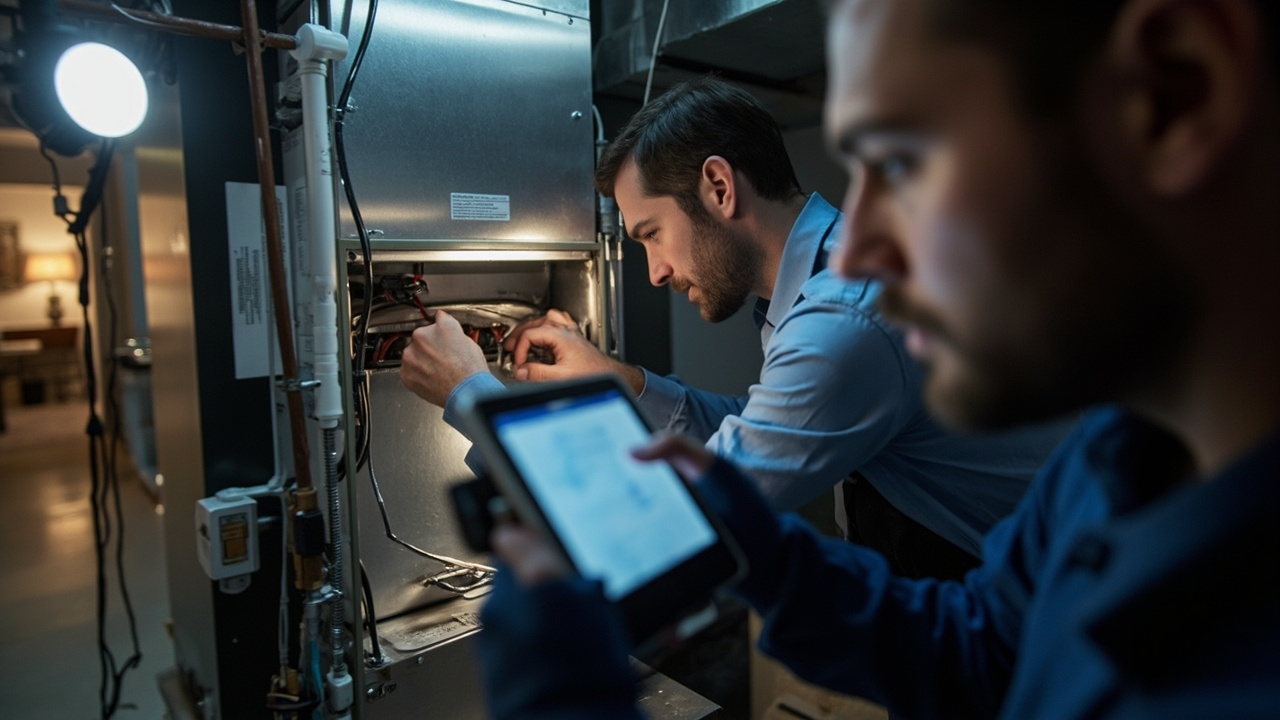
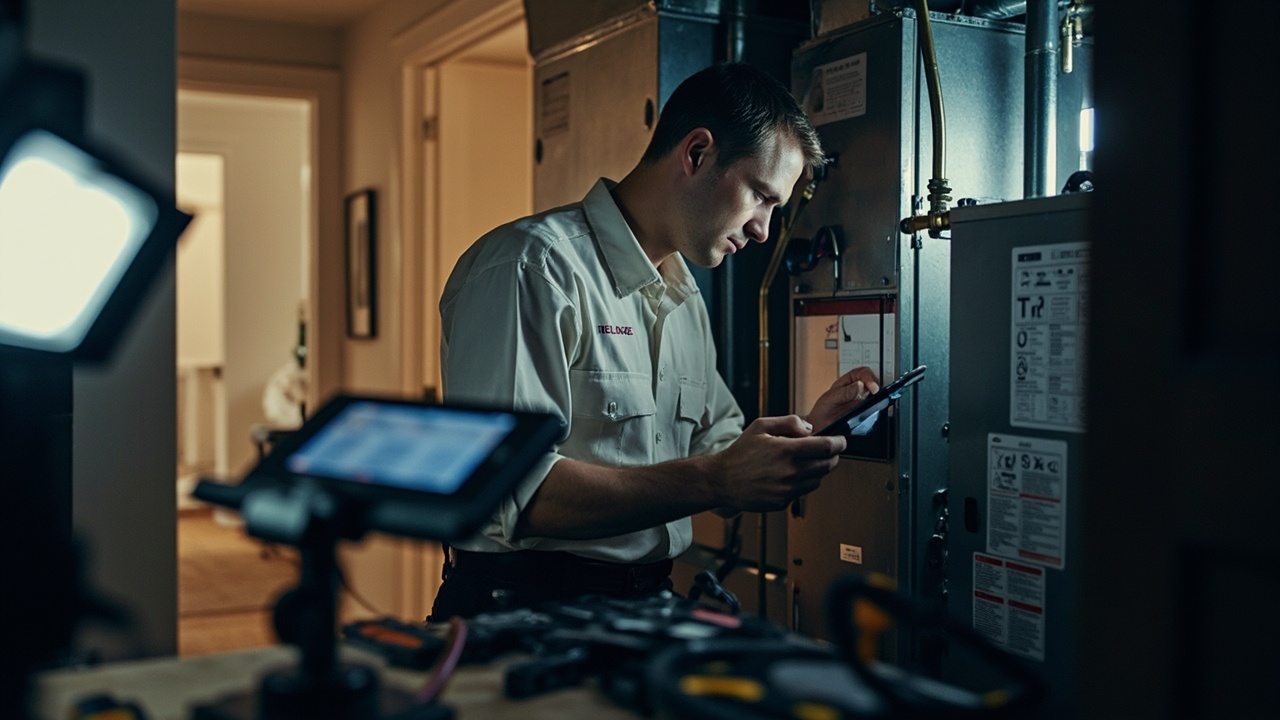
Effective central heating maintenance starts with differential diagnosis, not parts replacement. When we arrive for a home heating service call, we measure supply and return air temperatures, check static pressure across the blower, and test amp draw on the inducer motor. These readings tell us whether you have an airflow problem, a combustion problem, or an electrical fault.

Most furnace failures fall into three categories. Ignition system faults account for roughly 40 percent of no-heat calls. This includes failed hot surface igniters, flame sensors coated in carbon buildup, or gas valves that won't open due to low voltage. Blower and circulation problems cause another 35 percent. Capacitors fail, blower wheels get caked with dust and slow down, or limit switches trip because someone closed too many vents. The remaining failures involve heat exchangers, ductwork issues, or thermostat problems.

We use a combustion analyzer on every furnace repair call. This tool measures oxygen, carbon monoxide, and combustion efficiency. If your furnace is running at 65 percent efficiency when it should hit 80 percent, we know exactly where the heat is escaping. If carbon monoxide reads above 25 parts per million in the flue, we shut the system down immediately and explain why.

Heating system repair done right means testing before and after the fix. We document baseline readings, make the repair, then verify the system operates within manufacturer specifications. You see the numbers yourself. This approach eliminates guesswork and prevents callback visits where we chase phantom problems.

What Happens During Your Furnace Service Call

Furnace Repair & Heating Service in Indianapolis | Fast, Expert Diagnosis When Your Heat Goes Out
01

Diagnostic Testing and Airflow Analysis

We start every heater repair service with a full system test. Temperature readings at each register, static pressure measurements in the supply and return plenums, and electrical testing at the control board give us a complete picture. We check your filter, inspect the blower wheel, and look for duct disconnections in the crawlspace or attic. Most failures show up in these first measurements. This diagnostic phase takes 20 to 30 minutes and identifies the root cause, not just the symptom.
02

Targeted Repair and Component Replacement

Once we identify the failed component, we source the correct OEM part and complete the residential furnace repair. If your inducer motor is failing, we replace it with the exact match for your furnace model. If the heat exchanger is cracked, we explain your options clearly because this repair affects safety and system lifespan. We clean the burner assembly, replace worn gaskets, and address any secondary issues we found during testing. Each repair gets documented with part numbers and warranty information.
03

System Verification and Safety Check

After the repair, we run a full heating cycle and retest everything. Supply air temperature should hit 120 to 140 degrees depending on your system type. Amp draw should match the manufacturer's specification. We verify the flame sensor reads properly and the limit switch operates correctly. You get a written summary of what we found, what we fixed, and what your system's current operating parameters are. This verification ensures the repair holds and your furnace runs safely through the rest of the heating season.

Why Indianapolis Homeowners Choose Local HVAC Expertise

Indianapolis has specific code requirements that affect furnace installations and repairs. The city adopted the 2014 International Mechanical Code with local amendments. This means venting requirements, combustion air specifications, and carbon monoxide detector placement follow rules that differ from surrounding counties. A technician who works in Indianapolis regularly knows these requirements without looking them up.

Housing stock matters too. The north side has many split-level homes from the 1970s with zone heating issues. The southeast side has ranch homes with long duct runs and inadequate return air. Downtown, you have converted warehouses with ductless mini-splits and hybrid heating systems. A local HVAC company sees these configurations every day and knows how they fail.

Parts availability is another advantage. When your furnace quits on a Saturday morning in January, you need someone with supplier relationships. We stock common failure items like igniters, flame sensors, and capacitors for the furnace brands most common in Indianapolis. For less common parts, we have same-day access to distributors on the northwest side. This cuts your wait time from days to hours.

Experience with Indianapolis utility providers matters during system upgrades. Citizens Energy Group has specific requirements for gas line sizing and meter placement. We handle the permit process, coordinate inspections, and ensure your new heating system passes on the first try. You avoid delays and compliance issues that come from working with companies unfamiliar with local procedures.

Trust comes from references you can verify. We have completed heating system repairs across Meridian-Kessler, Irvington, Garfield Park, and neighborhoods throughout Marion County. You can drive past our work and talk to homeowners who use our services year after year.

What to Expect From Your Heating Service Experience

Response Time and Scheduling Flexibility

We dispatch technicians for emergency furnace repair within two hours during business days and within four hours for after-hours calls. For non-emergency central heating maintenance, we typically schedule within 24 to 48 hours based on your availability. Winter months see higher demand, but we staff appropriately to avoid week-long waits. Our technicians call 30 minutes before arrival and show up in marked vehicles with visible company identification. You receive a text confirmation with the technician's name and photo before they arrive. Most residential furnace repairs complete in 90 minutes to two hours once we have the correct parts on hand.

Diagnostic Process and Pricing Transparency

The initial diagnostic fee covers testing, diagnosis, and a written assessment of your heating system. If you authorize the repair, that fee applies toward the total cost. We provide flat-rate pricing before starting work, not after. You know exactly what the heater repair services will cost before we touch a single bolt. If we discover additional issues during the repair, we stop and discuss options before proceeding. You approve every expense. Our pricing includes the part, labor, trip charge, and any disposal fees. No hidden charges appear on the final invoice. For complex repairs requiring multiple parts, we prioritize what fixes the immediate problem first, then discuss preventive replacements.

Quality Standards and Performance Guarantees

Every heating system repair meets manufacturer specifications and local mechanical code requirements. We use OEM parts when available or equivalent aftermarket components with equal or better reliability ratings. After completion, your furnace should maintain consistent temperatures, cycle normally, and operate quietly. If the same problem recurs within the warranty period for that specific repair, we return and fix it at no additional charge for labor. You receive documentation showing what parts we installed, their warranty terms, and maintenance recommendations to extend system life. Our goal is a repair that lasts multiple seasons, not just until the warranty expires.

Ongoing Maintenance and System Monitoring

After your initial repair, we offer seasonal maintenance agreements that include pre-winter furnace inspections and tune-ups. These visits catch small problems before they become expensive failures. We check all safety controls, clean the burner assembly, test the heat exchanger, and verify proper combustion. Maintenance customers get priority scheduling during peak heating season and discounted rates on future repairs. We keep detailed service records for your system, tracking parts replaced and performance trends over time. This history helps us predict when components might fail and schedule replacements during off-season when costs are lower. You avoid emergency repairs and extend your furnace's usable life.

Frequently Asked Questions

You Have Questions,
We Have Answers

What's the average cost to service a furnace? +

Furnace servicing in Indianapolis typically ranges based on system age and condition. A basic tune-up runs lower, while diagnostic work or repairs add to the total. Most homeowners pay for annual maintenance that includes filter changes, burner inspection, and safety checks. Indianapolis winters demand reliable heat, so regular servicing prevents mid-season breakdowns. Older systems or gas furnaces may need more attention. Get a flat-rate quote upfront to avoid surprises. Factor in Indianapolis humidity and temperature swings, which stress components faster than stable climates. Annual maintenance costs less than emergency repairs during January cold snaps.

What is the $5000 rule for HVAC? +

The $5000 rule helps you decide between repair and replacement. If your furnace repair cost multiplied by the system age exceeds $5000, replacement makes better financial sense. Example: a $300 repair on a 20-year-old furnace equals $6000, so replace it. Indianapolis furnaces work harder due to humid summers and frigid winters, shortening lifespans. Systems over 15 years old with mounting repairs drain your wallet. New units offer better efficiency, lower utility bills, and fewer breakdowns. This rule prevents throwing money at dying equipment. Apply it when facing major component failures like heat exchangers or blower motors.

What is the most common furnace failure? +

Dirty or clogged filters cause most furnace failures in Indianapolis homes. When airflow gets restricted, your system overheats and shuts down repeatedly. Indianapolis dust, pollen, and high humidity accelerate filter buildup. Ignition problems rank second, especially in older gas furnaces with pilot lights. Thermostat malfunctions, cracked heat exchangers, and blower motor failures follow. Many breakdowns happen during the first cold snap because systems sit idle for months. Regular filter changes every 30 to 90 days prevent most issues. Annual inspections catch problems before they strand you without heat during Indiana winter storms.

What is the most expensive part to fix on a furnace? +

Heat exchanger replacement costs the most, often reaching half the price of a new furnace. This component transfers heat from combustion gases to your home's air. Cracks develop from thermal stress, especially in Indianapolis where furnaces cycle frequently between humid fall and freezing winter conditions. Heat exchangers cannot be repaired, only replaced. Blower motors and control boards rank as the next most expensive fixes. When facing heat exchanger failure on systems over 12 years old, replacement usually makes better sense. These repairs require significant labor, parts sourcing, and safety testing to ensure proper combustion and carbon monoxide prevention.

What does a furnace service include? +

A complete furnace service includes filter inspection or replacement, burner cleaning, ignition system check, blower motor lubrication, and thermostat calibration. Technicians test safety controls, inspect the heat exchanger for cracks, check gas pressure and connections, measure airflow, and verify proper venting. In Indianapolis, humidity checks matter because moisture damages electrical components. Carbon monoxide testing ensures your family's safety. Technicians examine ductwork connections, tighten electrical contacts, and clean flame sensors. You should receive a written report detailing system condition and efficiency ratings. Annual servicing catches small problems before they become expensive failures during peak heating season.

How much does it cost for someone to check your furnace? +

Most Indianapolis HVAC companies charge a diagnostic fee for furnace inspections, with costs varying by company and service level. This fee typically covers travel, system testing, and a written assessment. Many companies waive the diagnostic charge if you approve recommended repairs. Emergency calls cost more than scheduled appointments. A basic safety inspection runs less than comprehensive efficiency testing with combustion analysis. Get quotes from multiple providers. Avoid companies offering free inspections, they often inflate repair prices to compensate. Legitimate diagnostics take 45 to 90 minutes and include airflow measurements, electrical testing, and visual component inspection.

Is HVAC system cost tax deductible? +

Some HVAC improvements qualify for tax deductions or credits. Energy-efficient system installations may earn federal tax credits up to specific amounts annually. Check IRS guidelines for qualifying equipment efficiency ratings. Indiana offers additional utility rebates for high-efficiency furnaces. Business owners can deduct HVAC repairs and replacements as operating expenses. Homeowners cannot deduct standard repairs or maintenance, only qualifying energy upgrades. Medical necessity deductions apply in rare cases with doctor documentation. Solar or geothermal systems earn higher credits. Consult a tax professional familiar with Indiana regulations. Keep all receipts, efficiency certifications, and manufacturer documentation for filing purposes.

What is the 2 foot rule for HVAC? +

The 2-foot rule requires maintaining 24 inches of clearance around your furnace for safety, maintenance access, and proper combustion airflow. Keep flammable materials like paint, cleaning supplies, cardboard boxes, and holiday decorations away from the unit. Indianapolis building codes enforce this spacing to prevent fire hazards and allow technicians to service equipment safely. Blocked furnaces overheat, trip safety switches, and reduce efficiency. Your system needs adequate air intake for proper combustion. Cluttered mechanical rooms cause carbon monoxide risks and void warranties. Store items elsewhere. This clearance also applies to water heaters and ensures proper ventilation in basement installations common throughout Indianapolis homes.

What is the average lifespan of an HVAC? +

Furnaces last 15 to 20 years with proper maintenance, while air conditioners run 12 to 15 years. Indianapolis climate stresses systems more than moderate regions. Humid summers and freezing winters force year-round operation, shortening lifespans. Heat pumps last 10 to 15 years because they work constantly. Cheaper builder-grade units fail sooner than quality installations. Annual maintenance extends equipment life significantly. Signs your system needs replacement include frequent repairs, rising energy bills, uneven heating or cooling, and age over 15 years. New systems offer better efficiency, quieter operation, and improved comfort. Track repair costs, if they exceed half the replacement price, upgrade now.

Which brand of furnace is most reliable? +

Carrier, Lennox, Trane, and Rheem consistently rank as reliable furnace brands. Each offers quality construction, solid warranties, and parts availability in Indianapolis. Reliability depends more on proper installation and maintenance than brand name alone. A poorly installed premium furnace fails faster than a mid-tier unit installed correctly. Look for AFUE ratings above 95 percent for efficiency in Indiana winters. Variable-speed blowers and two-stage burners improve comfort and longevity. Choose equipment sized correctly for your home, oversized units short-cycle and fail prematurely. Work with experienced contractors who follow manufacturer specifications. Regular maintenance matters more than brand loyalty for long-term performance.

How Indianapolis Winter Weather Patterns Accelerate Furnace Wear

Indianapolis experiences an average of 25 freeze-thaw cycles each winter. Temperatures swing from the teens to the 40s and back within 48 hours. This cycling forces your furnace to work harder than systems in consistently cold climates. The heat exchanger expands and contracts repeatedly, weakening metal over time. Condensate forms and refreezes in the flue pipe. Your thermostat calls for heat eight to ten times per day instead of running in longer, more efficient cycles. These conditions shorten component life by 20 to 30 percent compared to steady-state winter climates. Home heating service in Indianapolis requires understanding how local weather accelerates wear on igniters, inductors, and control boards.

Marion County enforces specific requirements for carbon monoxide detectors and furnace venting that affect every heating system repair. Any work on a fuel-burning appliance triggers inspection requirements under local mechanical code. Technicians must understand proper combustion air calculations for homes built before modern building codes took effect. The older neighborhoods around Indianapolis have unique ventilation challenges that impact furnace safety and efficiency. Working with an HVAC provider familiar with local inspection standards prevents costly compliance issues and ensures your repair passes code review the first time. Local expertise matters when regulations and weather patterns create unique maintenance demands.
HVAC Services in The Indianapolis Area

We are proud to serve the entire area, providing exceptional HVAC services to both residential and commercial clients. Our team is strategically located to ensure a fast response time, no matter where you are. View our service area on the map to see how we can bring our reliable, expert service right to your doorstep. Don't see your location? Give us a call anyway!

Address:
Reliance HVAC Indianapolis, 1225 N Meridian St, Indianapolis, IN, 46204

Additional Services We Offer

Our news updates

Latest Articles & News from The Blogs

The Pros and Cons of Inverter Driven AC Units for Temperature Stability in Meridian Hills Inverter-driven AC units offer a…

The Pros and Cons of Inverter Driven AC Units for Temperature Stability in Meridian Hills

The Pros and Cons of Inverter Driven AC Units for Temperature Stability in Meridian Hills Inverter-driven AC units offer a…

Cleaning Pine Needle and Sap Buildup from Your Outdoor AC Unit in The Old Northside

Cleaning Pine Needle and Sap Buildup from Your Outdoor AC Unit in The Old Northside Your outdoor AC unit works…

How an Upgraded HVAC System Boosts Your Resale Value in the Competitive Carmel Real Estate Market

How an Upgraded HVAC System Boosts Your Resale Value in the Competitive Carmel Real Estate Market Homeowners in Carmel face…

Contact Us

Your furnace failure will not fix itself, and Indianapolis winters do not wait. Call (317) 688-8818 right now for fast diagnosis and professional repair. Our technicians are ready to restore your heat and get your home comfortable again.