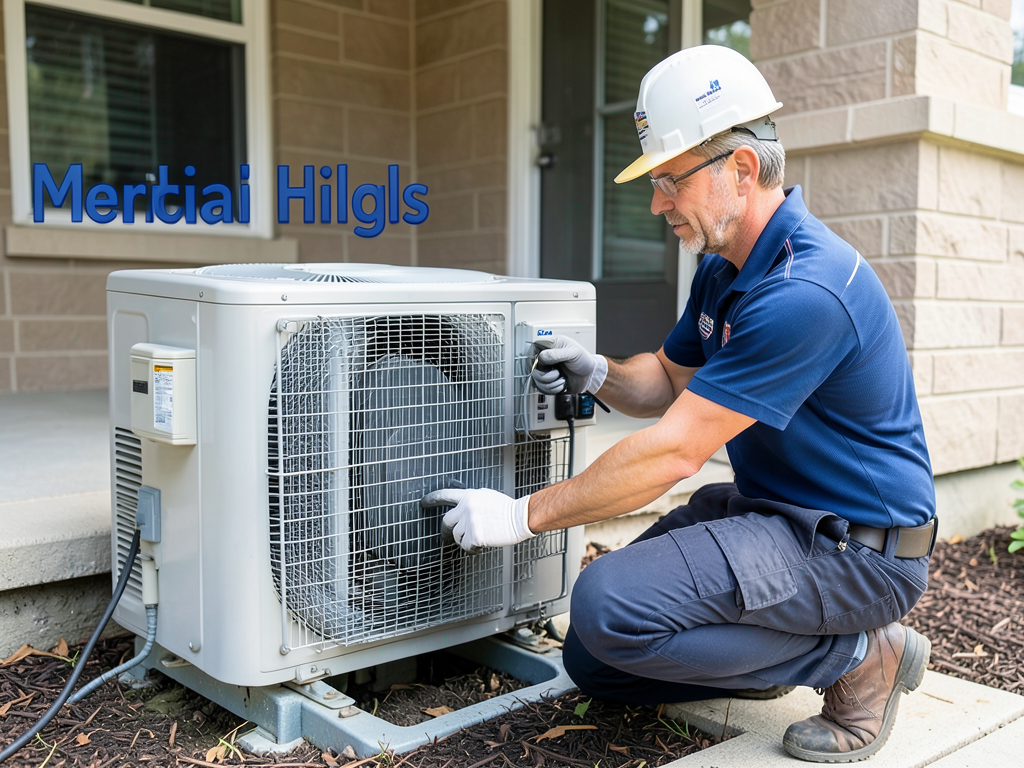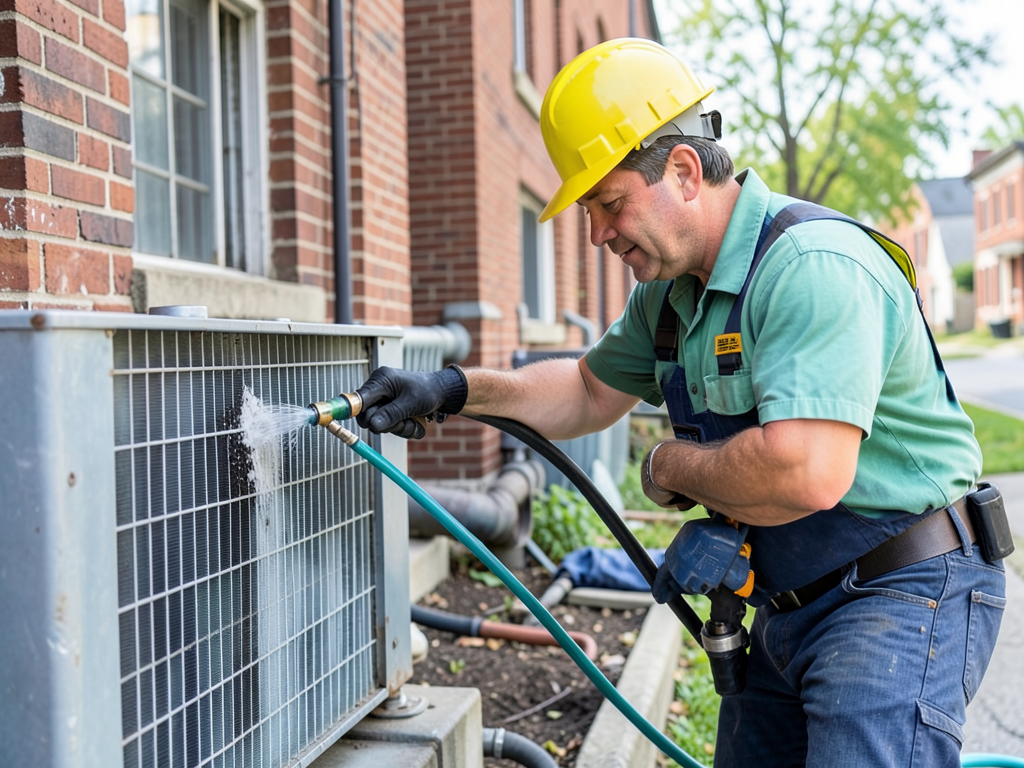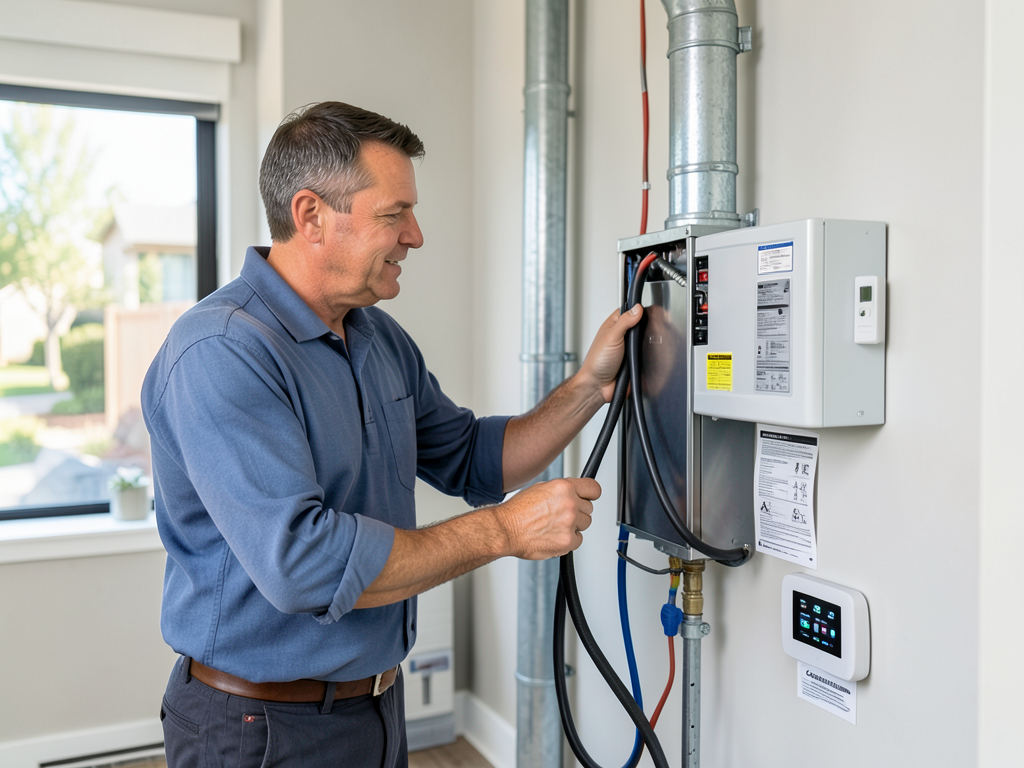






Indianapolis summers combine high temperatures with punishing humidity levels that stress air conditioning systems differently than dry climates experience. When outdoor dew points reach 70 to 75 degrees, your evaporator coil must work overtime to condense moisture from indoor air. This dehumidification process consumes significant energy beyond simple temperature reduction. Your system runs longer cycles to remove humidity, which drives up electricity consumption even when indoor temperatures seem reasonable. The White River valley and proximity to multiple reservoirs contribute to elevated moisture levels throughout Marion County. Homes in low-lying areas near Fall Creek or the Central Canal face even higher humidity infiltration. This moisture load explains why Indianapolis cooling costs exceed what you would expect based on temperature alone.
Local HVAC contractors understand the specific equipment sizing and configuration required for humid continental climates. We know that oversized systems short-cycle and fail to dehumidify properly, leaving homes feeling clammy despite adequate cooling. Proper refrigerant charge becomes critical in high-humidity conditions because even slight undercharge compromises latent heat removal. Indianapolis building inspectors enforce specific ventilation requirements under the Indiana Residential Code that affect makeup air and humidity control. A contractor familiar with local code interpretations and inspector expectations ensures your system meets all requirements while operating efficiently. We also maintain relationships with local distributors who stock the specific coil designs and variable-speed components that perform best in Central Indiana's climate conditions.