
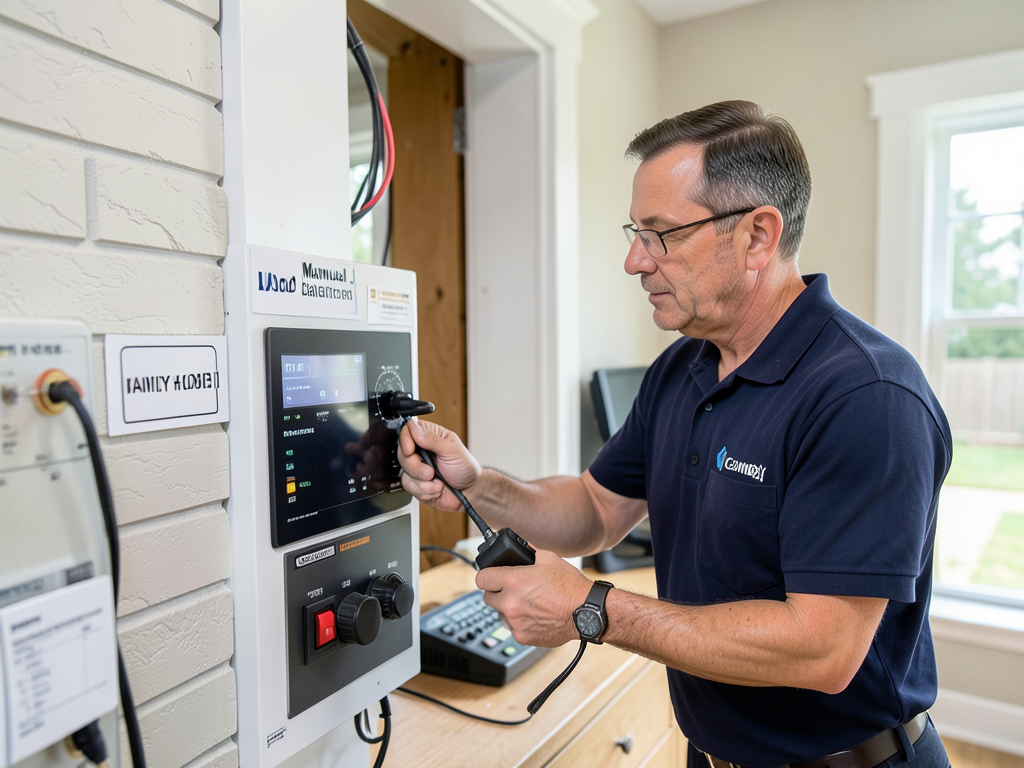
Choosing the Right HVAC Setup for Your New Home Addition in Camby
Adding square footage to your Camby home means making critical decisions about heating and cooling. The wrong choice can leave you with uneven temperatures, skyrocketing utility bills, or a system that struggles to keep up with Indiana’s extreme weather swings. Before you break ground on that sunroom, bonus room, or garage conversion, you need to understand your HVAC options and how Central Indiana’s climate affects them. Indiana Mechanical Code.
Camby homeowners face unique challenges. The area’s heavy clay soil can shift foundations and affect ductwork stability. The humid continental climate means scorching summers with dew points often exceeding 70°F and winter cold snaps that can drop below zero. Your new addition needs a system designed for these specific conditions, not generic advice from somewhere else.. Read more about How to Protect Your HVAC System During a Kitchen Remodel in Your Meridian-Kessler Home.
The first step is understanding that simply tapping into your existing HVAC system rarely works. Most Camby homes built before 2010 were designed for their original square footage. Adding 200-500 square feet without proper calculations creates static pressure problems that reduce efficiency and comfort throughout your entire home.
Understanding Your HVAC Addition Options
Every home addition in Camby presents three main paths forward. Each has distinct advantages depending on your addition type, budget, and long-term plans. The right choice depends on factors like your existing system’s capacity, the addition’s location, and how you plan to use the space.
Before making any decisions, you need accurate load calculations. A Manual J calculation determines exactly how much heating and cooling capacity your new space requires. This isn’t optional guesswork—it’s required by the Indiana Residential Code and ensures your system won’t be oversized or undersized for the space. Reliable Heating and Cooling Experts Serving the Broad Ripple Area.
Option 1: Extending Your Existing Ductwork
Extending ductwork works best for additions directly connected to your main living space. This includes garage conversions, kitchen bump-outs, or master suite additions that share walls with existing rooms. The key is having enough capacity in your current system to handle the extra load.
Here’s what makes ductwork extension viable in Camby: Your furnace and air conditioner must have at least 20% spare capacity after the Manual J calculation for your addition. Many homes built between 1990 and 2005 have systems operating at 85-95% capacity during peak seasons. Adding more load without upgrades creates chronic strain. Furnace Blowing Cold Air.
The extension process involves more than running new ducts. You need to balance static pressure across your entire system. Camby’s clay soil can cause foundation shifts that create gaps in existing ductwork. These gaps reduce efficiency by 15-30% and allow conditioned air to escape into unconditioned spaces like crawl spaces or attics.
Static pressure testing is crucial. Your HVAC technician should use a manometer to measure pressure drops across your system before and after modifications. Ideal static pressure stays between 0.1 and 0.5 inches of water column. Anything higher indicates restriction that reduces airflow and increases energy consumption.
Cost factors for ductwork extension in Camby typically range from $3,000 to $8,000 depending on distance from the main unit, number of supply vents needed, and whether your existing ducts need sealing or insulation upgrades. Homes in older Camby neighborhoods like the areas near Camby Elementary often need complete duct sealing before extensions can be effective.
Option 2: Ductless Mini-Split Systems
Mini-split systems have become the gold standard for Camby additions like sunrooms, detached workshops, and bonus rooms over garages. These systems offer zoned comfort without the need for extensive ductwork modifications. For Indiana’s climate, they provide both heating and cooling in a single compact unit. How Much Does a New AC Unit Cost for a Standard Zionsville Home?.
The technology works through an outdoor condensing unit connected to one or more indoor air handlers. Refrigerant lines run through small holes in your walls—typically 3 inches in diameter. This minimal intrusion makes mini-splits ideal for finished spaces where running ducts would be disruptive or impossible.
Modern mini-splits excel in Camby’s climate. High-efficiency models from Mitsubishi, Daikin, and Fujitsu maintain heating capacity down to -13°F, which handles even our coldest Central Indiana nights. During summer, they provide precise temperature control and superior humidity management compared to traditional systems.
Installation considerations for Camby homes include mounting height and condensate drainage. The heavy clay soil means outdoor units need concrete pads elevated 4-6 inches above grade to prevent water pooling. Condensate lines must drain away from your foundation to prevent moisture problems common in this area.
Cost ranges for mini-split systems in Camby typically fall between $4,000 and $12,000. Single-zone systems for small additions start around $4,000, while multi-zone setups for larger spaces or multiple rooms can exceed $10,000. The price includes equipment, installation, and necessary electrical upgrades.
Energy efficiency makes mini-splits attractive for Camby homeowners. Most units achieve SEER2 ratings of 18-22, with some premium models reaching 25+. This translates to 30-40% lower cooling costs compared to older central systems. Many qualify for AES Indiana rebates of $200-$400 per ton of cooling capacity.
Option 3: Upgrading Your Central HVAC System
When your existing system lacks capacity for the addition, a complete upgrade becomes necessary. This involves replacing your furnace, air conditioner, or both with higher-capacity units designed to handle the increased load. While more expensive upfront, this option provides whole-home comfort improvements.
System sizing requires careful analysis. An undersized system runs constantly, increasing wear and energy costs. An oversized system short-cycles, creating temperature swings and poor humidity control—a serious issue in Camby’s muggy summers. The Manual J calculation provides the exact BTU requirements for your expanded home.
Modern high-efficiency systems offer advantages beyond capacity. Two-stage compressors and variable-speed blowers maintain more consistent temperatures while using less electricity. Smart thermostats learn your patterns and optimize operation for Camby’s seasonal changes. These features can reduce annual HVAC costs by 15-25%.
The upgrade process involves evaluating your existing ductwork. Many Camby homes built before 2000 have ducts that are too small for modern high-efficiency equipment. You might need duct resizing or replacement to achieve optimal performance. This adds $2,000 to $5,000 to your project but improves efficiency across your entire home. Affordable HVAC Replacement Options for Families in Noblesville.
Installation timing matters in Central Indiana. The best periods are late spring and early fall when demand is lower and contractors have more availability. Emergency replacements during July heat waves or January cold snaps often cost 15-20% more due to urgency premiums.
Camby Climate Considerations for HVAC Additions
Central Indiana’s climate creates specific challenges for HVAC systems. Camby experiences 20-25 days annually above 90°F, with humidity levels that make 85°F feel like 95°F. Your system needs adequate latent cooling capacity to remove moisture, not just sensible cooling to lower temperatures.
Winter performance requires equal attention. While heat pumps work efficiently down to about 30°F, they lose effectiveness in extreme cold. Camby typically sees 5-10 nights below 0°F each winter. Systems need either backup electric heat strips or a dual-fuel setup with a gas furnace for these conditions.
Humidity control impacts more than comfort. High indoor humidity promotes mold growth and dust mite populations. Camby’s proximity to the White River and surrounding agricultural areas means higher outdoor mold spore counts. Your HVAC system should maintain indoor humidity between 30-50% year-round.
Air quality deserves consideration when adding new space. New construction materials release volatile organic compounds (VOCs) for months after installation. Proper ventilation and high-quality filtration prevent these compounds from circulating through your home. Camby’s high pollen counts in spring and fall also demand effective air cleaning.
Energy efficiency ties directly to local utility rates. AES Indiana’s summer rates can exceed $0.14 per kWh during peak hours. High-efficiency systems with smart thermostats can shift cooling to off-peak times, reducing costs by 10-15% annually. Some utilities offer time-of-use rates that reward strategic operation.
Cost Factors and Return on Investment
Understanding the true cost of HVAC additions requires looking beyond equipment prices. Labor, permits, electrical upgrades, and potential ductwork modifications all factor into your total investment. Camby homeowners should budget 20-30% beyond the base equipment cost for these additional expenses.
Permit requirements in Hendricks County include mechanical permits for all new HVAC installations. The process typically takes 1-2 weeks and costs $100-$300 depending on project scope. Inspections ensure compliance with Indiana Mechanical Code and local amendments specific to the Camby area.
Energy efficiency impacts long-term costs significantly. A system with SEER2 rating of 16 costs about $300-$400 annually to operate in a typical Camby home. Upgrading to SEER2 20+ reduces this to $200-$250 per year. Over a 15-year system life, that’s $1,500-$2,250 in savings.
Property value considerations matter for larger additions. HVAC upgrades can return 60-80% of their cost at resale, with higher returns for energy-efficient systems. In Camby’s growing suburban market, buyers increasingly value homes with modern, efficient heating and cooling systems.
Maintenance costs vary by system type. Traditional furnaces need annual inspections costing $100-$200. Mini-splits require filter cleaning every 3 months and professional servicing every 2 years. The total maintenance burden over 15 years typically ranges from $1,500 to $3,000 depending on system complexity.
Making Your Final Decision
The right HVAC choice depends on your specific situation. Consider these factors when deciding between ductwork extension, mini-splits, or system upgrades for your Camby addition.
Addition type heavily influences the best approach. Sunrooms and bonus rooms over garages work excellently with mini-splits due to their independent operation and zoning capabilities. Attached living spaces often benefit from ductwork extension if your existing system has adequate capacity.
Usage patterns matter significantly. A home office used daily needs consistent comfort and air quality. A guest room used occasionally might not justify the cost of a dedicated system. Your HVAC choice should match how frequently and intensely you’ll use the new space.
Future plans affect your decision. Planning to finish your basement next year? A system upgrade now might handle both projects. Building a detached workshop you’ll heat year-round? Mini-splits offer the flexibility and efficiency these applications demand.
Budget constraints often guide final choices. While mini-splits cost more upfront than simple ductwork extensions, they provide superior comfort and efficiency. System upgrades represent the largest investment but deliver whole-home improvements that enhance comfort throughout your existing space.
Professional assessment is non-negotiable. A qualified HVAC contractor should perform Manual J calculations, inspect your existing system, and evaluate your home’s construction. This analysis typically costs $200-$500 but prevents costly mistakes and ensures optimal system performance.
Professional Installation and Code Compliance
Proper installation determines system performance more than equipment selection. Camby’s specific conditions require experienced contractors familiar with local building practices and climate challenges. The Indiana Mechanical Code mandates specific installation standards that affect system efficiency and longevity.
Refrigerant handling requires EPA certification under Section 608 of the Clean Air Act. Technicians must be certified to work with the R-410A and R-32 refrigerants common in modern systems. This certification ensures proper charging procedures that protect both the environment and your system’s performance. EPA Section 608 certification.
Electrical requirements vary by system size. Mini-splits typically need 220-volt dedicated circuits, while central systems may require 30-60 amp service upgrades. Your electrical panel must have available capacity, and all work must comply with the National Electrical Code as adopted by Indiana.
Ventilation considerations become critical in tightly sealed modern homes. The International Residential Code requires mechanical ventilation for additions exceeding certain size thresholds. This often means installing fresh air intakes or energy recovery ventilators to maintain indoor air quality.
Quality installation includes proper refrigerant line insulation, secure mounting of outdoor units, and thorough system commissioning. Technicians should verify airflow, measure temperature splits, and confirm that all safety controls function correctly before completing the job.
Maintenance and Longevity Considerations
Your HVAC investment deserves protection through proper maintenance. Different system types require different care routines, but all benefit from regular professional attention. Camby’s climate creates specific maintenance needs that affect system performance and lifespan.
Ductwork maintenance becomes crucial if you choose the extension route. Clay soil shifting can create gaps that leak conditioned air. Annual duct inspections can identify these problems early, preventing energy waste and comfort issues. Professional duct cleaning every 3-5 years removes accumulated dust and allergens.
Filter selection impacts system efficiency significantly. Camby’s high pollen counts mean standard filters clog quickly during spring and fall. High-efficiency filters capture more particles but may restrict airflow if not changed regularly. The right filter balances air quality with system performance.
Seasonal preparation helps systems handle Indiana’s extremes. Before summer, check refrigerant levels, clean condenser coils, and verify that condensate drains function properly. Before winter, inspect heat exchangers, test safety controls, and ensure proper airflow across heating elements.
Smart thermostats add convenience and efficiency to any system. These devices learn your schedule, adjust temperatures automatically, and provide energy usage reports. Many integrate with home automation systems, allowing remote control via smartphone apps.
Energy Efficiency and Environmental Impact
Modern HVAC systems offer unprecedented efficiency compared to units from just 10 years ago. High-efficiency equipment reduces both your utility bills and environmental impact. In Camby, where electricity often comes from coal-fired plants, efficiency improvements directly reduce carbon emissions.
SEER2 ratings provide a standardized measure of cooling efficiency. Systems rated 16 SEER2 or higher qualify as high-efficiency, while those above 20 SEER2 represent premium efficiency. The seasonal energy efficiency ratio accounts for Central Indiana’s cooling season, which typically runs from May through September.
HSPF2 ratings measure heating efficiency for heat pumps. Camby’s cold winters demand systems with HSPF2 ratings of 8.5 or higher for cost-effective operation. Modern cold-climate heat pumps maintain efficiency down to 0°F, though performance degrades gradually as temperatures drop.
Variable-speed technology enhances efficiency across all system types. These compressors and blowers adjust output to match demand rather than cycling on and off. This modulation reduces energy consumption by 20-30% while providing more consistent temperatures and better humidity control.
Refrigerant selection affects both efficiency and environmental impact. Modern systems use R-410A or R-32, which have lower global warming potential than older refrigerants. Proper handling and recycling prevent these compounds from entering the atmosphere where they trap heat thousands of times more effectively than carbon dioxide.
Smart Technology Integration
Modern HVAC systems integrate seamlessly with smart home technology. Wi-Fi enabled thermostats allow remote monitoring and control via smartphone apps. These devices can alert you to system problems, track energy usage, and even predict maintenance needs based on operating patterns.
Geofencing capabilities automatically adjust temperatures when you leave or return home. This feature prevents energy waste from heating or cooling empty houses while ensuring comfort when you arrive. Integration with voice assistants like Amazon Alexa or Google Assistant adds hands-free control convenience.
Energy monitoring provides detailed insights into HVAC consumption. Smart thermostats track usage patterns, identify inefficiencies, and suggest optimizations. Some systems can even coordinate with local utility demand response programs, earning you credits for allowing brief temperature adjustments during peak demand periods.
Zoning capabilities enhance comfort and efficiency in multi-room additions. Smart dampers direct conditioned air where needed most, preventing the common problem of one room being too hot while another is too cold. This targeted approach can reduce energy consumption by 10-15% compared to single-zone systems.
Integration with indoor air quality monitors allows systems to respond to air quality changes automatically. When pollen counts spike or humidity rises, your HVAC can adjust operation to maintain healthy indoor conditions without manual intervention.
Frequently Asked Questions
How long does HVAC installation for a home addition typically take?
Most HVAC addition projects in Camby require 1-3 days for installation, depending on system complexity. Mini-splits often install faster than ductwork extensions, which may require additional time for routing and sealing. Weather conditions and permit approvals can extend the timeline.
Can I install HVAC equipment myself to save money?
DIY HVAC installation is illegal in Indiana and voids all equipment warranties. The work requires EPA certification for refrigerant handling, electrical expertise for proper wiring, and knowledge of mechanical codes. Improper installation creates safety hazards and reduces system efficiency by 20-30%.
What size HVAC system do I need for a 400-square-foot addition?
Size depends on many factors beyond square footage. Ceiling height, insulation quality, window area, and local climate all affect load calculations. A Manual J calculation for a typical Camby addition might indicate needs ranging from 1.5 to 3 tons of cooling capacity.
Are there rebates available for energy-efficient HVAC systems in Camby?
Yes, AES Indiana offers rebates of $200-$400 per ton for qualifying high-efficiency systems. Federal tax credits through 2032 provide up to 30% of installation costs for qualifying equipment. Local utility rebates and manufacturer promotions can further reduce your investment.
How do I know if my existing system can handle an addition?
A professional Manual J load calculation reveals your system’s capacity status. If your existing unit operates at less than 80% capacity during peak conditions, it might handle modest additions. Systems running near capacity need upgrades or supplemental systems for new spaces.
Ready to Upgrade Your Camby Home Addition?
Choosing the right HVAC setup for your Camby home addition requires expertise in local climate conditions, building codes, and system performance. The decisions you make now affect your comfort, energy costs, and home value for years to come.
Don’t guess about your HVAC needs. Call (317) 688-8818 today to schedule a professional assessment. Our experienced technicians understand Camby’s specific challenges and can recommend the perfect solution for your new space. We’ll perform accurate load calculations, explain all your options, and provide clear pricing with no hidden costs.
Whether you need ductwork extension, a mini-split system, or a complete HVAC upgrade, we have the expertise to get it right the first time. Our rapid response team serves all of Camby and surrounding areas, ensuring your addition stays comfortable through every season Indiana throws our way.
Pick up the phone and call (317) 688-8818 before the next temperature extreme hits. Your new addition deserves heating and cooling that works as hard as you do to make your home perfect.
{
“@context”: “https://schema.org”,
“@type”: “BlogPosting”,
“headline”: “Choosing the Right HVAC Setup for Your New Home Addition in Camby”,
“description”: “Learn the best HVAC options for your Camby home addition. Compare ductwork vs. ductless systems, understand Manual J load calculations, and get expert advice tailored to Central Indiana’s climate.”,
“wordCount”: 2991,
“datePublished”: “2026-04-21T11:06:00.000Z”,
“dateModified”: “2026-04-21T11:06:00.000Z”,
“inLanguage”: “en-US”,
“mainEntityOfPage”: {
“@type”: “WebPage”,
“@id”: “https://reliancehvacindianapolis.com”
},
“publisher”: {
“@type”: “LocalBusiness”,
“name”: “Reliance HVAC Indianapolis”,
“url”: “https://reliancehvacindianapolis.com”
},
“author”: {
“@type”: “Organization”,
“name”: “Reliance HVAC Indianapolis”,
“url”: “https://reliancehvacindianapolis.com”
},
“image”: {
“@type”: “ImageObject”,
“url”: “https://reliancehvacindianapolis.com/wp-content/uploads/2026/03/choosing-the-right-hvac-setup-for-your-new-home-ad-1.png”
}
}
{
“@context”: “https://schema.org”,
“@type”: “HVACBusiness”,
“name”: “Reliance HVAC Indianapolis”,
“url”: “https://reliancehvacindianapolis.com”,
“address”: {
“@type”: “PostalAddress”,
“addressLocality”: “Indianapolis”
},
“areaServed”: {
“@type”: “City”,
“name”: “Indianapolis”
}
}
{
“@context”: “https://schema.org”,
“@type”: “FAQPage”,
“mainEntity”: [
{
“@type”: “Question”,
“name”: “How long does HVAC installation for a home addition typically take?”,
“acceptedAnswer”: {
“@type”: “Answer”,
“text”: “Most HVAC addition projects in Camby require 1-3 days for installation, depending on system complexity. Mini-splits often install faster than ductwork extensions, which may require additional time for routing and sealing. Weather conditions and permit approvals can extend the timeline.”
}
},
{
“@type”: “Question”,
“name”: “Can I install HVAC equipment myself to save money?”,
“acceptedAnswer”: {
“@type”: “Answer”,
“text”: “DIY HVAC installation is illegal in Indiana and voids all equipment warranties. The work requires EPA certification for refrigerant handling, electrical expertise for proper wiring, and knowledge of mechanical codes. Improper installation creates safety hazards and reduces system efficiency by 20-30%.”
}
},
{
“@type”: “Question”,
“name”: “What size HVAC system do I need for a 400-square-foot addition?”,
“acceptedAnswer”: {
“@type”: “Answer”,
“text”: “Size depends on many factors beyond square footage. Ceiling height, insulation quality, window area, and local climate all affect load calculations. A Manual J calculation for a typical Camby addition might indicate needs ranging from 1.5 to 3 tons of cooling capacity.”
}
},
{
“@type”: “Question”,
“name”: “Are there rebates available for energy-efficient HVAC systems in Camby?”,
“acceptedAnswer”: {
“@type”: “Answer”,
“text”: “Yes, AES Indiana offers rebates of $200-$400 per ton for qualifying high-efficiency systems. Federal tax credits through 2032 provide up to 30% of installation costs for qualifying equipment. Local utility rebates and manufacturer promotions can further reduce your investment.”
}
},
{
“@type”: “Question”,
“name”: “How do I know if my existing system can handle an addition?”,
“acceptedAnswer”: {
“@type”: “Answer”,
“text”: “A professional Manual J load calculation reveals your system’s capacity status. If your existing unit operates at less than 80% capacity during peak conditions, it might handle modest additions. Systems running near capacity need upgrades or supplemental systems for new spaces.”
}
},
{
“@type”: “Question”,
“name”: “Ready to Upgrade Your Camby Home Addition?”,
“acceptedAnswer”: {
“@type”: “Answer”,
“text”: “Choosing the right HVAC setup for your Camby home addition requires expertise in local climate conditions, building codes, and system performance. The decisions you make now affect your comfort, energy costs, and home value for years to come.”
}
}
]
}
{
“@context”: “https://schema.org”,
“@type”: “BreadcrumbList”,
“itemListElement”: [
{
“@type”: “ListItem”,
“position”: 1,
“name”: “Home”,
“item”: “https://reliancehvacindianapolis.com”
},
{
“@type”: “ListItem”,
“position”: 2,
“name”: “Blog”,
“item”: “https://reliancehvacindianapolis.com/blog”
},
{
“@type”: “ListItem”,
“position”: 3,
“name”: “Choosing the Right HVAC Setup for Your New Home Addition in Camby”
}
]
}
{
“@context”: “https://schema.org”,
“@type”: “Service”,
“serviceType”: “HVAC”,
“provider”: {
“@type”: “LocalBusiness”,
“name”: “Reliance HVAC Indianapolis”,
“url”: “https://reliancehvacindianapolis.com”
},
“areaServed”: {
“@type”: “City”,
“name”: “Indianapolis”
},
“description”: “Learn the best HVAC options for your Camby home addition. Compare ductwork vs. ductless systems, understand Manual J load calculations, and get expert advice tailored to Central Indiana’s climate.”
}