Lowering Energy Bills in Older Plainfield Homes with a Professional HVAC Audit
Older homes in Plainfield often struggle with high energy bills due to aging HVAC systems, poor insulation, and air leaks. A professional HVAC audit pinpoints the exact causes of energy waste and provides a clear roadmap to lower utility costs while improving comfort. With Plainfield’s seasonal temperature swings and rising energy prices, now is the time to take control of your home’s efficiency. Energy Star tax credits for homeowners.
Most Plainfield homeowners see 15-30% savings after addressing the issues found during a professional audit. The process is straightforward, the results are measurable, and local utility rebates can offset much of the cost. If you’re tired of drafty rooms and surprise utility bills, a professional audit is the first step toward real savings.
Why Plainfield’s Older Homes Waste Energy
Plainfield’s housing stock includes many mid-century and historic homes built before modern energy codes. These homes often have single-pane windows, minimal insulation, and aging ductwork that leaks conditioned air. The area’s humid continental climate—hot summers and cold winters—pushes HVAC systems to work harder, especially when heat escapes through poorly sealed attics or crawlspaces.. Read more about Replacing your aging AC condenser in a Whiteland ranch style home.
Common energy loss points in Plainfield homes include:
- Attic bypasses around chimneys and plumbing vents
- Uninsulated rim joists in basements
- Leaky duct connections in unconditioned spaces
- Single-pane windows with failing seals
According to the U.S. Department of Energy, air sealing and insulation improvements alone can reduce heating and cooling costs by up to 20% in older homes. In Plainfield, where winter wind chills often dip below zero, these improvements also prevent dangerous drafts and ice dam formation on roofs. U.S. Department of Energy home energy audits.
What a Professional HVAC Audit Includes
A professional HVAC audit goes far beyond a basic utility walkthrough. Certified auditors use diagnostic tools to measure exactly where your home is losing energy and why. The process typically takes 2-4 hours and results in a detailed report with prioritized recommendations.
Blower Door Testing measures how much air leaks from your home. A powerful fan mounted in an exterior door depressurizes the house, revealing leaks that feel like drafts near windows, doors, and electrical outlets. In Plainfield’s older homes, auditors often find 2-3 times more leakage than modern builds.
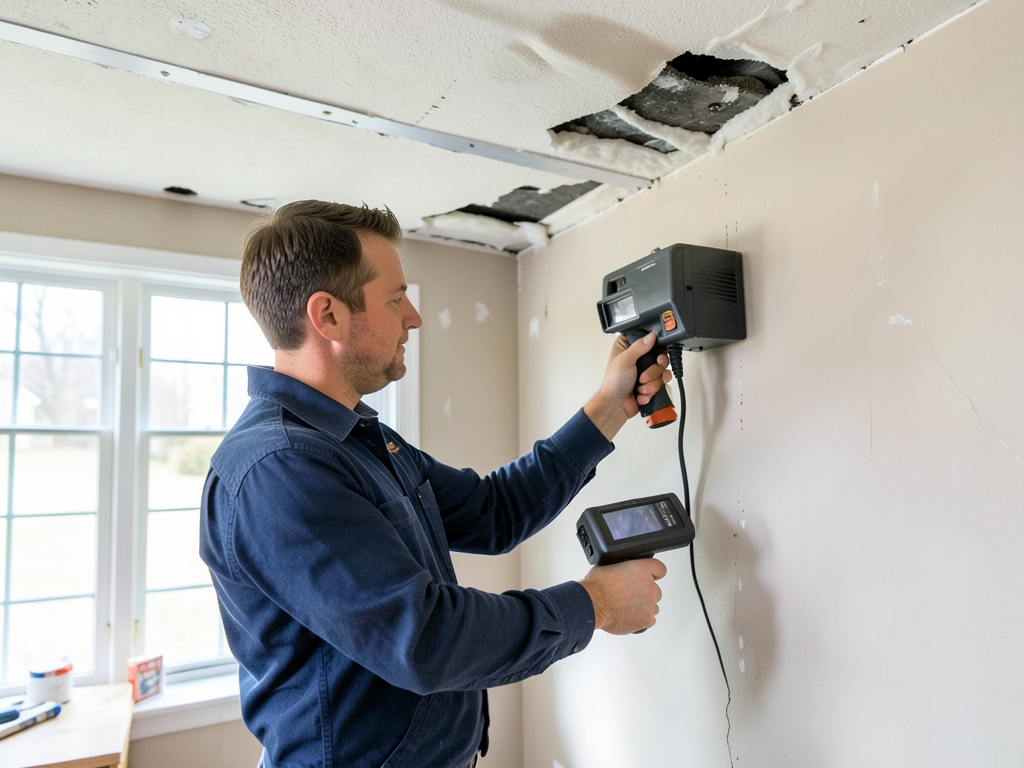
Infrared Thermal Imaging uses a specialized camera to detect temperature differences in walls, ceilings, and floors. Cold spots show where insulation is missing or compressed, while hot spots reveal electrical issues or moisture problems. This non-invasive scan helps auditors target repairs without tearing into walls.
Combustion Safety Testing checks gas furnaces and water heaters for carbon monoxide leaks and proper venting. Indiana code requires CO alarms in all sleeping areas, but a professional test ensures your equipment meets current safety standards.
Duct Leakage Testing measures how much conditioned air escapes from your duct system. Leaky ducts in attics or crawlspaces can waste 20-30% of your heating and cooling energy. Sealing these leaks often provides immediate comfort improvements.
Insulation Inspection evaluates current R-values against Indiana’s recommended levels. For attics, current code calls for R-49 to R-60 insulation. Many Plainfield homes have only R-19 or less, meaning heat escapes rapidly in winter.
Plainfield-Specific Energy Rebates and Incentives
Plainfield homeowners can access several local and federal incentives to offset audit and improvement costs. AES Indiana offers rebates for insulation, air sealing, and high-efficiency HVAC equipment. Duke Energy provides similar programs for electric heating and cooling systems. Reliable Heating and Cooling Experts Serving the Broad Ripple Area.
The federal Inflation Reduction Act extends tax credits for qualifying energy efficiency improvements. Homeowners can receive up to 30% of costs (up to $1,200 annually) for insulation, air sealing, and energy audits. High-efficiency heat pumps and furnaces may qualify for additional credits. Furnace Blowing Cold Air.
Local contractors familiar with Plainfield’s housing stock know which improvements qualify for maximum rebates. For example, replacing a 15-year-old gas furnace with a 95% efficient model often qualifies for both utility rebates and federal tax credits.
Table 1 compares typical improvement costs with available incentives:
| Improvement | Typical Cost | Available Incentives | Net Cost |
|---|---|---|---|
| Attic Insulation (R-49) | $2,500 | $800 AES rebate + $750 tax credit | $950 |
| Duct Sealing | $800 | $300 utility rebate | $500 |
| High-Efficiency Furnace | $4,500 | $600 rebate + $600 tax credit | $3,300 |
Step-by-Step: What Happens During Your Audit
Understanding the audit process helps you prepare and ensures you get the most value from the visit. Here’s what to expect:
- Pre-Audit Interview
The auditor reviews your utility bills, comfort complaints, and any known issues. This 15-minute conversation focuses on your specific concerns and helps prioritize testing areas.
- Visual Inspection
The auditor examines your HVAC equipment, ductwork, insulation levels, and building envelope. They look for obvious issues like disconnected ducts, missing insulation, or water damage that could affect efficiency.
- Blower Door Test
A calibrated fan measures your home’s air leakage. The auditor identifies major leaks using smoke pencils and thermal imaging. Plainfield’s older homes often test at 5-7 air changes per hour, compared to modern standards of 2-3. How Much Does a New AC Unit Cost for a Standard Zionsville Home?.
- Combustion Safety Check
Gas appliances are tested for CO production and proper venting. This critical safety step ensures your equipment meets Indiana’s mechanical code requirements.
- Duct Leakage Assessment
The auditor measures duct leakage using a duct blaster. Leaks in unconditioned spaces are sealed with mastic or metal tape, often improving system efficiency by 15-20%.
- Final Report and Recommendations
You receive a detailed report showing energy loss areas, improvement costs, and expected savings. The auditor explains which fixes provide the best return on investment for your specific home.
Common Plainfield Energy Issues and Solutions
Plainfield’s climate and housing stock create unique energy challenges. Here’s how professional audits address the most common problems:
Problem: Drafty Rooms
Solution: Air sealing attic bypasses and adding insulation. Many Plainfield homes have unsealed gaps around chimneys, plumbing vents, and electrical penetrations that let cold air pour in during winter.
Problem: High Summer Cooling Bills
Solution: Duct sealing and attic insulation. Hot attic air seeps into ducts, forcing your AC to work overtime. Sealing ducts and adding insulation can cut cooling costs by 15-25%.. Read more about Is geothermal heating and cooling right for your New Palestine property?.
Problem: Uneven Temperatures
Solution: Duct balancing and zoning. Many older homes have one thermostat controlling the entire house, leading to hot and cold spots. Professional auditors can recommend zoning systems that direct conditioned air where it’s needed.
Problem: Aging HVAC Equipment
Solution: Equipment replacement with high-efficiency models. Modern furnaces achieve 95-98% efficiency, compared to 60-70% for 20-year-old units. The energy savings often pay for the new equipment within 5-7 years. Affordable HVAC Replacement Options for Families in Noblesville.
Preparing for Your Professional Audit
A little preparation helps auditors work efficiently and ensures you get comprehensive results. Here’s how to prepare:
- Locate all HVAC equipment and clear access paths
- Gather recent utility bills (12 months if possible)
- Note any comfort issues or problem rooms
- Ensure pets are secured and areas are accessible
- Plan to be present for the entire 2-4 hour visit
During the audit, auditors may need to access attics, crawlspaces, and mechanical rooms. They use specialized equipment that requires electrical outlets and clear workspace. The more information you provide about your home’s history and issues, the more targeted their recommendations will be.
Real Results from Plainfield Homeowners
Homeowners who follow through on audit recommendations consistently see measurable savings. One Plainfield family reduced their annual energy bills by $850 after sealing attic bypasses and adding insulation. Another saw a 30% drop in summer cooling costs after duct sealing and equipment tune-up.
The key is prioritizing improvements based on your audit report. Focus first on fixes that provide the best return on investment, such as air sealing and duct repair, before moving to larger projects like window replacement. The Best AC Repair Services in Carmel for Modern Subdivisions.
Frequently Asked Questions
How much does a professional HVAC audit cost in Plainfield?
Professional audits typically cost $300-$600, depending on home size and complexity. Many utility companies offer rebates that can reduce this cost by $100-$200. The investment often pays for itself within the first year through energy savings.
How long does the audit take and what should I expect?
Most audits take 2-4 hours. The auditor will test your home’s air leakage, inspect insulation levels, check combustion safety, and evaluate your HVAC system. You’ll receive a detailed report with prioritized recommendations and expected energy savings.
Will the auditor fix problems during the visit?
Auditors focus on diagnostics and recommendations. They may perform minor air sealing or duct repairs during testing, but major improvements require separate service calls. Your report will outline which fixes you can DIY and which need professional contractors.
How soon will I see results after making improvements?
Many homeowners notice comfort improvements immediately after air sealing and duct repairs. Energy savings typically appear within the first full billing cycle after improvements are completed. The biggest savings usually come from insulation and equipment upgrades.
Can I do my own energy audit instead?
DIY audits miss critical issues that professional equipment can detect. While you can identify obvious drafts and check insulation levels, you can’t measure duct leakage, combustion safety, or air infiltration rates without specialized tools. Professional audits provide the accuracy needed to qualify for rebates.
Take Control of Your Energy Costs Today
Plainfield’s older homes deserve modern comfort and efficiency. A professional HVAC audit is the most direct path to lower energy bills, improved comfort, and a healthier home environment. With local rebates and federal tax credits available in 2026, there’s never been a better time to invest in your home’s efficiency.
Call (317) 688-8818 today to schedule your professional HVAC audit. Our certified auditors serve Plainfield and surrounding areas, bringing years of experience with local housing stock and energy codes. Don’t wait for another high bill or uncomfortable season—take the first step toward real energy savings now.
Pick up the phone and call (317) 688-8818 before the next extreme weather hits. Your home’s comfort and your wallet will thank you.
You may also find this helpful. The best way to heat and cool a large Meridian Hills estate efficiently.
You may also find this helpful. How to Properly Heat and Cool a Detached Garage Workshop in Wanamaker.
{
“@context”: “https://schema.org”,
“@type”: “BlogPosting”,
“headline”: “Lowering Energy Bills in Older Plainfield Homes with a Professional HVAC Audit”,
“description”: “Discover how a professional HVAC audit can cut energy bills in Plainfield’s older homes. Learn about local rebates, diagnostic testing, and proven strategies to boost comfort and savings.”,
“wordCount”: 1668,
“datePublished”: “2026-03-21T15:14:00.000Z”,
“dateModified”: “2026-03-21T15:14:00.000Z”,
“inLanguage”: “en-US”,
“mainEntityOfPage”: {
“@type”: “WebPage”,
“@id”: “https://reliancehvacindianapolis.com”
},
“publisher”: {
“@type”: “LocalBusiness”,
“name”: “Reliance HVAC Indianapolis”,
“url”: “https://reliancehvacindianapolis.com”
},
“author”: {
“@type”: “Organization”,
“name”: “Reliance HVAC Indianapolis”,
“url”: “https://reliancehvacindianapolis.com”
},
“image”: {
“@type”: “ImageObject”,
“url”: “https://reliancehvacindianapolis.com/wp-content/uploads/2026/03/lowering-energy-bills-in-older-plainfield-homes-wi-1.png”
}
}
{
“@context”: “https://schema.org”,
“@type”: “HVACBusiness”,
“name”: “Reliance HVAC Indianapolis”,
“url”: “https://reliancehvacindianapolis.com”,
“address”: {
“@type”: “PostalAddress”,
“addressLocality”: “Indianapolis”
},
“areaServed”: {
“@type”: “City”,
“name”: “Indianapolis”
}
}
{
“@context”: “https://schema.org”,
“@type”: “FAQPage”,
“mainEntity”: [
{
“@type”: “Question”,
“name”: “How much does a professional HVAC audit cost in Plainfield?”,
“acceptedAnswer”: {
“@type”: “Answer”,
“text”: “Professional audits typically cost $300-$600, depending on home size and complexity. Many utility companies offer rebates that can reduce this cost by $100-$200. The investment often pays for itself within the first year through energy savings.”
}
},
{
“@type”: “Question”,
“name”: “How long does the audit take and what should I expect?”,
“acceptedAnswer”: {
“@type”: “Answer”,
“text”: “Most audits take 2-4 hours. The auditor will test your home’s air leakage, inspect insulation levels, check combustion safety, and evaluate your HVAC system. You’ll receive a detailed report with prioritized recommendations and expected energy savings.”
}
},
{
“@type”: “Question”,
“name”: “Will the auditor fix problems during the visit?”,
“acceptedAnswer”: {
“@type”: “Answer”,
“text”: “Auditors focus on diagnostics and recommendations. They may perform minor air sealing or duct repairs during testing, but major improvements require separate service calls. Your report will outline which fixes you can DIY and which need professional contractors.”
}
},
{
“@type”: “Question”,
“name”: “How soon will I see results after making improvements?”,
“acceptedAnswer”: {
“@type”: “Answer”,
“text”: “Many homeowners notice comfort improvements immediately after air sealing and duct repairs. Energy savings typically appear within the first full billing cycle after improvements are completed. The biggest savings usually come from insulation and equipment upgrades.”
}
},
{
“@type”: “Question”,
“name”: “Can I do my own energy audit instead?”,
“acceptedAnswer”: {
“@type”: “Answer”,
“text”: “DIY audits miss critical issues that professional equipment can detect. While you can identify obvious drafts and check insulation levels, you can’t measure duct leakage, combustion safety, or air infiltration rates without specialized tools. Professional audits provide the accuracy needed to qualify for rebates.”
}
}
]
}
{
“@context”: “https://schema.org”,
“@type”: “HowTo”,
“name”: “Professional HVAC Audit Process”,
“step”: [
{
“@type”: “HowToStep”,
“position”: 1,
“name”: “Pre-Audit Interview”,
“text”: “The auditor reviews your utility bills, comfort complaints, and any known issues. This 15-minute conversation focuses on your specific concerns and helps prioritize testing areas.”
},
{
“@type”: “HowToStep”,
“position”: 2,
“name”: “Visual Inspection”,
“text”: “The auditor examines your HVAC equipment, ductwork, insulation levels, and building envelope. They look for obvious issues like disconnected ducts, missing insulation, or water damage that could affect efficiency.”
},
{
“@type”: “HowToStep”,
“position”: 3,
“name”: “Blower Door Test”,
“text”: “A calibrated fan measures your home’s air leakage. The auditor identifies major leaks using smoke pencils and thermal imaging. Plainfield’s older homes often test at 5-7 air changes per hour, compared to modern standards of 2-3. How Much Does a New AC Unit Cost for a Standard Zionsville Home?.”
},
{
“@type”: “HowToStep”,
“position”: 4,
“name”: “Combustion Safety Check”,
“text”: “Gas appliances are tested for CO production and proper venting. This critical safety step ensures your equipment meets Indiana’s mechanical code requirements.”
},
{
“@type”: “HowToStep”,
“position”: 5,
“name”: “Duct Leakage Assessment”,
“text”: “The auditor measures duct leakage using a duct blaster. Leaks in unconditioned spaces are sealed with mastic or metal tape, often improving system efficiency by 15-20%.”
},
{
“@type”: “HowToStep”,
“position”: 6,
“name”: “Final Report and Recommendations”,
“text”: “You receive a detailed report showing energy loss areas, improvement costs, and expected savings. The auditor explains which fixes provide the best return on investment for your specific home.”
}
],
“image”: “https://reliancehvacindianapolis.com/wp-content/uploads/2026/03/lowering-energy-bills-in-older-plainfield-homes-wi-1.png”
}
{
“@context”: “https://schema.org”,
“@type”: “BreadcrumbList”,
“itemListElement”: [
{
“@type”: “ListItem”,
“position”: 1,
“name”: “Home”,
“item”: “https://reliancehvacindianapolis.com”
},
{
“@type”: “ListItem”,
“position”: 2,
“name”: “Blog”,
“item”: “https://reliancehvacindianapolis.com/blog”
},
{
“@type”: “ListItem”,
“position”: 3,
“name”: “Lowering Energy Bills in Older Plainfield Homes with a Professional HVAC Audit”
}
]
}
{
“@context”: “https://schema.org”,
“@type”: “Service”,
“serviceType”: “HVAC”,
“provider”: {
“@type”: “LocalBusiness”,
“name”: “Reliance HVAC Indianapolis”,
“url”: “https://reliancehvacindianapolis.com”
},
“areaServed”: {
“@type”: “City”,
“name”: “Indianapolis”
},
“description”: “Discover how a professional HVAC audit can cut energy bills in Plainfield’s older homes. Learn about local rebates, diagnostic testing, and proven strategies to boost comfort and savings.”
}