
Why the Second Floor of Your Zionsville Home is Always Too Hot
Your second floor feels like a sauna while the first floor stays comfortable. This frustrating temperature battle is common in Zionsville’s two-story homes, where heat naturally rises and gets trapped upstairs. The good news is that understanding why this happens is the first step toward fixing it. How Much Does a New AC Unit Cost for a Standard Zionsville Home?.
Indiana’s humid continental climate means summer days regularly hit 90°F with high humidity levels that make upstairs rooms feel even hotter. Your home’s design, ductwork layout, and insulation all play crucial roles in this temperature imbalance. Let’s explore what’s really happening and how to fix it.
Understanding the Science: Why Heat Clusters Upstairs
Heat naturally rises through a process called thermal buoyancy, but in Zionsville homes, several local factors make this effect much worse. The stack effect becomes pronounced when outdoor temperatures soar, creating pressure differences that push hot air upward through your home.
Indiana’s high summer humidity compounds the problem. When air holds more moisture, it feels warmer at the same temperature. Your upstairs rooms can feel 5-8 degrees hotter than downstairs simply due to humidity levels that often exceed 70% during peak summer months.
Many Zionsville homes built before 2010 lack adequate return air vents on upper floors. This creates negative pressure that pulls warm air from throughout your home into the second story, making the problem worse. The Indiana Residential Code now requires balanced airflow, but older homes still struggle with this design flaw.
5 Common Causes for Uneven Cooling
Several factors contribute to your upstairs overheating. Understanding these helps identify the right solution for your specific situation. Reliable Heating and Cooling Experts Serving the Broad Ripple Area.
Poor attic insulation is the most common culprit in Zionsville homes. Many houses built before 2000 have R-19 insulation when current building codes require R-49 to R-60 for Indiana’s climate zone. This means heat transfers through your ceiling much faster than it should.
Leaky ductwork wastes up to 30% of your cooled air before it reaches upstairs rooms. In Zionsville’s older neighborhoods, many duct systems have gaps at joints, disconnected runs, or deteriorated insulation that allows conditioned air to escape into unconditioned spaces like attics and crawl spaces.
Undersized air conditioning units struggle to handle Indiana’s humidity. A system that’s too small runs constantly without properly removing moisture from the air. This leaves upstairs rooms feeling clammy and warm even when the thermostat reads a comfortable temperature.. Read more about Custom air conditioning solutions for narrow lots and townhomes in Fletcher Place.
Single-zone thermostats create inherent temperature imbalances. Your downstairs thermostat controls the entire system, but heat rises naturally. By the time upstairs reaches your desired temperature, downstairs is often 5-10 degrees too cold.
Solar gain through south and west-facing windows adds significant heat load. Zionsville’s many ranch-style homes and two-story builds with large windows on upper floors absorb tremendous heat during afternoon hours when the sun is most intense.. Read more about The best way to heat and cool a large Meridian Hills estate efficiently.
DIY Solutions to Try First
Before calling a professional, several simple fixes might improve your upstairs comfort. These cost little but can make a noticeable difference.
Adjust your register blades to direct more airflow upstairs. Close first-floor vents partially to force more cooled air to upper levels. This simple adjustment can redirect up to 15% of your system’s airflow where it’s needed most.
Install reflective window film on south and west-facing windows. This blocks up to 60% of solar heat gain without blocking your view. In Zionsville’s sunny climate, this can reduce upstairs temperatures by 3-5 degrees during peak afternoon hours.
Replace your air filter monthly during summer. Dirty filters restrict airflow, forcing your system to work harder and reducing the amount of cool air reaching upstairs rooms. A clean filter can improve system efficiency by 5-15%.
Close blinds and drapes on sunny windows during the hottest parts of the day. This simple step prevents solar heat gain that can raise room temperatures by 10-15 degrees on bright summer days.
Check your attic access hatch for proper insulation and weatherstripping. An uninsulated attic hatch creates a significant thermal bridge that allows heat to pour into your living space from the attic below.
Professional HVAC Upgrades for Long-Term Comfort
When DIY fixes aren’t enough, professional solutions can transform your home’s comfort. These upgrades address the root causes of upstairs overheating.
Zoning system installation creates separate temperature control for upstairs and downstairs. Motorized dampers in your ductwork direct conditioned air where it’s needed most. This technology can reduce energy costs by 20-30% while eliminating hot and cold spots throughout your home.
Ductless mini-splits provide targeted cooling for problem areas. These systems are perfect for master bedrooms or home offices that stay too warm. Modern mini-splits operate at up to 30% efficiency compared to traditional systems while providing independent temperature control.
Attic fan installation removes superheated air that accumulates in your attic space. In Zionsville’s climate, attic temperatures can reach 150°F on sunny summer days. A properly sized attic fan can reduce your upstairs temperatures by 5-8 degrees by removing this heat source.
Blown-in insulation upgrades bring your attic up to current R-49 to R-60 standards. This investment typically pays for itself within 3-5 years through reduced energy costs. The upgrade also helps maintain consistent temperatures year-round, not just during summer.
Manual J load calculations ensure your system is properly sized for your home’s specific needs. Many Zionsville homes have oversized or undersized systems that waste energy and create comfort problems. A proper calculation considers your home’s orientation, window placement, insulation levels, and local climate factors.
Schedule a Comfort Audit in Indianapolis
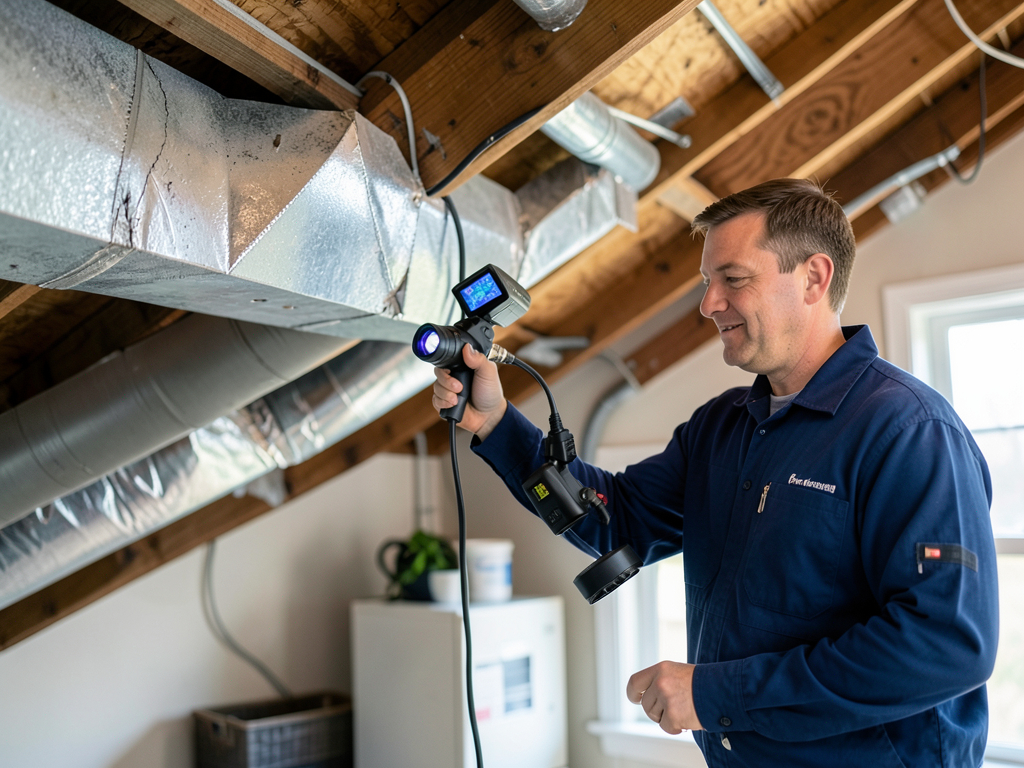
Professional diagnosis is the fastest way to identify exactly what’s causing your upstairs overheating. A comprehensive comfort audit includes thermal imaging to find air leaks, airflow measurements to identify restrictions, and system performance testing to ensure everything operates at peak efficiency.
During an audit, technicians use specialized tools to measure temperature differentials, check ductwork integrity, and assess insulation effectiveness. This diagnostic process typically takes 2-3 hours but provides a roadmap for solving your specific comfort issues.
Many Indianapolis homeowners qualify for utility rebates when upgrading to high-efficiency systems or improving insulation. AES Indiana and Duke Energy offer incentives that can cover 20-30% of upgrade costs, making professional solutions more affordable than you might think. Affordable HVAC Replacement Options for Families in Noblesville.
The investment in proper HVAC solutions pays dividends beyond comfort. Improved system efficiency reduces energy bills, extends equipment life, and increases your home’s value. Most homeowners see complete return on investment within 5-7 years through energy savings alone.
Don’t let another summer pass with an unbearably hot second floor. The longer you wait, the more energy you waste and the more uncomfortable your family becomes. Modern HVAC solutions can transform your home into the comfortable retreat you deserve.
Frequently Asked Questions
Why is my second floor always hotter than the first floor?
Heat naturally rises through thermal buoyancy, and your upstairs rooms trap this warm air. Additional factors include poor attic insulation, leaky ductwork, inadequate return air vents, and solar heat gain through windows. Indiana’s high humidity makes the problem worse by preventing natural cooling through evaporation.
How much does it cost to fix upstairs overheating?
Costs vary widely based on your specific situation. Simple fixes like adjusting registers or adding window film cost under $200. Professional solutions range from $2,000-5,000 for zoning systems to $8,000-15,000 for complete HVAC replacement. Most homeowners spend $3,000-7,000 for effective solutions that eliminate hot spots.
Should I replace my AC unit or add a zoning system?
A zoning system often provides better results at lower cost than full replacement. However, if your current system is over 10 years old or improperly sized, replacement might be more cost-effective long-term. A professional load calculation helps determine the best approach for your specific home.
How long do HVAC upgrades take to install?
Simple upgrades like zoning dampers take 1-2 days. Ductless mini-split installation requires 1-2 days per unit. Complete system replacement typically takes 2-3 days. Most projects can be completed without requiring you to leave your home, though temporary comfort adjustments may be needed.
Will new insulation really make that much difference?
Yes. Upgrading from R-19 to R-49 insulation can reduce heat transfer by 60-70%. This means your upstairs stays cooler in summer and warmer in winter. The improvement in comfort and energy efficiency often pays for itself within 3-5 years through reduced utility bills.
Take Control of Your Home’s Comfort Today
Stop suffering through another Indiana summer with an unbearably hot second floor. The solutions exist, and they’re more affordable than you might think. Whether you need simple adjustments or complete system upgrades, professional help can transform your home’s comfort level.
Call (317) 688-8818 today to schedule your free comfort audit. Our NATE-certified technicians will diagnose your specific issues and recommend solutions tailored to your home and budget. Don’t wait until the next heat wave hits – take action now and enjoy comfortable upstairs living all summer long.
Pick up the phone and call (317) 688-8818 before the next 90-degree day arrives. Your family deserves comfortable living spaces throughout your entire home, not just on the first floor. Let our local experts show you how easy it is to solve your upstairs overheating problems for good. For more information, visit U.S. Department of Energy insulation guidelines. For more information, visit ASHRAE HVAC standards and best practices.
{
“@context”: “https://schema.org”,
“@type”: “BlogPosting”,
“headline”: “Why the Second Floor of Your Zionsville Home is Always Too Hot”,
“description”: “Discover why your Zionsville second floor gets unbearably hot in summer and learn proven HVAC solutions from local experts. Call (317) 688-8818 for a free comfort audit.”,
“wordCount”: 1564,
“datePublished”: “2026-03-17T14:30:00.000Z”,
“dateModified”: “2026-03-17T14:30:00.000Z”,
“inLanguage”: “en-US”,
“mainEntityOfPage”: {
“@type”: “WebPage”,
“@id”: “https://reliancehvacindianapolis.com”
},
“publisher”: {
“@type”: “LocalBusiness”,
“name”: “Reliance HVAC Indianapolis”,
“url”: “https://reliancehvacindianapolis.com”
},
“author”: {
“@type”: “Organization”,
“name”: “Reliance HVAC Indianapolis”,
“url”: “https://reliancehvacindianapolis.com”
},
“image”: {
“@type”: “ImageObject”,
“url”: “https://reliancehvacindianapolis.com/wp-content/uploads/2026/03/why-the-second-floor-of-your-zionsville-home-is-al-1.png”
}
}
{
“@context”: “https://schema.org”,
“@type”: “HVACBusiness”,
“name”: “Reliance HVAC Indianapolis”,
“url”: “https://reliancehvacindianapolis.com”,
“address”: {
“@type”: “PostalAddress”,
“addressLocality”: “Indianapolis”
},
“areaServed”: {
“@type”: “City”,
“name”: “Indianapolis”
}
}
{
“@context”: “https://schema.org”,
“@type”: “FAQPage”,
“mainEntity”: [
{
“@type”: “Question”,
“name”: “Why is my second floor always hotter than the first floor?”,
“acceptedAnswer”: {
“@type”: “Answer”,
“text”: “Heat naturally rises through thermal buoyancy, and your upstairs rooms trap this warm air. Additional factors include poor attic insulation, leaky ductwork, inadequate return air vents, and solar heat gain through windows. Indiana’s high humidity makes the problem worse by preventing natural cooling through evaporation.”
}
},
{
“@type”: “Question”,
“name”: “How much does it cost to fix upstairs overheating?”,
“acceptedAnswer”: {
“@type”: “Answer”,
“text”: “Costs vary widely based on your specific situation. Simple fixes like adjusting registers or adding window film cost under $200. Professional solutions range from $2,000-5,000 for zoning systems to $8,000-15,000 for complete HVAC replacement. Most homeowners spend $3,000-7,000 for effective solutions that eliminate hot spots.”
}
},
{
“@type”: “Question”,
“name”: “Should I replace my AC unit or add a zoning system?”,
“acceptedAnswer”: {
“@type”: “Answer”,
“text”: “A zoning system often provides better results at lower cost than full replacement. However, if your current system is over 10 years old or improperly sized, replacement might be more cost-effective long-term. A professional load calculation helps determine the best approach for your specific home.”
}
},
{
“@type”: “Question”,
“name”: “How long do HVAC upgrades take to install?”,
“acceptedAnswer”: {
“@type”: “Answer”,
“text”: “Simple upgrades like zoning dampers take 1-2 days. Ductless mini-split installation requires 1-2 days per unit. Complete system replacement typically takes 2-3 days. Most projects can be completed without requiring you to leave your home, though temporary comfort adjustments may be needed.”
}
},
{
“@type”: “Question”,
“name”: “Will new insulation really make that much difference?”,
“acceptedAnswer”: {
“@type”: “Answer”,
“text”: “Yes. Upgrading from R-19 to R-49 insulation can reduce heat transfer by 60-70%. This means your upstairs stays cooler in summer and warmer in winter. The improvement in comfort and energy efficiency often pays for itself within 3-5 years through reduced utility bills.”
}
}
]
}
{
“@context”: “https://schema.org”,
“@type”: “BreadcrumbList”,
“itemListElement”: [
{
“@type”: “ListItem”,
“position”: 1,
“name”: “Home”,
“item”: “https://reliancehvacindianapolis.com”
},
{
“@type”: “ListItem”,
“position”: 2,
“name”: “Blog”,
“item”: “https://reliancehvacindianapolis.com/blog”
},
{
“@type”: “ListItem”,
“position”: 3,
“name”: “Why the Second Floor of Your Zionsville Home is Always Too Hot”
}
]
}
{
“@context”: “https://schema.org”,
“@type”: “Service”,
“serviceType”: “HVAC”,
“provider”: {
“@type”: “LocalBusiness”,
“name”: “Reliance HVAC Indianapolis”,
“url”: “https://reliancehvacindianapolis.com”
},
“areaServed”: {
“@type”: “City”,
“name”: “Indianapolis”
},
“description”: “Discover why your Zionsville second floor gets unbearably hot in summer and learn proven HVAC solutions from local experts. Call (317) 688-8818 for a free comfort audit.”
}