
How to Lower Your AES Indiana Energy Bill Without Turning Off the AC
Indianapolis homeowners face some of the highest summer cooling costs in the Midwest thanks to AES Indiana’s tiered rate structure and our region’s intense humidity. The good news is you can cut your energy bill by 20-30% without sacrificing comfort by focusing on HVAC efficiency and leveraging AES-specific programs. This guide breaks down exactly how to do it based on Indianapolis climate conditions and AES Indiana’s current rebate offerings. AES Indiana Rebates and Programs.
Why Your AES Bill Spikes in Summer
Central Indiana’s humid continental climate means your AC runs almost constantly from June through September. AES Indiana’s peak demand pricing kicks in during the hottest hours when everyone’s system is working overtime. A typical 3-ton AC unit in an Indianapolis home runs about 1,800 hours per cooling season. If your system is older than 10 years or hasn’t had maintenance, it could be using 30% more electricity than necessary just to keep up with our summer heat.. Read more about Why a Dual Fuel Hybrid System Makes Sense for Herron-Morton Homeowners.
Quick Wins That Cost Nothing
Start with these no-cost habits that make an immediate difference on your AES bill. Set your thermostat to 78°F when home and 82°F when away. This single change can reduce cooling costs by up to 10% according to the Department of Energy. Close blinds on south and west-facing windows during peak afternoon hours when Indianapolis temperatures hit their highest. Use ceiling fans to create a wind-chill effect so you can raise the thermostat 4°F without feeling warmer. These habits alone could save $15-25 per month during peak summer. Department of Energy AC Efficiency Guide.
HVAC Maintenance That Pays for Itself
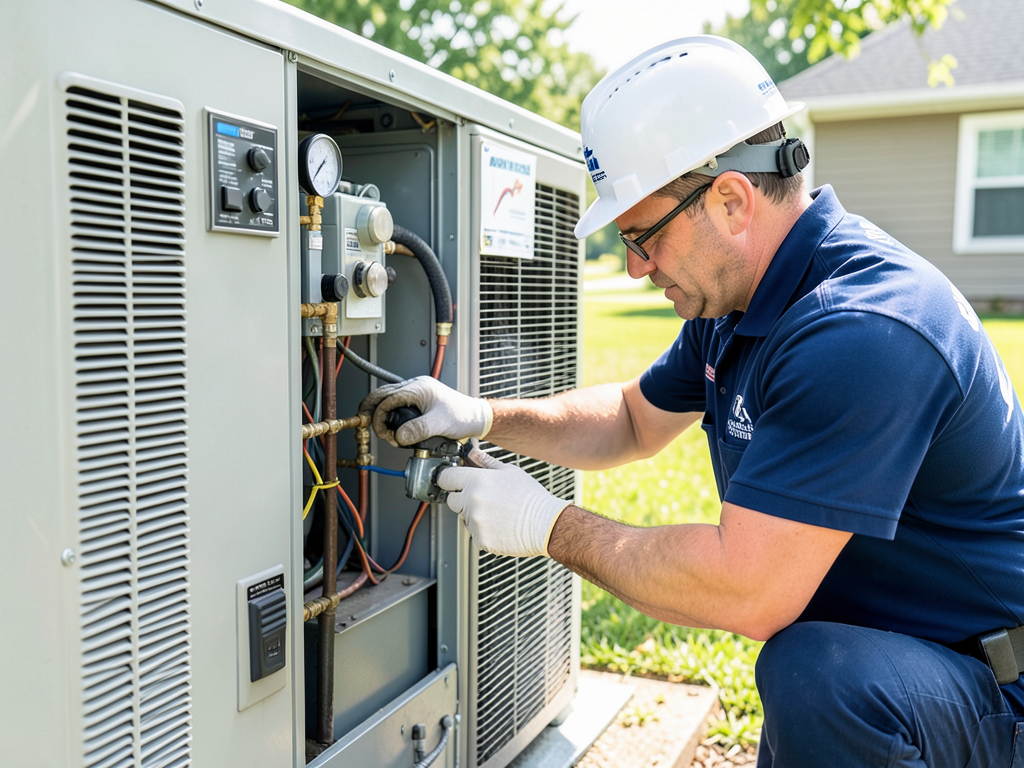
Dirty air filters are the number one cause of inefficient AC operation in Indianapolis homes. A clogged filter forces your system to work 15% harder, increasing energy use and wear on components. Replace filters every 60-90 days during cooling season. Check refrigerant levels annually since low refrigerant causes your compressor to run longer cycles. Clean condenser coils remove heat more efficiently when outdoor temperatures hit 90°F. These three maintenance items typically pay for themselves within one cooling season through lower energy bills.
AES Indiana Rebates and Programs
AES Indiana offers several programs specifically designed to help customers lower their energy costs. The CoolCents program provides rebates up to $400 for high-efficiency AC units with SEER2 ratings of 16 or higher. Their Home Energy Assessment program sends certified technicians to evaluate your home’s energy use and recommends specific upgrades. Budget Billing averages your annual costs into equal monthly payments, preventing seasonal spikes. The Marketplace offers instant rebates on smart thermostats and high-efficiency HVAC components when purchased through participating retailers.
Smart Thermostat Integration
Modern smart thermostats can reduce your AES bill by 10-15% through automated scheduling and AES demand-response integration. These devices learn your patterns and adjust temperatures when electricity rates are highest. Many models connect to AES Indiana’s demand-response program, automatically raising your thermostat a few degrees during peak demand events in exchange for bill credits. Installation takes less than an hour and the energy savings typically offset the cost within 12-18 months.
Attic Insulation and Ductwork Integrity
Indianapolis homes lose tremendous energy through poorly insulated attics and leaky ductwork. Our climate zone requires R-49 insulation in attics, but many homes in older neighborhoods like Meridian-Kessler have only R-19 or less. Each degree of under-insulation can increase cooling costs by 3-5%. Duct leaks waste 20-30% of conditioned air in typical homes. A professional duct inspection with smoke testing can identify leaks that, when sealed, improve system efficiency immediately.
When to Upgrade Your AC System
If your AC unit is over 12 years old, upgrading to a high-efficiency model could cut your cooling costs by 30% or more. Modern units with SEER2 ratings of 16+ use variable-speed compressors that adjust to cooling demand rather than cycling on and off. This technology is particularly effective in Indianapolis where humidity makes constant air circulation important. AES Indiana’s rebates combined with federal tax credits can reduce upgrade costs by 30-40%, making the investment payback period 3-5 years.
Heat Pump Technology for Year-Round Savings
Heat pumps are becoming increasingly popular in Central Indiana as technology improves for our climate. Modern cold-climate heat pumps maintain efficiency even when temperatures drop below freezing. They provide both heating and cooling, eliminating the need for separate systems. For homes currently using electric resistance heat or older gas furnaces, heat pumps can reduce heating costs by 50% while also cutting cooling costs. AES Indiana offers additional rebates for heat pump installations through their energy efficiency programs. Reliable Heating and Cooling Experts Serving the Broad Ripple Area.
The Energy Audit Advantage
A professional HVAC energy audit goes beyond basic maintenance to identify hidden efficiency losses. Technicians use thermal imaging to spot insulation gaps, measure airflow to detect duct restrictions, and test combustion efficiency on gas furnaces. In Indianapolis’s mixed-humid climate, these audits often reveal multiple opportunities for savings that homeowners miss. The cost of an audit typically ranges from $200-400 but can identify $500-1,000 in annual energy savings opportunities. Furnace Blowing Cold Air.
Peak Demand Management Strategies
AES Indiana’s peak demand pricing means your bill can spike dramatically during the hottest days of summer. Smart homeowners use programmable thermostats to pre-cool their homes before peak pricing begins, typically 3-7 PM. Running major appliances like dishwashers and laundry machines before noon or after 8 PM also reduces demand charges. Some customers install whole-house fans that can cool homes overnight using outside air when temperatures drop, reducing AC runtime the next day.
Maintenance Schedule for Indianapolis Climate
Indianapolis’s climate requires specific maintenance timing to maximize efficiency. Schedule professional AC tune-ups in early May before cooling season begins. Clean condenser coils in late June after spring pollen season ends. Check refrigerant levels in July when systems work hardest. Replace air filters monthly during July and August when pollen counts and dust are highest. Fall maintenance in October prepares your system for the rapid temperature swings we experience in September and October.
Cost-Benefit Analysis of Efficiency Upgrades
Upgrading from a 10 SEER to a 16 SEER2 AC unit in Indianapolis typically costs $4,000-6,000 installed. With AES Indiana rebates of $300-400 and annual energy savings of $200-300, the payback period is 12-15 years without considering the extended lifespan of the new unit. Adding attic insulation costs $1,500-2,500 but can save $300-400 annually. Smart thermostats cost $200-300 and save $150-200 per year. These investments make financial sense when viewed over a 5-7 year horizon.
Local Building Code Considerations
Indianapolis building codes require specific efficiency standards for HVAC installations. The Indiana Residential Code mandates minimum SEER2 ratings based on system type and home size. Marion County requires permits for all HVAC replacements and inspections to verify proper installation. Carbon monoxide detectors are mandatory for all homes with gas appliances. These requirements ensure safety and efficiency but also mean DIY installations are not permitted. Professional installation guarantees compliance and maintains manufacturer warranties. How Much Does a New AC Unit Cost for a Standard Zionsville Home?.
Seasonal Transition Strategies
Indianapolis experiences rapid seasonal transitions that challenge HVAC systems. September often sees 50°F nights and 85°F days within the same week. Programmable thermostats with multi-stage operation handle these transitions better than single-stage systems. During spring and fall, open windows during mild days to give your AC a break. Use dehumidifiers in April and October when humidity remains high but temperatures are moderate. These strategies extend equipment life while maintaining comfort.
Emergency Preparedness for System Failures
Central Indiana’s summer thunderstorms can knock out power when you need AC most. Install whole-house surge protectors to prevent damage from power fluctuations. Consider portable generators for extended outages during heat waves. Keep emergency contact information for HVAC technicians who offer 24/7 service. Many companies in Indianapolis provide priority service for maintenance customers during heat emergencies. Being prepared prevents uncomfortable situations and potential health risks during extreme heat events.
Water Conservation and AC Efficiency
Frequently Asked Questions
How much can I really save on my AES Indiana bill with these changes?
Most Indianapolis homeowners see 15-25% reductions in cooling costs by implementing comprehensive efficiency measures. This translates to $25-50 monthly savings during peak summer months. The exact savings depend on your home’s current efficiency, local electricity rates, and how aggressively you implement the recommendations.
Does AES Indiana offer free energy audits?
AES Indiana provides discounted energy assessments through their Home Energy Assessment program. While not completely free, the $99 fee is significantly less than commercial audit rates. The assessment includes a detailed report with specific recommendations tailored to your home and AES rate structure.
How often should I replace my AC filter in Indianapolis?
During peak cooling season (June through September), replace 1-inch filters monthly. If you have pets or live near construction areas, check filters every 30 days year-round. High-efficiency pleated filters can last 60-90 days but cost more initially. Clean filters alone can reduce energy costs by 5-15%.
Are smart thermostats worth the investment for AES customers?
Yes, smart thermostats typically pay for themselves within 18-24 months through energy savings and AES demand-response bill credits. Many models qualify for AES Marketplace rebates of $50-100. The ability to control temperatures remotely and automate energy-saving schedules provides additional convenience value beyond the direct cost savings.
What SEER2 rating should I look for when replacing my AC?
For Indianapolis’s climate, a minimum SEER2 rating of 14 is recommended, but 16+ provides the best return on investment when factoring in AES rebates and long-term energy savings. The price difference between 14 and 16 SEER2 is usually $500-800 but can save $150-250 annually in electricity costs.
How do I know if my ductwork needs sealing?
Signs of leaky ductwork include uneven temperatures between rooms, excessive dust accumulation, and higher than expected energy bills. Professional duct testing with a duct blaster can quantify leakage rates. Homes over 15 years old or with flexible ducting typically benefit from sealing, which can improve system efficiency by 20% or more. Excess Dust in Home.
You may also find this helpful. How to Properly Heat and Cool a Detached Garage Workshop in Wanamaker.
You may also find this helpful. Why a Bigger AC Unit Isn’t Always Better for Your Large Carmel Estate.
{
“@context”: “https://schema.org”,
“@type”: “BlogPosting”,
“headline”: “How to Lower Your AES Indiana Energy Bill Without Turning Off the AC”,
“description”: “Learn proven HVAC strategies to cut your AES Indiana energy bill this summer. Discover rebates, tune-ups, and efficiency upgrades that save money without sacrificing comfort.”,
“wordCount”: 1672,
“datePublished”: “2026-03-27T08:25:00.000Z”,
“dateModified”: “2026-03-27T08:25:00.000Z”,
“inLanguage”: “en-US”,
“mainEntityOfPage”: {
“@type”: “WebPage”,
“@id”: “https://reliancehvacindianapolis.com”
},
“publisher”: {
“@type”: “LocalBusiness”,
“name”: “Reliance HVAC Indianapolis”,
“url”: “https://reliancehvacindianapolis.com”
},
“author”: {
“@type”: “Organization”,
“name”: “Reliance HVAC Indianapolis”,
“url”: “https://reliancehvacindianapolis.com”
},
“image”: {
“@type”: “ImageObject”,
“url”: “https://reliancehvacindianapolis.com/wp-content/uploads/2026/03/how-to-lower-your-aes-indiana-energy-bill-without-1.png”
}
}
{
“@context”: “https://schema.org”,
“@type”: “HVACBusiness”,
“name”: “Reliance HVAC Indianapolis”,
“url”: “https://reliancehvacindianapolis.com”,
“address”: {
“@type”: “PostalAddress”,
“addressLocality”: “Indianapolis”
},
“areaServed”: {
“@type”: “City”,
“name”: “Indianapolis”
}
}
{
“@context”: “https://schema.org”,
“@type”: “FAQPage”,
“mainEntity”: [
{
“@type”: “Question”,
“name”: “How much can I really save on my AES Indiana bill with these changes?”,
“acceptedAnswer”: {
“@type”: “Answer”,
“text”: “Most Indianapolis homeowners see 15-25% reductions in cooling costs by implementing comprehensive efficiency measures. This translates to $25-50 monthly savings during peak summer months. The exact savings depend on your home’s current efficiency, local electricity rates, and how aggressively you implement the recommendations.”
}
},
{
“@type”: “Question”,
“name”: “Does AES Indiana offer free energy audits?”,
“acceptedAnswer”: {
“@type”: “Answer”,
“text”: “AES Indiana provides discounted energy assessments through their Home Energy Assessment program. While not completely free, the $99 fee is significantly less than commercial audit rates. The assessment includes a detailed report with specific recommendations tailored to your home and AES rate structure.”
}
},
{
“@type”: “Question”,
“name”: “How often should I replace my AC filter in Indianapolis?”,
“acceptedAnswer”: {
“@type”: “Answer”,
“text”: “During peak cooling season (June through September), replace 1-inch filters monthly. If you have pets or live near construction areas, check filters every 30 days year-round. High-efficiency pleated filters can last 60-90 days but cost more initially. Clean filters alone can reduce energy costs by 5-15%.”
}
},
{
“@type”: “Question”,
“name”: “Are smart thermostats worth the investment for AES customers?”,
“acceptedAnswer”: {
“@type”: “Answer”,
“text”: “Yes, smart thermostats typically pay for themselves within 18-24 months through energy savings and AES demand-response bill credits. Many models qualify for AES Marketplace rebates of $50-100. The ability to control temperatures remotely and automate energy-saving schedules provides additional convenience value beyond the direct cost savings.”
}
},
{
“@type”: “Question”,
“name”: “What SEER2 rating should I look for when replacing my AC?”,
“acceptedAnswer”: {
“@type”: “Answer”,
“text”: “For Indianapolis’s climate, a minimum SEER2 rating of 14 is recommended, but 16+ provides the best return on investment when factoring in AES rebates and long-term energy savings. The price difference between 14 and 16 SEER2 is usually $500-800 but can save $150-250 annually in electricity costs.”
}
},
{
“@type”: “Question”,
“name”: “How do I know if my ductwork needs sealing?”,
“acceptedAnswer”: {
“@type”: “Answer”,
“text”: “Signs of leaky ductwork include uneven temperatures between rooms, excessive dust accumulation, and higher than expected energy bills. Professional duct testing with a duct blaster can quantify leakage rates. Homes over 15 years old or with flexible ducting typically benefit from sealing, which can improve system efficiency by 20% or more. Excess Dust in Home.”
}
}
]
}
{
“@context”: “https://schema.org”,
“@type”: “BreadcrumbList”,
“itemListElement”: [
{
“@type”: “ListItem”,
“position”: 1,
“name”: “Home”,
“item”: “https://reliancehvacindianapolis.com”
},
{
“@type”: “ListItem”,
“position”: 2,
“name”: “Blog”,
“item”: “https://reliancehvacindianapolis.com/blog”
},
{
“@type”: “ListItem”,
“position”: 3,
“name”: “How to Lower Your AES Indiana Energy Bill Without Turning Off the AC”
}
]
}
{
“@context”: “https://schema.org”,
“@type”: “Service”,
“serviceType”: “HVAC”,
“provider”: {
“@type”: “LocalBusiness”,
“name”: “Reliance HVAC Indianapolis”,
“url”: “https://reliancehvacindianapolis.com”
},
“areaServed”: {
“@type”: “City”,
“name”: “Indianapolis”
},
“description”: “Learn proven HVAC strategies to cut your AES Indiana energy bill this summer. Discover rebates, tune-ups, and efficiency upgrades that save money without sacrificing comfort.”
}