
Why Variable Speed AC Compressors are the Best Choice for Meridian-Kessler Humidity
Meridian-Kessler homeowners face a unique challenge during Indiana summers. The combination of high temperatures and humidity creates uncomfortable indoor conditions that traditional single-stage air conditioners struggle to manage effectively. Variable speed AC compressors offer a sophisticated solution by adjusting their output to match your home’s cooling needs precisely.. Read more about How to Protect Your HVAC System During a Kitchen Remodel in Your Meridian-Kessler Home.
These systems use inverter technology to run at multiple speeds instead of just turning on and off at full capacity. This means they can operate at lower speeds for longer periods, removing more moisture from the air while using less energy. The result is consistent comfort, better humidity control, and lower utility bills compared to conventional systems. Energy Star certified air conditioners.
How Variable Speed Technology Works in Indiana’s Climate
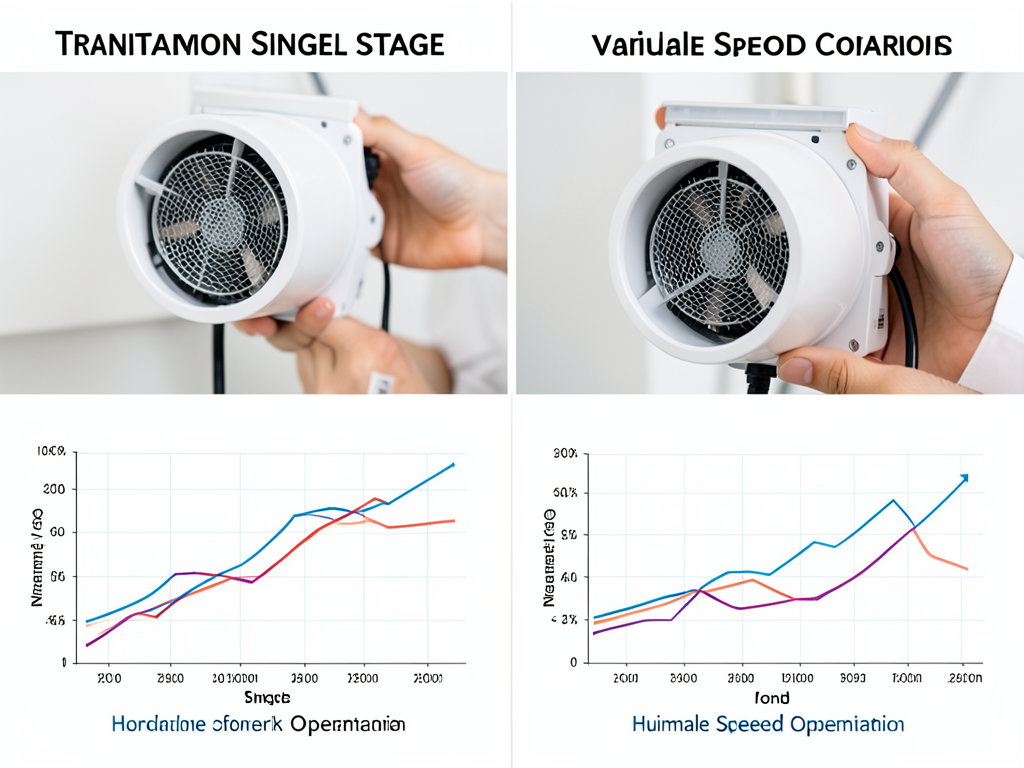
Traditional single-stage air conditioners operate like a light switch – they’re either on at 100% capacity or completely off. This creates temperature swings and leaves humidity problems unresolved. Variable speed compressors function more like a dimmer switch, adjusting their output from as low as 25% to 100% capacity based on your home’s cooling requirements.
When outdoor temperatures are moderate or your home is close to the desired temperature, the compressor runs at a low speed. This extended run time allows the system to remove significantly more moisture from the air – a critical benefit in Meridian-Kessler where summer humidity often exceeds 70%.
The technology uses a sophisticated inverter drive that converts incoming AC power to DC power and then back to variable frequency AC power. This allows the compressor motor to vary its speed continuously rather than in fixed stages. The system monitors indoor and outdoor conditions 200 times per second, making micro-adjustments to maintain optimal performance.. Read more about Making an Attic Bedroom Actually Comfortable in Your Older Irvington Home.
Energy Savings That Matter in Indianapolis
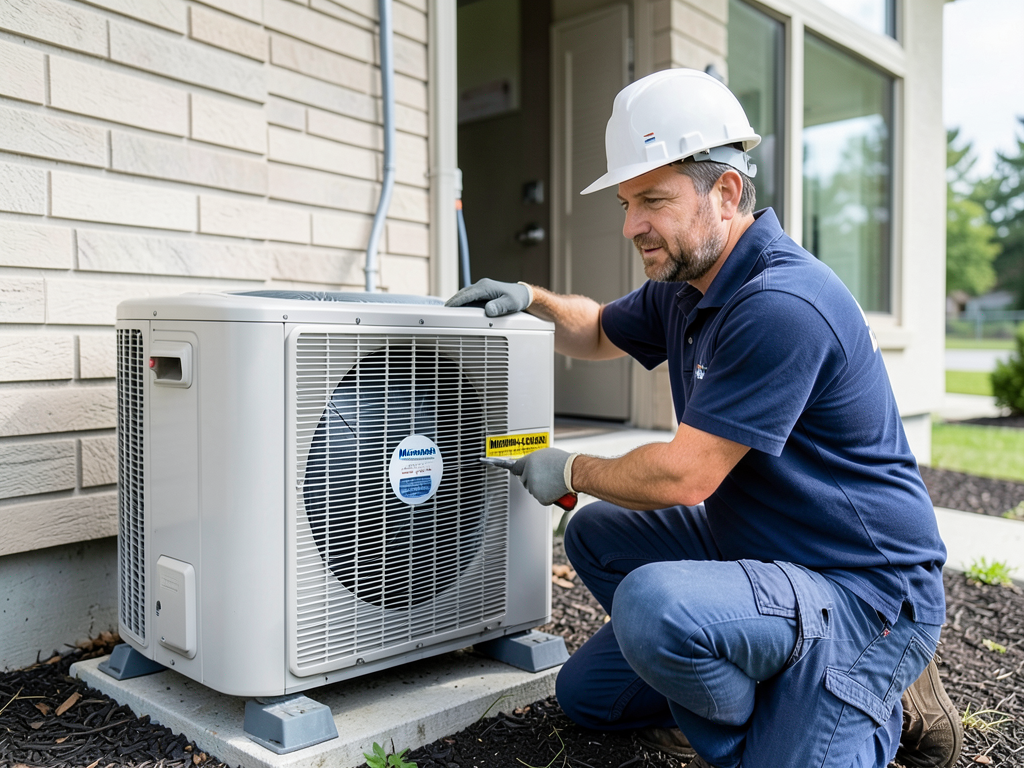
Variable speed systems typically achieve SEER2 ratings of 18-26 compared to 14-16 for standard units. In Meridian-Kessler, where cooling season can extend from April through October, these efficiency gains translate to substantial savings on your AES Indiana or Duke Energy bills. How Much Does a New AC Unit Cost for a Standard Zionsville Home?.
A typical 3-ton variable speed system in a 2,000 square foot Meridian-Kessler home might reduce cooling costs by 30-40% annually. For a household spending $150 monthly on cooling during peak summer months, that’s $540-$720 in annual savings. The system pays for itself through energy savings within 5-7 years in most cases.
The efficiency gains come from several factors. First, the system avoids the energy surge required to start a traditional compressor. Second, it maintains optimal efficiency by avoiding short cycling – those frequent on-off cycles that waste energy in conventional systems. Third, the continuous operation at lower speeds is inherently more efficient than repeated full-power starts.
Local utility providers offer additional incentives. AES Indiana provides rebates of up to $400 for qualifying high-efficiency systems, while Duke Energy offers similar programs. These rebates, combined with the federal 25C tax credit covering 30% of installation costs up to $2,000, make variable speed technology more accessible than ever.
Superior Humidity Control for Meridian-Kessler Homes
Humidity control is where variable speed systems truly shine in the Indianapolis area. Standard air conditioners remove moisture through condensation on the evaporator coil, but they need sufficient run time to be effective. When a traditional unit satisfies the thermostat in 10-15 minutes, it barely begins the dehumidification process.
Variable speed compressors run for extended periods at lower speeds, allowing the evaporator coil to stay cold enough to condense significant moisture from the air. In Meridian-Kessler’s climate, this means indoor humidity levels can be maintained at 45-55% compared to 55-65% with conventional systems.
The comfort difference is substantial. Lower humidity allows you to set your thermostat 2-3 degrees higher while maintaining the same comfort level. This reduces cooling costs even further while preventing that sticky, uncomfortable feeling that plagues Indianapolis summers.
Many Meridian-Kessler homes, particularly those built before 1980, have existing ductwork that wasn’t designed for modern high-efficiency systems. Variable speed air handlers can overcome these limitations by moving air more gently and consistently, reducing duct leakage and improving overall system performance.
Noise Reduction and Comfort Benefits
Sound levels are a significant consideration for Meridian-Kessler residents, where homes often sit on smaller lots with closer neighbors. Variable speed outdoor units typically operate at 58-68 decibels compared to 72-78 decibels for standard units – a noticeable difference that won’t disturb your backyard gatherings or your neighbor’s peace.
Indoor sound levels are even more impressive. The variable speed air handler runs at whisper-quiet levels, often producing less noise than your refrigerator. This means you can sleep through the night without the jarring sound of a compressor kicking on and off.
Temperature consistency improves dramatically with variable speed technology. Instead of experiencing 2-4 degree temperature swings with conventional systems, you’ll maintain your set point within 1 degree. This eliminates those uncomfortable periods when your home feels too warm before the AC kicks on again.
The continuous air circulation also improves indoor air quality. As air passes through the filter more frequently, more particles are captured. This is particularly beneficial in Meridian-Kessler where spring pollen counts can be extreme and many homes have older duct systems that may harbor dust and allergens.
Local Rebates and Tax Credits Available Now
Indiana homeowners can take advantage of multiple incentive programs when upgrading to variable speed systems. The federal 25C tax credit, part of the Inflation Reduction Act, provides 30% of installation costs up to $2,000 for qualifying high-efficiency HVAC equipment installed in 2023-2032. Inflation Reduction Act tax credits.
AES Indiana offers their Smart $aver program with rebates ranging from $300-$600 for variable speed heat pumps and air conditioners that meet specific efficiency criteria. Duke Energy’s Energizing Indiana program provides similar incentives, typically $250-$500 depending on the system’s SEER2 rating and whether it includes a smart thermostat.
Local HVAC contractors often have access to manufacturer rebates that can add another $100-$300 to your savings. These programs change frequently, so it’s worth checking current offers before making your purchase decision.
Marion County also offers property tax deductions for certain energy-efficient home improvements, though HVAC systems must meet specific certification requirements. Your contractor should provide documentation of all efficiency ratings and certifications needed to qualify for these incentives.
Comparison: Single-Stage vs. Two-Stage vs. Variable Speed
| Feature | Single-Stage | Two-Stage | Variable Speed |
|---|---|---|---|
| Operation | On/Off at 100% | High/Low (65-100%) | Continuous 25-100% |
| SEER2 Rating | 14-16 | 17-20 | 18-26+ |
| Humidity Control | Poor | Fair | Excellent |
| Noise Level | 72-78 dB | 68-74 dB | 58-68 dB |
| Annual Energy Use | High | Medium | Low |
| Initial Cost | Lowest | Medium | Highest |
| Payback Period | N/A | 7-10 years | 5-7 years |
Installation Considerations for Meridian-Kessler Homes
Many Meridian-Kessler homes were built between 1920 and 1970, featuring plaster walls and potentially undersized ductwork. Variable speed systems can actually work better in these situations because they move air more gently and don’t require the high static pressure that conventional systems need.
Older homes often have return air issues that create pressure imbalances and reduce efficiency. A variable speed air handler can compensate for these problems by running the fan continuously at low speed, ensuring proper air circulation throughout your home.
Electrical requirements are another consideration. Most variable speed systems require a dedicated 240V circuit and may need electrical panel upgrades in older homes. This adds to the installation cost but is often necessary for safe, reliable operation. Reliable Heating and Cooling Experts Serving the Broad Ripple Area.
Proper sizing is critical for variable speed systems. Unlike conventional units where oversizing is common, variable speed systems need to be matched precisely to your home’s cooling load. A professional load calculation using Manual J methodology ensures optimal performance and efficiency.
Maintenance and Reliability Expectations
Variable speed systems have fewer mechanical failures than conventional units because they don’t experience the stress of repeated starts and stops. The compressor ramps up gradually rather than experiencing the electrical surge of a traditional start capacitor.
Annual maintenance is still essential but often simpler. The continuous operation means less dirt accumulation on coils, and the system’s diagnostic capabilities can alert you to potential issues before they become major problems.
Most manufacturers offer 10-12 year warranties on variable speed compressors when installed by certified contractors. This extended coverage reflects the technology’s reliability and the manufacturer’s confidence in their product.
The control boards and sensors in variable speed systems do add some complexity, but modern units are designed for easy troubleshooting. Many systems can communicate directly with your contractor’s diagnostic tools, reducing service time and costs when maintenance is needed.
Is Variable Speed Right for Your Meridian-Kessler Home?
Variable speed technology makes the most sense for homeowners who plan to stay in their homes for at least 5-7 years, value consistent comfort over rock-bottom initial cost, and want to minimize their environmental impact while maximizing energy savings.. Read more about Creating a Temperature-Controlled Environment for Seniors Living Alone in Franklin.
If you have allergies, humidity sensitivity, or simply want the most advanced comfort technology available, variable speed systems deliver clear benefits. The ability to maintain precise temperature and humidity control while operating quietly makes them ideal for Meridian-Kessler’s climate and lifestyle.
Consider your home’s characteristics as well. If you have an open floor plan, large windows, or areas that tend to be too hot or too cold, variable speed zoning capabilities can solve these problems more effectively than conventional systems.
The higher upfront cost – typically $2,000-$4,000 more than a quality single-stage system – is offset by energy savings, rebates, and the intangible benefits of superior comfort and quieter operation. For many Meridian-Kessler homeowners, the investment pays dividends in daily comfort and long-term savings.
Call (317) 688-8818 today to schedule your inspection and learn how variable speed technology can transform your home’s comfort while reducing your energy bills. Our NATE-certified technicians will evaluate your specific needs and provide a detailed proposal with current rebate information and expected energy savings for your Meridian-Kessler home.
Frequently Asked Questions
How much more does a variable speed system cost compared to a standard AC?
Variable speed systems typically cost $2,000-$4,000 more upfront than quality single-stage systems. However, when you factor in energy savings of 30-40% annually, available rebates of $300-$600, and the federal 25C tax credit, the additional investment often pays for itself within 5-7 years through utility savings alone.
Can my existing ductwork handle a variable speed system?
Most existing ductwork can accommodate variable speed systems, often with better results than conventional units. Variable speed air handlers operate at lower static pressure, reducing duct leakage and noise. However, older homes may need return air improvements or minor modifications to optimize performance. A professional assessment will identify any necessary changes.
What SEER2 rating should I look for in a variable speed system?
For Meridian-Kessler’s climate, look for systems with SEER2 ratings of 18 or higher. Ratings of 20-22 provide excellent efficiency, while premium systems with ratings of 24-26 offer maximum savings. The energy savings between 18 and 22 SEER2 are substantial, typically reducing cooling costs by an additional 15-20% compared to minimum efficiency units.
How long do variable speed compressors typically last?
With proper maintenance, variable speed compressors typically last 15-20 years, similar to or slightly longer than conventional units. The gradual start and stop cycles reduce mechanical stress, and modern diagnostic systems help prevent major failures by alerting homeowners to developing issues early.
Will a variable speed system work during a power outage?
Standard variable speed systems require continuous power and won’t operate during outages. However, some manufacturers offer models compatible with solar power systems or backup generators. If power reliability is a concern, discuss your options with a qualified contractor who can recommend systems with appropriate power management features.
- Schedule a Professional Assessment
Have a certified HVAC technician perform a Manual J load calculation to determine your home’s exact cooling requirements. This ensures proper sizing and identifies any ductwork or electrical issues that need addressing.
- Compare Multiple Quotes
Get detailed proposals from at least three reputable contractors. Compare not just price but efficiency ratings, warranty terms, and the comprehensiveness of the installation scope. The cheapest option isn’t always the best value.
- Verify Rebate Eligibility
Confirm which systems qualify for AES Indiana, Duke Energy, and federal tax credits. Your contractor should provide documentation of all efficiency ratings and assist with rebate applications to maximize your savings.
- Review Maintenance Requirements
Understand what maintenance your system will need and what’s included with your purchase. Some contractors offer maintenance plans that can reduce long-term costs and ensure optimal performance throughout the system’s life.
You may also find this helpful. Protecting Your Expensive Hardwood Floors from Extreme Humidity Swings in Zionsville.
You may also find this helpful. How Cottonwood Trees in Eagle Creek Can Secretly Destroy Your AC Efficiency.
{
“@context”: “https://schema.org”,
“@type”: “BlogPosting”,
“headline”: “Why Variable Speed AC Compressors are the Best Choice for Meridian-Kessler Humidity”,
“description”: “Discover why variable speed AC compressors outperform traditional systems in Meridian-Kessler’s humid climate. Learn about energy savings, humidity control, and local rebates.”,
“wordCount”: 2069,
“datePublished”: “2026-04-28T10:00:00.000Z”,
“dateModified”: “2026-04-28T10:00:00.000Z”,
“inLanguage”: “en-US”,
“mainEntityOfPage”: {
“@type”: “WebPage”,
“@id”: “https://reliancehvacindianapolis.com”
},
“publisher”: {
“@type”: “LocalBusiness”,
“name”: “Reliance HVAC Indianapolis”,
“url”: “https://reliancehvacindianapolis.com”
},
“author”: {
“@type”: “Organization”,
“name”: “Reliance HVAC Indianapolis”,
“url”: “https://reliancehvacindianapolis.com”
},
“image”: {
“@type”: “ImageObject”,
“url”: “https://reliancehvacindianapolis.com/wp-content/uploads/2026/03/why-variable-speed-ac-compressors-are-the-best-cho-1.png”
}
}
{
“@context”: “https://schema.org”,
“@type”: “HVACBusiness”,
“name”: “Reliance HVAC Indianapolis”,
“url”: “https://reliancehvacindianapolis.com”,
“address”: {
“@type”: “PostalAddress”,
“addressLocality”: “Indianapolis”
},
“areaServed”: {
“@type”: “City”,
“name”: “Indianapolis”
}
}
{
“@context”: “https://schema.org”,
“@type”: “FAQPage”,
“mainEntity”: [
{
“@type”: “Question”,
“name”: “Is Variable Speed Right for Your Meridian-Kessler Home?”,
“acceptedAnswer”: {
“@type”: “Answer”,
“text”: “Variable speed technology makes the most sense for homeowners who plan to stay in their homes for at least 5-7 years, value consistent comfort over rock-bottom initial cost, and want to minimize their environmental impact while maximizing energy savings.”
}
},
{
“@type”: “Question”,
“name”: “How much more does a variable speed system cost compared to a standard AC?”,
“acceptedAnswer”: {
“@type”: “Answer”,
“text”: “Variable speed systems typically cost $2,000-$4,000 more upfront than quality single-stage systems. However, when you factor in energy savings of 30-40% annually, available rebates of $300-$600, and the federal 25C tax credit, the additional investment often pays for itself within 5-7 years through utility savings alone.”
}
},
{
“@type”: “Question”,
“name”: “Can my existing ductwork handle a variable speed system?”,
“acceptedAnswer”: {
“@type”: “Answer”,
“text”: “Most existing ductwork can accommodate variable speed systems, often with better results than conventional units. Variable speed air handlers operate at lower static pressure, reducing duct leakage and noise. However, older homes may need return air improvements or minor modifications to optimize performance. A professional assessment will identify any necessary changes.”
}
},
{
“@type”: “Question”,
“name”: “What SEER2 rating should I look for in a variable speed system?”,
“acceptedAnswer”: {
“@type”: “Answer”,
“text”: “For Meridian-Kessler’s climate, look for systems with SEER2 ratings of 18 or higher. Ratings of 20-22 provide excellent efficiency, while premium systems with ratings of 24-26 offer maximum savings. The energy savings between 18 and 22 SEER2 are substantial, typically reducing cooling costs by an additional 15-20% compared to minimum efficiency units.”
}
},
{
“@type”: “Question”,
“name”: “How long do variable speed compressors typically last?”,
“acceptedAnswer”: {
“@type”: “Answer”,
“text”: “With proper maintenance, variable speed compressors typically last 15-20 years, similar to or slightly longer than conventional units. The gradual start and stop cycles reduce mechanical stress, and modern diagnostic systems help prevent major failures by alerting homeowners to developing issues early.”
}
},
{
“@type”: “Question”,
“name”: “Will a variable speed system work during a power outage?”,
“acceptedAnswer”: {
“@type”: “Answer”,
“text”: “Standard variable speed systems require continuous power and won’t operate during outages. However, some manufacturers offer models compatible with solar power systems or backup generators. If power reliability is a concern, discuss your options with a qualified contractor who can recommend systems with appropriate power management features.”
}
}
]
}
{
“@context”: “https://schema.org”,
“@type”: “HowTo”,
“name”: “How to Choose the Right Variable Speed System”,
“step”: [
{
“@type”: “HowToStep”,
“position”: 1,
“name”: “Schedule a Professional Assessment”,
“text”: “Have a certified HVAC technician perform a Manual J load calculation to determine your home’s exact cooling requirements. This ensures proper sizing and identifies any ductwork or electrical issues that need addressing.”
},
{
“@type”: “HowToStep”,
“position”: 2,
“name”: “Compare Multiple Quotes”,
“text”: “Get detailed proposals from at least three reputable contractors. Compare not just price but efficiency ratings, warranty terms, and the comprehensiveness of the installation scope. The cheapest option isn’t always the best value.”
},
{
“@type”: “HowToStep”,
“position”: 3,
“name”: “Verify Rebate Eligibility”,
“text”: “Confirm which systems qualify for AES Indiana, Duke Energy, and federal tax credits. Your contractor should provide documentation of all efficiency ratings and assist with rebate applications to maximize your savings.”
},
{
“@type”: “HowToStep”,
“position”: 4,
“name”: “Review Maintenance Requirements”,
“text”: “Understand what maintenance your system will need and what’s included with your purchase. Some contractors offer maintenance plans that can reduce long-term costs and ensure optimal performance throughout the system’s life.”
}
],
“image”: “https://reliancehvacindianapolis.com/wp-content/uploads/2026/03/why-variable-speed-ac-compressors-are-the-best-cho-1.png”
}
{
“@context”: “https://schema.org”,
“@type”: “BreadcrumbList”,
“itemListElement”: [
{
“@type”: “ListItem”,
“position”: 1,
“name”: “Home”,
“item”: “https://reliancehvacindianapolis.com”
},
{
“@type”: “ListItem”,
“position”: 2,
“name”: “Blog”,
“item”: “https://reliancehvacindianapolis.com/blog”
},
{
“@type”: “ListItem”,
“position”: 3,
“name”: “Why Variable Speed AC Compressors are the Best Choice for Meridian-Kessler Humidity”
}
]
}
{
“@context”: “https://schema.org”,
“@type”: “Service”,
“serviceType”: “HVAC”,
“provider”: {
“@type”: “LocalBusiness”,
“name”: “Reliance HVAC Indianapolis”,
“url”: “https://reliancehvacindianapolis.com”
},
“areaServed”: {
“@type”: “City”,
“name”: “Indianapolis”
},
“description”: “Discover why variable speed AC compressors outperform traditional systems in Meridian-Kessler’s humid climate. Learn about energy savings, humidity control, and local rebates.”
}