
Old Northside homes in Indianapolis carry a charm that newer construction simply cannot replicate. High ceilings, intricate woodwork, and original plaster walls define these historic properties. But that same charm creates a major challenge when it comes to modern air conditioning. Traditional ductwork requires space that simply does not exist in these century-old structures. That is where high-velocity air conditioning systems step in as the perfect solution.. Read more about Common Signs Your Ductwork Needs Professional Cleaning in Lockerbie Square.
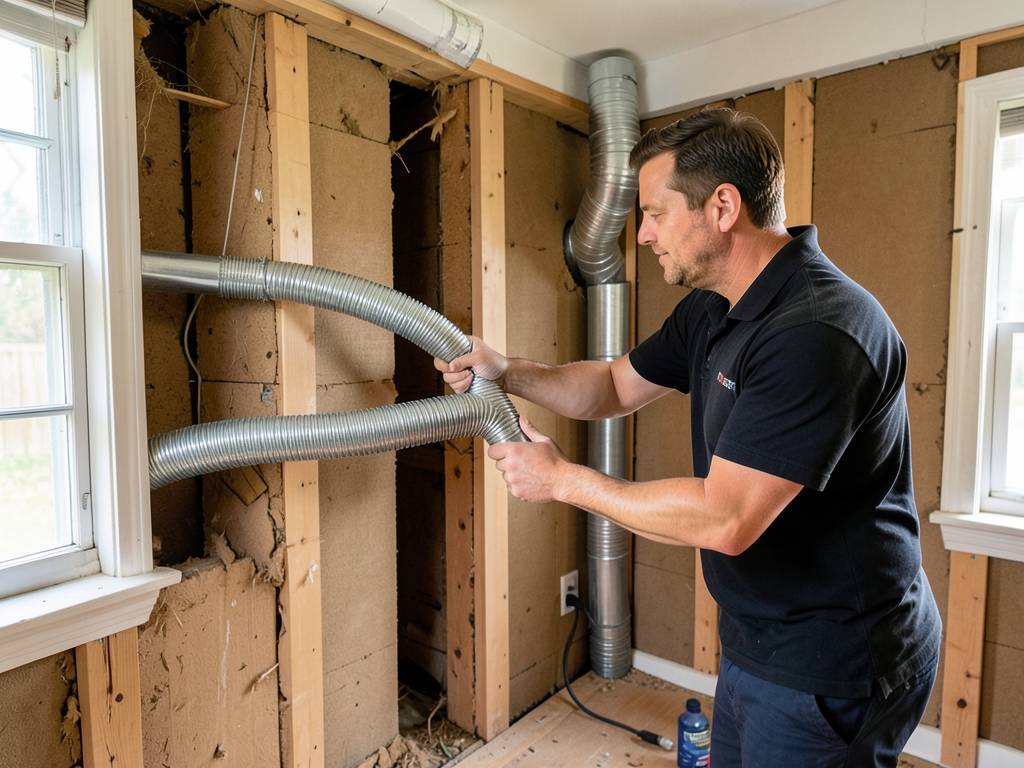
High-velocity systems use small, flexible ducts that can snake through existing wall cavities, attic spaces, and floor joists without disturbing original finishes. The technology delivers powerful cooling through discreet vents that blend seamlessly with historic interiors. For Old Northside homeowners, this means staying cool without sacrificing architectural integrity.. Read more about Deciding Between an Attic Fan and a Whole House Fan for Your Butler-Tarkington Property.
What Makes High-Velocity Systems Different
Traditional central air systems rely on large, rigid ductwork that needs significant clearance. High-velocity systems operate on a completely different principle. Instead of bulky trunk lines, they use two-inch flexible mini-ducts that can navigate tight spaces where conventional ducts cannot fit.. Read more about The Connection Between Your HVAC System and Radon Levels in a Northside Indianapolis Basement.
The system works through aspiration. Cool air jets out of small vents at high speed, creating a gentle circulation that pulls warm air toward return vents. This creates even temperature distribution without the drafts and hot spots common with older systems. The air handler unit is typically compact enough to fit in a closet or attic corner.. Read more about Using Smart Vents to Balance Airflow in Your Mapleton-Fall Creek Multi-Story Home.
In Indianapolis, where summer humidity regularly climbs above seventy percent, high-velocity systems excel at moisture removal. The rapid air movement and specialized coils extract more humidity than standard units, creating a noticeably more comfortable indoor environment. How Much Does a New AC Unit Cost for a Standard Zionsville Home?.
Why Old Northside Homes Need This Solution
Old Northside architecture presents unique challenges. Many homes feature plaster walls that cannot be easily opened without extensive repair. Original hardwood floors and crown molding cannot be replaced if damaged during installation. Traditional ductwork would require removing entire walls or building soffits that destroy the historic character. EPA refrigerant handling requirements.
The neighborhood sits in a humid continental climate zone, meaning summers bring both heat and moisture. Standard window units cannot keep up with the humidity load, and they create security concerns. Portable units require venting through windows, which compromises both security and aesthetics.
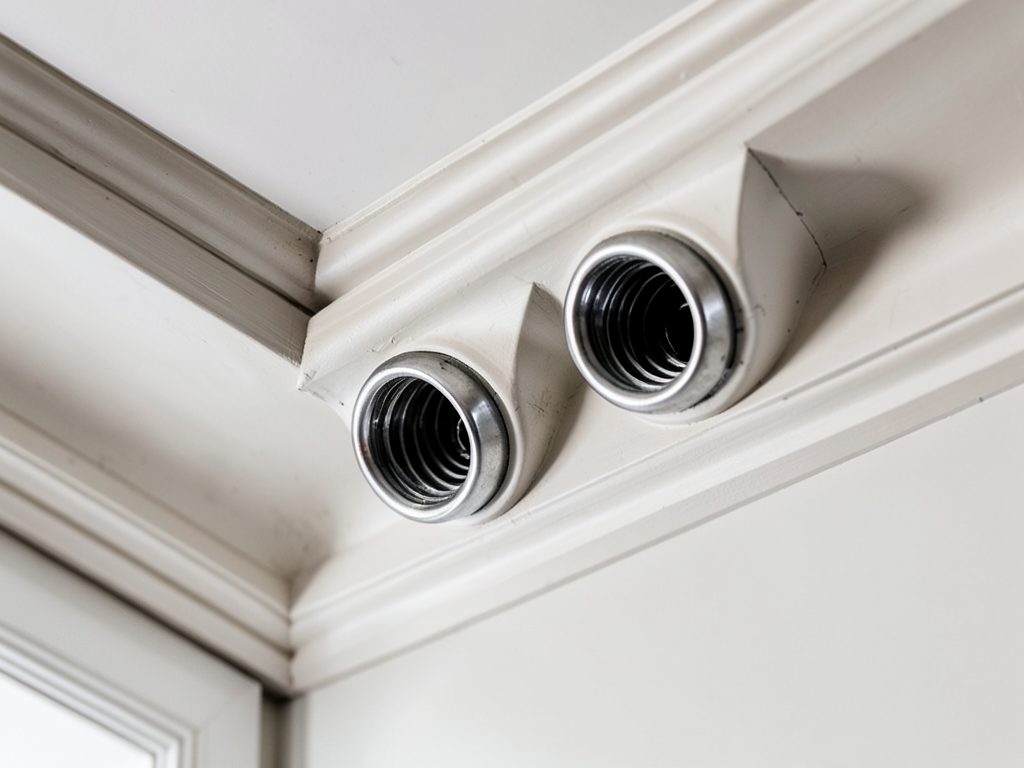
High-velocity systems address all these issues. The small ducts fit behind baseboards, above ceilings, or through existing chases. Vents can be painted to match trim or installed flush with walls. The entire system operates so quietly that most homeowners forget it is running.. Read more about How to Protect Your HVAC System During a Kitchen Remodel in Your Meridian-Kessler Home.
Installation Process for Historic Properties
Installing high-velocity systems in Old Northside homes requires specialized knowledge. The process begins with a detailed assessment of the home’s structure. Technicians use thermal imaging to map existing wall cavities and identify the best routes for mini-ducts.. Read more about What Near Northside Landlords Should Look for in a Low-Maintenance HVAC System.
Unlike standard installations, historic home retrofits require careful planning to avoid damaging original materials. Technicians often work in teams, with one specialist focusing on routing while another prepares surfaces for minimal impact.. Read more about Navigating Historic Preservation Rules for Outdoor AC Units in Lockerbie Square.
The installation typically takes three to five days. During this time, crews seal off work areas to contain dust and protect furnishings. They use specialized tools designed for plaster work, ensuring clean cuts that can be easily patched if needed.
Old Northside homes often have mixed foundation types, from full basements to crawl spaces. High-velocity systems can be configured for any layout. The air handler can be installed in a basement, attic, or mechanical closet depending on the home’s configuration.
Energy Efficiency and Operating Costs
Modern high-velocity systems offer impressive efficiency ratings. Most units achieve SEER2 ratings between sixteen and twenty-one, which means lower operating costs compared to older equipment. The systems use variable-speed blowers that adjust to cooling demand, reducing energy consumption during mild weather.. Read more about Converting an Old Boiler to Modern Forced Air in Your Garfield Park House.
In Indianapolis, where electricity rates average around twelve cents per kilowatt-hour, homeowners typically see monthly cooling costs between forty and eighty dollars depending on home size and usage patterns. The systems pay for themselves through reduced energy bills and eliminated repair costs for aging window units. The Best AC Repair Services in Carmel for Modern Subdivisions.
The compact design also means less energy loss through duct leakage. Traditional ductwork can lose up to thirty percent of conditioned air through gaps and poor connections. High-velocity mini-ducts maintain pressure and deliver nearly all the cooled air to living spaces.
Many Indianapolis utility companies offer rebates for high-efficiency HVAC installations. AES Indiana and Citizens Energy Group both have programs that can offset installation costs by several hundred dollars.
Preserving Architectural Integrity
The biggest concern for Old Northside homeowners is maintaining their home’s historic character. High-velocity systems excel at preservation because they work with existing architecture rather than against it.
Supply vents come in various styles that can match original woodwork. Some homeowners choose decorative grilles that complement their trim, while others opt for nearly invisible flush mounts. Return air pathways can utilize existing wall cavities, eliminating the need for large return grilles.
The systems operate so quietly that noise is rarely an issue. Sound levels typically measure between thirty and forty decibels, which is quieter than a normal conversation. This means you can enjoy cool comfort without the hum of traditional equipment.
For homes with historic plaster, technicians use specialized patching compounds that blend seamlessly with original finishes. They can often make cuts in areas that will be hidden by furniture or artwork, keeping visible surfaces pristine.
Comparing Major Brands
Two brands dominate the high-velocity market: Unico and SpacePak. Both offer excellent performance, but they have different strengths.
| Feature | Unico System | SpacePak |
|---|---|---|
| Standard Duct Size | 2 inches | 2 inches |
| Typical SEER2 Rating | 16-21 | 15-19 |
| Noise Level (dB) | 30-40 | 35-45 |
| Humidity Removal | Excellent | Very Good |
| Installation Flexibility | High | High |
| Warranty (Parts) | 10 years | 10 years |
Unico systems tend to offer slightly better humidity control and quieter operation. SpacePak systems often have a lower initial cost and are widely available through many contractors. Both brands meet or exceed Department of Energy efficiency standards and qualify for utility rebates.
The choice between brands often comes down to specific home requirements and contractor preference. Both systems can be integrated with existing furnaces or installed as complete heating and cooling solutions. Reliable Heating and Cooling Experts Serving the Broad Ripple Area.
Maintenance Requirements
High-velocity systems require less maintenance than traditional HVAC equipment. The mini-ducts are sealed systems that do not accumulate dust like conventional ductwork. However, regular filter changes remain essential.
The air handler contains a high-efficiency filter that should be replaced every three to six months. Homes with pets or allergy sufferers may need more frequent changes. The system’s design makes filter access simple, usually requiring just a few screws to remove the access panel.
Annual professional maintenance includes checking refrigerant levels, cleaning coils, and inspecting electrical connections. The compact design means technicians can complete most service calls in under an hour.
Because the systems operate at higher air velocities, they can actually keep ducts cleaner than traditional systems. The constant air movement prevents dust settlement and reduces the need for duct cleaning services.
Cost Considerations for Indianapolis Homeowners
High-velocity system installation costs vary based on home size and complexity. For a typical Old Northside home between fifteen hundred and three thousand square feet, homeowners should budget between eight thousand and fifteen thousand dollars for a complete system.
This investment includes the air handler, mini-ducts, vents, thermostat, and professional installation. While the upfront cost exceeds window units or portable systems, the long-term benefits justify the investment.
Energy savings typically offset about twenty percent of the monthly operating costs compared to older equipment. Over a ten-year period, this can amount to several thousand dollars in utility savings. The systems also eliminate the need for multiple window units, which can cost several hundred dollars annually in electricity alone.
Many Indianapolis homeowners finance their installations through home improvement loans or utilize home equity lines of credit. Some contractors offer payment plans that spread costs over twelve to twenty-four months.
Local Permitting and Code Requirements
Indianapolis requires permits for HVAC installations, including high-velocity systems. The Marion County Building Authority oversees permitting, and inspections ensure installations meet current mechanical codes.
High-velocity systems must comply with Indiana Residential Code requirements for ventilation and energy efficiency. The systems must also meet EPA refrigerant handling standards, which require certified technicians to perform installation and service.
Historic district properties may require additional review from the Indianapolis Historic Preservation Commission. However, because high-velocity systems are minimally invasive, they typically receive approval without difficulty.
Carbon monoxide detectors are required for all homes with fuel-burning appliances. High-velocity systems that include gas furnaces must have detectors installed according to Indiana Fire Code requirements. Furnace Blowing Cold Air.
Making the Right Choice for Your Home
High-velocity air conditioning represents the ideal solution for Old Northside homes where traditional systems simply will not work. The technology preserves architectural integrity while delivering modern comfort and efficiency.
Homeowners should consider their specific needs when choosing a system. Homes with plaster walls and original woodwork benefit most from the minimally invasive installation. Properties with high humidity levels will appreciate the superior moisture removal.
The investment pays dividends through lower energy bills, improved comfort, and preserved home value. Unlike window units that detract from historic character, high-velocity systems enhance livability while maintaining the charm that makes Old Northside special.
For Indianapolis homeowners ready to upgrade their cooling without compromising their home’s character, high-velocity systems offer the perfect balance of modern technology and historic preservation.
Frequently Asked Questions
How long does installation take?
Most high-velocity system installations in Old Northside homes require three to five days. The timeline depends on home size, existing infrastructure, and any special preservation requirements for historic features.
Will the system be noisy?
High-velocity systems operate at thirty to forty decibels, which is quieter than a normal conversation. The sound is a gentle whooshing that most homeowners find barely noticeable.
Can I use my existing thermostat?
Most high-velocity systems work with standard thermostats. However, newer smart thermostats can optimize performance and provide energy usage data that helps maximize efficiency.
What about heating in winter?
High-velocity systems can include heating capabilities through electric heat strips or integration with existing furnaces. Some homeowners choose to keep their original radiators for heating while adding high-velocity cooling.. Read more about Finding the Quietest Furnace Options for Small Lots in Ransom Place.
Are there utility rebates available?
Yes. Both AES Indiana and Citizens Energy Group offer rebates for high-efficiency HVAC installations. Rebate amounts vary but typically range from two hundred to five hundred dollars depending on system efficiency ratings.
Ready to bring modern comfort to your historic Old Northside home without sacrificing its character? Call (317) 688-8818 today to schedule your inspection and discover how high-velocity air conditioning can transform your living space. For more information, visit U.S. Department of Energy central air conditioning guide.
{
“@context”: “https://schema.org”,
“@type”: “BlogPosting”,
“headline”: “How to Fit High-Velocity Air Conditioning into an Old Northside Historic Home”,
“description”: “Discover how high-velocity HVAC systems preserve historic Old Northside architecture while delivering modern comfort. Learn about installation, costs, and benefits for Indianapolis homes.”,
“wordCount”: 1780,
“datePublished”: “2026-04-22T15:52:00.000Z”,
“dateModified”: “2026-04-22T15:52:00.000Z”,
“inLanguage”: “en-US”,
“mainEntityOfPage”: {
“@type”: “WebPage”,
“@id”: “https://reliancehvacindianapolis.com”
},
“publisher”: {
“@type”: “LocalBusiness”,
“name”: “Reliance HVAC Indianapolis”,
“url”: “https://reliancehvacindianapolis.com”
},
“author”: {
“@type”: “Organization”,
“name”: “Reliance HVAC Indianapolis”,
“url”: “https://reliancehvacindianapolis.com”
},
“image”: {
“@type”: “ImageObject”,
“url”: “https://reliancehvacindianapolis.com/wp-content/uploads/2026/03/how-to-fit-high-velocity-air-conditioning-into-an-1.png”
}
}
{
“@context”: “https://schema.org”,
“@type”: “HVACBusiness”,
“name”: “Reliance HVAC Indianapolis”,
“url”: “https://reliancehvacindianapolis.com”,
“address”: {
“@type”: “PostalAddress”,
“addressLocality”: “Indianapolis”
},
“areaServed”: {
“@type”: “City”,
“name”: “Indianapolis”
}
}
{
“@context”: “https://schema.org”,
“@type”: “FAQPage”,
“mainEntity”: [
{
“@type”: “Question”,
“name”: “How long does installation take?”,
“acceptedAnswer”: {
“@type”: “Answer”,
“text”: “Most high-velocity system installations in Old Northside homes require three to five days. The timeline depends on home size, existing infrastructure, and any special preservation requirements for historic features.”
}
},
{
“@type”: “Question”,
“name”: “Will the system be noisy?”,
“acceptedAnswer”: {
“@type”: “Answer”,
“text”: “High-velocity systems operate at thirty to forty decibels, which is quieter than a normal conversation. The sound is a gentle whooshing that most homeowners find barely noticeable.”
}
},
{
“@type”: “Question”,
“name”: “Can I use my existing thermostat?”,
“acceptedAnswer”: {
“@type”: “Answer”,
“text”: “Most high-velocity systems work with standard thermostats. However, newer smart thermostats can optimize performance and provide energy usage data that helps maximize efficiency.”
}
},
{
“@type”: “Question”,
“name”: “What about heating in winter?”,
“acceptedAnswer”: {
“@type”: “Answer”,
“text”: “High-velocity systems can include heating capabilities through electric heat strips or integration with existing furnaces. Some homeowners choose to keep their original radiators for heating while adding high-velocity cooling.”
}
},
{
“@type”: “Question”,
“name”: “Are there utility rebates available?”,
“acceptedAnswer”: {
“@type”: “Answer”,
“text”: “Yes. Both AES Indiana and Citizens Energy Group offer rebates for high-efficiency HVAC installations. Rebate amounts vary but typically range from two hundred to five hundred dollars depending on system efficiency ratings.”
}
}
]
}
{
“@context”: “https://schema.org”,
“@type”: “BreadcrumbList”,
“itemListElement”: [
{
“@type”: “ListItem”,
“position”: 1,
“name”: “Home”,
“item”: “https://reliancehvacindianapolis.com”
},
{
“@type”: “ListItem”,
“position”: 2,
“name”: “Blog”,
“item”: “https://reliancehvacindianapolis.com/blog”
},
{
“@type”: “ListItem”,
“position”: 3,
“name”: “How to Fit High-Velocity Air Conditioning into an Old Northside Historic Home”
}
]
}
{
“@context”: “https://schema.org”,
“@type”: “Service”,
“serviceType”: “HVAC”,
“provider”: {
“@type”: “LocalBusiness”,
“name”: “Reliance HVAC Indianapolis”,
“url”: “https://reliancehvacindianapolis.com”
},
“areaServed”: {
“@type”: “City”,
“name”: “Indianapolis”
},
“description”: “Discover how high-velocity HVAC systems preserve historic Old Northside architecture while delivering modern comfort. Learn about installation, costs, and benefits for Indianapolis homes.”
}